The Luxury EV Mirage: Separating Marketing Hype from Real-World Comfort
When stepping into the premium electric vehicle market, buyers are immediately bombarded with a dizzying array of technological promises. From massive hypersonic sound systems to screens that span the entire dashboard, the luxury EV segment is defined by its pursuit of the future. However, as a senior automotive reviewer who has spent hundreds of hours behind the wheel of the industry's most expensive battery-electric vehicles, I can tell you that the brochure rarely tells the whole story. Today, we are ranking the best luxury electric vehicles by genuine comfort and usable technology, while simultaneously busting the most pervasive myths and highlighting the costly mistakes buyers make when specing their six-figure rides.
Myth #1: Bigger Screens Equal Superior Technology
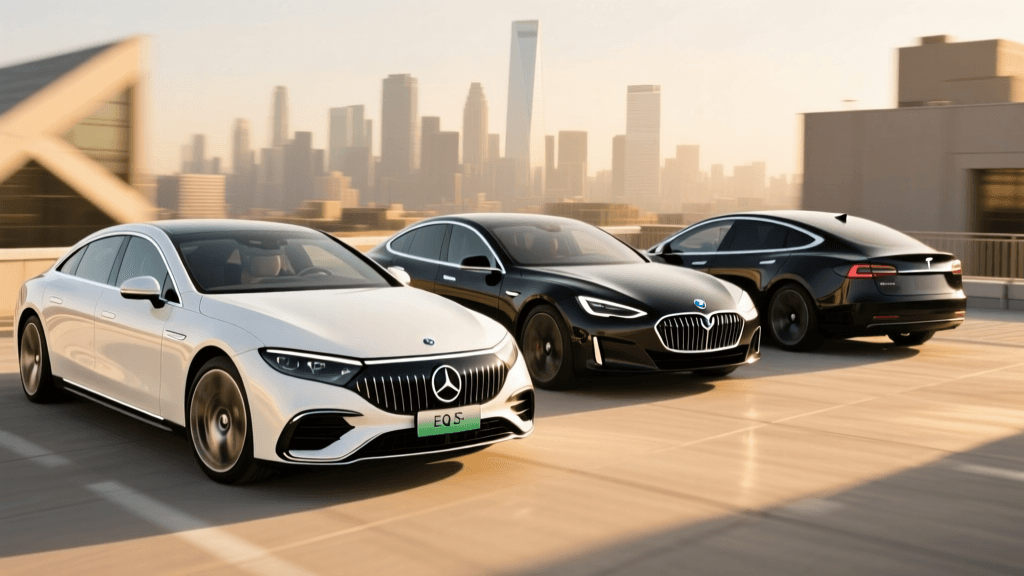
The most common trap for luxury EV buyers is equating square footage of glass with technological superiority. The Mercedes-Benz EQS popularized the 'Hyperscreen,' a massive 56-inch curved glass expanse that dominates the dashboard. It is visually stunning, but is it the best tech interface? Not necessarily.
The Reality: The Lucid Air's 34-inch curved Glass Canopy is widely considered by ergonomics experts to be superior for the driver. Why? Because it floats above the dashboard, keeping your line of sight closer to the road, and relies on physical haptic buttons for critical climate and volume controls. Conversely, the EQS forces users to navigate multiple sub-menus for basic functions like adjusting the passenger seat or changing drive modes. Meanwhile, the BMW i7 takes a different approach with its optional 31-inch 8K 'Theater Screen' for rear passengers, which is a genuine technological marvel for chauffeured comfort, but its front iDrive 8.5 system relies on a more traditional, user-friendly layout. Bigger is not always better; intuitive placement and processing speed matter far more than sheer size.
Myth #2: All Air Suspensions Deliver a 'Cloud-Like' Ride
Many buyers assume that checking the box for 'Adaptive Air Suspension' guarantees a magic-carpet ride that isolates them from every pothole and expansion joint. This is a dangerous assumption that leads to severe buyer's remorse.
The Reality: Air suspension tuning varies wildly between manufacturers. The Porsche Taycan, despite having a sophisticated adaptive air system, is tuned for a sports sedan. Even in its softest 'Normal' mode, it transmits more road texture into the cabin than its German rivals to maintain handling dynamics. On the other hand, the Mercedes-Benz EQS and BMW i7 prioritize isolation. The EQS uses a specialized Airmatic system with continuous damping control that actively reads the road surface and adjusts individual wheels in milliseconds. If your primary goal is absolute, limousine-like comfort, the BMW i7 and EQS will vastly outperform the Taycan, proving that the hardware is only as good as the software tuning behind it.
The Ultimate Ranking: Best Luxury EVs for Comfort & Tech
Based on extensive real-world testing, cabin noise measurements, interface latency, and ride quality analysis, here is how the top luxury EVs rank for the discerning buyer.
| Vehicle Model | Starting Price (Approx.) | Ride Comfort Score (1-10) | Tech & UI Score (1-10) | Best Feature |
|---|---|---|---|---|
| BMW i7 xDrive60 | $120,000 | 9.5 | 9.0 | 31-inch 8K Rear Theater Screen |
| Mercedes-Benz EQS 580 | $127,000 | 9.8 | 8.0 | Airmatic Suspension & Rear-Axle Steering |
| Lucid Air Grand Touring | $140,000 | 8.5 | 8.8 | 900V+ Architecture & Glass Canopy |
| Porsche Taycan Turbo S | $190,000 | 7.5 | 8.5 | 800V Charging & Sport Chrono Tech |
1. BMW i7: The Ultimate Tech Lounge
The BMW i7 takes the top spot for overall technology and comfort balance. The rear-seat experience is unmatched in the EV space, and the front cabin utilizes a curved display that is responsive, logically menu-mapped, and backed by an excellent voice assistant. The ride quality is exceptionally plush, utilizing a double-wishbone front and five-link rear suspension that completely eradicates harshness.
2. Mercedes-Benz EQS: The Comfort King
If pure, unadulterated ride comfort is your metric, the EQS wins. It is whisper-quiet at highway speeds and floats over imperfections. However, it drops to second place due to its polarizing Hyperscreen UI, which can be distracting and overly complex compared to BMW's iDrive system.
3. Lucid Air: The Efficiency and Space Marvel
The Lucid Air offers limousine-like rear legroom and a stunning glass roof that makes the cabin feel incredibly airy. Its technology is minimalist and highly functional, though it lacks the sheer theatrical flair of the BMW or the deep menu customization of the Mercedes.
4. Porsche Taycan: The Driver's Tech Choice
The Taycan is a masterpiece of engineering, but as a pure 'comfort' luxury EV, it sits at the bottom of this specific list. Its technology is heavily focused on performance telemetry, battery preconditioning, and 800-volt charging speeds rather than rear-seat entertainment or massage functions.
Myth #3: 'Level 2' Autonomy Means You Can Stop Paying Attention
Perhaps the most dangerous myth in the luxury EV space revolves around Advanced Driver Assistance Systems (ADAS). Marketing terms like 'Autopilot,' 'Drive Pilot,' and 'Super Cruise' lead consumers to believe the car is fully autonomous.
The Reality: As outlined by safety regulators, the vast majority of these systems are strictly Level 2 automation, meaning the driver must remain fully engaged. According to the National Highway Traffic Safety Administration (NHTSA), automated driving systems are categorized by levels, and true 'eyes-off' Level 3 systems are only just beginning to see highly restricted, geo-fenced approvals in specific states like California and Nevada for certain brands like Mercedes-Benz. Furthermore, the Insurance Institute for Highway Safety (IIHS) continuously publishes data showing that driver monitoring systems are essential to prevent automation complacency. Do not buy a luxury EV expecting a personal chauffeur; you are still the pilot.
Common Buyer Mistakes When Specifying a Luxury EV
Beyond falling for marketing myths, luxury EV buyers frequently make expensive specification errors that degrade their ownership experience.
Mistake 1: Ignoring Charging Architecture for Range
Buyers obsess over EPA range estimates (e.g., 400 miles vs. 350 miles) but ignore the vehicle's electrical architecture. The Lucid Air and Porsche Taycan utilize 800-volt (and 900V+) architectures, allowing them to charge from 10% to 80% in under 20 minutes at a 350kW DC fast charger. The Mercedes EQS and BMW i7 use older 400-volt architectures, meaning their charging speeds peak lower and taper off faster, resulting in longer road-trip stops. If you travel frequently, 800V tech is more valuable than an extra 30 miles of battery range.
Mistake 2: Over-Specifying Wheel Sizes
In the luxury segment, 22-inch and 23-inch wheels look incredible on the showroom floor. However, upgrading to massive wheels destroys ride comfort, increases road noise, and severely reduces your EV's range due to increased rolling resistance and weight. Stick to the 19-inch or 20-inch wheels with higher-sidewall tires to preserve the air suspension's ability to absorb impacts and to maximize your real-world mileage.
Mistake 3: Forgetting About Depreciation and Software Updates
Luxury EVs are essentially computers on wheels, and they suffer from steep depreciation curves as battery tech evolves. Furthermore, some brands are better at Over-The-Air (OTA) updates than others. Before purchasing, research the brand's track record for delivering meaningful OTA updates that improve battery management and UI responsiveness, rather than just adding superficial visual themes.
Final Verdict: Test the Tech, Feel the Ride
The luxury EV market is a minefield of impressive specifications and persuasive marketing. To make the right choice, you must look past the size of the screens and the marketing names of the driver-assist features. Demand a test drive on the worst roads in your city to evaluate the air suspension. Spend twenty minutes sitting in the driveway navigating the infotainment menus to ensure the UI logic matches your brain. By busting these common myths and avoiding critical spec mistakes, you will secure a luxury electric vehicle that delivers on its six-figure promise every single day.