The Beginner's Guide to Winter EV Driving
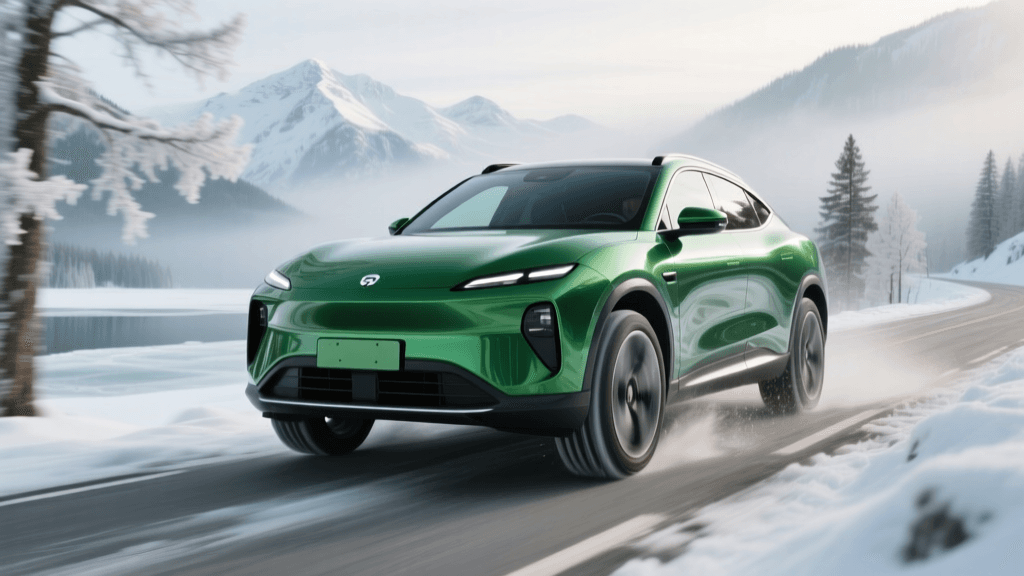
As electric vehicles (EVs) become mainstream, more drivers are experiencing the unique nuances of owning an EV in regions with harsh winters. One of the most common questions from prospective buyers is whether an electric car can handle freezing temperatures, snow, and ice without leaving them stranded. The short answer is yes, but with a caveat: cold weather fundamentally changes how an EV consumes energy. This comprehensive beginner's guide will demystify winter EV performance, explain the technology that mitigates range loss, and rank the best cold weather EVs based on real-world range retention.
Why Do Electric Vehicles Lose Range in the Cold?
To understand winter range retention, you first need to understand why EVs lose range when the temperature drops. There are two primary culprits: battery chemistry and cabin climate control.
First, EVs rely on lithium-ion battery packs. In freezing temperatures, the chemical reactions inside the battery cells slow down, increasing internal resistance. This means the battery cannot deliver or accept energy as efficiently as it does at room temperature. Second, and more significantly, is the energy required to keep the cabin warm. Unlike internal combustion engine (ICE) vehicles, which generate massive amounts of waste heat that can be diverted to the cabin for free, EVs are highly efficient and produce very little waste heat. Therefore, an EV must use its battery to actively generate heat for the passengers.
According to a landmark AAA comprehensive EV cold weather study, when temperatures drop to 20°F and the cabin heater is in use, the average EV can lose up to 41% of its rated range. However, modern EVs equipped with advanced thermal management systems and heat pumps can drastically reduce this penalty.
The Game Changer: Heat Pumps and Thermal Management
The single most important feature to look for when buying an EV for cold weather is a heat pump. Older or less expensive EVs often use resistive heating (similar to a toaster or a space heater) to warm the cabin. Resistive heating is incredibly power-hungry, often drawing 3,000 to 5,000 watts of continuous power from the battery.
A heat pump, on the other hand, works like a reverse air conditioner. Instead of generating heat from scratch, it absorbs ambient heat from the outside air and the vehicle's own drivetrain components, compresses it, and moves it into the cabin. This process is vastly more efficient, often using 50% to 70% less energy than resistive heaters. The U.S. Department of Energy's EV technology guide highlights that advanced thermal management systems, including heat pumps, are critical for maintaining EV efficiency across diverse climate zones.
Methodology: How We Ranked Winter Range Retention
Our rankings are based on real-world winter range retention percentages. Range retention is calculated by comparing the vehicle's actual driven range in freezing conditions (typically between 20°F and 32°F) against its EPA-estimated range at room temperature. We prioritized vehicles that come standard with heat pumps, feature active battery thermal management, and have proven track records in independent winter testing by automotive journalists and EV fleet data analysts.
The Rankings: Best EVs for Cold Weather Range Retention
1. Tesla Model Y and Model 3 (Rear-Wheel & All-Wheel Drive)
Tesla remains the gold standard for cold weather EV efficiency. The Model Y and Model 3 utilize a highly integrated thermal management system known as the 'Octovalve,' which scavenges waste heat from the battery, motors, and even the cabin computers, routing it through a standard heat pump. Because of this aggressive heat scavenging, Teslas consistently retain between 82% and 87% of their EPA range in freezing temperatures, making them the undisputed champions of winter efficiency.
2. Hyundai Ioniq 5 and Kia EV6
Built on the Hyundai Motor Group's E-GMP platform, the Ioniq 5 and Kia EV6 are exceptional winter warriors. Both vehicles feature standard heat pumps (on most trims) and sophisticated battery preconditioning systems. The E-GMP platform is particularly adept at managing battery temperatures, ensuring that the vehicle not only retains a high percentage of its range (typically 79% to 83%) but also maintains incredibly fast DC charging speeds even when the air temperature is well below freezing.
3. BMW iX
In the luxury segment, the BMW iX stands out for its winter prowess. BMW has heavily invested in next-generation heat pump technology that utilizes waste heat from the electric motors and power electronics. Despite its large, heavy footprint and luxury amenities, the iX manages to retain roughly 80% to 82% of its range in cold weather. Its all-wheel-drive system and advanced traction control also make it remarkably capable in snowy conditions.
4. Ford Mustang Mach-E
Early models of the Mustang Mach-E faced criticism for lacking a heat pump, relying instead on resistive heating that hampered winter range. However, Ford updated recent model years to include a heat pump on their extended-range AWD configurations. With this crucial addition, the Mach-E's cold weather range retention has improved significantly, now hovering around 76% to 79%, making it a highly viable option for winter commuters.
5. Audi Q8 e-tron
The Audi Q8 e-tron (formerly the e-tron) is a heavy, luxurious SUV that prioritizes comfort and build quality over sheer efficiency. However, its highly sophisticated thermal management system ensures that its range retention remains respectable. While it may only retain about 74% to 77% of its EPA range in the cold, its massive battery pack and excellent cabin insulation mean you still have plenty of absolute miles to complete your daily winter driving without anxiety.
Cold Weather EV Range Retention Data Table
| Vehicle Model | Heat Pump Included? | Est. Range Retention (at 20°F) | Starting MSRP (Approx.) |
|---|---|---|---|
| Tesla Model Y Long Range | Yes (Standard) | 85% - 87% | $48,990 |
| Hyundai Ioniq 5 AWD | Yes (Most Trims) | 80% - 83% | $47,850 |
| BMW iX xDrive50 | Yes (Standard) | 80% - 82% | $87,100 |
| Ford Mustang Mach-E Ext. Range | Yes (Recent Models) | 76% - 79% | $48,995 |
| Audi Q8 e-tron | Yes (Standard) | 74% - 77% | $74,400 |
5 Actionable Tips for Maximizing Winter EV Range
Owning an EV in the winter requires a slight adjustment to your daily routine. The U.S. Department of Energy's cold weather driving guidelines offer several best practices that apply perfectly to EV owners. Here are the most effective ways to preserve your range:
- Precondition While Plugged In: Use your EV's smartphone app to schedule 'preconditioning' while the car is still plugged into your home charger. This warms the battery and the cabin using grid electricity rather than your battery's stored energy, ensuring you leave home with a full battery and a warm interior.
- Rely on Radiant Heat: Seat heaters and steering wheel heaters use radiant heat, which warms your body directly and typically draws less than 100 watts of power. In contrast, heating the cabin air can draw over 3,000 watts. Turn down the cabin air temperature and turn up the seat heaters to save massive amounts of energy.
- Monitor Tire Pressure: For every 10-degree drop in temperature, your tires lose about 1 PSI of pressure. Under-inflated tires increase rolling resistance, which directly reduces your EV's range. Check and adjust your tire pressure regularly during the winter months.
- Adapt to Limited Regenerative Braking: When a lithium-ion battery is cold, the vehicle's software will limit regenerative braking to protect the cells from damage. This means your car will not slow down as aggressively when you lift off the accelerator. Allow extra stopping distance and rely more on your friction brakes until the battery warms up from driving.
- Keep the Battery Plugged In Overnight: Even if you aren't actively charging, keeping your EV plugged in allows the vehicle's thermal management system to use grid power to keep the battery from freezing, preserving its long-term health and ensuring it is ready to accept a charge or deliver full power the next morning.
Conclusion
Driving an EV in cold weather does not have to be a stressful experience filled with range anxiety. By understanding the science behind battery chemistry and choosing a vehicle equipped with a modern heat pump and active thermal management, you can easily navigate winter commutes. Vehicles like the Tesla Model Y, Hyundai Ioniq 5, and BMW iX prove that with the right technology, winter range retention is highly manageable. Combine a well-equipped EV with smart winter habits like preconditioning and utilizing seat heaters, and you will find that an electric vehicle is just as capable—and far more comfortable—than a gas-powered car in the dead of winter.