The Evolution of the Electric Crossover: Range Meets Utility
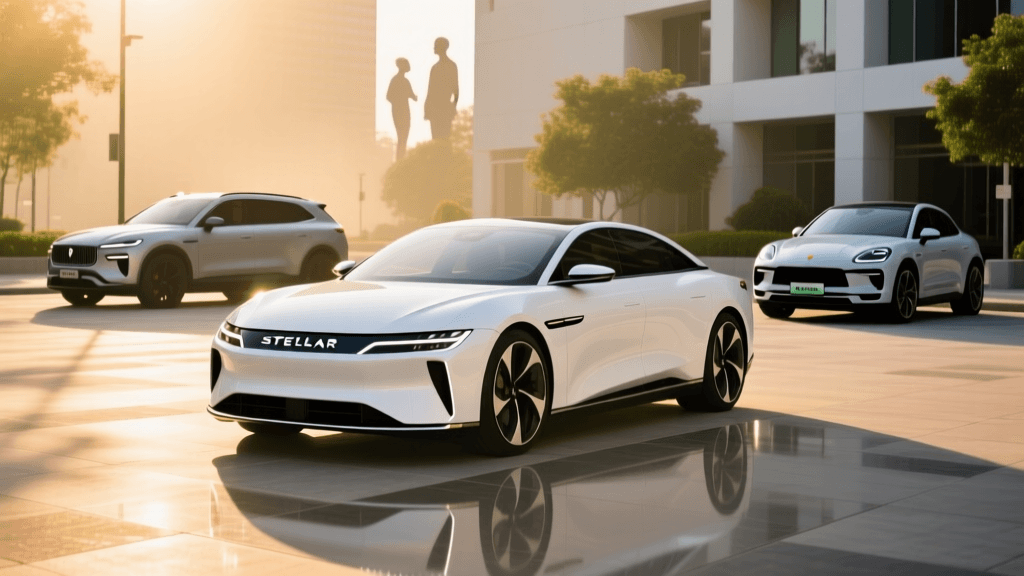
The automotive landscape is undergoing a seismic shift, and nowhere is this more evident than in the electric crossover segment. Once defined merely by their ride height and hatchback practicality, today's electric crossovers are being judged on a much more complex matrix of future-proofing metrics. As we look toward the next decade of electric mobility, range anxiety is being replaced by charging speed anxiety, and simple cargo space is being supplemented by bi-directional energy capabilities. For buyers looking to invest in a vehicle that will remain relevant, capable, and valuable over the next ten years, understanding the intersection of range, versatility, and emerging industry trends is critical.
According to the International Energy Agency's Global EV Outlook 2024, the market is rapidly consolidating around platforms that support ultra-fast charging and grid integration. This means the best electric crossovers of today are not just those that can travel the furthest on a single charge, but those built on advanced electrical architectures capable of adapting to tomorrow's infrastructure. In this ranking, we evaluate the top electric crossovers based on their real-world range, cargo versatility, charging architecture, and future-readiness.
Future-Proofing: Why 800V and V2L Matter Now
When evaluating an electric vehicle for long-term ownership, the underlying electrical architecture is just as important as the battery size. The industry is currently split between legacy 400-volt systems and cutting-edge 800-volt architectures. An 800V system allows for significantly faster DC fast charging, thinner and lighter wiring harnesses (which improves efficiency and interior space), and better thermal management. As public charging networks roll out 350kW and 500kW ultra-fast chargers, 400V vehicles will become the bottleneck of the charging experience, while 800V crossovers will capitalize on the new infrastructure.
Furthermore, Vehicle-to-Load (V2L) and Vehicle-to-Home (V2H) capabilities are transforming EVs from mere transportation devices into mobile power banks. The ability to power a campsite, run heavy-duty power tools at a job site, or keep a home's essential circuits running during a grid outage adds a layer of versatility that internal combustion vehicles simply cannot match. The National Renewable Energy Laboratory (NREL) highlights that vehicle-grid integration (VGI) technologies, including bi-directional charging, will be foundational to grid stability and consumer utility in the coming years. Crossovers that offer native V2L are therefore scoring higher in our future-proofing rankings.
Ranking Methodology for the Next Decade
To determine the best electric crossovers for the modern, forward-thinking buyer, we utilized a weighted scoring system that prioritizes longevity and adaptability:
- EPA-Estimated Range (25%): Real-world highway and city efficiency data sourced from the U.S. Department of Energy's Fuel Economy Guide.
- Charging Architecture & Speed (30%): Prioritizing 800V systems and native NACS (North American Charging Standard) integration or seamless adapter pathways.
- Cargo & Interior Versatility (25%): Total cargo volume, frunk utility, and cabin modularity.
- Energy Export / V2L Capabilities (20%): The ability to output AC power for external devices and home backup.
The Top Electric Crossovers Ranked
1. Hyundai Ioniq 5 & Kia EV6 (The 800V E-GMP Pioneers)
The Hyundai Motor Group's Electric-Global Modular Platform (E-GMP) remains the benchmark for mainstream electric crossovers. Both the Hyundai Ioniq 5 and its corporate sibling, the Kia EV6, offer an unmatched combination of 800-volt ultra-fast charging and everyday practicality. On a 350kW charger, these crossovers can replenish from 10% to 80% in just 18 minutes, a feat that future-proofs them against the rapid expansion of high-speed charging corridors.
In terms of versatility, the Ioniq 5 offers a spacious, flat-floor interior thanks to its long wheelbase, providing up to 27.2 cubic feet of cargo space behind the rear seats, expanding to nearly 60 cubic feet when folded. Crucially, both vehicles feature an integrated V2L port (either under the rear seats or via an exterior adapter), allowing owners to draw up to 3.6 kW of continuous 120V AC power. Whether you are tailgating or powering a refrigerator during a blackout, the E-GMP twins offer utility that transcends driving. With the upcoming transition to the NACS charge port for the 2025 model year, their compatibility with the Tesla Supercharger network further cements their top spot.
2. Audi Q6 e-tron & Porsche Macan EV (The PPE Platform Standard)
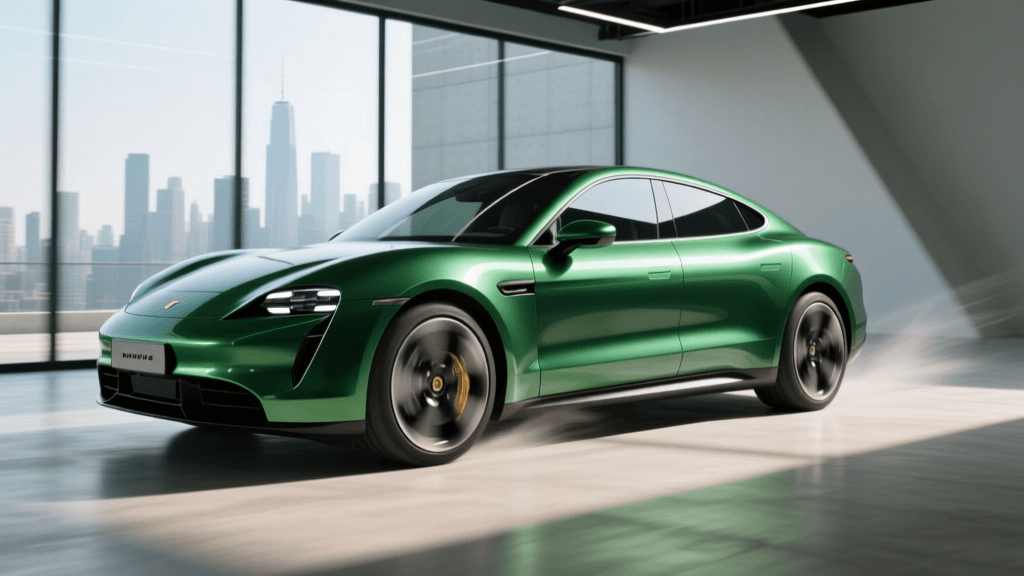
Representing the premium tier, the newly introduced Audi Q6 e-tron and Porsche Macan EV are built on the Premium Platform Electric (PPE), co-developed by Audi and Porsche. Like the E-GMP, PPE utilizes an 800-volt architecture, but it pushes the envelope with advanced silicon carbide inverters and highly optimized thermal management systems. The Macan EV, in particular, balances sports-car dynamics with crossover utility, offering an EPA-estimated range exceeding 300 miles and peak charging rates of 270 kW.
Where the PPE platform shines in versatility is in its software-defined vehicle capabilities and advanced suspension systems, such as the Macan's active air suspension which can raise the vehicle for off-road clearance or lower it for highway efficiency. The Q6 e-tron brings a more family-oriented approach, offering exceptional cargo volume, a frunk for charging cable storage, and a highly modular interior. While they currently lack native V2L capabilities in the North American market—a missed opportunity for future grid integration—their sheer build quality, range efficiency, and ultra-fast charging make them the premier choices for luxury buyers looking toward the future.
3. Tesla Model Y (The Network & Software Benchmark)
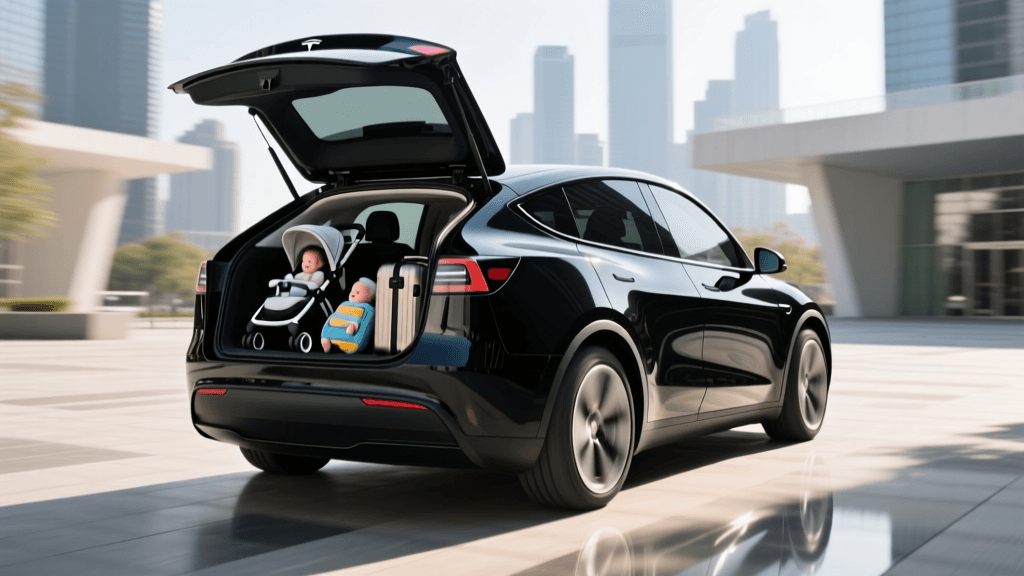
No ranking of electric crossovers is complete without the Tesla Model Y, the best-selling vehicle globally. While it relies on a 400-volt architecture that limits its peak charging speeds compared to the Hyundai or Porsche, its versatility is derived from its unparalleled software ecosystem, native NACS integration, and exclusive access to the Supercharger network. The Model Y offers an EPA-estimated range of up to 310 miles and boasts a class-leading 30.2 cubic feet of cargo space behind the second row, plus an additional 4.1 cubic feet in the front trunk.
Looking ahead, the anticipated 'Juniper' refresh promises to bring 800V components and updated battery chemistry to the platform. Currently, the Model Y's versatility is amplified by its over-the-air update capability, continuously adding features long after the vehicle leaves the factory. However, its lack of bi-directional V2L capabilities places it slightly behind the E-GMP vehicles in our pure utility scoring, keeping it at a close third place for buyers who prioritize mobile power export alongside range.
Head-to-Head Comparison Chart
| Vehicle Platform | EPA Range (Est.) | Cargo Space (Rear Seats Up) | Architecture | 10-80% Charge Time | V2L / Energy Export |
|---|---|---|---|---|---|
| Hyundai Ioniq 5 (AWD) | 290 - 320 miles | 27.2 cu ft | 800V E-GMP | ~18 minutes | Yes (Interior & Exterior) |
| Kia EV6 (AWD) | 282 - 310 miles | 24.4 cu ft | 800V E-GMP | ~18 minutes | Yes (Interior & Exterior) |
| Porsche Macan 4 EV | 300+ miles | 22.5 cu ft | 800V PPE | ~21 minutes | No (Currently) |
| Audi Q6 e-tron | 300+ miles | 28.7 cu ft | 800V PPE | ~21 minutes | No (Currently) |
| Tesla Model Y (LR) | 310 miles | 30.2 cu ft | 400V | ~28 minutes | No |
Actionable Advice for Future-Proofing Your EV Purchase
If you are preparing to purchase an electric crossover with an eye on the next decade, consider the following actionable strategies to maximize your investment:
- Prioritize the NACS Standard: The North American Charging Standard is becoming the universal plug. If you purchase a vehicle with a CCS1 port (like current 2024 models from Hyundai or Ford), ensure the manufacturer provides a clear, warrantied pathway to obtain a NACS adapter, or wait for the 2025 model year vehicles that feature the port natively.
- Invest in Smart Home Charging: To protect your battery's long-term health and prepare for V2H (Vehicle-to-Home) integration, install a hardwired Level 2 charger capable of 48 to 80 amps. This ensures you can wake up to a full battery daily, minimizing reliance on DC fast charging, which degrades battery cells faster over time.
- Leverage V2L for Emergency Prep: If you buy an Ioniq 5 or EV6, purchase the official V2L adapter immediately. Test it with essential appliances (like a sump pump, space heater, or full-size refrigerator) so you know exactly what your vehicle can sustain during a multi-day grid failure.
Final Verdict: Which Crossover Wins the Long Game?
When ranking the best electric crossovers by range and versatility through the lens of future industry trends, the Hyundai Ioniq 5 and Kia EV6 take the crown. Their early adoption of 800-volt architecture means they will not be left behind as charging infrastructure upgrades, and their native V2L capabilities offer a level of lifestyle versatility that competitors have yet to match. For luxury buyers willing to pay a premium, the Porsche Macan EV and Audi Q6 e-tron represent the cutting edge of the PPE platform, delivering exceptional range and dynamics. Meanwhile, the Tesla Model Y remains the safest bet for those who prioritize cargo volume and seamless access to the most robust charging network in the world. By choosing a crossover built on scalable, high-voltage platforms, buyers can ensure their vehicle remains a versatile, high-range asset well into the electric future.