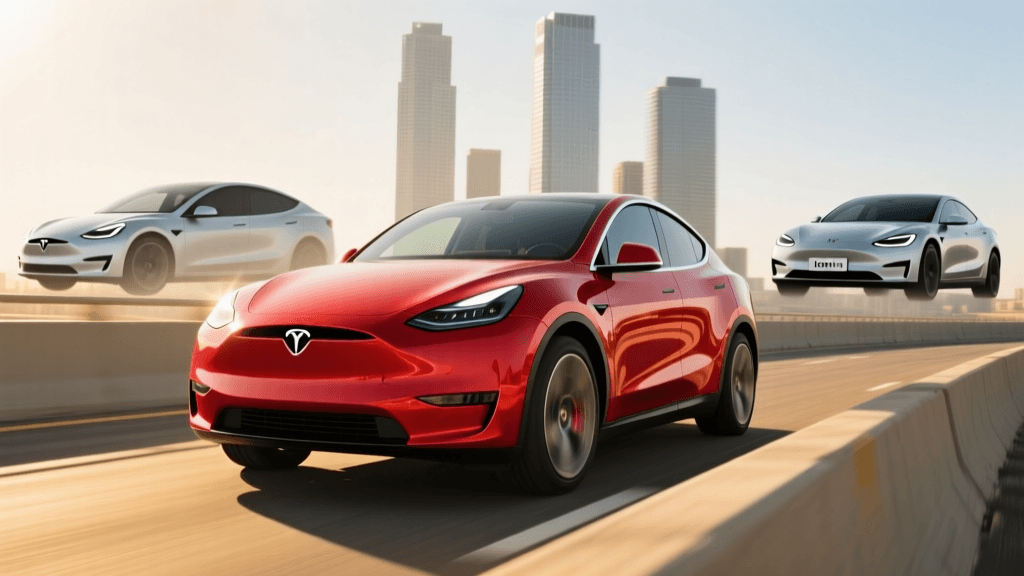
The Used EV Market: Navigating Battery Health and Value
Buying a used electric vehicle is one of the smartest financial moves you can make in today's automotive market. The first owner absorbs the steepest depreciation curve, allowing you to step into a high-tech, low-maintenance machine for a fraction of its original MSRP. However, the used EV market carries a unique anxiety that gas cars do not: battery health. Because the high-voltage battery pack is the most expensive component in an EV, understanding battery degradation and State of Health (SoH) is critical to determining true value.
In this head-to-head product showdown, we are ranking the best used electric cars based strictly on battery health retention and overall financial value. We will pit the most popular used EVs against each other, analyzing their thermal management systems, battery chemistries, and real-world depreciation to crown the ultimate used EV champion.
Our Showdown Methodology
To rank these vehicles fairly, we evaluate three core metrics:
- Battery State of Health (SoH): How much capacity the battery retains after 3 to 5 years of use. We rely on fleet data and industry research to determine average degradation rates.
- Thermal Management: Liquid-cooled batteries consistently outperform passively air-cooled batteries in preserving long-term health, especially in extreme climates.
- Value Retention & Entry Price: The intersection of current used market pricing, available federal or state used EV tax credits (up to $4,000 in the US), and projected maintenance costs.
According to Recurrent Auto's comprehensive battery degradation study, the average EV battery retains roughly 90% of its original capacity after five years, but this number varies wildly depending on the manufacturer's engineering and thermal management choices.
The Contenders: Head-to-Head Used EV Showdown
1. Chevrolet Bolt EV / EUV (2017–2022): The Undisputed Value Champion
The Chevrolet Bolt EV (and its slightly larger sibling, the EUV) is arguably the greatest bargain in the history of the electric vehicle market. Originally priced in the mid-$30,000 range, used models have plummeted in price, frequently landing between $14,000 and $22,000. But the real story here is the battery health.
The Bolt utilizes a 60 kWh to 65 kWh LG Chem NMC (Nickel Manganese Cobalt) battery pack. Early models suffered from a manufacturing defect that led to a massive, well-publicized battery recall due to fire risks. However, this recall is precisely why the Bolt wins the battery health category. General Motors replaced the battery modules in hundreds of thousands of Bolts with brand-new, updated packs. If you buy a used Bolt that has undergone the recall replacement, you are effectively getting a brand-new 259-mile battery with 100% State of Health, backed by a fresh 8-year/100,000-mile warranty.
Furthermore, the Bolt features an active liquid cooling and heating system. This robust thermal management ensures that whether you are charging in the sweltering Arizona heat or freezing Minnesota winters, the battery is kept in its optimal temperature window, severely mitigating long-term degradation.
2. Tesla Model 3 (2018–2020): The Tech and Depreciation Leader
The Tesla Model 3 revolutionized the EV space, and it remains the most common used EV on the road. For this showdown, we are looking at the 2018 to 2020 Long Range and Standard Range Plus models. Used prices generally hover between $22,000 and $32,000, depending on mileage and trim.
Tesla's battery management system (BMS) and liquid thermal management are industry-leading. Data shows that Model 3 Long Range batteries (using Panasonic NCA chemistry) experience an initial degradation of about 5% in the first 25,000 miles, after which the degradation curve flattens out significantly. According to the U.S. Department of Energy's Alternative Fuels Data Center, advanced liquid-cooled systems like Tesla's are vital for preserving battery lifecycle during frequent DC fast charging.
However, the Model 3 loses this head-to-head showdown on pure 'value' compared to the Bolt. Teslas suffer from steeper initial depreciation, and out-of-warranty repairs for Tesla-specific components (like the MCU screen or drive unit) can be costly. Additionally, early 2018-2019 Model 3s had notable build quality and paint issues that buyers must inspect carefully.
3. Hyundai Kona Electric (2019–2021): The Balanced Contender
The Hyundai Kona Electric is the sleeper hit of the used EV market. With an EPA-estimated range of 258 miles from its 64 kWh battery pack, it offers nearly the same range as the Bolt and Model 3 but in a highly practical, quirky subcompact crossover package. Used prices are incredibly competitive, often found between $18,000 and $25,000.
Hyundai equips the Kona with a liquid-cooled thermal management system, which has resulted in excellent real-world battery health retention. Fleet data suggests the Kona's battery degrades at a very slow, predictable rate, typically retaining over 92% of its SoH after three years of moderate use. Hyundai also offers one of the best powertrain warranties in the business, though buyers should verify if the 10-year/100,000-mile warranty transfers to the second owner in their specific state (it often reverts to the standard 5-year/60,000-mile powertrain warranty upon resale, but the 8-year/100,000-mile federal battery mandate remains intact).
4. Nissan Leaf (2018–2022): The Budget Option with a Major Catch
No used EV list is complete without the Nissan Leaf. The second-generation Leaf (2018 and newer) offers either a 40 kWh pack (149 miles) or a 62 kWh 'Plus' pack (212 miles). Used prices are rock bottom, with 40 kWh models frequently selling for under $14,000.
However, the Leaf loses the battery health showdown decisively. Nissan relies on passive air cooling for its battery packs. Without active liquid cooling, the battery is highly susceptible to heat-induced degradation, a phenomenon colloquially known in the EV community as 'Rapidgate.' If you live in a hot climate or plan to do multiple DC fast charges in a single day, the Leaf's battery will degrade much faster than its liquid-cooled rivals. It is a fantastic value for a short-commute city car in a temperate climate, but a risky proposition for long-term battery health.
Head-to-Head Comparison Data Table
| Vehicle Model | Avg Used Price (2024) | Thermal Management | Est. Battery Degradation (Yr 3-5) | Value & Health Score |
|---|---|---|---|---|
| Chevrolet Bolt EV/EUV | $14,000 - $22,000 | Active Liquid Cooled | 2% - 5% (Post-Recall) | 9.5 / 10 |
| Tesla Model 3 LR | $24,000 - $32,000 | Active Liquid Cooled | 8% - 11% | 8.5 / 10 |
| Hyundai Kona Electric | $18,000 - $25,000 | Active Liquid Cooled | 5% - 8% | 8.8 / 10 |
| Nissan Leaf (40/62 kWh) | $11,000 - $18,000 | Passive Air Cooled | 12% - 18% (Climate Dependent) | 6.0 / 10 |
Actionable Advice: How to Verify Battery Health Before Buying
Never buy a used EV based solely on the dashboard range estimate. The EPA's Fuel Economy guide on EV technology notes that displayed range fluctuates based on recent driving habits and ambient temperatures. To truly protect your investment, follow these steps during your pre-purchase inspection:
- Use an OBD2 Scanner: Purchase or borrow an OBD2 dongle (like the OBDLink MX+) and use an app like CarScanner or EV Health to read the exact State of Health (SoH) percentage directly from the vehicle's computer.
- Check for Software Locks: Some manufacturers (historically Nissan and early Tesla models) have software-locked degraded batteries. Ensure the car's current usable capacity matches the expected capacity for its age.
- Verify Recall and Warranty Status: For the Chevy Bolt, get the VIN and call a local GM dealer to confirm the high-voltage battery recall remedy has been performed. For all EVs, verify the 8-year/100,000-mile federal battery warranty status.
- Perform a DC Fast Charge Test: Take the car to a public DC fast charger. Monitor the charging curve. A healthy battery will accept high kilowatt rates up to 80% SoC. If the charging speed throttles down to single digits very early, the battery may have severe internal resistance issues.
Final Verdict: Which Used EV Wins?
When ranking the best used electric cars by battery health and value, the Chevrolet Bolt EV/EUV takes the crown. The combination of its incredibly low entry price, active liquid cooling, and the unique advantage of the battery recall replacement program makes it the safest and most financially sound used EV purchase on the market today. You are essentially getting a brand-new battery in a depreciated chassis.
The Hyundai Kona Electric takes a close second for buyers who prefer a crossover layout and superior interior build quality, offering excellent battery health retention at a great price point. The Tesla Model 3 remains the best choice if access to the Supercharger network and over-the-air tech updates are your top priorities, despite the higher entry cost. Finally, the Nissan Leaf should only be purchased by budget-conscious buyers with short, predictable commutes in mild climates.
By prioritizing liquid-cooled thermal management and verifying State of Health via OBD2 diagnostics, you can confidently navigate the used EV market and secure a vehicle that will provide reliable, emissions-free driving for years to come.