The Apartment EV Dilemma: How to Charge Without a Garage
Owning an electric vehicle (EV) when you live in an apartment or multi-family dwelling presents a unique set of challenges. Without a private garage or a dedicated Level 2 home charger, apartment dwellers must rely on public charging infrastructure, workplace charging, or slow 120V trickle charging. However, the lack of a home charging setup does not mean you have to sacrifice EV ownership. By selecting a vehicle with exceptional energy efficiency, ultra-fast DC charging capabilities, and intelligent route planning, you can seamlessly integrate an EV into your apartment lifestyle.
According to the U.S. Department of Energy, while home charging remains the most convenient method for the majority of EV owners, the rapid expansion of public fast-charging networks and improvements in vehicle efficiency are making apartment living with an EV more viable than ever. This comprehensive guide ranks the best EVs for apartment dwellers based on charging flexibility and provides a step-by-step strategy for managing your battery without a dedicated home charger.
How to Evaluate EV Charging Flexibility
When you cannot plug in overnight at home, the criteria for choosing an EV shift dramatically. We ranked the following vehicles based on four critical metrics:
- Energy Efficiency (mi/kWh): Higher efficiency means you can drive further on a single charge, reducing the frequency of your trips to public chargers. The EPA Fuel Economy database highlights that top-tier EVs can now achieve over 4 miles per kWh.
- DC Fast Charging (DCFC) Speed: Time is your most valuable asset. Vehicles with 800-volt architectures can charge from 10% to 80% in under 20 minutes, turning a charging stop into a quick coffee break.
- Total Range and Battery Capacity: A larger usable battery allows you to consolidate charging into a single weekly session rather than multiple mid-week top-ups.
- Network Integration and Plug & Charge: Built-in navigation that preconditions the battery and routes you to reliable chargers is essential for those relying on public infrastructure.
Ranked: The Best EVs for Apartment Dwellers
1. Tesla Model 3 Long Range (Highland) - The Supercharger Advantage
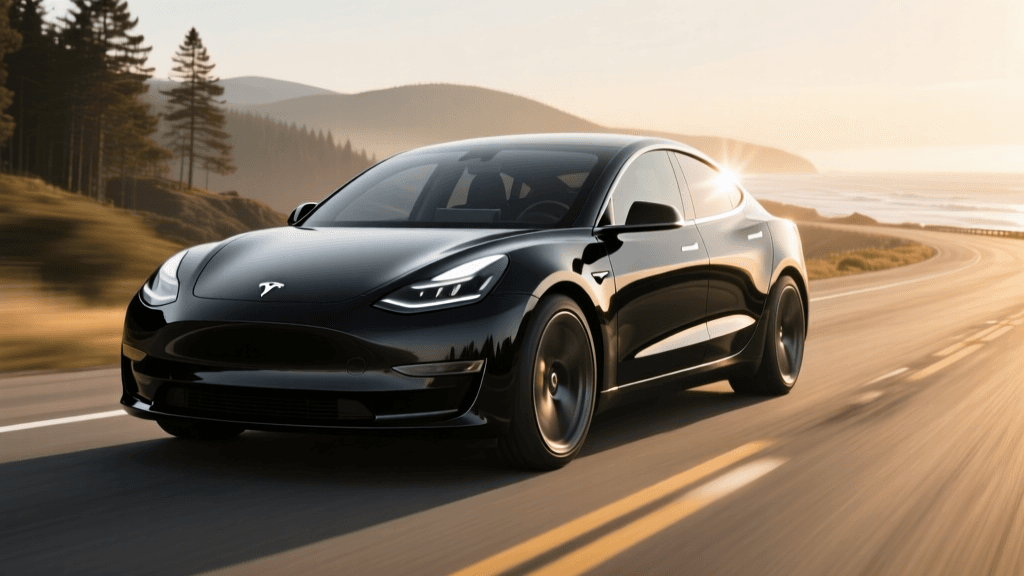
The Tesla Model 3 Long Range remains the undisputed king of charging flexibility for apartment dwellers, primarily due to the Tesla Supercharger network. With an impressive efficiency rating of roughly 4.0 miles per kWh and a total range of 341 miles, the Model 3 requires fewer charging stops than its competitors. More importantly, the Supercharger network offers unparalleled reliability, meaning you won't waste time troubleshooting broken public chargers. The native Plug & Charge capability means you simply plug in and walk away, while the vehicle's navigation automatically preconditions the battery for optimal charging speeds up to 250 kW.
2. Hyundai Ioniq 6 SE Long Range - The 800V Fast-Charging King
If your local public charging infrastructure consists of high-speed 350 kW chargers, the Hyundai Ioniq 6 is your best option. Utilizing an advanced 800-volt electrical architecture, the Ioniq 6 can accept up to 350 kW of power, allowing it to charge from 10% to 80% in just 18 minutes under optimal conditions. Furthermore, its ultra-aerodynamic design grants it an EPA-estimated 140 MPGe combined (roughly 4.5 mi/kWh), making it one of the most efficient EVs on the market. This extreme efficiency means you can easily stretch a 30-minute public charging session into a full week of commuting.
3. Chevrolet Equinox EV 3RS - The Range and Value Champion
For apartment dwellers who prefer to charge only once a week on the weekend, the Chevrolet Equinox EV 3RS offers a massive 315 miles of EPA-estimated range. While its peak DC fast-charging speed of 150 kW is slower than the Hyundai or Tesla, its large battery and comfortable interior make the 30-minute charging session highly tolerable. The Equinox EV also features excellent route planning via the MyChevrolet app, which helps you locate reliable chargers near your apartment or local grocery stores, integrating charging seamlessly into your weekend errands.
4. Ford Mustang Mach-E Extended Range - The Versatile All-Rounder
The Ford Mustang Mach-E Extended Range offers a balanced approach with a 320-mile range and peak charging speeds up to 230 kW on the latest models. Ford's integration with the Tesla Supercharger network (via a provided NACS adapter) drastically expands the charging footprint for Mach-E owners living in apartments. The BlueCruise hands-free driving system also makes the commute to and from public charging hubs significantly less stressful.
Comparison Table: Apartment EV Charging Specs
| EV Model | Efficiency (mi/kWh) | Max DCFC Speed | Est. 10-80% Time | Best Feature for Renters |
|---|---|---|---|---|
| Tesla Model 3 LR | 4.0 | 250 kW | ~25 mins | Supercharger Reliability |
| Hyundai Ioniq 6 | 4.5 | 350 kW | ~18 mins | 800V Ultra-Fast Charging |
| Chevy Equinox EV | 3.1 | 150 kW | ~32 mins | Massive 315-Mile Range |
| Ford Mach-E ER | 3.4 | 230 kW | ~28 mins | Supercharger Network Access |
Step-by-Step: How to Manage Public EV Charging in an Apartment
Transitioning to an EV without a home charger requires a shift in routine. Follow this step-by-step guide to master apartment EV charging:
Step 1: Map Your Charging Ecosystem
Before purchasing your EV, use apps like PlugShare and A Better Routeplanner to audit the chargers within a 3-mile radius of your apartment. Look for locations where you can combine charging with existing habits, such as grocery stores, gyms, or shopping centers. This concept, known as 'destination charging,' turns a chore into a multitasking opportunity.
Step 2: Leverage 120V Trickle Charging
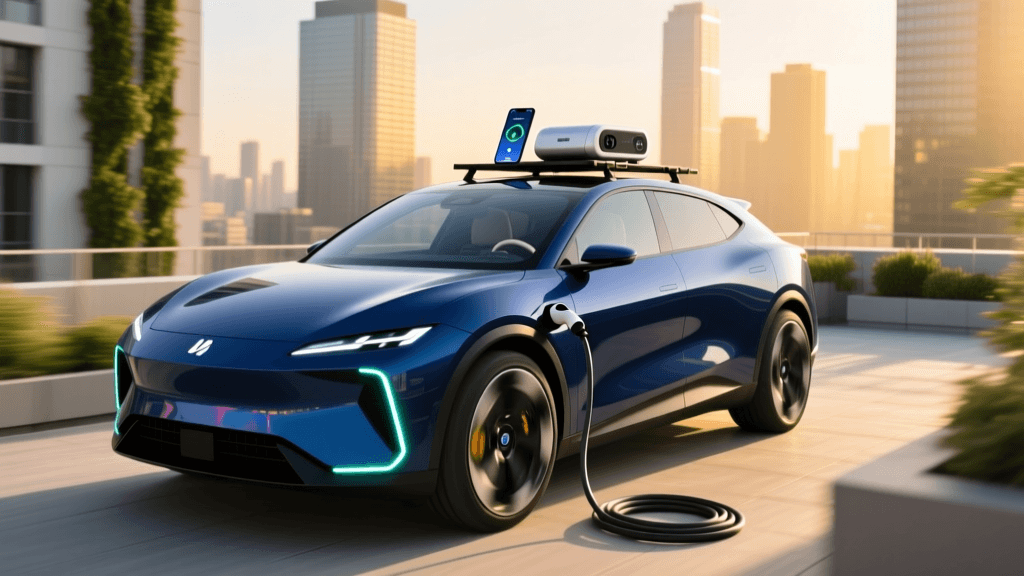
If you have a ground-floor parking spot near an exterior outlet, or a private patio, you can utilize a standard 120V household outlet. According to the DOE Residential Charging Guide, a standard 120V outlet delivers about 1.4 kW of power. While this only adds 3 to 5 miles of range per hour, plugging in for 10 hours overnight can yield up to 40 miles of range. For commuters driving less than 30 miles a day, trickle charging can entirely eliminate the need for public fast chargers during the workweek.
Step 3: Optimize Battery Health for Public Charging
Because you will rely heavily on DC Fast Charging, battery health is paramount. Set your vehicle's daily charge limit to 80%. Only charge to 100% immediately before a long road trip. Additionally, try to avoid letting your battery drop below 15% before seeking a charger, as charging speeds are significantly faster when the battery is in the 15% to 80% state of charge window.
Pro Tip: Always keep your portable Level 1 charging cable in the trunk. Even if your apartment doesn't have dedicated EV infrastructure, you may find standard 120V outlets at your workplace, a friend's house, or even emergency outlets in parking garages that can provide a crucial trickle charge in a pinch.
Navigating Landlord Rules and 'Right to Charge' Laws
If you are willing to invest in a Level 2 charger, you may be able to negotiate with your landlord or HOA. Several states, including California, Colorado, New York, and Florida, have enacted 'Right to Charge' laws. These laws prevent landlords and HOAs from unreasonably denying a tenant's request to install an EV charging station at their own expense, provided it meets safety and insurance requirements. If you live in a protected state, approach your property manager with a certified electrician's proposal that outlines the safety protocols, load management systems, and liability insurance you will provide.
Conclusion
Living in an apartment no longer disqualifies you from experiencing the benefits of electric vehicle ownership. By prioritizing vehicles with high energy efficiency, rapid 800V charging architectures, and seamless network integration—like the Tesla Model 3 and Hyundai Ioniq 6—you can bypass the need for a home garage. Combine the right vehicle with a strategic public charging routine and opportunistic 120V trickle charging, and you will find that apartment EV ownership is not just possible, but highly convenient and cost-effective.