The Data-Driven Case for Electric Sedans
When evaluating the electric vehicle market, SUVs and crossovers often dominate sales figures due to their ride height and cargo capacity. However, for drivers prioritizing maximum driving range, minimal charging times, and superior electrical efficiency, the electric sedan remains the undisputed champion. The physics of electric vehicle design heavily favor the sedan body style. By minimizing frontal area and optimizing the drag coefficient (Cd), sedans require significantly less energy to push through the air at highway speeds compared to their taller, boxier SUV counterparts.
In this data-driven comparison analysis, we rank the best electric sedans currently on the market based strictly on efficiency (miles per kWh) and total EPA-estimated driving range. We strip away the marketing fluff and focus on the raw engineering metrics that dictate how far you can go on a single charge and how much it will cost you to keep the battery full. According to the U.S. Department of Energy, electric motors are inherently more efficient than internal combustion engines, but the variance in efficiency between different EV models can drastically impact long-term ownership costs and road-trip viability.
Our Ranking Methodology: Beyond MPGe
Historically, the EPA has used MPGe (Miles Per Gallon equivalent) to help consumers transition from gas to electric. However, for data-driven EV buyers, MPGe is an abstract and largely unhelpful metric. Instead, we rank vehicles using miles per kWh (mi/kWh). This metric directly correlates to your electricity bill and provides a transparent look at the vehicle's powertrain efficiency, aerodynamic drag, and rolling resistance.
Our methodology factors in three primary data points:
- EPA Estimated Range: The total distance the vehicle can travel on a full 100% charge under standardized testing cycles.
- Energy Consumption (mi/kWh): The distance traveled per one kilowatt-hour of battery energy. Higher is better.
- Usable Battery Capacity: The total kWh available to the driver, which provides context on how the vehicle achieves its range (e.g., through a massive, heavy battery vs. lightweight aerodynamic engineering).
Data for this analysis is sourced from the official EPA Electric Vehicle Database and verified through real-world engineering teardowns and standardized highway loop testing.
Efficiency and Range Comparison Chart
Below is the structured data comparison of the top-performing electric sedans on the market. Note how vehicles with similar battery sizes can yield vastly different range outcomes based on aerodynamic and powertrain efficiency.
| Vehicle Model (Trim) | Battery Size (Usable kWh) | EPA Range (Miles) | Efficiency (mi/kWh) | Drag Coefficient (Cd) |
|---|---|---|---|---|
| Lucid Air Pure RWD | 88.0 | 419 | 4.76 | 0.197 |
| Hyundai Ioniq 6 SE LR | 77.4 | 361 | 4.66 | 0.210 |
| Tesla Model 3 RWD | 60.0 | 272 | 4.53 | 0.219 |
| BMW i4 eDrive40 | 81.5 | 301 | 3.69 | 0.240 |
| Polestar 2 LR SM | 82.0 | 276 | 3.36 | 0.278 |
Top Ranked Electric Sedans: Data Deep Dive
1. Lucid Air Pure: The 900-Volt Architecture Marvel
The Lucid Air Pure sits at the absolute pinnacle of EV efficiency and range. Achieving an astonishing 419 miles of EPA range from an 88 kWh battery pack, the Air Pure boasts an efficiency rating of 4.76 mi/kWh. This is a masterclass in electrical engineering. Lucid utilizes a proprietary 900-volt electrical architecture, which drastically reduces the current required to deliver power to the motors. Lower current means thinner, lighter wiring harnesses and significantly reduced heat generation (I-squared-R losses) in the power electronics.
Furthermore, Lucid's miniaturized drive units and industry-leading 0.197 drag coefficient allow the Air Pure to slip through the air with minimal resistance. While the starting price is steep, the cost-per-mile of range is highly competitive when factoring in the luxury segment. For data-driven buyers who want to minimize charging stops on cross-country road trips, the Lucid Air Pure is mathematically unrivaled.
2. Hyundai Ioniq 6 SE Long Range: Mastering Aerodynamics
Hyundai took a massive design risk with the Ioniq 6, adopting a retro-futuristic 'streamliner' silhouette that prioritized aerodynamics over traditional trunk proportions. The data proves this strategy was a resounding success. The SE Long Range RWD model, equipped with 18-inch aero wheels, achieves 361 miles of range and an impressive 4.66 mi/kWh efficiency.
Hyundai achieved this by incorporating active air flaps in the front bumper, a flat underbody, and a distinctive boat-tail rear deck that reduces the wake effect at highway speeds. Unlike the Lucid Air, the Ioniq 6 utilizes an 800-volt architecture (shared with the Kia EV6 and Porsche Taycan), which doesn't necessarily increase driving efficiency but allows for blistering fast-charging speeds, adding another layer of practical road-trip utility. If you want top-tier efficiency at a mainstream price point, the Ioniq 6 is the data-backed winner.
3. Tesla Model 3 Rear-Wheel Drive: The Benchmark Optimized
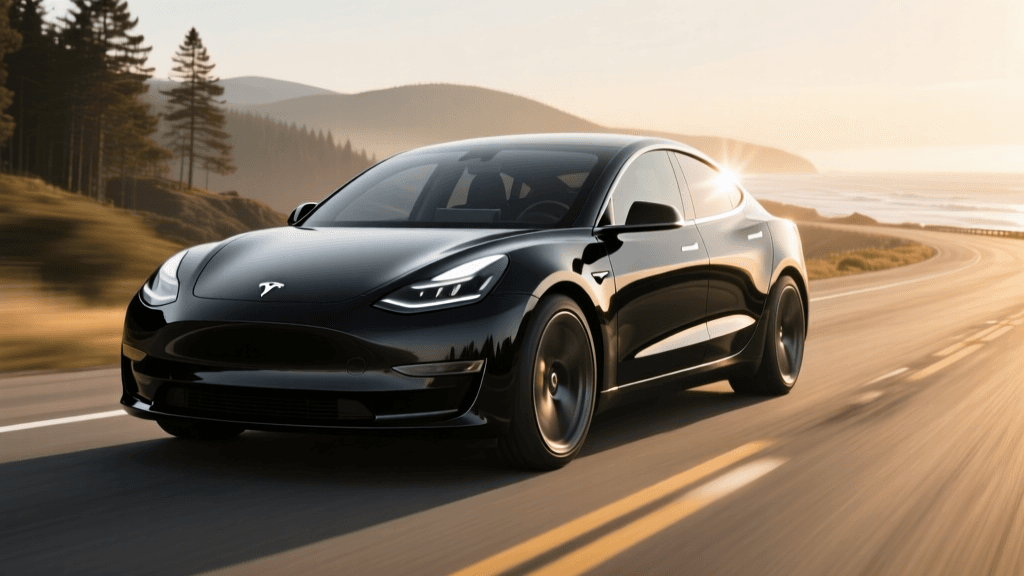
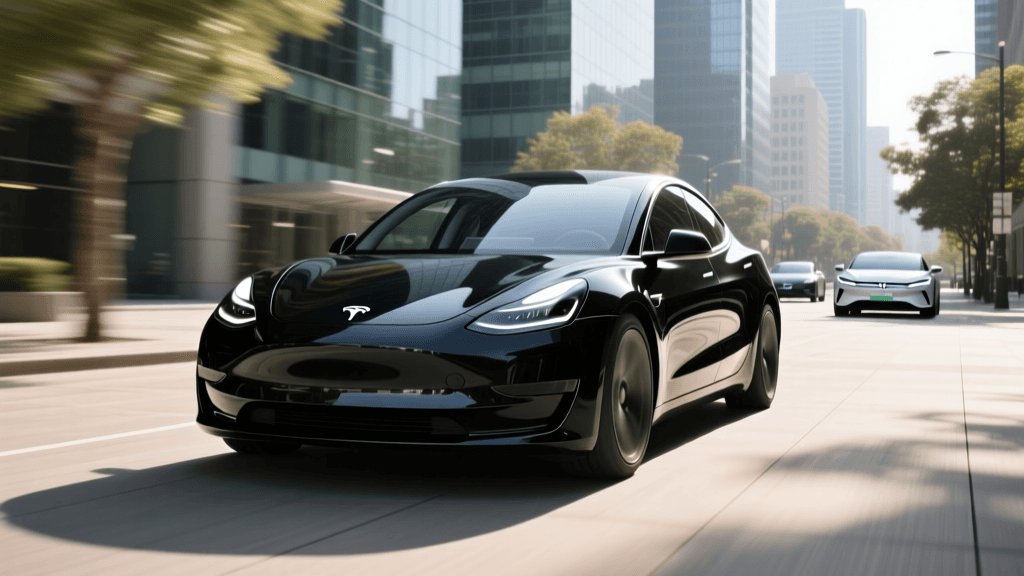
The refreshed Tesla Model 3 (Highland) continues to set the benchmark for mass-market EV efficiency. Despite utilizing a smaller, LFP (Lithium Iron Phosphate) battery pack of roughly 60 kWh, the rear-wheel-drive Model 3 extracts 272 miles of range, yielding 4.53 mi/kWh. Tesla's mastery of silicon carbide (SiC) inverters and highly integrated heat pump systems allows the vehicle to manage thermal loads with minimal energy waste.
The LFP battery chemistry is a crucial data point for buyers. While it is heavier and less energy-dense than the nickel-based chemistries found in the Lucid or Hyundai, LFP batteries can be routinely charged to 100% without degrading the long-term health of the cells. This means the 272-mile range is fully accessible on a daily basis, whereas owners of other EVs often cap their daily charge at 80% to preserve battery longevity.
Translating Efficiency into Real-World Costs
Why does mi/kWh matter to your wallet? Let's run a cost analysis based on the national average residential electricity rate of $0.16 per kWh. We will calculate the cost to 'refuel' for 1,000 miles of driving.
- Lucid Air Pure (4.76 mi/kWh): Requires 210 kWh to travel 1,000 miles. Cost: $33.60
- Hyundai Ioniq 6 (4.66 mi/kWh): Requires 214 kWh to travel 1,000 miles. Cost: $34.24
- Polestar 2 LR SM (3.36 mi/kWh): Requires 297 kWh to travel 1,000 miles. Cost: $47.52
While the difference between the Lucid and the Hyundai is negligible, the gap between the highly efficient sedans and the heavier, less aerodynamic options like the Polestar 2 results in a nearly 40% increase in home charging costs over the same distance. Over a 100,000-mile ownership cycle, prioritizing efficiency can save you hundreds of dollars in electricity, not to mention the time saved by making fewer stops at public DC fast chargers.
Actionable Advice: Maximizing Your Sedan's Efficiency
Purchasing a highly efficient electric sedan is only the first step. To ensure your real-world data matches the EPA estimates, implement the following actionable practices:
- Monitor Tire Pressure Weekly: EVs are heavy, and under-inflated tires drastically increase rolling resistance. Keep your tires inflated to the exact PSI listed on the driver's door jamb placard. A drop of just 3 PSI can reduce your mi/kWh efficiency by up to 2%.
- Manage Highway Speeds: Aerodynamic drag increases with the square of your velocity. Driving at 80 mph requires significantly more energy than driving at 70 mph. Dropping your highway cruising speed by 5 mph can yield a 10% to 15% increase in real-world range.
- Utilize Battery Preconditioning: If you are navigating to a DC fast charger, ensure your vehicle's navigation system is active. Cars like the Tesla Model 3 and Hyundai Ioniq 6 will automatically precondition the battery, bringing it to the optimal temperature for charging. This doesn't increase driving range, but it maximizes charging efficiency and reduces the time you spend tethered to the plug.
- Remove Unnecessary Cargo: While sedans have enclosed trunks, carrying heavy items like golf clubs or tools daily adds mass. Every extra 100 pounds of cargo requires more energy to accelerate and maintain speed, marginally reducing your overall mi/kWh.
Conclusion
The data is unequivocal: if your primary metrics for EV satisfaction are maximum range and electrical efficiency, the electric sedan is the superior vehicle class. The Lucid Air Pure pushes the absolute boundaries of 900-volt engineering, the Hyundai Ioniq 6 proves that mainstream aerodynamics can rival luxury tech, and the Tesla Model 3 remains the undisputed king of accessible, daily-drivable efficiency. By understanding the mi/kWh metric and applying real-world efficiency practices, you can maximize your investment and enjoy the truest expression of electric mobility.