The Urban EV Reality: Why Charging Density Matters
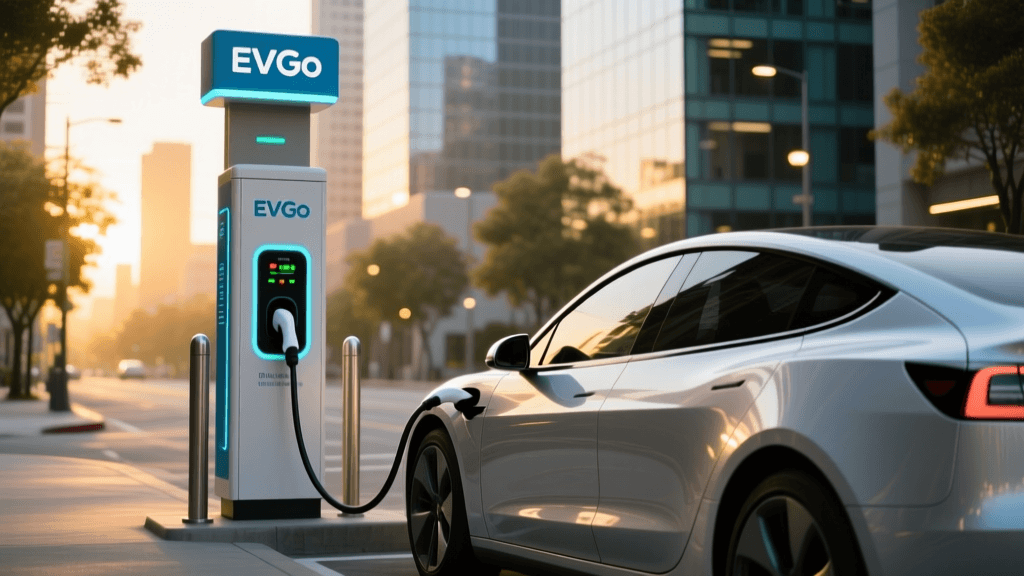
As electric vehicle adoption accelerates across the United States, the conversation among experts has shifted from 'range anxiety' to 'charging anxiety.' For urban dwellers and city commuters, the total number of chargers in a state matters far less than the localized charging density. Charging density—the concentration of public charging ports relative to population, geographic footprint, and EV adoption rates—dictates the daily convenience of owning an electric vehicle. A city might boast thousands of charging ports, but if they are clustered in affluent suburbs or restricted to private corporate campuses, the practical urban density remains frustratingly low.
In this comprehensive guide, we break down the public EV charging density across major U.S. metropolitan areas. We will analyze the metrics that actually matter, compare coastal tech hubs against sprawling Sunbelt cities, and provide expert best practices for navigating urban charging networks, whether you are driving a Tesla Model Y, a Ford F-150 Lightning, or a Hyundai Ioniq 5.
How We Measure Urban Charging Density
Before diving into the data, it is crucial to understand how industry experts evaluate charging infrastructure. Raw port counts are misleading. Instead, we rely on three core metrics to determine true city-by-city viability:
- Ports per 100,000 Residents: This normalizes the data, preventing massive cities like New York or Los Angeles from automatically skewing to the top simply due to population size.
- DC Fast Charger (DCFC) Ratio: Level 2 (L2) chargers are excellent for overnight or workplace charging, but urban density relies heavily on DCFC availability for quick 20-30 minute top-ups. A high DCFC ratio indicates a mature, rapid-turnover network.
- Curbside and Public Right-of-Way Access: In dense cities where private driveways are rare, the availability of curbside L2 chargers and public parking garage DCFC hubs is the ultimate measure of infrastructure equity.
Data for these metrics is continuously tracked by organizations like the Alternative Fuels Data Center (AFDC), which serves as the gold standard for mapping U.S. charging infrastructure.
City-by-City Public EV Charging Density Comparison
Below is a comparative analysis of five major U.S. metropolitan areas, highlighting their public charging density, DCFC penetration, and primary network dominance. Note that data reflects recent metropolitan statistical area (MSA) estimates.
| Metro Area | Est. Public Ports | DCFC Ratio | Ports per 100k | Dominant Networks |
|---|---|---|---|---|
| San Francisco Bay Area | 14,500+ | 32% | 185 | ChargePoint, Tesla, EVgo |
| Los Angeles Metro | 16,200+ | 28% | 124 | Tesla, Electrify America, Blink |
| Austin, TX | 2,800+ | 38% | 121 | Tesla, EVgo, ChargePoint |
| New York City Metro | 11,500+ | 22% | 58 | ChargePoint, FLO, Tesla |
| Chicago, IL | 4,100+ | 25% | 43 | Tesla, Electrify America, EVgo |
Deep Dive: The Coastal vs. Sunbelt Divide
The San Francisco Bay Area remains the undisputed leader in public charging density. Driven by early EV adoption mandates, high environmental consciousness, and a robust tech-savvy demographic, the Bay Area features an impressive 185 ports per 100,000 residents. Furthermore, the integration of Tesla Superchargers opening to non-Tesla EVs via the NACS (North American Charging Standard) transition has massively boosted usable DCFC density in Silicon Valley and San Jose.
Los Angeles presents a unique challenge. While it has a massive raw number of chargers, the sprawling geographic footprint of LA County dilutes the density. Drivers in Santa Monica or Pasadena enjoy incredible charging access, but those in the Inland Empire often face 'charging deserts.' The Joint Office of Energy and Transportation has been actively working with local municipalities to address these equity gaps through targeted federal funding.
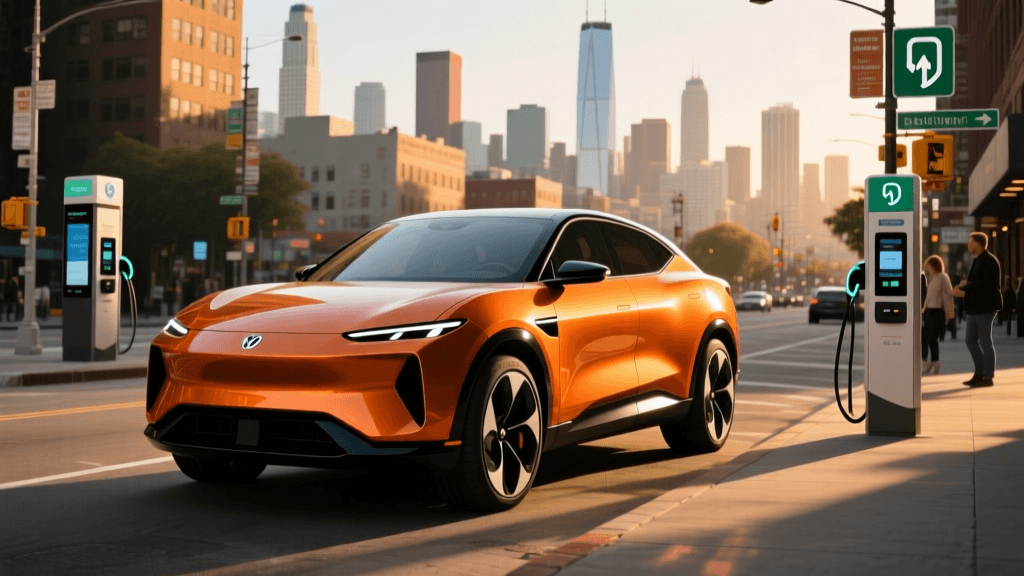
New York City suffers from the 'last-mile' density problem. With over 8 million residents and a heavy reliance on street parking, home charging is a luxury few possess. While the city is rapidly deploying curbside Level 2 chargers through initiatives like the NYC DOT curbside program, the DCFC ratio remains low compared to the West Coast. NYC EV owners must become experts at utilizing retail charging hubs and grocery store fast chargers.
Austin, Texas is the dark horse of urban charging. Despite a smaller total footprint, Austin boasts the highest DCFC ratio on our list (38%). The city's aggressive expansion of the Tesla Supercharger network (headquartered in the state) and heavy investments by EVgo in central retail corridors make it incredibly easy for apartment dwellers to fast-charge during a 30-minute grocery run.
Expert Tips for Navigating Varying City Densities
Understanding your city's density profile is only the first step. As an EV owner, you must adapt your charging strategy to the local infrastructure. Here are expert best practices for maximizing efficiency in both high-density and low-density urban environments.
1. Leverage Aggregator Apps with Reliability Filters
In high-density cities like San Francisco or LA, the problem is not finding a charger; it is finding one that actually works. Public networks like Blink and older ChargePoint L2 stations suffer from higher downtime due to vandalism or lack of maintenance. Expert tip: Use PlugShare or A Better Routeplanner (ABRP) and filter your searches by 'High Reliability Networks.' Prioritize Tesla Superchargers (now accessible to most EVs via NACS or built-in adapters), Electrify America, and EVgo for DCFC needs. Always check the user-generated comments on PlugShare before driving to a specific urban plaza.
2. Master the 'Anchor Tenant' Charging Strategy
In sprawling, lower-density cities like Chicago or the outskirts of LA, rely on the 'Anchor Tenant' strategy. Major retailers like Target, Walmart, and Whole Foods have partnered with networks like Electrify America and EVgo to install massive DCFC plazas. These locations offer high port counts (often 8 to 16 stalls), bright lighting for nighttime safety, and amenities. Plan your weekly charging around your grocery shopping to eliminate dedicated 'charging trips.'
3. Understand the NEVI Corridor Impact
The Federal Highway Administration's NEVI (National Electric Vehicle Infrastructure) Program is fundamentally changing city outskirts and highway interchanges. If you live in a lower-density urban area, familiarize yourself with the designated Alternative Fuel Corridors in your state. NEVI-funded chargers are required to have a minimum of four 150kW+ DCFC ports, ensuring that even if your immediate neighborhood lacks density, the highway on-ramps bordering your city will offer reliable, high-speed charging.
Best Practices for Urban EV Owners Without Home Charging
If you live in a dense metro area like New York City, Boston, or Philadelphia, and lack access to a private garage or driveway, public charging density is your lifeline. Here is how to thrive as a 'curbside-only' EV owner:
- Map Your L2 vs. DCFC Routine: Do not use DC Fast Chargers for your routine 20% to 80% top-ups if you can avoid it; it is more expensive and degrades the battery faster over time. Instead, locate the three closest public Level 2 hubs (e.g., municipal parking garages, public libraries, or curbside FLO/ChargePoint stations) and rotate them for weekly overnight or weekend parking.
- Utilize Workplace Charging: Many urban employers now offer subsidized or free Level 2 charging in corporate garages. If your workplace offers this, it effectively solves your urban density problem, turning your daily commute into your primary charging window.
- Invest in a Portable Granular Charger: Keep a high-quality portable EVSE (Electric Vehicle Supply Equipment) like the Lectron Vortex or Tesla Mobile Connector in your trunk. While not a replacement for public infrastructure, knowing you can plug into a standard 120V outlet in an emergency (or a 240V dryer outlet if visiting friends outside the city) provides a crucial safety net in low-density zones.
The Future of Urban Charging Infrastructure
The landscape of urban EV charging density is evolving rapidly. We are currently witnessing the transition from fragmented, proprietary networks to a more unified, NACS-dominated ecosystem. Furthermore, the deployment of ultra-fast 350kW+ chargers in urban retail centers means that the 'dwell time' at public chargers is dropping from 45 minutes to under 15 minutes for modern 800V architecture vehicles like the Kia EV6 and Porsche Taycan.
Municipalities are also experimenting with innovative density solutions, such as integrating charging ports into existing streetlight poles and deploying mobile charging vans that can be summoned via an app in dense residential neighborhoods. As federal and state funding continues to roll out through the NEVI program and local utility rebates, the gap between high-density coastal hubs and developing Sunbelt cities will steadily close.
Conclusion
City-by-city public EV charging density varies wildly across the United States, heavily influenced by local geography, early adoption rates, and municipal planning. While San Francisco and Austin lead in per-capita access and fast-charging ratios, sprawling metros like Los Angeles and dense urban centers like New York City present unique challenges that require strategic planning. By understanding your local metrics, leveraging aggregator apps, and adopting anchor-tenant charging routines, you can seamlessly navigate any urban charging network. The future of the EV transition relies not just on building more chargers, but on building them smartly, equitably, and exactly where urban drivers need them most.