The Reality of Free Retail EV Charging
When planning an EV road trip or running weekly errands, spotting a "free" charging station at a retail location feels like a major win. However, the reality of public retail charging is often fraught with hidden hurdles. From broken screens and software glitches to internal combustion engine (ICE) vehicles blocking the stalls, finding a free charger is only half the battle. Successfully using it requires a strategic, troubleshooting-first mindset.
According to the Alternative Fuels Data Center, the United States boasts tens of thousands of public charging ports, with a massive percentage located at shopping centers, grocery stores, and big-box retailers. Yet, reliability remains a moving target. Free chargers are often Level 2 stations provided as an amenity, meaning they lack the dedicated, on-site maintenance teams found at paid DC Fast Charging hubs. This guide will walk you through the most common problems encountered at free retail EV charging stations and provide actionable solutions to keep your battery topped off and your schedule intact.
Troubleshooting Hardware Failures at the Plug
The most common point of failure at a retail charging station is the physical hardware. Because these stations are often located in high-traffic parking lots, they endure significant wear and tear, weather exposure, and occasional mishandling by users unfamiliar with EV technology.
Issue: The Cable Won't Reach or is Damaged
Retail parking spaces are often wider than standard spaces, but the charging pedestals are sometimes placed awkwardly. If you pull in and the cable doesn't reach your vehicle's charge port, do not stretch the cable to its absolute limit, as this can damage the internal wiring or the connector latch. Solution: Always carry a heavy-duty, outdoor-rated J1772 extension cord (25-foot, 40-amp rated minimum) in your frunk. While extension cords are generally discouraged for Level 1 charging, a high-quality, thick-gauge Level 2 extension cord is a lifesaver for awkwardly placed retail pedestals. Inspect the public cable for deep cuts or exposed wires before plugging in; if you see copper, abandon the stall and notify the network via their app.
Issue: The Connector Latch Won't Engage
You press the J1772 plug into your car, but you don't hear the satisfying "click" of the latch, and the car refuses to initiate the charge. Solution: First, check for debris. Shopping cart dust, leaves, or ice often get lodged in the public connector. Use a quick blast of compressed air (keep a small canister in your glovebox) or a wooden toothpick to clear the latch groove. Second, ensure your vehicle is fully powered off. Some EVs will lock the charge port mechanism if the car is in "Ready" or "Drive" mode, preventing the public plug from seating correctly.
Navigating App Glitches and Activation Paywalls
Even if a retail charger is advertised as "free," it is almost always gated behind a network's software ecosystem. You will typically need a ChargePoint, EVgo, or Blink account to initiate the session, which introduces a layer of digital troubleshooting.
Issue: The App Refuses to Start the Session
You scan the QR code on the charger, the app opens, but the "Start Charge" button is greyed out or throws a network error. As outlined in the ChargePoint troubleshooting portal, connectivity drops between the pedestal's internal cellular modem and the cloud are common in sprawling retail parking lots with poor cell reception.
Solution: Do not rely solely on the QR code. If the app fails, try using an RFID network card. Tapping a physical ChargePoint or EVgo RFID card directly on the pedestal's reader bypasses the need for your smartphone's cellular connection to authorize the session. If you don't have a card, toggle your phone's Airplane Mode on and off to force a cell tower reconnect, or walk closer to the retail store entrance where Wi-Fi and cellular signals are typically stronger before hitting "Start."
Issue: The "Free" Charger Suddenly Demands Payment
You plug in, assuming the station is free, only to receive a notification that your credit card is being charged $1.50 per hour. Solution: Many retail locations partner with networks to offer free charging, but the default setting on the network's app might still attempt to bill you. Before plugging in, open the specific station's page in your app and look for the "Pricing" tab. If it shows a fee, check if the retailer requires a validation code. For example, some Whole Foods or Target locations require you to bring your charging receipt or scan a barcode inside the store to waive the fee retroactively.
Solving the ICEing and Blocked Charger Dilemma
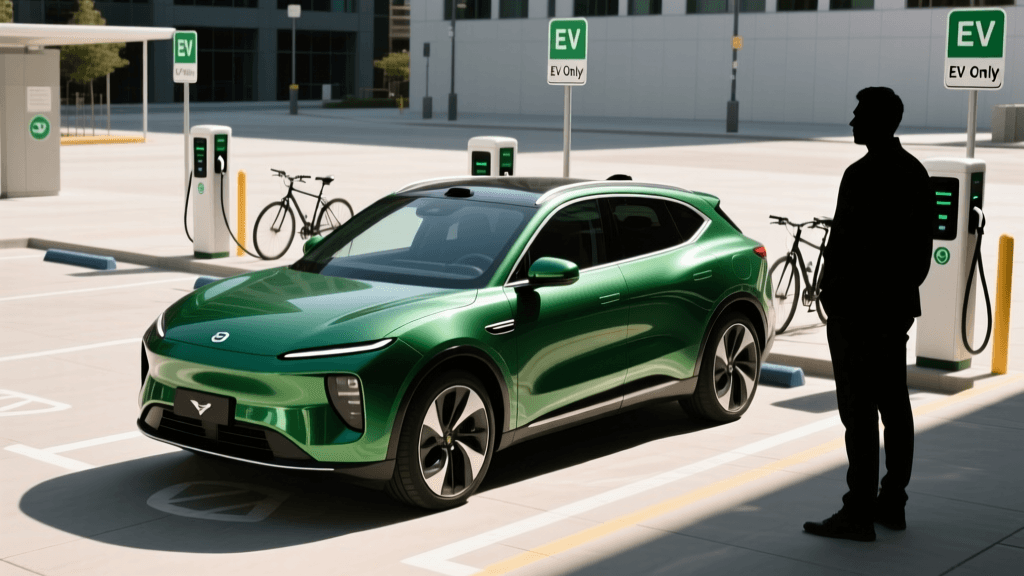
"ICEing" occurs when a gas-powered vehicle (Internal Combustion Engine) parks in an EV-only charging spot. At busy retail locations on weekends, this is an incredibly common and frustrating problem.
Issue: All Charging Spots are Blocked by Non-EVs
Solution: Never leave a passive-aggressive note; it rarely solves the immediate problem and can escalate tensions. Instead, utilize community-driven apps like PlugShare to check recent user photos and comments before you even drive to the location. If you arrive and find the spots blocked, immediately go inside the retail store. Ask for the store manager or customer service desk, and politely inform them that their designated EV amenity is being blocked, which prevents customers (you) from shopping at their store while charging. Most major retailers have internal policies requiring staff to page the offending vehicle or issue a parking warning. If the store is part of a larger mall property, contact mall security dispatch, as they have the authority to tow vehicles blocking fire lanes and EV infrastructure.
Nationwide Retail Charging Network Breakdown
Understanding the specific quirks of different retail chains can save you hours of frustration. Below is a troubleshooting cheat sheet for the most common free retail charging hosts in the United States.
| Retail Chain | Primary Network | Typical Speed | Time Limits & Gotchas |
|---|---|---|---|
| Target | ChargePoint / Tesla | Level 2 (40A - 80A) | Strict 2-hour limits. Free for the first 2 hours, then steep idle fees apply. Spots are often far from store entrances. |
| Walmart | Electrify America / EVgo | DCFC & Level 2 | Rarely free anymore. Most have transitioned to paid models. High failure rates on older EA pedestals; always check PlugShare comments. |
| IKEA | ChargePoint / Blink | Level 2 (32A) | Usually free, but requires entry into the store to validate or obtain a code from customer service. High ICEing rates on weekends. |
| Whole Foods | ChargePoint | Level 2 (40A) | Often free for the first 1-2 hours. Requires store purchase for validation in some urban locations. Cables are notoriously short. |
| Simon Malls | EVgo / ChargePoint | Level 2 & DCFC | Usually free Level 2, but located in massive parking garages. Cell service is often zero in the garage; rely on RFID cards to activate. |
Your Pre-Arrival Troubleshooting Checklist
To ensure a seamless experience when relying on free retail chargers, adopt this quick troubleshooting checklist before you even put the car in drive:
- Verify the Status: Open PlugShare or the network's native app. Filter by "Available" and read the comments from the last 7 days. If multiple users report "Screen Dead" or "Error 504," skip it.
- Check for Validation Requirements: Call the store's customer service desk or check the network app's station details to confirm if a purchase or physical validation is required to keep the session free.
- Prepare Your Hardware: Ensure your J1772 adapter, network RFID cards, and a can of compressed air are easily accessible in the cabin, not buried under luggage in the trunk.
- Have a Backup Plan: Identify the nearest paid DC Fast Charger within a 3-mile radius. If the free retail charger is broken or ICE'd, you won't have to scramble with low battery anxiety to find an alternative.
- Set a Timer: The moment you plug in, set a phone alarm for 15 minutes before the retailer's time limit expires. This prevents accidental idle fees and ensures you return to move your car before a store employee or another EV driver gets frustrated.
Free retail EV charging is a fantastic perk of electric vehicle ownership, but it requires a proactive approach. By understanding the hardware limitations, mastering the software workarounds, and knowing how to navigate retail parking lot etiquette, you can turn a potentially frustrating errand into a seamless, cost-free charging experience.