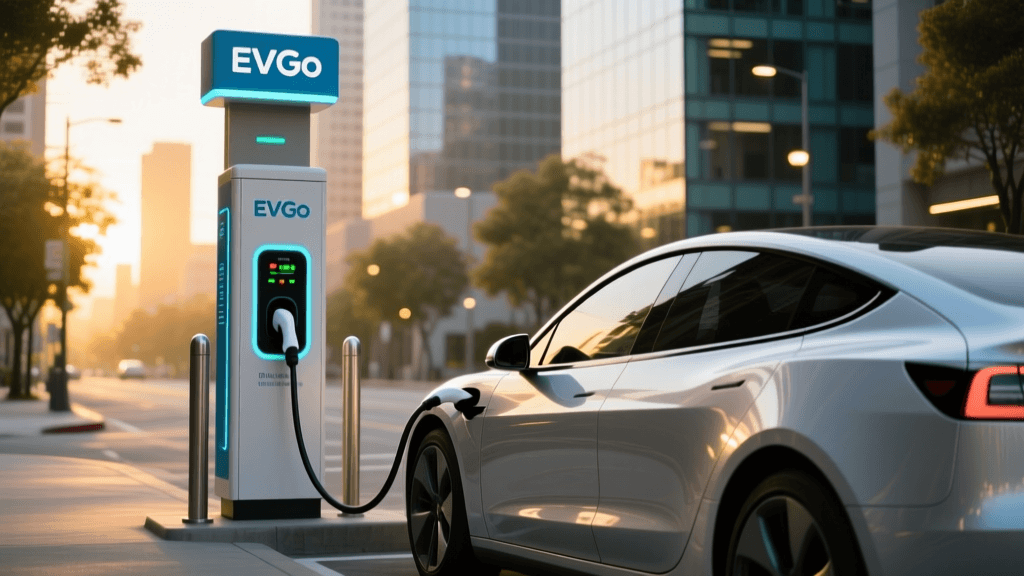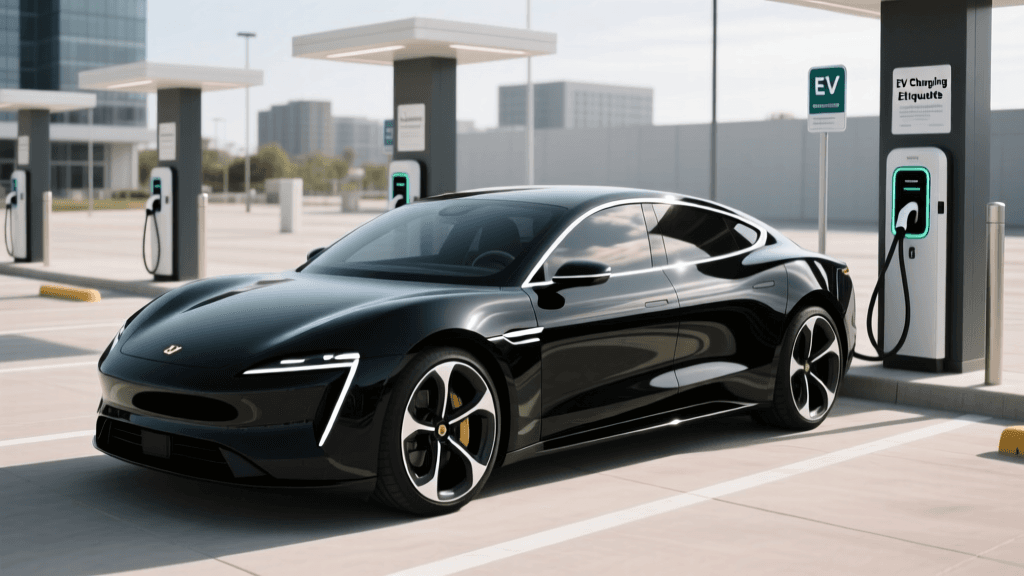
As the electric vehicle (EV) market accelerates, public charging infrastructure is expanding rapidly. However, the influx of new EV owners has led to growing pains at public charging stations. Whether you are using the Tesla Supercharger network, Electrify America, EVgo, or ChargePoint, understanding the unwritten rules of the road is critical. Poor charging etiquette not only causes unnecessary stress but can also result in hefty idle fees, damaged equipment, and heated disputes. In this expert guide, we break down the essential EV charging etiquette rules, how to navigate common disputes, and best practices to ensure a seamless experience for everyone.
Core EV Charging Etiquette Rules
1. The 80% Rule and Avoiding Charger Camping
The most critical rule of DC Fast Charging (DCFC) is to unplug and move your vehicle once you have reached a sufficient charge, typically around 80%. Lithium-ion batteries experience a drastically reduced charging speed past the 80% threshold to protect battery health and prevent overheating. Pushing from 80% to 100% on a Level 3 fast charger can take as long as charging from 10% to 80%, effectively monopolizing the stall and creating a bottleneck for other drivers. If you are on a road trip, plan your route to charge from 10% to 80%, then move on. Reserve 100% charging for Level 2 destination chargers at home or hotels, unless you absolutely need the maximum range to reach the next sparse charging corridor.
2. Never ICE or Block a Designated Spot
ICEing occurs when an internal combustion engine (ICE) vehicle parks in a designated EV charging spot, blocking access. This is not just a nuisance; it is illegal in many jurisdictions. States like California, Florida, and Washington have enacted strict anti-ICEing laws that empower law enforcement to issue citations ranging from $250 to over $500, plus towing fees. Even if you are driving an EV, do not use a charging spot as a general parking space if you are not actively charging. According to the U.S. Department of Energy Alternative Fuels Data Center, proper infrastructure utilization is key to the broader adoption of electric mobility, and blocking stalls severely hampers network reliability and public perception of EVs.
3. The Unplugging Dilemma
One of the most contentious issues in the EV community is whether it is acceptable to unplug another person's vehicle. The golden rule is: Never unplug an active, charging vehicle. Doing so can cause electrical arcing, damage the vehicle's charging port, or void warranties. However, what if a vehicle is sitting at 100%, clearly abandoned, and racking up idle fees? While some networks allow you to safely disconnect a completed session, it is highly discouraged due to the risk of confrontation. If you must unplug a finished vehicle in an absolute emergency, leave a polite, detailed note on their windshield explaining why you did so, and ensure the cable is safely holstered so it does not touch the ground.
4. Cable Management and Pedestrian Safety
Public charging cables are heavy, expensive, and easily damaged. Never let the charging connector touch the ground, as dirt, snow, and moisture can compromise the electrical contacts and cause a short circuit. Furthermore, do not stretch cables across pedestrian walkways or accessible parking aisles. This is a severe tripping hazard and may violate ADA compliance regulations. Always return the cable to its holster or resting bracket when finished to keep the station clean and operational for the next user.
Navigating Common Charging Disputes
Queue Jumping at Busy Superchargers
During peak holiday travel, stations can become heavily congested, leading to informal queues. Queue jumping is a massive flashpoint for disputes. If a line forms, communicate with other drivers. A simple wave or nod to establish who arrived next goes a long way. If someone jumps the line, avoid aggressive confrontation. Instead, politely approach their window and clarify the queue order. Most of the time, queue jumpers are simply unaware of the informal line and will correct their behavior when informed calmly.
The Adapter Blockade (NACS vs. CCS)
With the industry shifting toward the North American Charging Standard (NACS), many CCS-equipped vehicles are using adapters to access Tesla Superchargers. While this is encouraged to maximize network utility, be mindful of how your vehicle and adapter are positioned. Ensure your adapter does not block adjacent stalls or create a tripping hazard. If you are using a third-party adapter, ensure it is UL-listed and properly seated to prevent mid-charge disconnects, which can lock the stall into an error state and require a network reboot by support staff.
Network Idle Fees and Policies
To combat charger camping, major networks have implemented idle fees. These punitive charges are designed to keep stalls turning over and maximize throughput. Below is a comparison of current idle fee structures across major networks. Always check the specific station details in your network app, as franchise owners and specific locations can sometimes adjust these parameters.
| Network | Idle Fee Trigger | Standard Fee | Peak/Full Station Fee |
|---|---|---|---|
| Tesla Supercharger | After charge session ends | $0.50 / minute | $1.00 / minute (if station is 100% full) |
| Electrify America | 10 minutes after full charge | $0.40 / minute | N/A |
| EVgo | Varies by location | $0.30 - $0.50 / minute | Varies |
| ChargePoint | Set by station owner | Varies (often $1.00+) | Varies |
As detailed in Tesla's official idle fee policy, these fees are waived if you move your vehicle within a short grace period (usually 5 minutes) after receiving a push notification that your charge is complete. This grace period is standard across most networks, emphasizing the importance of keeping your phone's notifications enabled and staying within a reasonable walking distance of your vehicle while charging.
Expert Tips for a Frictionless Experience
- Use PlugShare Check-Ins: If you are leaving your car to charge while you shop or eat at a destination charger, use the PlugShare app to check in and leave a note with your estimated return time and a contact number. This transparency prevents anxiety for waiting drivers and builds community trust.
- Set In-Car Charge Limits: Always set your vehicle's charge limit to 80% when using DCFC. Many modern EVs will automatically stop the session at this limit, but setting it ensures you aren't trickled-charging up to 100% and wasting time or incurring idle fees.
- Pre-Condition Your Battery: Navigate to the charging station using your car's built-in GPS. This triggers battery pre-conditioning, warming or cooling the battery to the optimal temperature for fast charging. This reduces your time at the stall by up to 30%, minimizing the chance of disputes with waiting drivers.
- Share the Power (When Appropriate): Some older Level 2 stations share amperage between two plugs (e.g., dual J1772 posts). If the station is busy and you only need a small top-up, plug into the shared post and let another EV plug into the second connector, effectively doubling the utility of the space without overloading the circuit.
Ultimately, public EV charging requires a shift in mindset from the traditional gas station model. Gas stations are designed for high-throughput, five-minute stops. EV charging, particularly on road trips, requires planning, patience, and mutual respect. By adhering to these etiquette rules and understanding network policies, you contribute to a more efficient, reliable, and friendly charging ecosystem for all electric vehicle owners.