The Urban EV Challenge: Why Public Charging Density Matters
For suburban homeowners with dedicated garages, electric vehicle ownership is a seamless experience largely solved by a Level 2 home charger. However, for the millions of urban dwellers who rely on street parking, shared garages, or apartment living, the public charging network is their sole lifeline. In these environments, public EV charging density—the number of available charging ports relative to the local population and geographic footprint—dictates the viability of EV ownership.
Urban charging infrastructure is not just about the total number of plugs; it is about accessibility, reliability, and the ratio of DC Fast Chargers (DCFC) to Level 2 (L2) destination chargers. As cities push toward electrification mandates, understanding the city-by-city landscape is critical for daily route planning, real estate decisions, and maximizing your vehicle's uptime. According to the Alternative Fuels Data Center (AFDC), the United States has surpassed 180,000 public charging ports, but their distribution remains highly concentrated in specific metropolitan corridors.
Top US Cities Ranked by Public Charging Density
To evaluate how major urban centers stack up, we must look beyond raw totals and examine charging ports per 100,000 residents, alongside the percentage of those ports capable of DC Fast Charging. Fast charging is vital for urbanites who cannot leave their cars plugged in overnight and need to 'gas up' in 20 to 30 minutes.
| City | Est. Public Ports | Ports per 100k | DCFC Ratio | Primary Urban Networks |
|---|---|---|---|---|
| San Francisco, CA | ~2,150 | 266 | 24% | ChargePoint, Tesla, EVgo |
| Seattle, WA | ~1,450 | 196 | 19% | ChargePoint, Blink, SCL |
| Los Angeles, CA | ~5,800 | 152 | 26% | EVgo, Electrify America, Tesla |
| Austin, TX | ~1,150 | 119 | 21% | Tesla, ChargePoint, EVgo |
| New York, NY | ~4,500 | 54 | 16% | Revel, ChargePoint, EVgo |
Note: Data represents city-proper estimates and fluctuates daily as new infrastructure is deployed. Metropolitan Statistical Area (MSA) numbers are significantly higher.
Market Deep-Dives: The Leaders and The Laggards
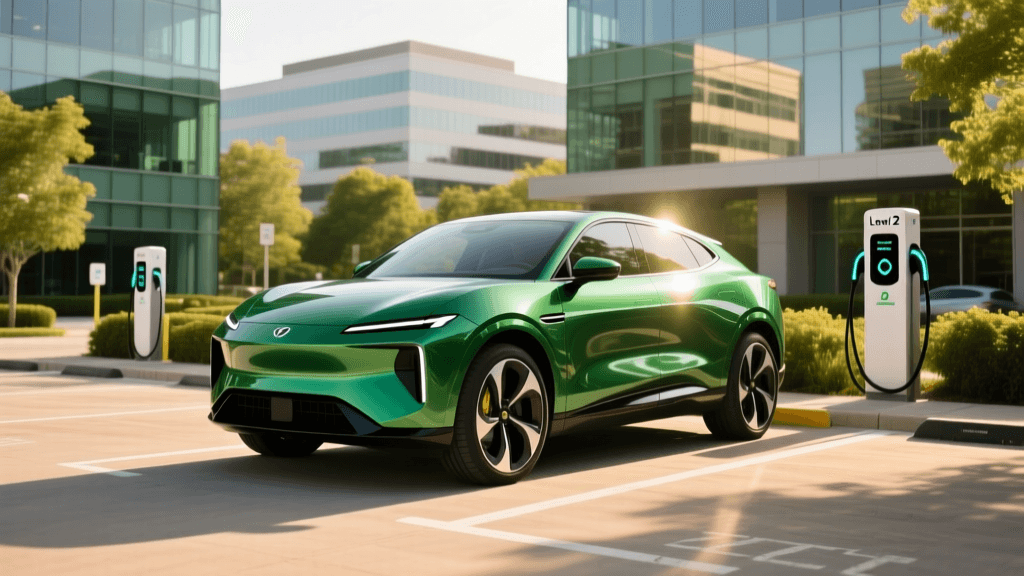
San Francisco & The Bay Area: As the historic epicenter of EV adoption, San Francisco boasts the highest per-capita charging density. However, the market is heavily skewed toward Level 2 chargers located in paid parking garages and corporate campuses. Urban street-parkers often face fierce competition for the limited number of curbside DC Fast Chargers located on the city's periphery.
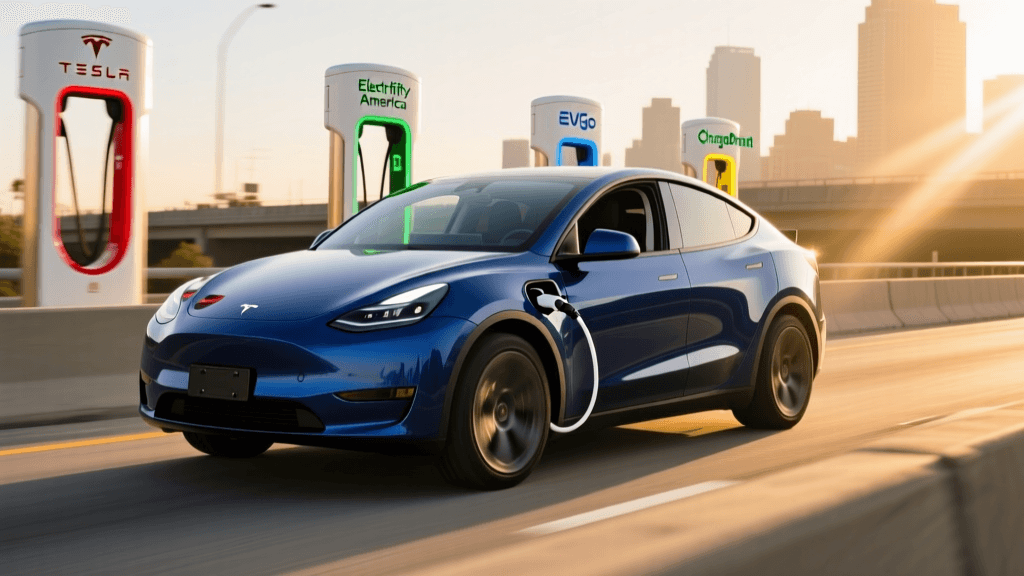
Los Angeles: LA's sprawling geography works in its favor. Unlike dense vertical cities, LA has the physical footprint to host massive multi-stall Electrify America and EVgo hubs in strip mall parking lots. The high DCFC ratio (26%) reflects a culture of 'top-up' charging during grocery runs or gym sessions.
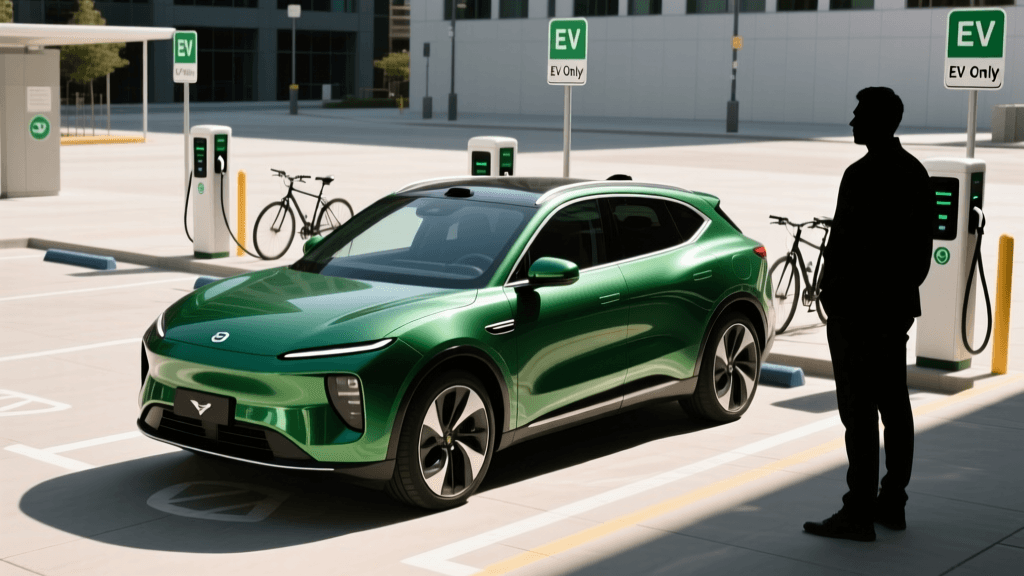
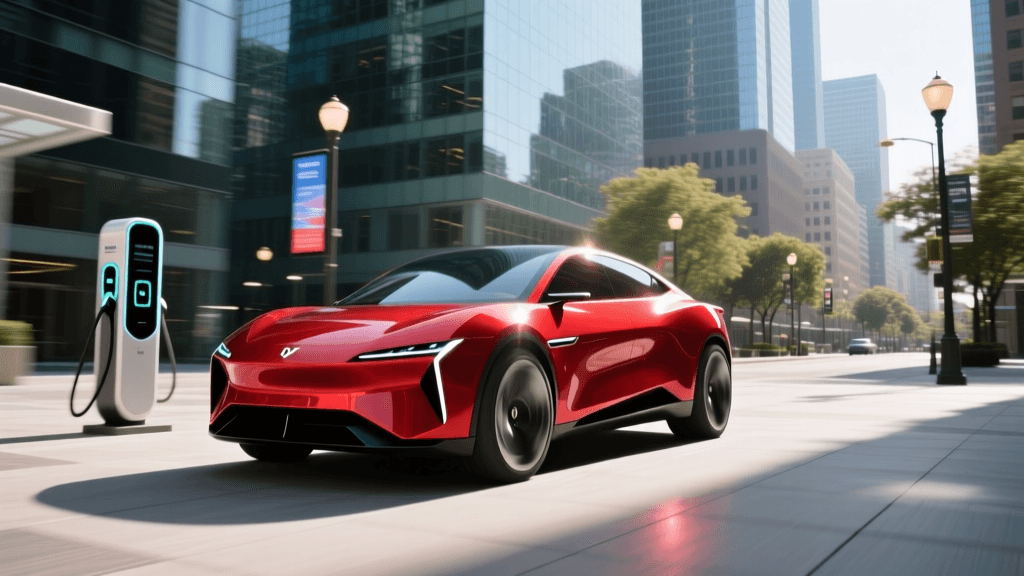
New York City: NYC presents the ultimate stress test for EV infrastructure. With a low per-capita density and a severe lack of private garages, the city is relying on innovative solutions. The NYC DOT has been aggressively installing curbside Level 2 chargers and utilizing municipal parking lots. Furthermore, networks like Revel are deploying dedicated urban fast-charging hubs designed specifically for ride-share and high-mileage urban drivers.
Expert Best Practices for Navigating Urban Charging Networks
Living in a city with lower charging density, or simply navigating the chaos of a high-density but highly competitive market, requires strategy. Here are expert tips to optimize your urban EV charging routine.
1. Master the 'Anchor Destination' Strategy
Urban EV owners should stop treating charging as a standalone errand. Instead, map out your 'anchor destinations'—places where you already spend 45 to 90 minutes on a weekly basis. Grocery stores (like Whole Foods or Target, which frequently partner with ChargePoint and Blink), fitness centers, and large retail plazas are ideal. By aligning your charging sessions with your existing routine, you eliminate the 'waiting in the car' fatigue that plagues urban EV ownership.
2. Leverage Aggregator Apps for Real-Time Intel
Never rely solely on your vehicle's native infotainment system to find a charger in a dense city. Native systems often show a charger as 'available' even if it is blocked by an internal combustion engine vehicle (ICEing) or out of order. Before diverting to a crowded downtown garage, consult PlugShare. The community-driven comments and recent photo uploads will tell you if a charger has been broken for three days or if a specific garage waives parking fees for EVs.
3. Exploit Off-Peak Pricing and Waitlist Features
Urban public charging can be prohibitively expensive, with peak DCFC rates in cities like LA and San Francisco occasionally exceeding $0.60 per kWh. To combat this, utilize networks that offer off-peak discounts. EVgo, for example, frequently offers lower rates between midnight and 6:00 AM. Additionally, utilize the 'Waitlist' features now integrated into the Electrify America and EVgo apps. If you arrive at a crowded urban hub, join the digital queue and go grab a coffee rather than circling the block, which wastes battery and time.
4. Understand the NEVI Program's Urban Impact
The U.S. Department of Energy's EV Infrastructure guidelines and the National Electric Vehicle Infrastructure (NEVI) formula program are heavily influencing where new chargers are built. While NEVI initially focused on highway corridors, the latest funding waves are explicitly targeting urban 'charging deserts' and disadvantaged communities. Keep an eye on local municipal announcements regarding NEVI-funded hubs, as these will bring high-reliability, heavily monitored DC Fast Chargers to underserved city neighborhoods.
5. Embrace Curbside and Lamppost Charging
If you live in a neighborhood with permit parking and no driveway, look into municipal curbside charging initiatives. Companies like BlueLA (in Los Angeles) and various lamppost retrofitting projects in New York and Chicago are turning streetlights into Level 2 charging ports. While L2 is slower (adding roughly 20-30 miles of range per hour), plugging in overnight at your street parking spot mimics the suburban home-charging experience and drastically reduces your reliance on expensive public fast chargers.
Conclusion: Adapting to the Urban Grid
Public EV charging density is improving rapidly, but the urban landscape remains a patchwork of highly competitive hubs and frustrating deserts. By understanding the data behind your city's infrastructure and adopting strategic charging habits—like anchor destination planning and off-peak scheduling—you can transform urban EV ownership from a daily chore into a seamless, cost-effective lifestyle. As federal and local investments continue to pour into city grids, the urban charging map will only become denser, faster, and more reliable.