The Friction of Fragmented EV Charging Payments
As electric vehicle (EV) adoption accelerates globally, the public charging infrastructure is expanding to meet the demand. However, while the number of charging stalls is increasing, the user experience—specifically regarding payment methods and network applications—remains a significant point of friction. Unlike the universal, seamless experience of pumping gasoline and tapping a credit card, public EV charging currently requires drivers to navigate a fragmented ecosystem of proprietary mobile apps, RFID cards, pre-funded digital wallets, and subscription tiers. For the modern EV owner, cross-country road trip planning is no longer just about mapping out kilowatt-hours and range; it is equally about managing a digital portfolio of charging accounts.
The industry recognizes this pain point. According to recent consumer satisfaction studies, the ease of payment and charging initiation is consistently ranked among the top factors influencing public charging satisfaction, often trailing only behind charger reliability and speed. As we look toward the future of smart driving and electric mobility, the payment layer is undergoing a massive technological and regulatory transformation. From the widespread adoption of the ISO 15118 'Plug & Charge' standard to federal mandates requiring physical credit card readers, the way we pay for electrons is about to change forever.
Head-to-Head: Major Network App and Payment Comparison
To understand where the industry is heading, we must first analyze the current landscape. Below is a comparison of the 'Big Four' public charging networks in North America, detailing their app ecosystems, payment friction points, and support for emerging technologies.
| Network | Primary App Feature | Subscription Tier | Plug & Charge Support | Physical Credit Card Reader |
|---|---|---|---|---|
| Electrify America | Real-time stall status, Pass+ auto-billing | Pass+ ($4/mo) | Yes (Limited vehicles) | Retrofitting on new NEVI sites |
| EVgo | Autocharge+, reservation system | Autocharge+ ($0/mo) | Yes (Broad adoption) | Widespread on newer stalls |
| ChargePoint | Waitlists, unified account balance | N/A (Pay-as-you-go) | Yes (Expanding) | Standard on most new hardware |
| Blink | Blink Membership, RFID card sync | Blink Member (Free) | No | Available on select new units |
The Subscription Wars: Electrify America vs. EVgo
Currently, networks incentivize app downloads by offering steep discounts on per-kilowatt-hour (kWh) pricing for users who sign up for monthly subscriptions or create free accounts. For example, Electrify America offers a 'Pass+' subscription for $4.00 per month, which reduces the average charging cost from roughly $0.48/kWh for guest users to $0.25/kWh for subscribers. Similarly, EVgo offers 'Autocharge+' which requires no monthly fee but requires linking a payment method to the app, dropping prices from an average of $0.35/kWh to $0.27/kWh. While these discounts are attractive to early adopters, they create a high barrier to entry for casual EV drivers or those renting electric vehicles, who are often forced to pay exorbitant 'guest' rates or spend 15 minutes downloading an app and verifying an email address in a rainstorm just to initiate a charge.
The Game Changer: Plug & Charge and ISO 15118
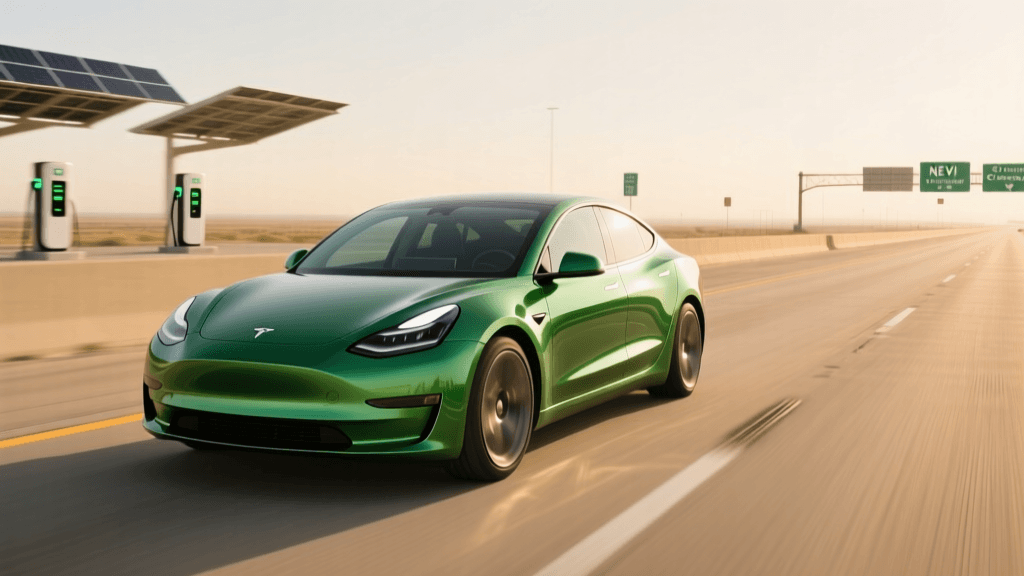
The ultimate solution to app fatigue is a technology known as 'Plug & Charge,' which is governed by the ISO 15118 international standard. Pioneered by the Tesla Supercharger network, Plug & Charge allows the vehicle and the charging station to communicate securely the moment the cable is connected. The charger reads the vehicle's unique digital certificate, automatically identifies the driver's billing account, initiates the charging session, and processes the payment upon completion—without the driver ever needing to open a mobile app, swipe a card, or tap an RFID fob.
The Charging Interface Initiative (CharIN), the global association driving the ISO 15118 standard, notes that the latest iteration, ISO 15118-20, supports not only basic Plug & Charge but also advanced smart charging features, bi-directional power flow, and encrypted payment data transfer. Networks like Electrify America and EVgo have begun rolling out Plug & Charge compatibility, though it currently requires specific vehicle-to-infrastructure (V2I) handshakes. For instance, a Ford Mustang Mach-E or a Porsche Taycan can utilize Plug & Charge at participating Electrify America stations, but legacy EVs lacking the necessary telematics control unit (TCU) security certificates are left out. As automakers update their software stacks and networks upgrade their firmware, Plug & Charge is expected to become the default payment method for premium and mid-tier EVs by 2027.
Federal Mandates and the Tap-to-Pay Revolution
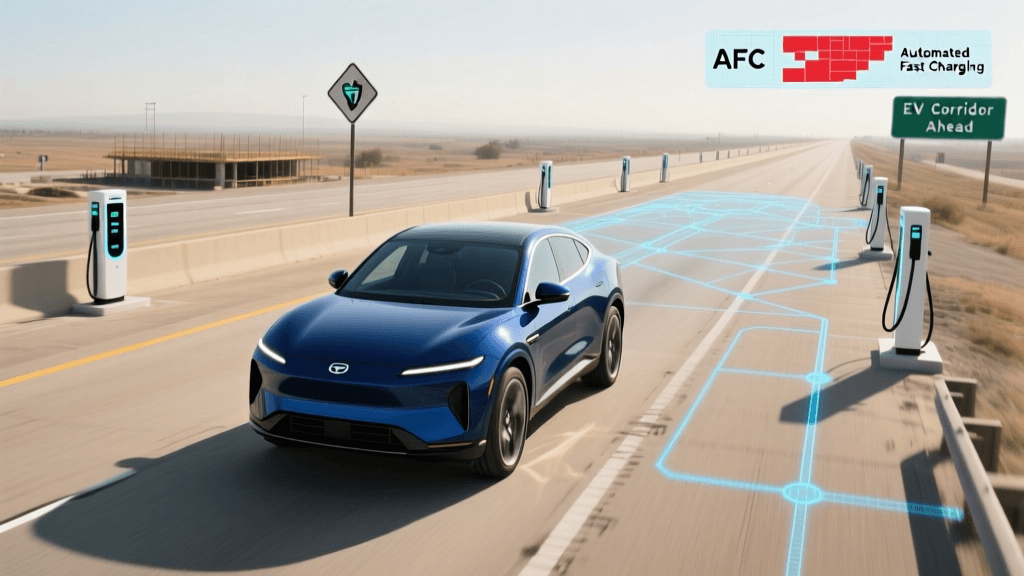
While Plug & Charge represents the high-tech future, the immediate regulatory push is focused on basic accessibility and universal payment methods. Under the National Electric Vehicle Infrastructure (NEVI) Formula Program, the U.S. government is allocating $5 billion to states to build out a cohesive charging network along highway corridors. To receive these federal funds, charging stations must meet strict minimum standards.
In early 2023, the U.S. Department of Transportation announced final NEVI standards that explicitly require all federally funded chargers to offer multiple payment methods. Crucially, this includes the mandate for physical credit and debit card readers that do not require a smartphone, app, or cellular connection to operate. This is a massive shift for the industry. Legacy charging hardware was often built without payment terminals to reduce upfront capital expenditures, relying entirely on Wi-Fi-connected apps. Retrofitting existing stations with secure, weatherproof payment terminals from companies like Nayax or Valitor costs networks thousands of dollars per stall, but it guarantees that the charging experience will mirror the familiarity of a traditional gas station. By 2030, it will be virtually impossible to find a public DC Fast Charger in the United States that does not accept a physical tap-to-pay credit card.
Backend Roaming: The Invisible Payment Layer
Between the app-heavy present and the Plug & Charge future lies the critical bridge of backend eRoaming. Platforms like Hubject act as the digital clearinghouses for the EV charging world, allowing different networks to share authentication and billing data seamlessly. This is why a driver can open the FordPass or GM Energy app, locate an Electrify America or EVgo station, and initiate the charge using their native automaker app. The backend roaming agreement handles the complex financial settlement between the automaker and the charging network.
From an industry outlook perspective, eRoaming will drastically reduce the number of apps an EV driver needs to maintain. Instead of downloading five different network apps, drivers will likely rely solely on their vehicle's native infotainment system or their automaker's companion app, which will aggregate roaming networks into a single, unified billing statement. This consolidation is vital for the mass market, as it shifts the burden of network management from the consumer to the automaker.
Future Outlook: V2G Billing and Biometric Authentication
Looking further ahead to the 2030s, the payment ecosystem will have to adapt to Vehicle-to-Grid (V2G) technology. When EVs begin selling power back to the grid during peak demand hours to stabilize local electrical loads, the payment flow becomes bi-directional. The charging station will no longer just bill the driver; it will owe the driver money. This will require highly sophisticated, real-time micro-transaction payment gateways integrated directly into the vehicle's battery management system (BMS) and the utility's smart grid ledger.
Additionally, as vehicles become more integrated with smart city infrastructure, biometric payments may emerge. Imagine pulling up to a charging stall, and the station's camera recognizes your vehicle's license plate or your face through the windshield, automatically linking to your digital wallet and initiating the charge. While privacy concerns will need to be addressed, the convenience factor aligns perfectly with the autonomous and smart driving trends shaping the next decade of automotive engineering.
Actionable Advice for Today's EV Buyers
For consumers navigating this transitional period in charging infrastructure, understanding the payment landscape is just as important as understanding battery chemistry. Here is actionable advice for managing EV charging payments today:
- Audit Your Subscriptions: If you frequently travel on specific corridors, calculate your monthly kWh consumption. Paying $4.00 a month for Electrify America's Pass+ or utilizing EVgo's Autocharge+ can save you over $50 per month on road trips compared to guest pricing.
- Verify Plug & Charge Compatibility: Before purchasing a new EV, ask the dealer specifically if the vehicle's onboard charger supports ISO 15118 Plug & Charge, and verify which local networks currently support the handshake for that specific brand.
- Keep a Backup RFID Card: Cellular dead zones at remote charging stations can render mobile apps useless. Always keep the physical RFID cards provided by networks like ChargePoint and Blink in your glovebox as an analog backup.
- Leverage Automaker Roaming: Check if your vehicle's manufacturer has a roaming agreement with major networks. Using your native car app to charge at third-party stations often unlocks hidden discounts and eliminates the need to manage third-party digital wallets.
By staying informed about the DOE's NEVI program rollouts and the expansion of ISO 15118, EV owners can minimize payment friction and maximize the efficiency of their electric driving experience. The days of juggling five different charging apps are numbered; the future is automated, seamless, and universally accessible.