The Evolution of Home EV Charging: From Dumb Pipes to Smart Grid Nodes
The electric vehicle revolution is no longer just about the cars; it is fundamentally about the infrastructure that powers them. As EV adoption accelerates, the home charging ecosystem is undergoing a massive paradigm shift. Historically, a home EV charger was simply a 'dumb pipe'—a non-connected appliance that delivered electricity from your breaker panel to your car's battery. Today, the industry is rapidly pivoting toward WiFi-enabled smart chargers that act as interactive nodes on a broader energy grid. But does this mean non-connected chargers are obsolete? Not necessarily. Understanding the future trends of grid integration, dynamic time-of-use (TOU) rates, and Vehicle-to-Grid (V2G) technology is critical for buyers deciding between a WiFi-enabled smart charger and a traditional non-connected model.
WiFi-Enabled Smart Chargers: The Backbone of Tomorrow's Grid
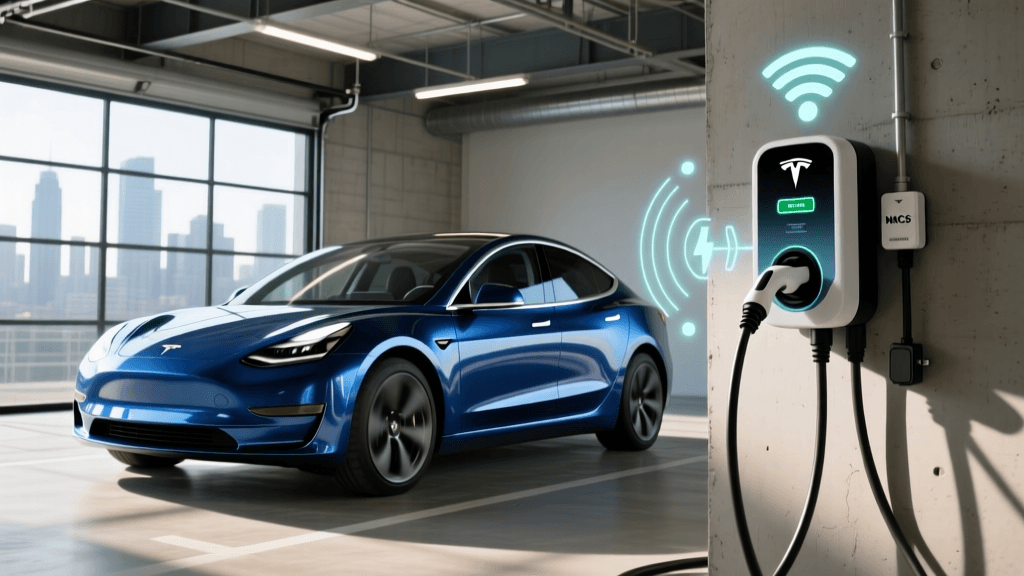
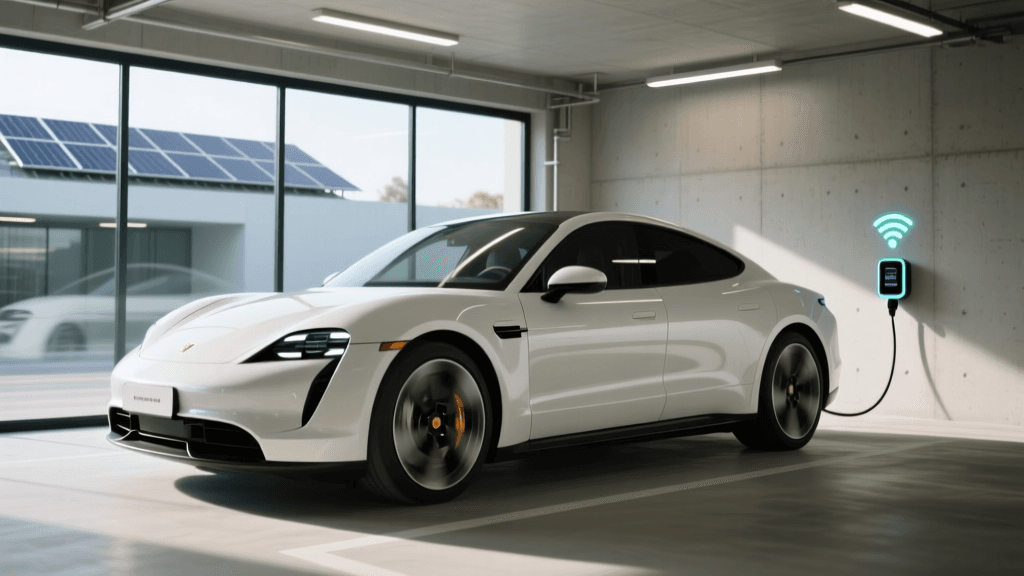
WiFi-enabled Level 2 chargers, such as the ChargePoint Home Flex, Wallbox Pulsar Plus, and Emporia Vue EV Charger, represent the vanguard of home energy management. These devices connect to your home network, allowing them to communicate with utility grids, solar inverters, and smart home ecosystems. The primary driver for this connectivity is the rise of dynamic Time-of-Use (TOU) electricity rates. Utilities are increasingly penalizing peak-hour energy consumption while heavily discounting off-peak rates. A smart charger can automatically delay charging until rates drop to their lowest point, saving EV owners hundreds of dollars annually without requiring manual intervention.
Furthermore, smart chargers are becoming essential for solar integration. Models like the Wallbox Pulsar Plus offer 'Eco-Smart' features that detect surplus energy generated by your home's solar panels and divert it exclusively to your EV. This ensures your car is charged with 100% green energy, completely isolated from the grid. According to the U.S. Department of Energy's Alternative Fuels Data Center, integrating Level 2 smart charging with home renewable energy systems is a primary strategy for reducing the overall carbon footprint of EV ownership while alleviating strain on local transformers.
Non-Connected Chargers: The Reliable Workhorses
Despite the allure of smart features, non-connected (or 'dumb') chargers retain a significant and loyal market share. Products like the Grizzl-E Core, Lectron V-BOX Pro, and the Amazon Basics Level 2 Charger operate entirely offline. You plug them in, and they deliver maximum amperage immediately. The biggest advantage of non-connected chargers is absolute reliability. They do not suffer from firmware bugs, WiFi dropouts, cloud server outages, or app glitches. For EV owners living in rural areas with spotty internet connectivity, or those who keep their chargers in detached garages or far-flung driveways where WiFi signals fail to reach, a non-connected unit is often the most practical choice.
Additionally, non-connected chargers are generally less expensive upfront and offer enhanced privacy for users wary of data tracking. Because they do not transmit telemetry data to third-party servers, they appeal to privacy-conscious consumers. However, as utility companies begin to mandate smart chargers for participation in rebate programs, the purely offline charger may soon be relegated to a niche, budget-friendly, or off-grid market segment.
Head-to-Head Comparison: Smart vs. Non-Connected
To understand how these two categories stack up against the demands of modern EV ownership, consider the following feature breakdown:
| Feature | WiFi-Enabled (e.g., ChargePoint, Wallbox) | Non-Connected (e.g., Grizzl-E Core, Lectron) |
|---|---|---|
| Average Cost (Hardware) | $550 - $750 | $350 - $450 |
| App Control & Scheduling | Yes (Remote start/stop, amperage adjustment) | No (DIP switch or physical dial adjustment only) |
| TOU Rate Optimization | Automated via utility API or app scheduling | Manual (Requires setting delay-charge in the car's infotainment system) |
| Solar Surplus Matching | Yes (With compatible inverters/meters) | No |
| Utility Rebate Eligibility | High (Often required for demand-response programs) | Low (Usually excluded from smart-grid rebates) |
| Reliability & Offline Use | Moderate (Dependent on network/cloud stability) | Exceptional (Plug-and-play, zero network dependency) |
Future Trends Shaping the EV Charger Market
The debate between WiFi and non-connected chargers will ultimately be settled by the evolution of the electrical grid. The most significant future trend is Vehicle-to-Grid (V2G) and Vehicle-to-Home (V2H) bidirectional charging. Bidirectional charging allows your EV battery to act as a backup generator for your home during a blackout, or to sell power back to the grid during peak demand events. The National Renewable Energy Laboratory (NREL) highlights in their Vehicle-Grid Integration research that bidirectional capabilities and smart grid nodes will be essential for stabilizing local power grids as EV penetration exceeds 30% in major metropolitan areas.
V2G and V2H require sophisticated, two-way communication protocols between the car, the charger, and the utility. Non-connected chargers are physically incapable of facilitating this. As automakers like Ford (with the F-150 Lightning), General Motors (with Ultium-based vehicles), and Hyundai (with the Ioniq 5) roll out bidirectional capabilities, the market will aggressively pivot toward WiFi-enabled, OCPP-compliant (Open Charge Point Protocol) smart chargers that can manage these complex energy flows.
Another emerging trend is the integration of Matter and Thread smart home standards. Future WiFi chargers will not just connect to a proprietary app; they will integrate seamlessly into Apple Home, Google Home, and Amazon Alexa ecosystems via local mesh networks. This will reduce reliance on cloud servers, mitigating one of the primary reliability complaints associated with current WiFi chargers. Furthermore, utility companies are increasingly offering 'managed charging' programs. In exchange for a massive discount on the charger hardware or a monthly bill credit, utilities require the charger to be WiFi-enabled so they can temporarily throttle charging speeds during extreme heat waves or grid emergencies. Non-connected chargers will simply be locked out of these lucrative financial incentives.
Actionable Buyer Advice: Which Should You Choose?
When evaluating your next Level 2 home charging setup, your decision should be dictated by your local utility environment, your home's internet infrastructure, and your long-term energy goals.
- Choose a WiFi-Enabled Smart Charger if: You live in an area with aggressive Time-of-Use (TOU) rates, you have (or plan to install) rooftop solar panels, your utility offers demand-response rebates, or you plan to purchase a bidirectional-capable EV in the next five years. The Wallbox Pulsar Plus is highly recommended for solar integration, while the ChargePoint Home Flex remains the gold standard for utility API compatibility.
- Choose a Non-Connected Charger if: You live in a rural area with unreliable broadband, your charger will be installed in a detached garage or metal-walled barn where WiFi cannot penetrate, you are on a flat-tier electricity rate where scheduling offers no financial benefit, or you simply want a rugged, zero-maintenance device. The Grizzl-E Core is the undisputed king of this category, offering extreme weather resilience and a bulletproof aluminum enclosure.
Ultimately, while non-connected chargers offer unmatched simplicity today, the future of home charging is undeniably connected. As the grid becomes more dynamic and EVs evolve into rolling power plants, the WiFi-enabled smart charger will transition from a premium luxury to an absolute household necessity.