The Evolution of Home EV Charging: From Plug to Platform
The transition to electric vehicles is no longer just about replacing the internal combustion engine; it is about integrating millions of mobile batteries into a delicate, aging electrical grid. As we look toward the future of home charging infrastructure, a distinct divide has emerged in the market: WiFi-enabled smart chargers versus non-connected, analog chargers. For early EV adopters, the primary concern was simply getting a 240-volt NEMA 14-50 outlet installed in the garage to achieve Level 2 charging speeds. However, as EV penetration crosses the 10% threshold in major markets, the industry outlook is shifting rapidly. Utility companies, grid operators, and smart home ecosystems are beginning to dictate the hardware we install on our walls. Understanding the trajectory of WiFi-enabled versus non-connected EV chargers is critical for making a future-proof investment today.
WiFi-Enabled Smart Chargers: The Backbone of the Future Grid
Smart chargers, such as the ChargePoint Home Flex, Emporia Level 2, and JuiceBox Pro, are essentially IoT (Internet of Things) devices that happen to deliver electricity. They connect to your home network via 2.4GHz WiFi or Ethernet, allowing them to communicate not just with your smartphone, but with utility servers and smart home hubs. From an industry outlook perspective, these devices are the foundational nodes of the future smart grid.
The most significant future trend driving smart charger adoption is the Open Charge Point Protocol (OCPP). According to the Open Charge Alliance, the rollout of OCPP 2.0.1 is standardizing how chargers communicate with central management systems, enabling advanced security profiles, smart charging logic, and seamless integration with renewable energy sources. When you install an OCPP-compliant WiFi charger, you are future-proofing your home for utility demand response programs, where your charger will automatically throttle amperage during peak grid stress events in exchange for financial credits on your electricity bill.
Non-Connected Analog Chargers: Reliability in an Unpredictable World
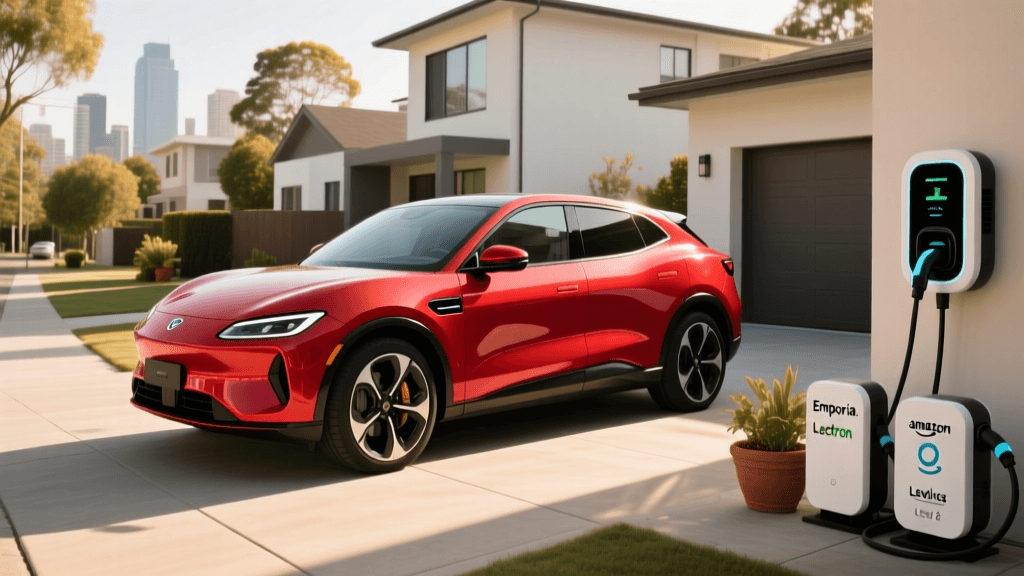
On the other side of the spectrum are non-connected, "dumb" chargers like the Grizzl-E Standard, Lectron V-BOX, and Emporia's basic J1772 models. These units lack WiFi modules, companion apps, and firmware update capabilities. They operate on a simple analog handshake: the EV requests power, and the charger delivers it up to its maximum rated capacity (typically 40 to 48 amps on a 60-amp circuit).
While tech enthusiasts often dismiss analog chargers as outdated, industry analysts note a growing counter-trend focused on extreme reliability and cybersecurity. A non-connected charger cannot suffer a cloud server outage, a failed firmware update, or a WiFi router password change that bricks your morning commute. Furthermore, as IoT vulnerabilities become a larger concern in the automotive sector, an air-gapped, analog charger presents zero cyber attack surface to malicious actors looking to manipulate local grid loads.
Feature & Future-Proofing Comparison
| Feature / Metric | WiFi-Enabled (e.g., ChargePoint Home Flex) | Non-Connected (e.g., Grizzl-E Standard) | Future Grid Impact |
|---|---|---|---|
| Max Amperage | Up to 50A (Hardwired) / 40A (Plug-in) | Up to 40A (NEMA 14-50 Plug-in) | Higher amps require smart load balancing to avoid tripping main panels. |
| Utility Rebates | Eligible for Demand Response & TOU rebates | Generally ineligible for smart grid rebates | Utilities will increasingly mandate WiFi for financial incentives. |
| V2G / V2H Readiness | High (Requires digital handshake & OCPP) | None (Hardware incapable of bidirectional flow) | Essential for future home backup power and grid selling. |
| Offline Reliability | Moderate (Depends on local network stability) | Exceptional (Pure analog plug-and-charge) | Analog wins in rural areas with poor broadband infrastructure. |
| Energy Tracking | Granular, down to the kWh per session | None (Requires external smart breaker) | Crucial for solar-integrated homes and EV tax credit auditing. |
The Impact of Utility Demand Response Programs
The most immediate financial impact of the WiFi versus analog debate lies in utility rebates and Time-of-Use (TOU) rates. As the U.S. Department of Energy outlines, time-based rates are expanding nationwide to incentivize off-peak electricity usage. However, utilities are moving beyond simple TOU pricing into active Demand Response (DR) programs.
In states like California, Colorado, and Minnesota, utilities are offering substantial rebates—sometimes covering the entire cost of the hardware and installation—but with a strict catch: the charger must be WiFi-enabled and enrolled in their managed charging program. During a summer heatwave, the utility will send a signal over WiFi to your ChargePoint or Emporia charger, reducing the charging speed from 48 amps down to 12 amps to prevent a localized blackout. If you own a non-connected Grizzl-E, you are entirely locked out of these lucrative grid-interactive rebate programs, effectively making the "cheaper" analog unit more expensive in the long run.
V2G and V2H: The Bidirectional Horizon
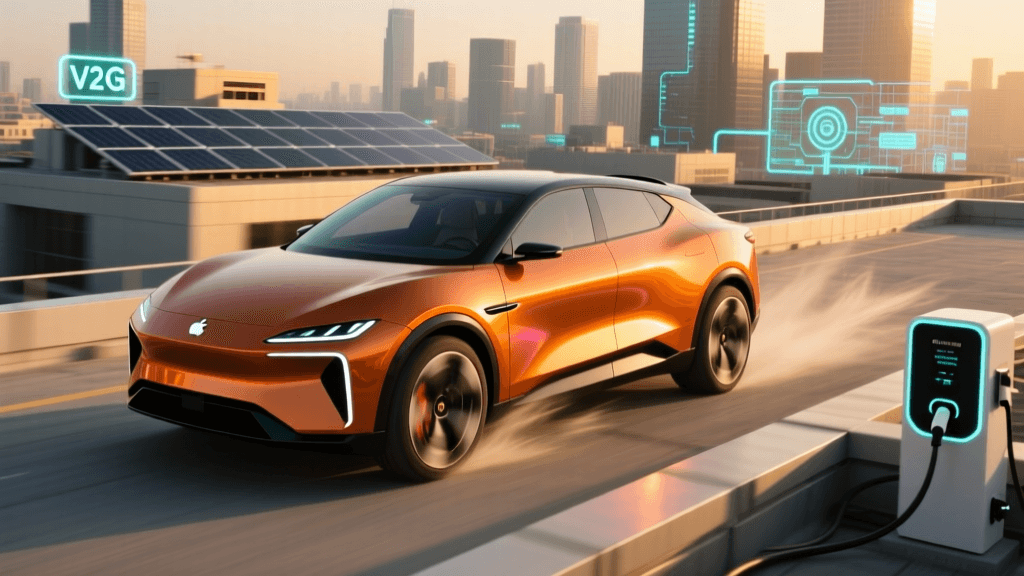
Looking five to ten years into the future, the industry is racing toward Vehicle-to-Grid (V2G) and Vehicle-to-Home (V2H) capabilities. Bidirectional charging transforms your EV into a rolling home battery, capable of powering your house during an outage or selling electrons back to the grid when prices spike. According to research by the National Renewable Energy Laboratory (NREL), successful vehicle-grid integration requires complex, two-way digital communication between the vehicle's onboard charger, the EVSE (charging station), and the grid operator.
An analog, non-connected charger is physically and digitally incapable of facilitating this handshake. If you plan to eventually purchase a bidirectional-capable EV (like the Ford F-150 Lightning, Hyundai Ioniq 5, or upcoming Tesla Cybertruck variants) and utilize a bidirectional Wallbox or Quasar charger, a robust, WiFi-connected network ecosystem is an absolute prerequisite. Buying a non-connected charger today may necessitate a complete hardware replacement when you upgrade to a V2H-capable vehicle tomorrow.
Cybersecurity vs. Uptime: The Hidden Trade-off
Despite the overwhelming grid benefits of smart chargers, the future outlook must also address the growing threat landscape of IoT devices. A WiFi-enabled EV charger is a computer sitting on your home network. If not properly secured with WPA3 encryption and regular firmware patches, it can serve as a backdoor for malicious actors to access your home network or, on a macro scale, be weaponized in a botnet to destabilize local power grids.
This is why the industry is seeing a niche but vocal demand for premium non-connected chargers built with military-grade physical durability, like the Grizzl-E Smart (which can be operated in a strictly offline mode) or the ruggedized Lectron models. For homeowners in areas with frequent internet outages, extreme weather, or strict privacy concerns, the "dumb" charger remains a bastion of guaranteed uptime. You plug it in, and it charges. There are no servers to ping, no cloud APIs to authenticate, and no software bugs to patch.
Actionable Advice: Which Path Should You Take?
When deciding between a WiFi-enabled and non-connected EV charger, base your decision on your local utility landscape, your home's internet reliability, and your future vehicle plans.
- Choose a WiFi-Enabled Charger (e.g., ChargePoint Home Flex, Emporia Vue) if: Your local utility offers managed charging rebates or aggressive TOU rates; you have solar panels and want to track exact EV energy consumption; you plan to adopt bidirectional V2H technology in the next 5 years; or you have a stable home mesh WiFi network that reaches your garage.
- Choose a Non-Connected Charger (e.g., Grizzl-E Standard, Lectron V-BOX) if: You live in a rural area with unreliable broadband; you are installing an outdoor charger in an extreme climate where you want zero software-related points of failure; you prioritize absolute data privacy; or you are on a strict upfront budget and your utility does not mandate smart chargers for basic EV rate plans.
Ultimately, the future of the EV industry is undeniably connected. As the grid becomes more decentralized and reliant on distributed energy resources, the WiFi-enabled smart charger will transition from a premium luxury to a baseline utility requirement. While analog chargers will always hold a place for their rugged simplicity, investing in a smart, OCPP-compliant Level 2 charger today is the most effective way to future-proof your garage for the automotive ecosystem of tomorrow.