The Case for Budget Level 2 Charging
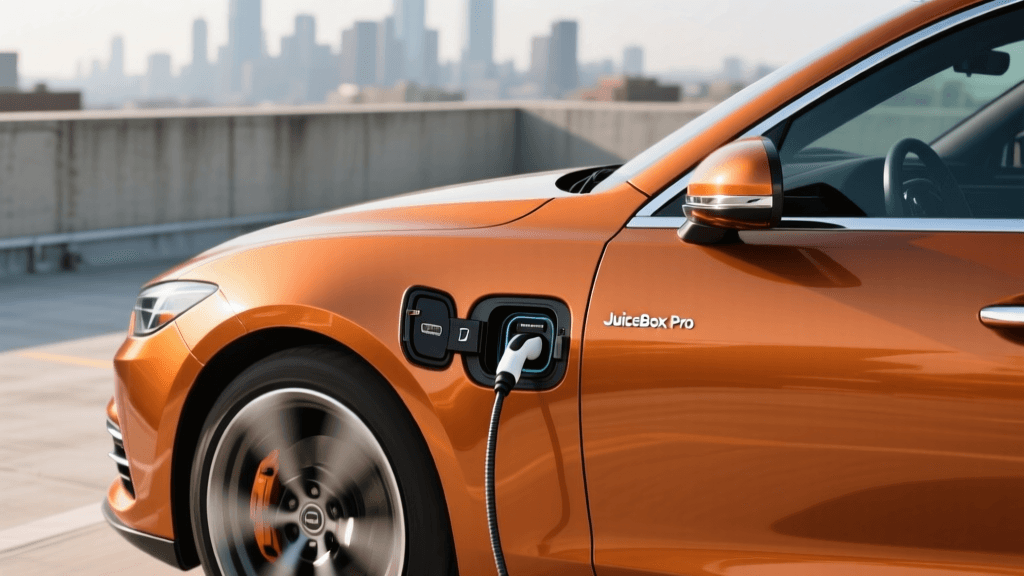
Transitioning to an electric vehicle (EV) is a major milestone, but relying on the standard Level 1 charger included with most vehicles can test your patience. Level 1 charging typically delivers only 3 to 5 miles of range per hour, meaning a full charge for a modern long-range EV can take over 24 hours. Upgrading to a Level 2 home charger is the single most impactful improvement you can make to your EV ownership experience. However, premium smart chargers from brands like ChargePoint or FLO often push the $600 to $800 mark, which can stretch the budget of new EV owners.
Fortunately, the EV infrastructure market has matured significantly. Today, you do not need to compromise on safety, charging speed, or build quality to stay within a reasonable budget. According to the U.S. Department of Energy, the vast majority of daily EV charging occurs at home, making a reliable, cost-effective Level 2 setup essential. In this expert guide, we break down the best budget Level 2 EV chargers under $400, providing actionable installation tips and best practices to maximize your investment.
Expert Criteria: What Makes a Budget Charger 'Good'?
When evaluating chargers in the sub-$400 category, our expert team focuses on four critical pillars:
- Amperage and Circuit Flexibility: Can the charger deliver 40A to 48A, or is it limited to 32A? Higher amperage future-proofs your setup for vehicles with larger battery packs.
- Build Quality and Weather Resistance: Budget chargers must still feature NEMA 4 or NEMA 4X ratings for outdoor use, ensuring they can withstand rain, dust, and extreme temperatures.
- Cable Length and Management: A minimum 18-foot cable is recommended to reach charging ports on both sides of various EV models without stretching.
- Smart Features vs. Reliability: While Wi-Fi and app controls are nice, a budget charger must prioritize consistent, safe power delivery over gimmicky software features.
Top 3 Budget Level 2 EV Chargers Under $400
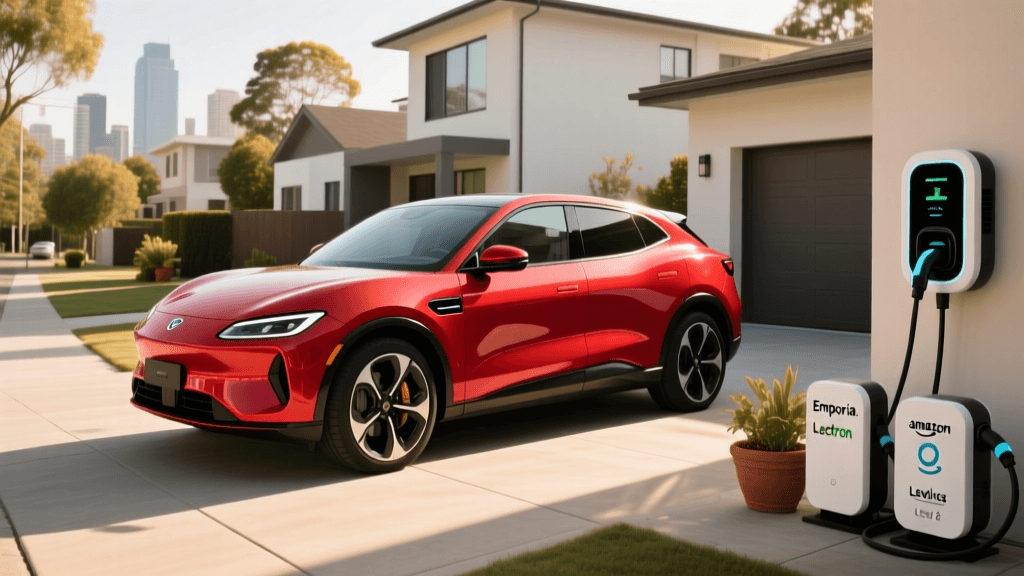
1. Emporia Vue Smart Home EV Charger (48A)
Often priced right at the $399 mark (and frequently on sale for less), the Emporia Vue is the undisputed king of budget smart chargers. Unlike basic 'dumb' chargers, the Emporia offers deep energy monitoring, allowing you to track exactly how much electricity your EV is consuming. If you have solar panels, the Emporia app can be configured to charge your vehicle exclusively using excess solar energy. It supports up to 48 amps when hardwired, or 40 amps when plugged into a NEMA 14-50 receptacle. The 24-foot cable is exceptionally long for this price bracket, making it highly versatile for multi-car garages.
2. Lectron V-BOX Pro (48A)
Priced around $359, the Lectron V-BOX Pro is a no-nonsense, high-power workhorse. It delivers a robust 48 amps of continuous current, capable of adding up to 46 miles of range per hour to compatible vehicles like the Ford Mustang Mach-E or Tesla Model 3. The V-BOX Pro features a rugged, IP65-rated enclosure that excels in harsh outdoor environments. While it lacks advanced app-based energy tracking, its LED status indicators are bright, intuitive, and reliable. It comes with a NEMA 14-50 plug pre-attached, making it an excellent plug-and-play option for renters or those who already have a 50-amp outlet installed.
3. Amazon Basics Smart Level 2 EV Charger (32A)
Coming in at an incredibly affordable $299, the Amazon Basics 32A charger is perfect for older homes or garages with limited electrical panel capacity. It requires only a 40-amp circuit, significantly reducing potential electrical upgrade costs. While 32 amps will yield roughly 25 to 30 miles of range per hour, this is more than sufficient for overnight charging for the average daily commute. It features Wi-Fi connectivity and integrates seamlessly with Alexa, allowing you to schedule charging sessions during off-peak utility hours using simple voice commands or automated routines.
Feature Comparison Chart
| Feature | Emporia Vue (48A) | Lectron V-BOX Pro (48A) | Amazon Basics (32A) |
|---|---|---|---|
| Max Amperage | 48A (Hardwired) / 40A (Plug) | 48A | 32A |
| Required Breaker | 60A / 50A | 60A | 40A |
| Cable Length | 24 Feet | 18 Feet | 18 Feet |
| Smart Features | App, Solar Integration, Energy Tracking | Basic LED Status | Wi-Fi, Alexa Integration |
| Indoor/Outdoor | Both (NEMA 4) | Both (IP65) | Both (NEMA 4) |
| Approx. Price | $399 | $359 | $299 |
Expert Installation Tips: Navigating the NEC 80% Rule
The most common mistake new EV owners make is misunderstanding the National Electrical Code (NEC) continuous load rule. EV charging is classified as a 'continuous load' because it operates at maximum current for three hours or more. The Alternative Fuels Data Center (AFDC) emphasizes that proper electrical sizing is critical for fire safety and system longevity.
Under the NEC 80% rule, your charger's maximum amperage cannot exceed 80% of the circuit breaker's rating. Here is how that translates to practical installation requirements:
- 48A Chargers (Emporia Hardwired, Lectron): Require a minimum 60-amp breaker and 4-gauge copper wire (or 2-gauge aluminum).
- 40A Chargers (Emporia on 14-50 plug): Require a minimum 50-amp breaker and 6-gauge copper wire.
- 32A Chargers (Amazon Basics): Require a minimum 40-amp breaker and 8-gauge copper wire.
Expert Tip: If you are installing a NEMA 14-50 receptacle for a plug-in charger, always hire a licensed electrician who uses a commercial-grade outlet (such as Hubbell or Bryant). Cheap, residential-grade 14-50 outlets are notorious for melting under the continuous thermal stress of daily EV charging. Hardwiring your charger, where local codes permit, eliminates the receptacle failure point entirely and is the safest, most reliable installation method.
Best Practices for Charger Longevity and Safety
To ensure your budget charger lasts for years without degradation, follow these expert maintenance practices:
- Proper Cable Management: Never leave the charging cable coiled tightly on the ground where it can be run over or exposed to standing water. Invest in a simple wall-mounted holster or J-hook to keep the connector off the floor and protect the internal copper wiring from micro-fractures.
- Connector Care: Keep the J1772 or NACS connector holster facing downward or use a weatherproof cover. Debris and moisture inside the connector pins can cause arcing or trigger ground-fault interruptions.
- Firmware Updates: For smart chargers like the Emporia or Amazon Basics, ensure the unit is connected to your 2.4GHz Wi-Fi network. Manufacturers frequently release over-the-air firmware updates that improve charging algorithms and patch security vulnerabilities.
Adhering to safety guidelines is paramount. The National Highway Traffic Safety Administration (NHTSA) provides extensive resources on EV safety, noting that certified, UL-listed charging equipment drastically reduces the risk of electrical fires compared to improvised or uncertified extension cord setups.
Maximizing ROI: Utility Rebates and Time-of-Use Rates
Buying a budget charger under $400 is only the first step in saving money. Many local utility companies offer aggressive rebates for installing Level 2 home charging equipment. In some jurisdictions, utilities will rebate up to $300 for the purchase of a smart charger, effectively making your Amazon Basics or Emporia unit nearly free after mail-in rebates.
Furthermore, pair your new charger with a Time-of-Use (TOU) electricity plan. By scheduling your budget smart charger to only draw power between 11:00 PM and 5:00 AM, you can cut your home charging costs by 30% to 50% compared to peak afternoon rates. Even 'dumb' chargers like the Lectron can be managed via TOU rates if your vehicle's internal software (like the Tesla app or FordPass) supports scheduled departure charging.
Conclusion
You do not need to spend a premium to achieve fast, safe, and reliable home EV charging. The Emporia Vue offers unmatched smart features and solar integration for tech-savvy users, the Lectron V-BOX Pro delivers rugged, high-amperage reliability, and the Amazon Basics charger provides an accessible entry point for homes with smaller electrical panels. By understanding the NEC 80% rule, investing in quality electrical installation, and leveraging utility rebates, your sub-$400 Level 2 charger will deliver thousands of dollars in fuel savings and unparalleled daily convenience.