The Outdoor EV Charging Challenge: Weather, Wi-Fi, and Wiring
While the U.S. Department of Energy notes that the vast majority of EV owners rely on home charging, not everyone has the luxury of a climate-controlled garage. For those relying on driveway installations, outdoor EV chargers face a brutal gauntlet of UV radiation, freezing rain, snow accumulation, and extreme temperature swings. Choosing the right hardware is only half the battle; knowing how to troubleshoot the inevitable environmental hurdles is what separates a frustrating ownership experience from a seamless one.
In this comprehensive review and troubleshooting guide, we evaluate the top weather-resistant Level 2 EV chargers on the market and provide actionable solutions to the most common outdoor charging problems.
Top Rated Outdoor EV Chargers Reviewed
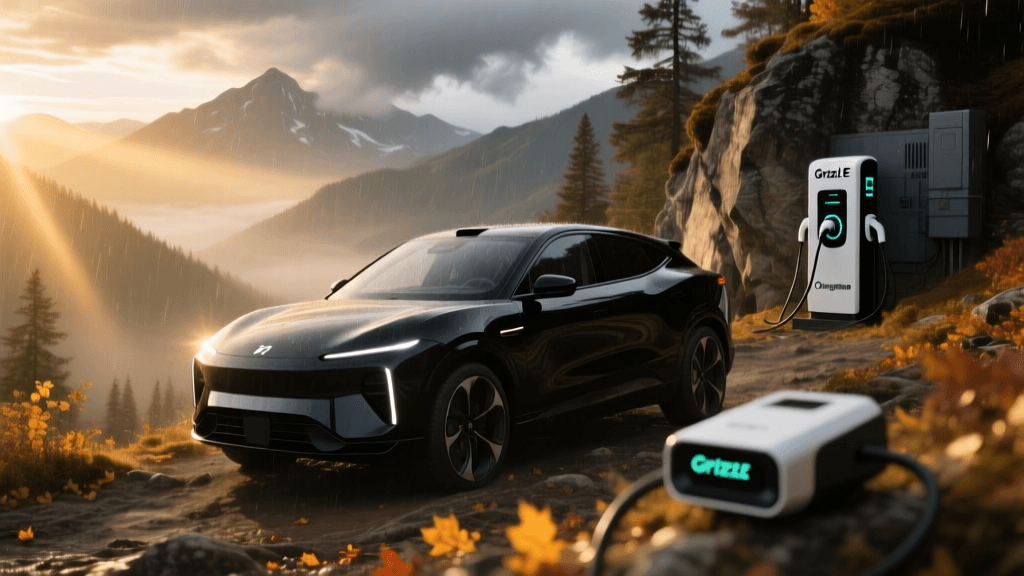
1. Grizzl-E Smart (Best for Extreme Cold and Wet Climates)
The Grizzl-E Smart is widely considered the tank of the EV charging world. Built in Canada, it boasts an IP67 water ingress rating and a NEMA 4 enclosure, meaning it can withstand direct hose-downs and heavy ice accumulation. Its operating temperature range of -40°F to 122°F (-40°C to 50°C) is unmatched in the industry.
Troubleshooting Note: In freezing rain, the RFID card reader slot can occasionally accumulate ice, preventing the card from tapping. Solution: Keep the RFID card in your pocket and rely on the Grizzl-E app's auto-charge feature, or apply a tiny amount of silicone grease around the weather seal of the reader flap during winter prep to repel moisture.
2. ChargePoint Home Flex (Best Smart Features & Cable Management)
ChargePoint's Home Flex features a NEMA 4 rating and a premium 23-foot cable that remains remarkably pliable in cold weather. The integrated cable management holster is a lifesaver for keeping the connector off wet, muddy driveways and preventing tripping hazards.
Troubleshooting Note: The Home Flex relies heavily on Wi-Fi for scheduling and load sharing. Outdoor installations on the far side of a brick or stucco exterior wall often result in Wi-Fi dropouts. Solution: Install a weatherproof outdoor Wi-Fi extender near the charger, or utilize the ChargePoint app's 'offline mode' which remembers your last configured amperage and schedule even when disconnected from the network.
3. Emporia Level 2 EV Charger (Best Budget Weatherproof Option)
Emporia offers incredible value, packing NEMA 4 weather resistance and deep energy monitoring into a sub-$400 package. According to data from the Alternative Fuels Data Center, affordable home infrastructure is critical for widespread EV adoption, and Emporia delivers precisely that without sacrificing outdoor durability.
Troubleshooting Note: The Emporia app requires a Bluetooth connection for initial setup, which can time out if your phone screen dims or if extreme heat causes the charger's internal thermal throttle to interrupt the handshake. Solution: Perform the initial setup in the early morning or evening when ambient temperatures are lower, and ensure your phone's screen timeout is set to maximum during the pairing process.
Troubleshooting Common Outdoor EV Charger Problems
Issue 1: Nuisance GFCI Tripping in Heavy Rain
The 2020 National Electrical Code (NEC) mandates GFCI (Ground Fault Circuit Interrupter) protection for all outdoor EV receptacles. However, EV chargers also have internal GFCI protection built into the unit. This 'double GFCI' setup frequently causes nuisance tripping, especially during heavy rain when microscopic moisture creates capacitive leakage currents and EMI filters in the vehicle interact with the breaker.
The Fix: The most reliable troubleshooting step for outdoor installations is to hardwire the EV charger directly into a dedicated breaker, completely eliminating the outdoor receptacle and its redundant GFCI requirement. Hardwiring also prevents water intrusion into the plug/receptacle gap, a common failure point for NEMA 14-50 outlets exposed to driving rain.
Issue 2: Cable Stiffness and Connector Cracking
Standard PVC cables turn into rigid pipes in sub-freezing temperatures, making them difficult to uncoil and increasing the risk of internal wire fatigue. Furthermore, prolonged UV exposure from direct sunlight can cause cheaper cable jackets to chalk, crack, and expose live wires over time.
The Fix: When selecting a charger for an exposed, unshaded driveway, ensure the cable is rated for UV resistance and uses a TPE (Thermoplastic Elastomer) jacket, like the one found on the ChargePoint Home Flex. For existing stiff cables, avoid forcing the coil; instead, gently walk the cable out to warm it through friction before plugging in, and always use the 'over-under' wrapping method to prevent the cable from developing permanent memory kinks.
Issue 3: Water Pooling Inside the Enclosure
Even NEMA 4 rated chargers can suffer from internal condensation or water ingress if mounted incorrectly. If the bottom faceplate is sealed perfectly tight, temperature fluctuations can create a vacuum effect that sucks moisture in through microscopic seal gaps.
The Fix: When mounting your outdoor charger, ensure the cable points strictly downward. Leave the bottom-most screw of the enclosure faceplate slightly loose (or use a specialized weep hole) to allow any internal condensation to drain out. Never mount an EV charger with the cable exiting the top or sides, as this creates a direct channel for rain to run down the cord and into the unit.
Issue 4: Touchscreen and Button Unresponsiveness in High Humidity
Some chargers feature physical buttons or touchscreens for manual amperage adjustments or RFID authentication. In high-humidity coastal areas or during heavy fog, condensation can form over capacitive touchscreens or seep into micro-switches, causing phantom touches or dead zones.
The Fix: Avoid chargers with external touchscreens for exposed coastal installations. Opt for models that rely entirely on app-based controls or physical RFID taps. If your current unit has a physical start/stop button that is sticking, a quick blast of compressed air and a drop of electronic contact cleaner will displace the trapped moisture and restore tactile feedback.
Outdoor Installation & Weatherproofing Comparison
| Feature | Grizzl-E Smart | ChargePoint Home Flex | Emporia Level 2 |
|---|---|---|---|
| NEMA Rating | NEMA 4 (IP67 Internal) | NEMA 4 | NEMA 4 |
| Operating Temp | -40°F to 122°F | -22°F to 122°F | -22°F to 104°F |
| Cable Material | Rubber (Cold Flexible) | TPE (UV & Cold Resistant) | PVC/TPE Blend |
| Hardwire Recommended? | Yes (for extreme weather) | Yes (bypasses GFCI issues) | Yes (prevents plug corrosion) |
| Wi-Fi Antenna | External (Better range) | Internal (Needs extender) | Internal (Bluetooth setup) |
| Approx. Price | $549 | $699 | $399 |
Expert Tips for Prolonging Outdoor Charger Lifespan
As highlighted by infrastructure research from the National Renewable Energy Laboratory (NREL), proper siting and maintenance of EV supply equipment (EVSE) drastically reduces failure rates and maximizes uptime. Follow these golden rules for outdoor longevity:
- Install a Protective Overhang: Even with a NEMA 4 rating, direct exposure to hail and UV rays degrades plastics over time. A simple aluminum awning or polycarbonate roof over the charging zone extends the hardware's life by years and keeps the connector dry during storms.
- Use Dielectric Grease on NEMA 14-50 Plugs: If you must use a plug-in model rather than hardwiring, apply a thin layer of dielectric grease to the prongs before inserting them into the outdoor receptacle. This prevents galvanic corrosion caused by humidity and temperature cycling, ensuring a safe, low-resistance connection.
- Elevate the Receptacle: If using a plug-in setup, mount the NEMA 14-50 receptacle at least 48 inches off the ground. This prevents snowbanks, lawnmower debris, and splash-back from puddles from reaching the connection point and causing a short circuit.
- Inspect the Holster Latch: Outdoor debris, spider webs, and dirt frequently clog the connector holster. Clean the holster monthly to ensure the connector clicks in fully, which activates the microswitch that puts the charger into sleep mode and protects the pins from environmental corrosion.
Final Verdict
When dealing with the unpredictability of outdoor environments, the Grizzl-E Smart takes the top spot for sheer ruggedness and extreme cold tolerance. However, if smart home integration and premium cable management are your priorities, the ChargePoint Home Flex is an outstanding choice, provided you solve the Wi-Fi range issue with an extender. Budget-conscious buyers will find the Emporia more than capable, as long as it is hardwired to avoid outdoor GFCI nuisance tripping. By combining the right NEMA-rated hardware with proper hardwired installation and proactive weatherproofing, your outdoor charging setup will deliver reliable, all-weather performance for years to come.