The Unique Challenges of Outdoor EV Charging
Installing a Level 2 EV charger outdoors introduces a complex set of variables that indoor setups simply do not face. From torrential rain and driving snow to extreme UV exposure and sub-zero temperature drops, outdoor charging equipment must endure relentless environmental stress. According to the U.S. Department of Energy, proper installation and equipment selection are critical to ensuring safety and longevity when charging outside. While most modern chargers boast weather-resistant ratings, real-world conditions often expose vulnerabilities in cables, connectors, and internal electronics. In this comprehensive guide, we will troubleshoot the most common outdoor EV charging problems and review the best weatherproof chargers designed to handle the elements.
Common Outdoor Charging Problems & How to Fix Them
1. Nuisance GFCI Tripping in Wet Conditions
One of the most frustrating issues outdoor EV owners face is the Ground Fault Circuit Interrupter (GFCI) tripping during rainstorms or high humidity. The National Fire Protection Association (NFPA) mandates GFCI protection for outdoor receptacles under the National Electrical Code (NEC). However, EV chargers have their own internal ground-fault protection. When you plug a charger into a GFCI-protected NEMA 14-50 outlet, the two protection systems can conflict, or microscopic moisture ingress in the plug connection can cause 'nuisance tripping.'
The Fix: The most reliable solution is to bypass the plug entirely and hardwire your EV charger. Hardwiring eliminates the physical connection point where moisture can accumulate and removes the need for a redundant GFCI breaker, as most hardwired EVSEs (Electric Vehicle Supply Equipment) have built-in, code-compliant ground fault protection. If you must use a plug, install a heavy-duty, weatherproof 'in-use' bubble cover rated for outdoor use and apply dielectric grease to the plug prongs to repel moisture.
2. Cable Stiffening and Connector Freezing in Winter
Standard PVC or lower-grade rubber charging cables become rigid, heavy, and difficult to manage when temperatures drop below freezing. In extreme cold, stiff cables can strain the internal wiring or the connector latch, leading to physical damage or failure to lock into the vehicle's charge port.
The Fix: Look for chargers equipped with TPE (Thermoplastic Elastomer) or specialized cold-weather silicone cables, which remain flexible down to -40°F. Additionally, never leave the connector resting on the ground where it can freeze to the pavement or accumulate ice inside the pins. Always use the wall-mounted holster, and consider applying a small amount of silicone-based lubricant to the holster's locking mechanism to prevent it from freezing shut.
3. Wi-Fi Connectivity Drops in the Driveway
Smart chargers rely on Wi-Fi for firmware updates, scheduling, and utility demand-response programs. However, exterior walls, metal siding, and distance from the home router frequently degrade the 2.4GHz or 5GHz signal, causing the charger to drop offline and fail to log charging sessions.
The Fix: Before mounting the charger, test your Wi-Fi signal at the exact installation height using your smartphone. If the signal is weak (below -70 dBm), install a weatherproof outdoor Wi-Fi extender or a mesh network node near the garage. Alternatively, opt for a charger that offers cellular connectivity or Ethernet backhaul capabilities to bypass Wi-Fi limitations entirely.
Best Weatherproof EV Chargers Reviewed for Outdoor Use
Not all 'outdoor-rated' chargers are created equal. The NEMA (National Electrical Manufacturers Association) enclosure ratings dictate exactly what a charger can survive. While NEMA 3R protects against falling rain, you need NEMA 4 or NEMA 4X for protection against windblown dust, splashing water, and hose-directed water (useful if you wash your car near the charger).
Grizzl-E Smart (Best for Extreme Cold and Ruggedness)
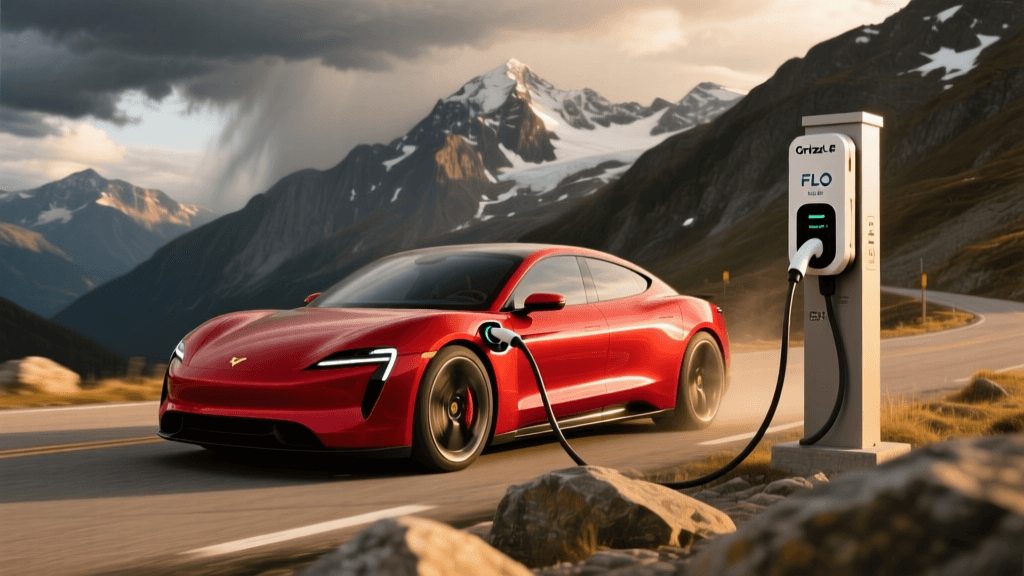
The Grizzl-E Smart is widely regarded as the tank of the EV charging world. Built in Canada, it is engineered specifically for brutal winters. It features an IP65-rated aluminum enclosure (equivalent to NEMA 4) and a highly flexible TPE cable rated for -40°F to 122°F. Troubleshooting connectivity is easier with the Grizzl-E because it offers both Wi-Fi and Bluetooth, and its OCPP-compliant backend allows for robust remote diagnostics. The heavy-duty cable management holster keeps the connector secure and elevated away from snowbanks.
FLO Home X5 (Best for Coastal and Humid Environments)
If you live near the ocean or in a highly humid climate, salt air and moisture can corrode standard steel or plastic enclosures. The FLO Home X5 features a NEMA 4X-rated aluminum alloy casing. The 'X' in 4X means it is explicitly tested for corrosion resistance. The X5's 25-foot cable is exceptionally durable, and the unit's locking connector holster prevents unauthorized use and keeps the J1772 plug sealed against driving rain. It lacks a screen, relying entirely on the FLO app, which reduces the number of physical vulnerability points on the exterior casing.
ChargePoint Home Flex (Best All-Rounder with Caveats)
The ChargePoint Home Flex is a NEMA 4-rated unit, meaning it can handle rain and splashing water. It features a sleek design and an excellent app ecosystem. However, from a troubleshooting perspective, outdoor owners must be meticulous about the connector holster. If the holster is mounted at an angle that allows water to pool near the release latch, moisture can ingress over time. Ensure it is mounted perfectly level or slightly downward-facing to encourage water runoff.
Comparison Chart: Top Outdoor EV Chargers
| Feature | Grizzl-E Smart | FLO Home X5 | ChargePoint Home Flex |
|---|---|---|---|
| Enclosure Rating | IP65 (NEMA 4 equiv.) | NEMA 4X (Corrosion Resistant) | NEMA 4 |
| Operating Temp | -40°F to 122°F | -40°F to 122°F | -22°F to 122°F |
| Cable Material | Cold-Weather TPE | Heavy-Duty Rubberized | Standard Rubber |
| Max Amperage | 40A (Adjustable) | 48A (Adjustable) | 50A (Adjustable) |
| Connectivity | Wi-Fi / Bluetooth | Wi-Fi / Bluetooth | Wi-Fi |
| Est. Price | ~$549 | ~$699 | ~$699 |
Installation Best Practices to Prevent Future Issues
Even the most rugged charger will fail if the installation is subpar. Data from the Alternative Fuels Data Center highlights that improper electrical setups are the leading cause of EVSE failure. Follow these rules for outdoor setups:
- Use Rigid Metal or PVC Conduit: Do not run exposed Romex wire to an outdoor charger. Use liquid-tight flexible metal conduit or Schedule 80 PVC to protect the wiring from UV degradation and physical impact.
- Create a Drip Loop: When routing the conduit into the bottom or back of the charger, ensure the conduit dips below the entry point before rising into the unit. This 'drip loop' ensures that rainwater running down the conduit drips off the lowest point rather than flowing directly into the charger's internal terminal block.
- Upgrade to a 60A Breaker: If you plan to future-proof your home, run 4 AWG copper wire on a 60A breaker. This allows you to hardwire chargers capable of 48A continuous draw, providing up to 11.5 kW of charging speed, which is essential for larger EVs like the Ford F-150 Lightning or Rivian R1T.
Conclusion
Outdoor EV charging requires a proactive approach to troubleshooting and equipment selection. By understanding the environmental stresses of your specific climate—whether it is the freezing winters requiring a Grizzl-E, or the corrosive coastal air demanding a FLO Home X5—you can prevent the most common charging headaches. Always prioritize hardwired installations with proper conduit and drip loops to eliminate GFCI conflicts and moisture ingress. With the right weatherproof charger and a meticulous installation, your outdoor charging station will deliver reliable, high-speed power for years to come, regardless of what Mother Nature throws at it.