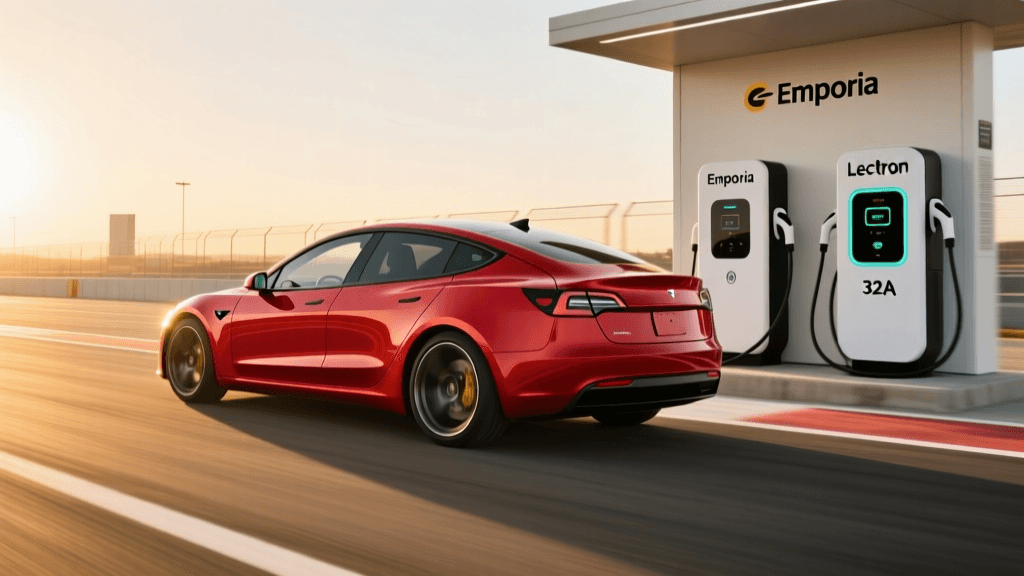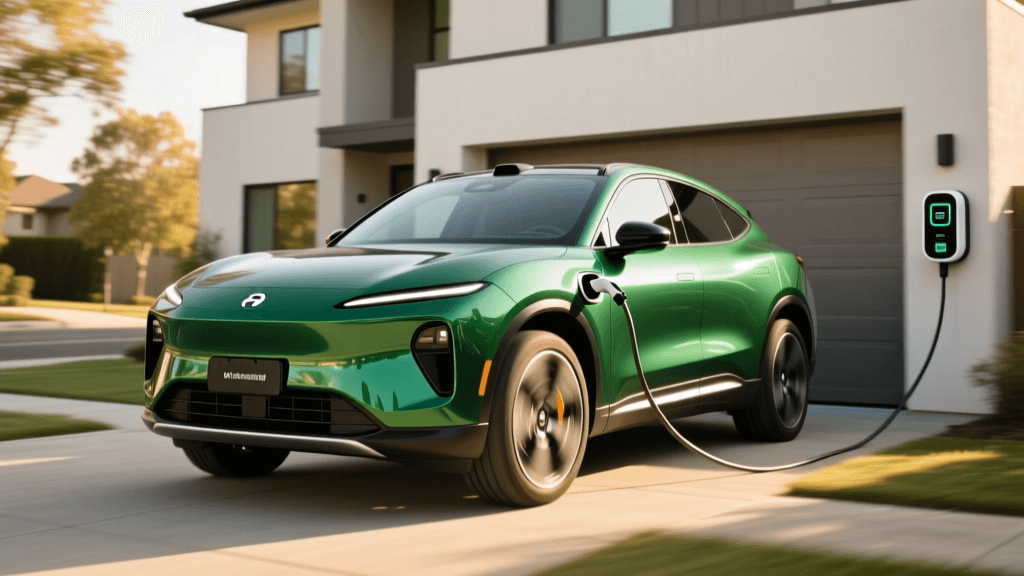
The Emporia Vue EV Charger: Beyond Basic Level 2 Charging
When evaluating Level 2 home charging solutions, most buyers focus exclusively on the upfront price of the hardware and the speed of the charge. However, the true cost of ownership extends far beyond the initial purchase. Enter the Emporia Vue EV Charger, a device that shifts the paradigm from simple power delivery to comprehensive home energy management. Priced aggressively against industry giants like ChargePoint and Wallbox, the Emporia Vue promises not just to charge your vehicle, but to optimize your entire home's electrical footprint.
In this comprehensive cost and value breakdown, we will dissect the hardware expenses, installation variables, and the long-term utility savings that make the Emporia ecosystem a compelling choice for cost-conscious EV owners. Whether you are pairing it with solar panels or simply trying to navigate complex Time-of-Use (TOU) utility rates, understanding the financial footprint of this charger is critical before you hire an electrician.
Upfront Costs: Hardware and Ecosystem Breakdown
The Emporia Vue EV Charger is typically priced around $399, making it one of the most affordable 48-amp Level 2 chargers on the market. For context, competitors like the ChargePoint Home Flex and the Wallbox Pulsar Plus often retail between $600 and $700. But the hardware price is only the first piece of the puzzle.
The true value proposition of the Emporia charger is unlocked when paired with the Emporia Vue 2 Smart Home Energy Monitor. This secondary device, which usually costs between $100 and $150, installs directly into your electrical panel and tracks energy usage at the circuit level. While you can use the EV charger as a standalone smart device without the monitor, doing so leaves money on the table. The Vue 2 monitor allows the system to perform real-time load balancing, solar diversion, and whole-home energy tracking.
What You Get in the Box
- Charger Unit: NEMA Type 4 rated enclosure (suitable for indoor and outdoor use).
- Cable: 24-foot heavy-duty charging cable with a J1772 connector (NACS adapter required for newer Teslas).
- Mounting Hardware: Wall bracket and screws for standard drywall or stud installation.
- Connectivity: Built-in Wi-Fi and Bluetooth for app configuration.
Installation Costs: NEMA 14-50 vs. Hardwired
The Emporia Vue supports both plug-in (NEMA 14-50) and hardwired installations. Your choice here will significantly impact your installation budget and future flexibility.
NEMA 14-50 Receptacle Installation: If your electrical panel is close to the garage and has sufficient capacity, an electrician can install a 240V NEMA 14-50 outlet. This typically costs between $400 and $800, depending on local labor rates and conduit requirements. The advantage is portability; you can take the charger with you if you move. However, the National Electrical Code (NEC) requires a 60-amp breaker to support the continuous 48-amp draw of the charger.
Hardwired Installation: Hardwiring eliminates the receptacle, connecting the charger directly to the breaker. This method is generally safer for continuous high-amperage drawing and can cost between $600 and $1,200. If your home requires an electrical panel upgrade to handle the additional 60-amp load, expect to add $1,500 to $3,000 to your total project cost. According to the Alternative Fuels Data Center, ensuring your home electrical system is properly evaluated by a licensed contractor is the most critical step in avoiding fire hazards and ensuring optimal charging speeds.
The Hidden Value: Energy Monitoring and Solar Integration
Where the Emporia Vue justifies its existence is in its software and energy management capabilities. If you have rooftop solar panels, the Emporia ecosystem is arguably the best value on the market. Through the Emporia app, you can configure the charger to prioritize 'Solar Diversion.' This means the charger will dynamically adjust the amperage sent to your EV based on the excess solar energy your panels are generating in real-time, ensuring you charge your car for 'free' without pulling from the grid.
Even without solar, the whole-home energy monitoring provides immense financial clarity. The app identifies energy hogs in your home, allowing you to make behavioral changes that can reduce your overall monthly utility bill by 10% to 15%. When you factor in these whole-home savings, the combined cost of the EV charger and the Vue 2 monitor pays for itself much faster than a standalone 'dumb' charger.
Cost & Feature Comparison Chart
How does the Emporia Vue stack up against the market leaders when we break down the specifications and financial footprint? Below is a comparative analysis of the top 48-amp smart chargers.
| Feature | Emporia Vue EV Charger | ChargePoint Home Flex | Wallbox Pulsar Plus |
|---|---|---|---|
| Base MSRP | $399 | $699 | $649 |
| Max Amperage | 48A (11.5 kW) | 50A (12 kW) | 48A (11.5 kW) |
| Cable Length | 24 ft | 25 ft | 25 ft |
| Energy Monitoring | Whole-Home (via Vue 2) | Charger-Level Only | Charger-Level Only |
| Solar Diversion | Yes (Hardware integrated) | No | Yes (via API/Software) |
| Load Sharing | Yes (via Vue 2) | Yes (Proprietary) | Yes (Power Sharing) |
Maximizing ROI: Time-of-Use (TOU) Optimization
Utility companies across the country are aggressively shifting toward Time-of-Use (TOU) rate plans, where electricity costs significantly more during peak evening hours and drops to pennies per kilowatt-hour late at night. The U.S. Energy Information Administration notes that TOU pricing is designed to incentivize consumers to shift their energy usage away from peak demand periods. Failing to adapt to TOU rates can result in an EV charging bill that rivals a gasoline budget.
The Emporia app allows you to set rigid charging schedules that align perfectly with your utility's off-peak windows. Furthermore, if your utility offers demand-response programs or virtual power plant (VPP) incentives, the Emporia ecosystem's granular data tracking makes it easier to audit and claim these rebates. By strictly charging during off-peak hours (e.g., 12:00 AM to 5:00 AM), an average EV driver covering 40 miles a day can save between $300 and $500 annually compared to unmanaged, on-peak charging.
Tax Credits and Rebates: Softening the Blow
When calculating your final cost basis, you must account for available incentives. The Federal Alternative Fuel Infrastructure Tax Credit (30C) can cover up to 30% of the cost of your EV charger and installation, capped at $1,000 for residential properties. Because the Emporia Vue is a smart, networked charger, it easily qualifies. Additionally, many local municipalities and utility cooperatives offer instant rebates ranging from $250 to $500 simply for installing a Wi-Fi-enabled Level 2 charger. These incentives can effectively reduce your net hardware cost to near zero.
Build Quality and Long-Term Durability
A cheap charger is a poor value if it needs replacing after two years. The Emporia Vue features a NEMA Type 4 enclosure, meaning it is highly resistant to rain, sleet, snow, and dust. The 24-foot cable is thick, heavily insulated, and remains relatively flexible even in freezing temperatures—a common pain point with cheaper alternatives. While the included cable management holster is basic, the overall build quality punches well above its $399 weight class, ensuring a lifespan that will likely outlast your current EV.
Final Verdict: Who is the Emporia Vue For?
The Emporia Vue EV Charger represents an outstanding value, but it is not a one-size-fits-all solution. It is the undisputed champion for homeowners with solar panels, data-driven users who want to track every watt, and budget-conscious buyers who refuse to pay the 'smart tax' levied by brands like ChargePoint. The requirement to potentially purchase the Vue 2 monitor and navigate a slightly more complex app setup may deter users who simply want a plug-and-play appliance. However, for those willing to invest an hour into configuring the Emporia ecosystem, the long-term utility savings, solar diversion capabilities, and granular energy data make it the most financially rewarding Level 2 charger on the market today.