The Unique Challenges of Outdoor EV Charging
Installing an Electric Vehicle (EV) charger outdoors introduces a complex set of variables that indoor installations simply do not face. From driving rain and sub-zero temperatures to thick masonry walls blocking smart features, exterior charging setups require specialized hardware and proactive troubleshooting. According to the U.S. Department of Energy, proper weatherproofing and electrical safety are paramount for outdoor Level 2 charging infrastructure. In this guide, we review the top EV chargers for outdoor use—specifically analyzing how they handle environmental stressors and providing actionable troubleshooting steps to solve the most common outdoor charging problems.
Problem 1: Water Ingress and Extreme Weather Survival
The most obvious threat to an outdoor EV charger is water damage. Many budget chargers carry a NEMA 3R rating, which protects against falling rain but fails when exposed to wind-driven storms or hose-directed water. For reliable outdoor use, you need a minimum of NEMA 4 (or IP66) rating.
The Solution: Grizzl-E Smart
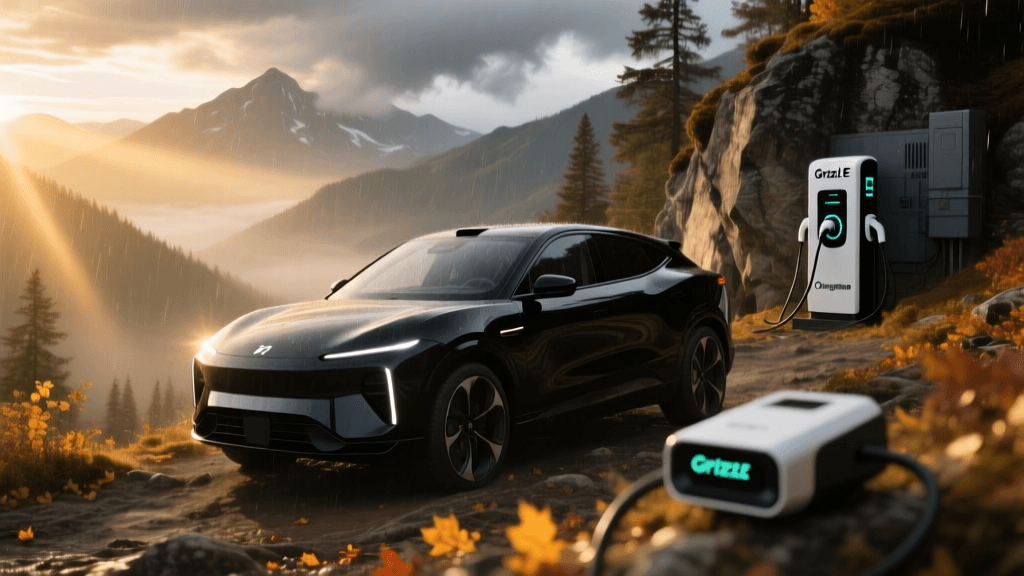
The Grizzl-E Smart is widely considered the tank of the EV charging world. Built in Canada, it boasts an IP66 weatherproof rating and an operating temperature range of -40°F to 104°F. Its heavy-duty aluminum enclosure and thick rubber O-rings prevent condensation buildup, a common killer of outdoor electronics.
Troubleshooting Weather Issues on Any Charger:
- Condensation inside the screen: If your charger's display fogs up, the internal desiccant packets have failed. Open the unit (power off first) and replace them with fresh silica gel packs.
- NEMA 14-50 Receptacle Corrosion: If you use a plug-in model rather than hardwiring, the outdoor receptacle is a major failure point. Apply dielectric grease to the prongs before plugging in the charger, and ensure your outdoor receptacle cover is the 'extra-duty' bubble type that closes while the plug is inserted.
- Sun fading and UV damage: Direct UV exposure degrades plastic enclosures and cables over time. If your charger lacks UV-stabilized plastics, install a simple wooden or metal awning above the unit to extend its lifespan by years.
Problem 2: Wi-Fi Signal Loss Through Exterior Walls
Smart chargers rely on Wi-Fi for scheduling, off-peak utility rate integration, and firmware updates. However, exterior walls—especially those made of brick, stucco, or concrete—act as Faraday cages, severely degrading the 2.4GHz and 5GHz signals from your indoor router.
The Contenders: ChargePoint Home Flex vs. Wallbox Pulsar Plus
The ChargePoint Home Flex offers an incredible app experience and flexible amperage, but users frequently report offline status when mounted on the far side of a brick house. The Wallbox Pulsar Plus, on the other hand, features a slightly more robust internal antenna and tends to hold connections better in fringe Wi-Fi zones, though both struggle with thick masonry.
Troubleshooting Outdoor Wi-Fi Dropouts:
- Force the 2.4GHz Band: Most smart chargers only support 2.4GHz Wi-Fi. If your router uses 'Smart Connect' to blend 2.4GHz and 5GHz into one SSID, the charger may repeatedly fail to authenticate. Log into your router and create a dedicated 2.4GHz IoT network specifically for your EV charger.
- The Mesh Node Fix: Do not rely on standard Wi-Fi extenders, which halve bandwidth and increase latency. Instead, install a weatherproof outdoor mesh Wi-Fi node (like the Orbi Outdoor or Eero) within 15 feet of the charger to guarantee a stable connection for utility API handshakes.
- Check Signal Strength Before Mounting: Before drilling holes, take your smartphone outside, stand exactly where the charger will go, close the door behind you, and run a speed test. If you have less than 2 bars or high ping, you must address your network topology before installation.
Problem 3: Cable Stiffness and Cold Weather Derating
When temperatures drop below freezing, standard thermoplastic EV cables become rigid, heavy, and difficult to coil. Worse, extreme cold can cause electrical derating, where the charger reduces its amperage output to protect internal components.
The Contenders: Emporia EV Charger and JuiceBox Pro
The Emporia EV Charger offers unbeatable value and excellent energy monitoring, but its stock cable can become notoriously stiff in winter conditions. The JuiceBox Pro 40 features a slightly more pliable cable but has been known to trigger cold-weather error codes if the internal thermal sensors detect rapid ambient temperature drops.
Troubleshooting Cold Weather Cable and Performance Issues:
- Cable Management: Never leave the cable coiled tightly on the ground in winter. Use a heavy-duty J-hook mounted at chest height. Hanging the cable prevents it from resting in snow and ice, which causes micro-fractures in the internal copper wiring over time.
- Silicone Cable Conditioners: To combat stiffness, wipe down your EV cable with a silicone-based rubber protectant (avoid petroleum-based products like Armor All, which degrade the rubber jacket). This maintains flexibility down to about 10°F.
- Addressing Derating: If your NREL-researched charger drops from 40A to 32A in the winter, check the mounting location. Chargers mounted on south-facing walls in summer or north-facing walls in winter experience the most extreme thermal swings. Moving the unit to a shaded, wind-protected area can stabilize thermal sensor readings.
Problem 4: Nuisance GFCI Tripping on Outdoor Circuits
Outdoor electrical circuits are highly susceptible to ground faults due to moisture, dirt, and temperature fluctuations. The National Electrical Code (NEC) mandates strict ground-fault protection for outdoor receptacles, but this often leads to 'nuisance tripping' when paired with EV chargers.
The Solution: Hardwiring and Internal GFCI Management
Almost all modern Level 2 chargers, including the Wallbox Pulsar Plus and Grizzl-E, have built-in GFCI protection. When you plug a charger with internal GFCI into an outdoor NEMA 14-50 receptacle that is protected by a GFCI circuit breaker in your main panel, the two systems can conflict, causing the breaker to trip randomly during a charging session.
Troubleshooting GFCI Nuisance Tripping:
- The Hardwire Advantage: The ultimate fix for outdoor GFCI issues is to hardwire the charger directly into the panel, bypassing the outdoor receptacle entirely. As noted by the National Fire Protection Association (NFPA) guidelines on the NEC, hardwired EVSE installations often have different GFCI exemption clauses depending on local codes, eliminating the receptacle-based ground fault loop.
- Inspect for Moisture in the Receptacle: If you must use a plug, inspect the NEMA 14-50 outlet for microscopic debris or moisture. Even a small amount of pollen mixed with morning dew can create a high-resistance path to ground, tripping a highly sensitive GFCI breaker.
- Upgrade to a Standard Breaker (If Hardwired): If your charger is hardwired and features a certified internal GFCI (check the manufacturer manual), consult a licensed electrician about swapping the panel's GFCI breaker for a standard thermal-magnetic breaker to eliminate the double-protection conflict. Always defer to local code and a certified electrician for this step.
Outdoor EV Charger Comparison Chart
| Feature | Grizzl-E Smart | ChargePoint Home Flex | Wallbox Pulsar Plus | Emporia EV Charger |
|---|---|---|---|---|
| Weather Rating | IP66 (NEMA 4) | NEMA 3R | NEMA 4 | NEMA 4 |
| Max Amperage | 40A | 50A (Hardwired) | 40A | 40A |
| Cable Length | 24 ft | 23 ft | 25 ft | 24 ft |
| Wi-Fi Reliability | Moderate | Low (Needs Extender) | High | Moderate |
| Best Outdoor Fix | Extreme Cold Survivability | Adjustable Amperage | Compact Size & Antenna | Budget & Energy Monitoring |
| Est. Price | ~$549 | ~$699 | ~$599 | ~$399 |
Final Verdict: Matching the Charger to Your Climate
When troubleshooting and selecting an outdoor EV charger, there is no one-size-fits-all solution. If you live in the Pacific Northwest or coastal areas with driving rain, the Grizzl-E Smart or Wallbox Pulsar Plus are mandatory for their superior NEMA 4 / IP66 sealing. If you live in a dense urban environment with brick exteriors and poor Wi-Fi penetration, prioritize the Wallbox for its better antenna, but budget for an outdoor mesh Wi-Fi node to ensure your smart scheduling features actually work.
Ultimately, the most effective troubleshooting step you can take for an outdoor installation is to hire a licensed electrician to hardwire the unit. Hardwiring eliminates the NEMA 14-50 receptacle, removes the risk of water ingress at the plug connection, solves double-GFCI tripping issues, and allows you to safely push the circuit to 48A or 60A on compatible units like the ChargePoint Home Flex. By pairing the right hardware with proactive network and weatherproofing strategies, your outdoor charging setup will remain reliable for years to come.