The Reality of Budget Level 2 EV Charging
When transitioning to an electric vehicle, relying on a standard Level 1 wall outlet is often a frustrating bottleneck, adding only 3 to 5 miles of range per hour. Upgrading to a Level 2 home charger is essential for daily convenience. However, premium smart chargers from brands like ChargePoint or FLO frequently retail between $600 and $750. For many EV owners, especially those balancing the costs of a new vehicle and home electrical upgrades, finding reliable Level 2 EV chargers under $400 is a top priority.
According to the U.S. Department of Energy, over 80% of all EV charging occurs at home, making the reliability and safety of your home charging setup paramount. Fortunately, the EVSE (Electric Vehicle Supply Equipment) market has matured significantly. Today, you can secure high-amperage, Wi-Fi-enabled, and rigorously tested Level 2 chargers without breaking the $400 ceiling. In this expert guide, we break down the best budget-friendly models on the market and share critical installation best practices to ensure your setup is safe, efficient, and code-compliant.
Top 3 Budget Level 2 EV Chargers Under $400
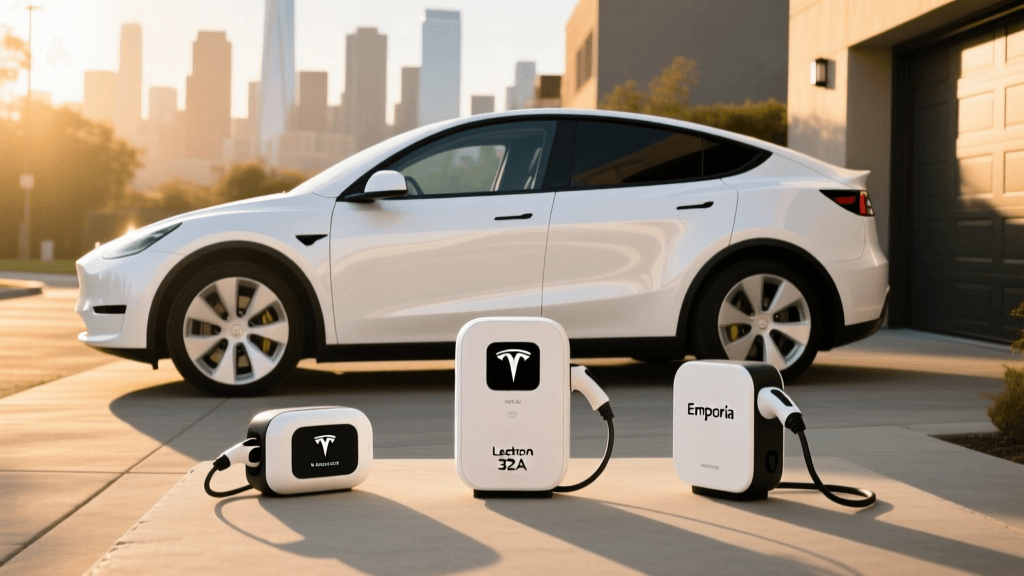
1. Emporia 48A Smart EV Charger
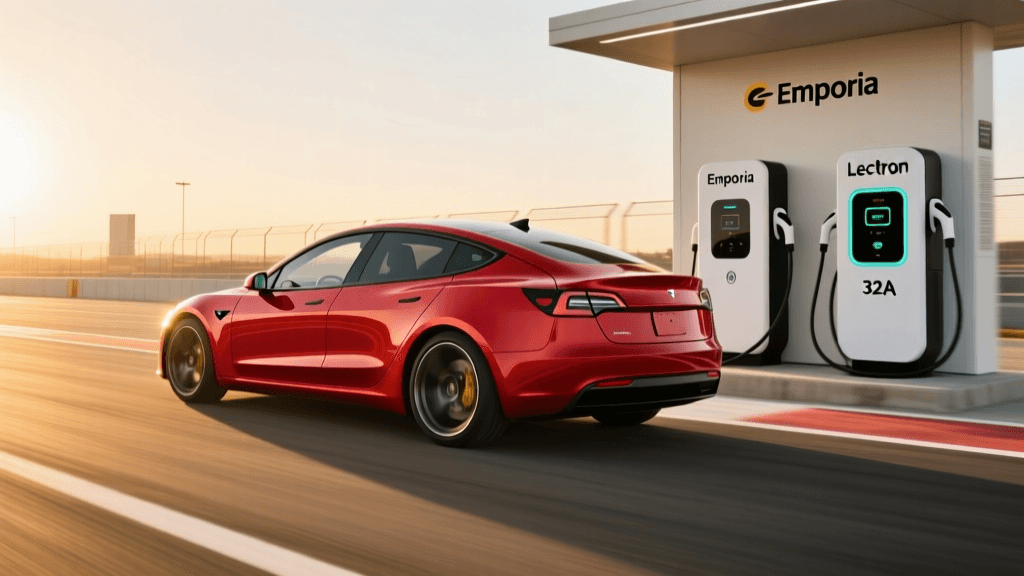
The Emporia 48A Smart EV Charger is widely considered the undisputed king of the budget category. Frequently priced right at the $399 mark (and often lower during seasonal sales), it offers features usually reserved for chargers costing twice as much. Its standout capability is the 48-amp output, which requires a hardwired connection to a 60-amp breaker. This allows it to deliver up to 11.5 kW of power, adding roughly 40-46 miles of range per hour depending on your vehicle's onboard charger acceptance rate.
Expert Take: The Emporia app is incredibly robust, offering real-time energy monitoring, solar integration (if you have the Emporia Vue panel monitor), and scheduled charging to take advantage of off-peak utility rates. However, because it maxes out at 48A, you must ensure your home's electrical panel has the capacity for a 60-amp dedicated circuit. If your panel is maxed out, you can use the app to digitally dial down the amperage output to match your available breaker size, a brilliant software-level safety feature.
2. Lectron V-BOX Pro 40A
Priced around $359, the Lectron V-BOX Pro 40A is a rugged, no-nonsense workhorse. It delivers 40 amps (9.6 kW) via a standard NEMA 14-50 plug or hardwired connection, adding about 36 miles of range per hour. Lectron has built a reputation for durable, weather-resistant enclosures, and the V-BOX Pro is no exception, boasting an IP65 rating that makes it perfectly safe for outdoor installation in harsh rain or snow.
Expert Take: While the Lectron app exists for basic scheduling and monitoring, it lacks the deep energy-tracking ecosystem of Emporia. Where the V-BOX Pro shines is in its physical build quality. The cable is thick, flexible even in freezing temperatures, and the connector holster features a clever drainage design to prevent water pooling. For owners who want a reliable plug-and-play NEMA 14-50 solution without complex smart-home integrations, this is a top-tier budget choice.
3. Amazon Basics 32A Level 2 Charger
Often hovering around $300, the Amazon Basics 32A charger is a rebranded, white-labeled version of proven EVSE hardware. It outputs 32 amps (7.6 kW) and requires a 40-amp breaker. This makes it the perfect budget solution for older homes or condos where electrical panel space is limited, and installing a 50-amp or 60-amp circuit is financially or physically impossible.
Expert Take: The Amazon Basics model is decidedly old-school. It lacks Wi-Fi, app connectivity, and advanced scheduling. Instead, it relies on simple LED indicator lights and physical dip-switches inside the unit to adjust amperage if needed. However, it is UL-listed, highly reliable, and backed by Amazon's customer service. If you just want a safe, certified 'dumb' charger that wakes up your car and feeds it power reliably every night, this is an excellent value.
Head-to-Head Comparison Chart
| Feature | Emporia 48A Smart | Lectron V-BOX Pro 40A | Amazon Basics 32A |
|---|---|---|---|
| Price (Approx) | $399 | $359 | $300 |
| Max Amperage | 48 Amps | 40 Amps | 32 Amps |
| Required Breaker | 60 Amp | 50 Amp | 40 Amp |
| Connection Type | Hardwired Only | NEMA 14-50 or Hardwired | NEMA 14-50 or Hardwired |
| Cable Length | 24 Feet | 20 Feet | 18 Feet |
| Smart Features | Wi-Fi, App, Solar Sync | Wi-Fi, Basic App | None (LED Indicators) |
| Indoor/Outdoor | Both (NEMA 4) | Both (IP65) | Both (NEMA 4) |
Expert Installation Tips: Avoiding Costly Mistakes
Buying a budget charger leaves you with extra capital to invest in what truly matters: a safe, high-quality electrical installation. Cutting corners on the installation side can lead to melted receptacles, tripped breakers, or even electrical fires. Follow these expert best practices when setting up your Level 2 charger.
1. Respect the NEC 80% Continuous Load Rule
The National Electrical Code (NEC) mandates that continuous loads—defined as loads expected to run for three hours or more, which perfectly describes EV charging—must not exceed 80% of the circuit breaker's rated capacity. This means a 40-amp charger requires a 50-amp breaker, and a 48-amp charger requires a 60-amp breaker. Never attempt to override your charger's software to pull 40 amps from a 40-amp breaker; the thermal buildup will eventually trip the breaker or damage the wiring.
2. Upgrade Your NEMA 14-50 Receptacle
If you opt for a plug-in charger like the Lectron or Amazon Basics, do not let your electrician install a standard $15 residential-grade NEMA 14-50 receptacle from a big-box store. Continuous high-amperage EV charging generates significant heat. Residential receptacles often lack the internal clamping force required to maintain a cool connection over months of daily use. Insist on an industrial-grade receptacle, such as the Hubbell 9450A or the Bryant 9450FR. These cost around $75-$100 but are engineered specifically to handle the rigorous thermal demands of EV charging.
3. Use a Torque Screwdriver and Thermal Camera
Loose wire connections are the leading cause of receptacle meltdowns. Ensure your electrician uses a calibrated torque screwdriver to tighten the terminal screws to the manufacturer's exact specifications. Furthermore, as a best practice, use a FLIR thermal camera (or a smartphone thermal attachment) after your first week of charging to scan the breaker panel and the receptacle. If you see glowing red hotspots, you have a loose connection that needs immediate tightening.
Leveraging Rebates to Expand Your Budget
If your heart is set on a premium $600+ charger like the ChargePoint Home Flex or Wallbox Pulsar Plus, you can effectively bring the price under your $400 budget by leveraging tax credits and utility rebates. The federal Alternative Fuel Vehicle Refueling Property Credit (often referred to as the 30C tax credit) can cover up to 30% of the cost of the charger and its installation, up to a maximum of $1,000, provided you live in an eligible non-urban census tract. Additionally, many local utility companies offer instant point-of-sale rebates or post-installation mail-in rebates ranging from $200 to $500 for installing Wi-Fi-enabled smart chargers that participate in demand-response programs. Always check your local utility's EV portal before purchasing.
Final Verdict
You do not need to spend $700 to achieve fast, safe, and smart home charging. The Emporia 48A is the best overall choice for tech-savvy owners with the electrical panel capacity to support a 60-amp circuit, offering unmatched software features for under $400. The Lectron V-BOX Pro is the ideal rugged, plug-and-play solution for those utilizing a NEMA 14-50 outlet, while the Amazon Basics 32A remains the most reliable, no-frills option for homes with limited electrical headroom. Pair any of these budget-friendly units with an industrial-grade receptacle and a code-compliant installation, and you will enjoy years of seamless, rapid EV charging at home.