Introduction to State EV Charger Incentives
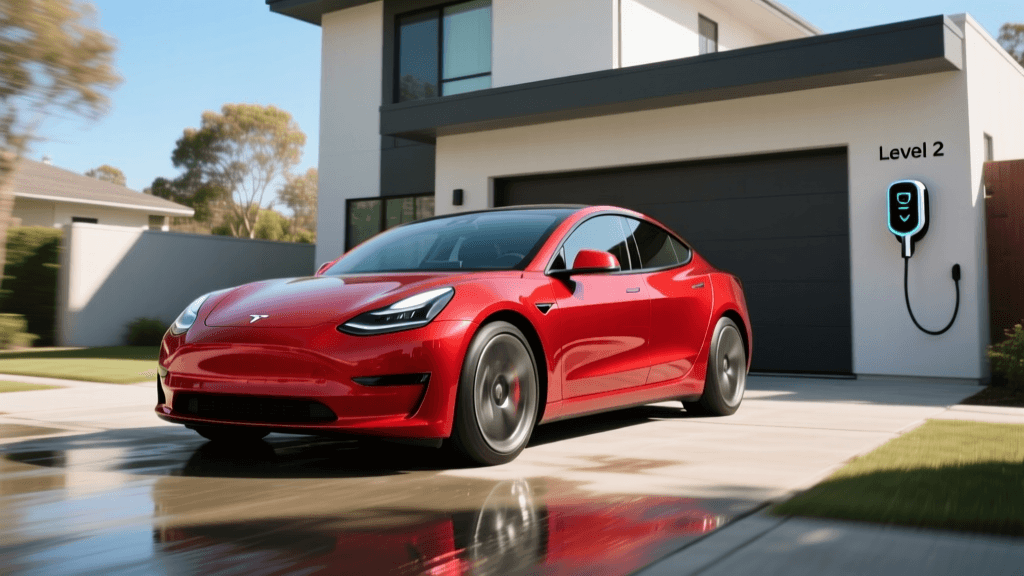
Transitioning to an electric vehicle (EV) is an exciting step toward lower emissions and reduced fuel costs, but the transition does not end when you drive off the dealership lot. For most new EV owners, the next critical step is establishing a reliable home charging setup. While a standard Level 1 charger (which plugs into a regular 120-volt wall outlet) is included with most vehicles, it only provides 3 to 5 miles of range per hour. To truly unlock the convenience of EV ownership, a Level 2 (240-volt) home charger is essential.
However, purchasing a premium smart charger like the ChargePoint Home Flex or the Tesla Wall Connector, combined with professional electrical installation, can easily cost between $500 and $2,000 or more. Fortunately, a robust network of state-level EV charging rebate and incentive programs exists to offset these costs. This beginner's complete guide will walk you through the latest 2024 updates to state-level incentives, how they differ from federal tax credits, and the exact steps you need to take to claim your rebate.
Federal vs. State EV Charging Rebates: What is the Difference?
Before diving into state-specific programs, it is vital to understand how state rebates interact with federal incentives. The federal government offers the Alternative Fuel Vehicle Refueling Property Credit (IRS Form 8911), which can cover up to 30% of the cost of hardware and installation, capped at $1,000. However, this is a non-refundable tax credit, meaning you can only claim it if you have sufficient federal tax liability, and you must wait until you file your annual taxes to see the benefit.
State-level programs, on the other hand, frequently offer upfront point-of-sale discounts, direct mail-in rebates, or utility bill credits. Furthermore, many state programs are designed to be "stackable" with federal credits, allowing you to double-dip and drastically reduce your out-of-pocket expenses. State programs also frequently target specific demographics, offering enhanced rebates for low-to-moderate-income (LMI) households or residents living in multi-unit dwellings.
2024 State-Level EV Charger Rebate Programs Compared
Incentive landscapes change rapidly as state budgets are replenished or exhausted. Below is a comparison chart highlighting some of the most prominent state-level EV home charging rebate programs currently active or updating their frameworks for the 2024-2025 cycle. For a comprehensive, real-time search of all local incentives, the Alternative Fuels Data Center (AFDC) Incentives Database remains the gold standard resource for EV owners.
| State | Program Name / Administrator | Max Rebate Amount | Key Requirements & Updates |
|---|---|---|---|
| California | Charge Up California / Utility Programs | Up to $1,000+ | Income-based tiers; requires Wi-Fi enabled smart chargers; utility make-ready programs often cover panel upgrades. |
| New York | Charge Ready NY 2.0 (NYSERDA) | $1,000 | Must use a NYSERDA-approved installer; charger must be networked and capable of demand-response. |
| Massachusetts | Mass Save EV Incentives | Up to $1,250 | Income-eligible tiers; uniquely covers up to 100% of wiring and installation costs up to a specific cap. |
| Colorado | State Tax Credit + Xcel Energy | Varies (Up to $500 State + Utility) | State offers a 30% tax credit (up to $500); utilities like Xcel offer additional wiring and hardware rebates. |
| Maryland | EVSE Tax Credit Program | Up to $700 | Covers 40% of hardware and installation costs; requires Energy Star certification and smart-charging capabilities. |
Step-by-Step: How to Claim Your State Charger Rebate
Navigating government and utility paperwork can seem daunting for beginners, but the process generally follows a standardized path. Here is your actionable, step-by-step guide to securing your state incentive.
Step 1: Verify Eligibility and Pre-Approval
Never purchase hardware or hire an electrician before checking your specific program's rules. Many state programs require you to submit a "pre-approval" application to reserve your rebate funds, as they are distributed on a first-come, first-served basis. Additionally, verify if your state requires the charger to be installed by a licensed, program-approved contractor.
Step 2: Select an Approved Smart Charger
Most modern state rebate programs mandate that the charger be "smart" or networked. This means the charger must connect to Wi-Fi and support utility demand-response programs (which allow the utility to slightly slow down charging during peak grid hours in exchange for lower rates). Excellent choices that meet almost all state criteria include the Emporia V2A, ChargePoint Home Flex, and the Enel X Way JuiceBox (though note recent corporate shifts, ensure the brand is currently supported by your state's approved list). Furthermore, the hardware usually must be Energy Star certified and listed by a recognized testing laboratory like UL or ETL.
Step 3: Evaluate Your Electrical Panel and Installation Method
According to the U.S. Department of Energy Home Charging Guide, a Level 2 charger requires a dedicated 240-volt circuit. You and your electrician must decide between two installation methods:
- NEMA 14-50 Receptacle: A heavy-duty outlet (similar to what an electric oven uses). This is often cheaper to install and allows you to unplug and take your charger with you if you move. However, the National Electrical Code (NEC) now requires a GFCI breaker for receptacles, which can add $100-$150 to the installation cost and occasionally cause nuisance tripping with certain EVs.
- Hardwired Connection: The charger is wired directly into your electrical panel. This is generally safer, supports higher amperages (up to 80 amps for ultra-fast charging), and avoids the GFCI receptacle requirement. Many state rebate programs actually prefer or require hardwired installations for outdoor chargers.
Step 4: Installation and Documentation
Hire a licensed electrical contractor. Ensure they pull the necessary local permits, as almost all state rebate programs will reject your application if you cannot provide a final passed inspection certificate from your local building department. Keep itemized receipts that clearly separate the cost of the hardware from the cost of labor and materials.
Step 5: Submit Your Claim
Once your installation passes inspection, submit your application portal with your pre-approval number, itemized receipts, the charger's serial number, and the electrical inspection certificate. Reimbursement checks or direct deposits typically arrive within 4 to 8 weeks.
Don't Forget the "Make-Ready" Infrastructure Costs
One of the biggest surprises for beginner EV owners is the cost of "make-ready" infrastructure. If your home's electrical panel is older (e.g., a 100-amp service) or the garage is located far from the panel, you may need a panel upgrade or a long conduit run. Panel upgrades can cost between $1,500 and $3,000. Fortunately, progressive states and utilities are updating their programs to include "make-ready incentives." For example, utility companies in California and New York often cover 100% of the wiring and panel upgrade costs up to a certain cap, ensuring that renters and homeowners in older buildings are not priced out of the EV transition.
Combining Utility and State Programs
To maximize your savings, always check your local electric utility's specific EV programs. Utilities frequently offer separate rebates that can be stacked with state incentives. For instance, a utility might offer a $300 mail-in rebate for purchasing a smart charger, plus a special "Time-of-Use" (TOU) rate plan that drastically reduces the cost of electricity when you charge overnight between 12:00 AM and 5:00 AM. Some utilities even offer a free Level 2 charger if you sign up for a specific TOU rate plan, effectively reducing your hardware cost to zero before you even apply for your state installation rebate.
Conclusion
State-level EV charging rebate and incentive programs are evolving rapidly, shifting focus toward smart-grid integration, equitable access for low-income households, and covering the hidden costs of electrical panel upgrades. By understanding the difference between federal tax credits and state rebates, choosing an approved smart charger, and meticulously documenting your installation, you can easily shave hundreds or even thousands of dollars off your home charging setup. Always consult your state's energy office and local utility provider before breaking ground to ensure you capture every available dollar.