Introduction to Municipal EV Charging Rollouts
As electric vehicle (EV) adoption accelerates across the globe, the spotlight is shifting from the vehicles themselves to the infrastructure required to power them. For new and prospective EV owners, understanding how public charging networks are built can feel overwhelming. However, a massive wave of municipal EV charging infrastructure deployment plans is currently transforming our cities, towns, and rural corridors. This beginner's complete guide will demystify municipal charging rollouts, explaining how local governments plan, fund, and execute these vital networks, and what it all means for your daily driving experience.
When your local city council or county government announces an "EV Master Plan" or a "Charging Infrastructure Deployment Strategy," they are laying out a multi-year roadmap to install publicly accessible chargers. These plans are designed to eliminate range anxiety, support residents who lack access to home charging (such as apartment dwellers), and transition municipal fleets to zero-emission vehicles. By understanding the mechanics of these rollouts, you can better navigate your city, anticipate new charging locations, and even advocate for infrastructure in your own neighborhood.
The Backbone of City Plans: Federal and State Funding
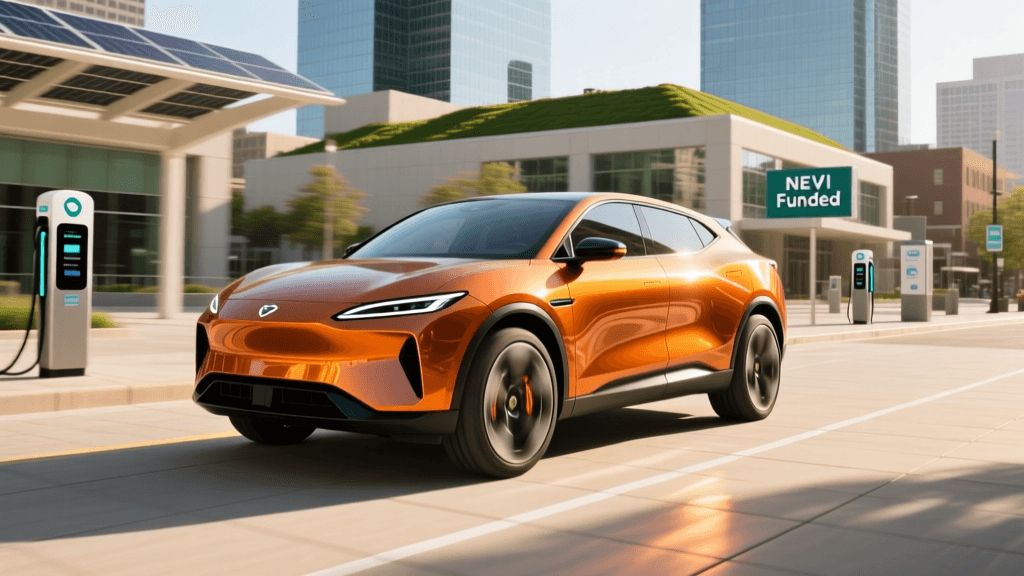
Municipalities rarely fund these massive infrastructure projects entirely on their own. The current boom in city-led EV charging deployments is heavily subsidized by federal and state initiatives. The most significant catalyst in the United States is the National Electric Vehicle Infrastructure (NEVI) Formula Program. Established under the Bipartisan Infrastructure Law, the NEVI program provides $5 billion in funding to states to build a national charging network.
While NEVI primarily targets major highway corridors to ensure chargers are located every 50 miles, a significant portion of this funding—and additional state-level grants—is trickling down to municipal governments for community-level charging. According to the Federal Highway Administration, the goal is to create a convenient, reliable, and equitable national network. Cities use these funds to offset the steep capital costs of grid upgrades, trenching, and purchasing commercial-grade DC Fast Charging (DCFC) hardware, ultimately accelerating the rollout timeline for local residents.
Types of Municipal Charging Deployments
Not all public chargers are created equal. When reviewing your city’s deployment plan, you will typically see infrastructure categorized into three main buckets: curbside residential charging, community mobility hubs, and municipal fleet depots. Below is a comparison chart detailing what to expect from each deployment type.
| Deployment Type | Target Audience | Typical Power Output | Estimated Hardware Cost | Installation Timeline |
|---|---|---|---|---|
| Curbside Level 2 | Apartment dwellers, street parkers | 7 kW to 19 kW (AC) | $3,000 - $7,000 per port | 3 - 6 months |
| Neighborhood DC Fast Hub | Rideshare drivers, quick top-ups | 50 kW to 350 kW (DC) | $40,000 - $150,000+ per port | 9 - 18 months |
| Municipal Fleet Depot | City vehicles, transit buses | 60 kW to 500 kW (DC) | $50,000 - $200,000+ per port | 12 - 24 months |
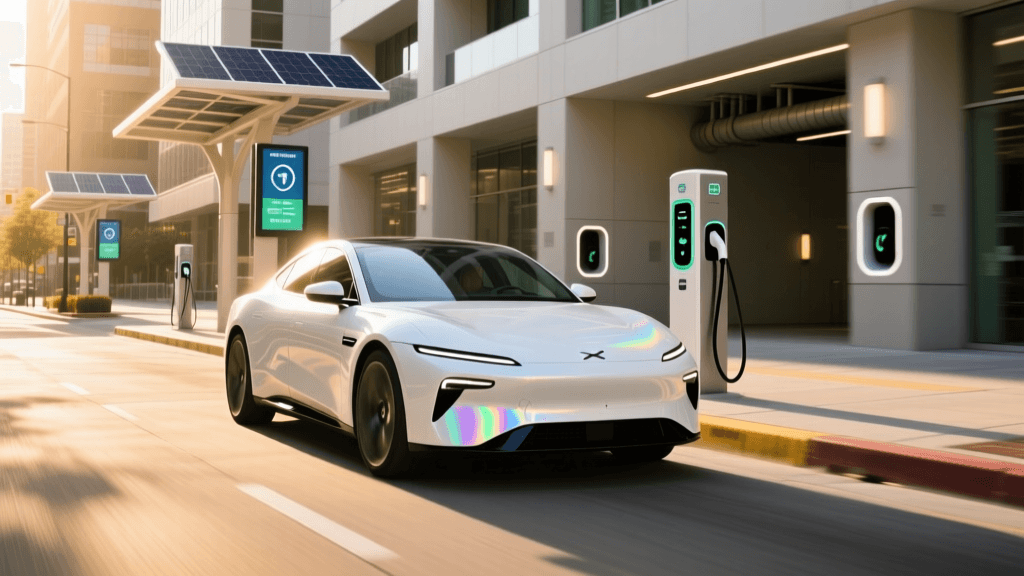
For the everyday beginner EV owner, Curbside Level 2 and Neighborhood DC Fast Hubs are the most relevant. Curbside chargers are often integrated directly into existing streetlight poles or mounted on specialized bollards, allowing overnight charging for those without driveways. DC Fast Hubs are typically located in municipal parking lots, community centers, or public parks, offering a rapid 20-minute charge while you run errands or attend a community event.
Understanding Costs: Municipal vs. Private Networks
One of the most common questions beginners have is: "How much will it cost to use these city-owned chargers?" Municipal deployment plans often prioritize accessibility and equity over pure profit, which can lead to more favorable pricing structures compared to private networks like Electrify America or EVgo.
Many cities implement a "cost-recovery" pricing model. This means the price per kilowatt-hour (kWh) is set merely to cover the cost of electricity, maintenance, and software fees, rather than to generate a profit margin. Furthermore, municipalities frequently partner with local public utilities to leverage Time-of-Use (TOU) rates. If you plug into a city-owned Level 2 charger during off-peak hours (typically between 11:00 PM and 6:00 AM), the municipal software may automatically pass those utility savings on to you, resulting in charging costs that are significantly lower than daytime rates.
Additionally, some cities offer subsidized or entirely free charging at public libraries, recreation centers, and city halls as a perk for residents, though this is becoming less common as networks scale and electricity demand rises.
Equity and Accessibility in City Rollouts
A major focal point of modern municipal EV plans is environmental justice and equity. Historically, private charging networks have clustered in affluent neighborhoods with high EV adoption rates, leaving low-income and multi-family housing districts as "charging deserts." Municipal deployment plans actively combat this by using demographic data to place chargers in underserved communities.
The Alternative Fuels Data Center provides extensive resources and planning frameworks that help local governments identify these gaps. When cities apply for federal grants, they are often required to demonstrate how their deployment plan will benefit disadvantaged communities. As a resident, this means you are highly likely to see new charging infrastructure popping up in public parks, community health centers, and affordable housing complexes in historically underinvested neighborhoods.
How to Navigate and Influence Your City’s EV Master Plan
You don't have to be a passive observer in your city's EV transition. Municipalities are required to hold public comment periods and town hall meetings before finalizing infrastructure deployment plans. Here is a step-by-step guide to getting involved and finding chargers in your area:
- Locate the Sustainability Office: Search your city or county government website for the "Office of Sustainability," "Department of Public Works," or "Environmental Services." This department usually manages the EV Master Plan.
- Review the Interactive Maps: Most modern city deployment plans include an interactive GIS map showing proposed, under-construction, and completed charging sites. Bookmark this page to track new installations near your home or commute route.
- Attend City Council Meetings: Infrastructure budgets and zoning variances for DC Fast Charging hubs must be approved by the city council. Attending these meetings (or submitting written public comments) is the most effective way to advocate for a charger on your specific street or neighborhood.
- Download Local Government Apps: Many cities are integrating their municipal chargers into local parking apps. Ensure you download your city's official parking application, as it will often feature real-time availability data for city-owned chargers and allow you to pay seamlessly.
Conclusion
Municipal EV charging infrastructure deployment plans represent a fundamental shift in how our cities operate. By combining federal funding, local utility partnerships, and community-focused planning, cities are building the backbone of the electric mobility revolution. For beginners, understanding these rollouts transforms the abstract concept of "public charging" into a tangible, navigable network. Whether you are relying on a new curbside Level 2 charger outside your apartment or utilizing a rapid DC hub at your local community center, municipal networks are paving the way for a more accessible, equitable, and electrified future. To stay updated on national and local deployment strategies, resources from the Joint Office of Energy and Transportation remain an invaluable tool for both consumers and city planners alike.