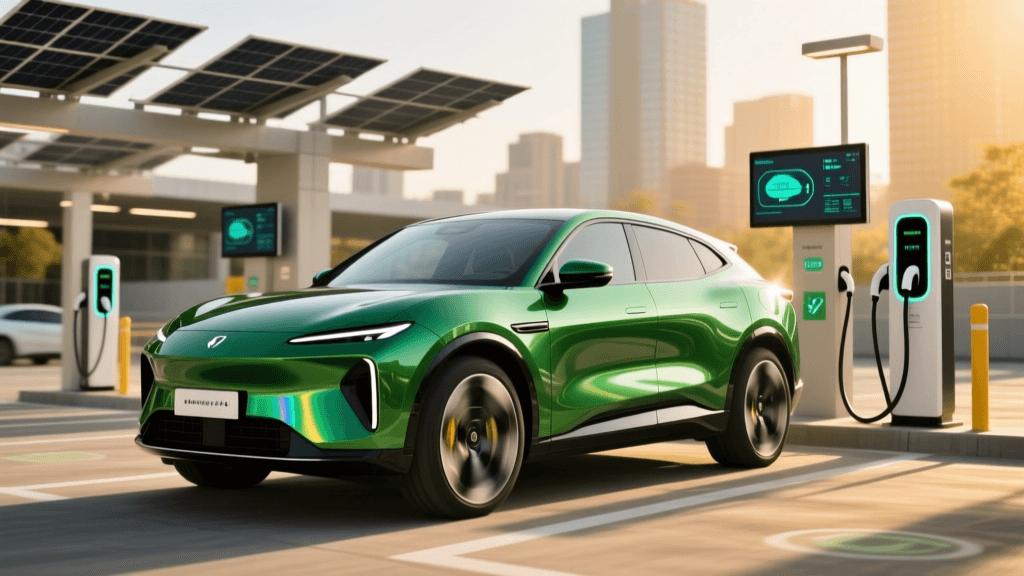
The Rising Threat of EV Charger Vandalism
As the electric vehicle (EV) market accelerates globally, the deployment of Electric Vehicle Supply Equipment (EVSE) has expanded into increasingly remote, unattended, and diverse locations. Unfortunately, this rapid growth has been accompanied by a frustrating and costly trend: EV charging station vandalism. From severed charging cables and smashed touchscreens to graffiti and destroyed RFID readers, malicious damage causes severe downtime, degrades the driver experience, and costs network operators thousands of dollars in repairs per incident.
According to the U.S. Department of Energy, ensuring the reliability and resilience of EV charging infrastructure is critical for widespread EV adoption. When chargers are out of service due to vandalism, it directly undermines consumer confidence and creates range anxiety. For site hosts, fleet operators, and charge point operators (CPOs), implementing a multi-layered security strategy is no longer optional—it is a fundamental requirement for protecting your investment and ensuring uptime.
Step 1: Fortify with Physical Barriers and Enclosures
The first line of defense against EV charger vandalism is physical deterrence. Vandalism often involves vehicles backing into pedestals or individuals using blunt force to damage screens and cable holsters. Addressing these vulnerabilities requires robust, commercial-grade materials.
Installing Steel Security Bollards
To protect the charger pedestal from accidental or intentional vehicle ramming, install heavy-duty steel bollards. The industry standard is a 4.5-inch outer diameter, Schedule 40 steel pipe, standing 36 inches above ground. For maximum impact resistance, these bollards must be filled with concrete and set into a concrete footing at least 3 feet deep.
- Placement and ADA Compliance: Bollards should be placed 3 to 4 feet away from the charger to allow adequate turning radius and wheelchair access, ensuring compliance with the Americans with Disabilities Act (ADA). Spacing them too close creates an accessibility barrier, while spacing them too far renders them useless against vehicle intrusion.
- Cost Estimate: Professional installation of concrete-filled steel bollards typically ranges from $300 to $600 per bollard, depending on local concrete and labor costs.
Polycarbonate Screen and Cable Shields
Smashed touchscreens are one of the most common and expensive forms of EVSE vandalism. To mitigate this, retrofit your chargers with 0.25-inch thick Polycarbonate or PETG screen shields. Unlike tempered glass, which can shatter upon impact, polycarbonate is virtually unbreakable and absorbs blunt force from hammers or rocks. Additionally, consider installing steel cable-retraction holsters that lock the charging connector flush against the unit when not in use, preventing vandals from snapping the cable or dragging it through dirt and debris.
Step 2: Deploy AI-Powered Surveillance and Strategic Lighting
Vandalism thrives in the dark and in areas where perpetrators feel unobserved. Upgrading your surveillance and lighting infrastructure is a proven method to deter criminal activity and gather actionable evidence if an incident occurs.
Upgrading to IK10-Rated AI Cameras
Standard CCTV cameras are often inadequate for modern EV charging sites. Instead, deploy outdoor dome cameras with an IK10 impact rating (meaning they can withstand a 20-joule impact, equivalent to a heavy strike with a bat) and an IP67 weatherproof rating. Leading brands like Axis Communications and Hikvision now offer cameras equipped with edge-based AI analytics.
- Loitering Detection: AI algorithms can be configured to trigger an alert if a person lingers near the cable holster or internal breaker panel for more than 30 seconds without initiating a charging session.
- Active Deterrence: Many modern AI cameras feature built-in strobe lights and two-way audio. If loitering or tampering is detected, the camera can automatically flash a warning light and play a pre-recorded message stating that the area is under surveillance.
- Cost Estimate: A commercial-grade AI camera setup, including NVR (Network Video Recorder) storage and installation, generally costs between $1,500 and $3,000 per site.
Optimizing Site Lighting
Security cameras require adequate light to capture facial features and license plates. Upgrade your site to 5000K (daylight) LED floodlights that deliver a minimum of 20 foot-candles (approximately 200 lux) at the ground level. Eliminate dark corners and shadows around the charger pedestals and parking perimeters. Well-lit sites are statistically much less likely to be targeted by opportunistic vandals.
Step 3: Leverage OCPP Software and Hardware Sensors
Physical security must be paired with intelligent software monitoring. The Open Charge Point Protocol (OCPP), particularly versions 1.6J and 2.0.1, allows chargers to communicate real-time hardware statuses back to the central management system (CMS).
Modern EV chargers are equipped with internal tilt sensors and door-open switches. If a vandal attempts to pry open the charger's main electrical panel or if the unit is struck and tilted off its axis, the OCPP connection instantly pushes a critical fault code to the network operator's dashboard. This allows operators to remotely disable the station's power supply within seconds, preventing electrical fires or further damage, and automatically dispatches a maintenance crew. The Cybersecurity and Infrastructure Security Agency (CISA) emphasizes that integrating physical sensors with networked monitoring is a cornerstone of modern infrastructure protection.
Comprehensive Security Solution Comparison
The table below outlines the primary security solutions available to EV site hosts, comparing their upfront costs, maintenance requirements, and primary benefits.
| Security Solution | Est. Upfront Cost | Maintenance Level | Primary Benefit |
|---|---|---|---|
| Concrete-Filled Steel Bollards | $300 - $600 each | Low (Visual inspection) | Prevents vehicle ramming and pedestal destruction |
| Polycarbonate Screen Shields | $50 - $150 each | Low (Periodic cleaning) | Stops blunt-force screen smashing and scratching |
| IK10 AI Surveillance Cameras | $1,500 - $3,000 | Medium (Software updates) | Active deterrence, loitering alerts, and evidence capture |
| 5000K LED Flood Lighting | $800 - $1,500 | Low (Bulb replacement) | Eliminates shadows, improves camera clarity, deters night crime |
| OCPP Tilt & Door Sensors | Included in modern EVSE | High (Requires CMS monitoring) | Instant remote power shutoff and automated repair dispatch |
Step 4: Incident Response and Community Deterrence
Even with the best preventative measures, incidents can occur. Establishing a rapid incident response protocol is vital for minimizing downtime. When a charger reports a vandalism fault code via OCPP, the CMS should automatically update the station's status to 'Out of Order' on all public mapping apps (like PlugShare or the network's native app). This prevents drivers from navigating to a broken charger, which severely damages brand reputation.
Furthermore, community engagement plays a surprising role in security. The Edison Electric Institute (EEI) notes that community-supported infrastructure often experiences lower rates of vandalism. Install clear, highly visible signage that includes a 24/7 support number, a QR code for reporting damage, and explicit warnings that the area is monitored by AI-enhanced surveillance. When local EV communities feel a sense of ownership over their local charging hubs, they often act as informal neighborhood watches, reporting suspicious activity before damage is done.
Conclusion
Protecting EV charging stations from vandalism requires a proactive, layered approach that combines heavy-duty physical barriers, intelligent AI surveillance, and real-time software monitoring. By investing in concrete-filled bollards, IK10-rated cameras, and leveraging OCPP sensor data, site hosts can drastically reduce repair costs, eliminate dangerous electrical hazards, and ensure that drivers have reliable access to the charging infrastructure they depend on. As the EV landscape continues to evolve, treating charging stations as critical, high-security assets will be the defining factor in the success of any charging network.