The Reality Behind the Headlines
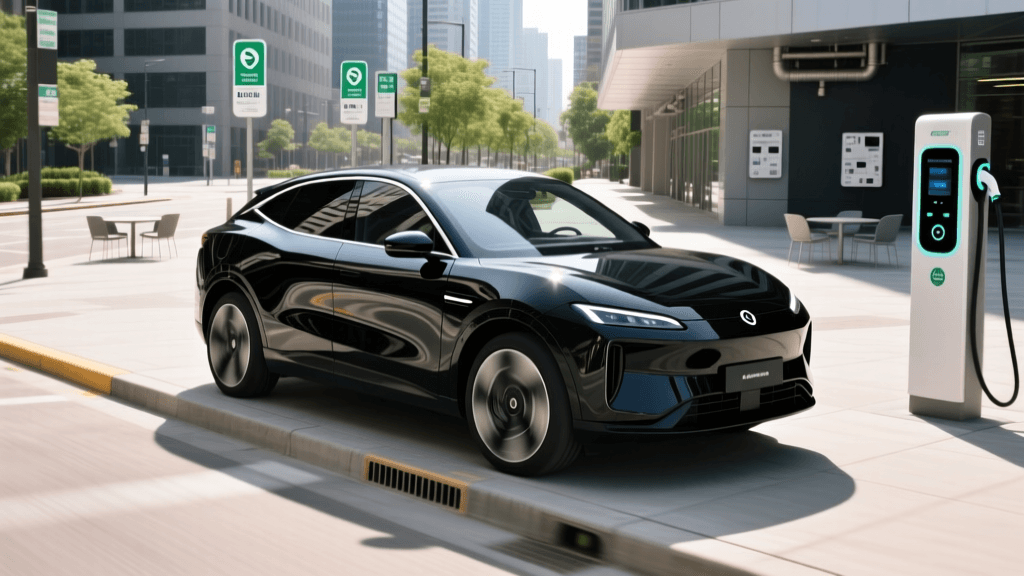
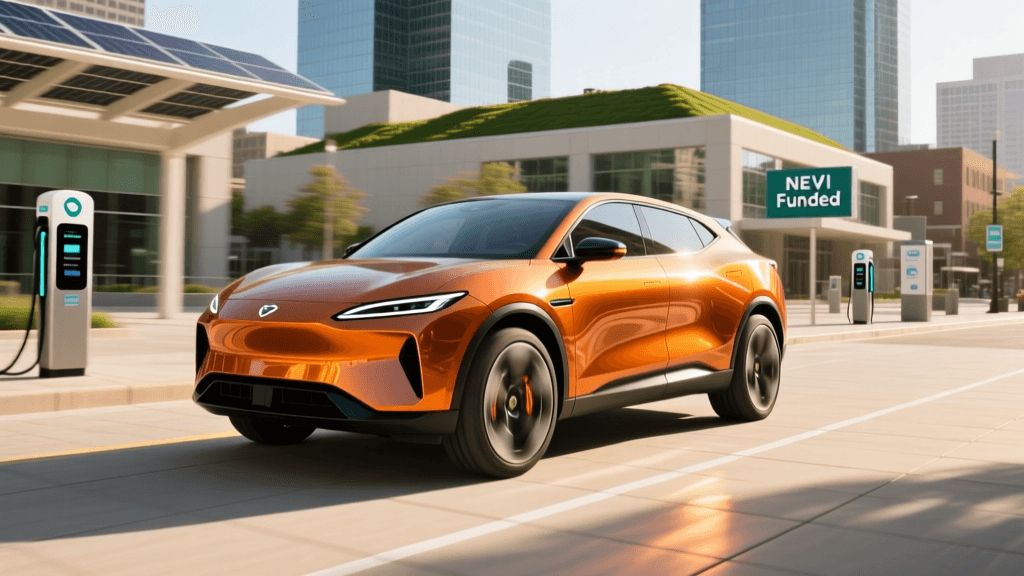
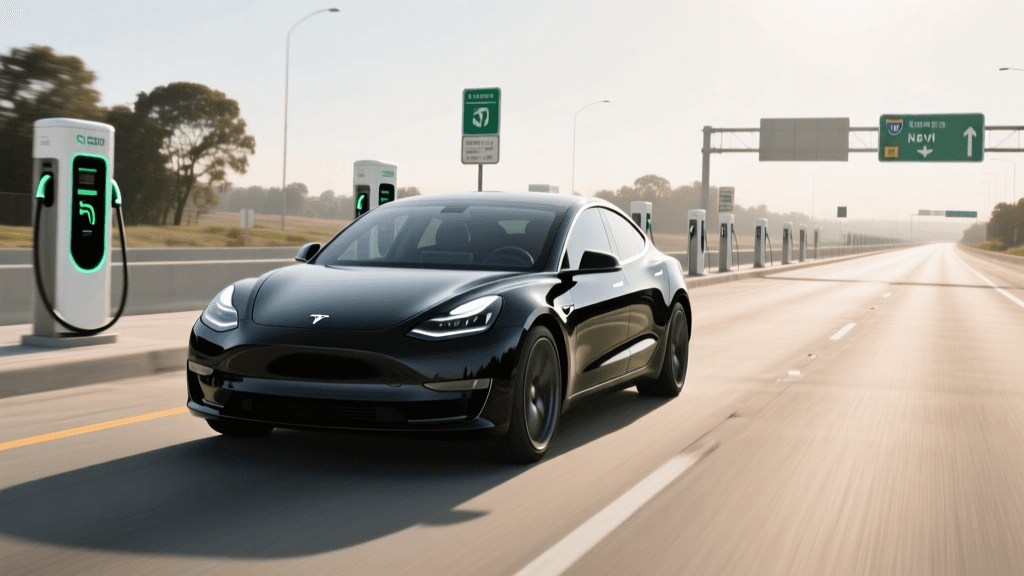
The landscape of electric vehicle infrastructure is evolving at a breakneck pace, driven by massive public and private investments. Recent announcements regarding new EV charging corridor deployments along major highways like I-5, I-80, and I-95 have generated immense excitement among current and prospective EV owners. Programs like the National Electric Vehicle Infrastructure (NEVI) formula program, backed by the Bipartisan Infrastructure Law, promise a seamless coast-to-coast driving experience. However, this wave of press releases and government funding announcements has also bred a dangerous wave of misinformation. Many drivers are making critical route-planning mistakes based on assumptions that do not reflect the physical and electrical realities of these new deployments. At AutoEdgeView, we specialize in separating marketing hype from real-world usability. Below, we bust five of the most common myths surrounding new highway EV charging corridors and provide actionable advice to ensure your next road trip is a success.
Myth 1: 'Chargers Are Exactly Every 50 Miles, No Exceptions'
One of the most pervasive misunderstandings stems from the headline-friendly '50-mile rule' associated with federal highway corridor funding. Many drivers mistakenly believe that once a corridor is fully funded, they will never be more than 50 miles from a charger in any direction. According to the Federal Highway Administration's NEVI program guidelines, the requirement is that charging stations must be spaced no more than 50 miles apart along the designated Alternative Fuel Corridor.
The critical mistake drivers make is misunderstanding how this distance is measured and applied. First, the 50-mile spacing is measured continuously along the highway route, not from your specific point of entry. Second, the guidelines require stations to be located within one travel mile of the highway exit. In rural stretches of I-80 or I-10, exiting the highway, navigating to a station, charging, and returning to the highway can easily add 10 to 15 miles of round-trip driving. If your vehicle's real-world highway range is marginal, assuming you can drive exactly 49 miles before pulling over could leave you stranded. Always plan your highway corridor trips using a buffer, aiming to arrive at the next station with at least 15% to 20% state of charge (SoC) remaining to account for detours, elevation changes, and headwinds.
Myth 2: 'Every New Corridor Charger Will Deliver 350kW Speeds'
When new corridor deployments are announced, automakers and charging networks frequently highlight 'ultra-fast' 350kW charging capabilities. This leads to the widespread myth that every new highway stall will replenish your battery in 15 minutes. The reality is heavily constrained by local utility grid capacity. Upgrading rural highway exits to support multiple 350kW dispensers requires massive grid reinforcements, including new substations and high-voltage lines, which can take years to permit and build.
Consequently, many new highway corridor sites are initially capped at 150kW or 180kW per stall. Furthermore, the 350kW peak speed is only achievable if your vehicle utilizes an 800V architecture (like the Hyundai Ioniq 5, Kia EV6, or Porsche Taycan) and the battery is at an optimal temperature and low state of charge. If you are driving a 400V vehicle, a 350kW charger will still be throttled by your car's onboard battery management system.
| Vehicle Architecture | 150kW Station (Avg 110kW Curve) | 350kW Station (Avg 250kW Curve) |
|---|---|---|
| 400V System (e.g., Ford Mustang Mach-E) | ~42 minutes (10-80% SoC) | ~35 minutes (10-80% SoC) |
| 800V System (e.g., Hyundai Ioniq 5) | ~38 minutes (10-80% SoC) | ~18 minutes (10-80% SoC) |
As highlighted by the Alternative Fuels Data Center, understanding your vehicle's specific charging curve is far more important than the maximum theoretical output of the highway station. Always check the specific kW rating of your planned stops on apps like PlugShare or A Better Routeplanner (ABRP) before you depart.
Myth 3: 'The Connector War is Over, So I Don't Need Adapters'
With major automakers officially adopting the North American Charging Standard (NACS) for future vehicles, a common mistake among road-trippers is assuming the connector transition is already complete and that all new corridor chargers will natively fit their cars. This is a massive misconception. The transition period will last for several years, resulting in a highly fragmented highway charging landscape.
New NEVI-funded corridor stations are currently mandated to include both CCS1 and NACS connectors, but legacy highway sites operated by networks like Electrify America or EVgo may still be predominantly CCS. If you drive a newer Tesla and attempt to use a non-Tesla highway corridor charger, or if you drive a CCS-equipped Ford or GM vehicle and try to use a newly deployed NACS-only Tesla Supercharger corridor, you will be stranded without the proper hardware. The most critical actionable advice for modern EV road trippers is to carry a high-quality, heavy-duty CCS-to-NACS adapter (or utilize the network's proprietary 'Magic Dock' tethered adapter if available). Never assume the physical connector at a newly announced highway site will match your vehicle's native port without verifying the station's specific hardware list online.
Myth 4: 'Highway Corridor Stations Are Designed for Towing'
For owners of heavy-duty electric trucks like the Ford F-150 Lightning, Rivian R1T, or Chevrolet Silverado EV, the announcement of new highway corridors often sparks dreams of effortless cross-country towing. The harsh reality is that the vast majority of new highway corridor deployments are built with standard 'pull-in' parking stalls, not 'pull-through' lanes designed for trailers.
The mistake here is both logistical and social. Attempting to back a 25-foot travel trailer into a standard highway charging stall blocks adjacent chargers, damages curbing, and violates the unwritten rules of EV charging etiquette. Furthermore, towing a trailer at 70 mph cuts an EV's highway range by 40% to 50%, meaning the 50-mile corridor spacing is entirely inadequate for towing. If you must tow on a highway corridor, you must actively seek out stations specifically tagged as 'Towing Friendly' or 'Pull-Through' on community-driven apps like PlugShare, and be prepared to unhitch your trailer at a nearby designated parking area before pulling into the charging stall.
Myth 5: '97% Uptime Guarantees Mean Zero Queues or Broken Stalls'
Federal guidelines and private network SLAs frequently boast about '97% uptime' for new highway corridor stations. Drivers interpret this to mean that when they pull up to a newly announced 4-stall highway site, all four chargers will be working perfectly. The data from the Joint Office of Energy and Transportation shows that while network uptime is improving, the mathematical reality of a 97% uptime guarantee on a small site leaves significant room for frustration.
On a 4-stall highway site, a 97% uptime allowance means that roughly one charger could be offline for several days a year without the network violating its federal or contractual obligations. If you arrive at a rural highway corridor stop with only one working 150kW stall and two other EVs are already queued, your 20-minute charging stop just turned into a two-hour delay. The 97% metric is an aggregate network average, not a real-time guarantee for your specific highway exit. Always identify a backup charging location 15 to 20 miles down the highway corridor before you commit to a stop that shows only one active stall on your network app.
Actionable Checklist for Highway EV Corridor Travel
- Pre-Condition via Native Nav: Always enter your highway corridor stop into the vehicle's native navigation system 30 miles out. This triggers battery pre-conditioning, ensuring you hit peak charging speeds even at 150kW stations.
- Verify Connector Types: Do not rely on headlines. Check the specific station listing on PlugShare to confirm if the new corridor site has NACS, CCS, or both, and ensure your adapters are in the trunk.
- Download Offline Maps: Rural highway corridors often feature cell service dead zones. Download offline maps and ensure your charging network apps are logged in and updated before entering low-coverage zones.
- Plan for the 'Detour Tax': Add 5 to 10 miles to your route planner's distance estimates to account for exiting the highway, navigating to the station, and merging back into traffic.
- Check for Construction Tags: New corridor announcements often precede months of physical construction. Always check recent user photos and comments on charging apps to ensure the announced site is actually open and operational.