Introduction to Municipal EV Charging Infrastructure
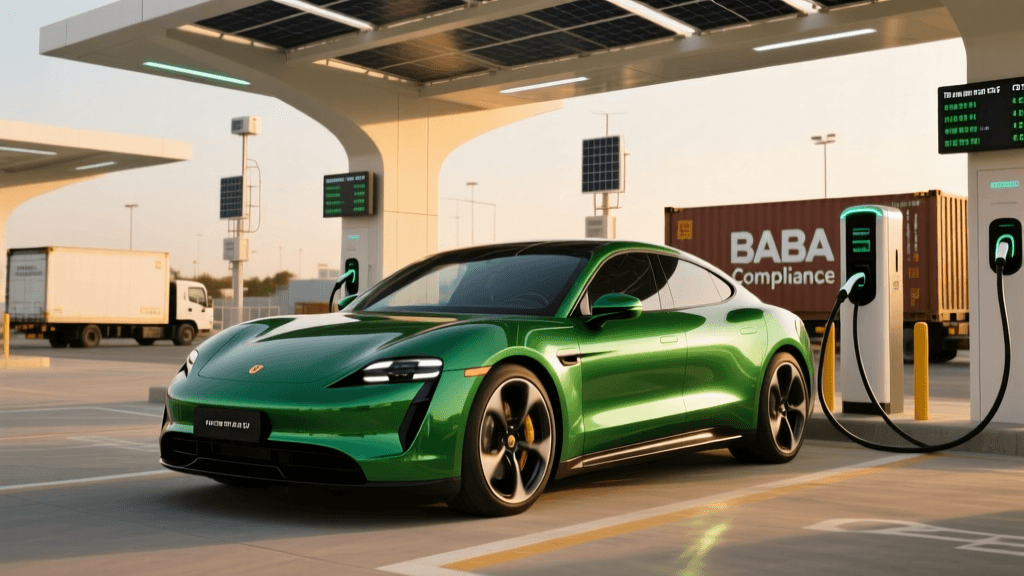
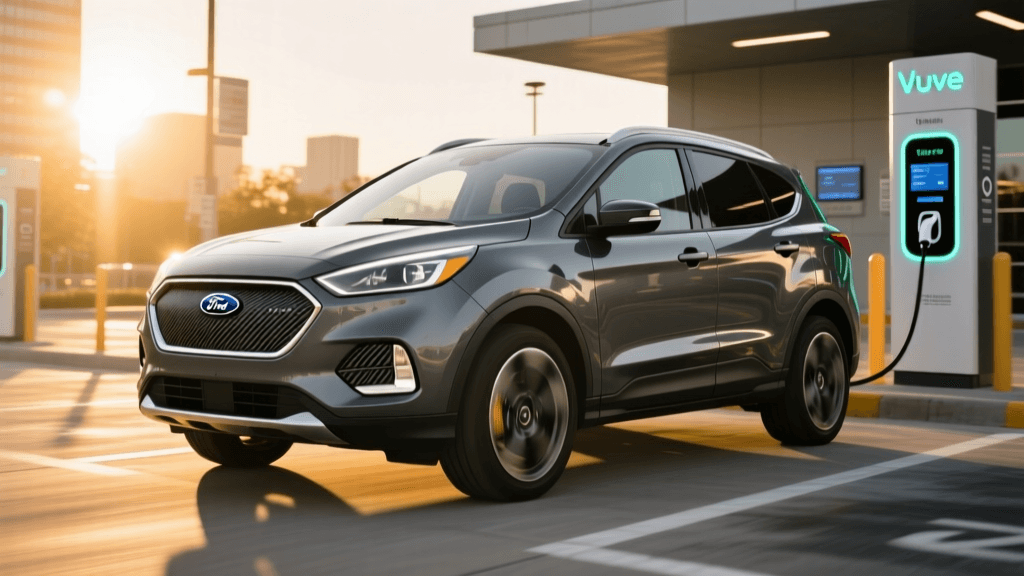
As electric vehicle (EV) adoption accelerates across the globe, the automotive industry is undergoing a massive paradigm shift. For homeowners with private garages, charging is as simple as plugging in overnight. However, for the millions of urban residents who rely on street parking, apartment complexes, or public lots, the transition to electric mobility hinges entirely on one critical factor: municipal EV charging infrastructure. Welcome to AutoEdgeView's complete beginner's guide to understanding how cities are planning, funding, and deploying public charging networks.
Municipal deployment plans are no longer just about dropping a few chargers in a city hall parking lot. Today, urban planners, utility companies, and federal agencies are collaborating to create comprehensive, equitable, and resilient charging ecosystems. Whether you are a new EV owner trying to navigate your city's charging map, or a curious resident wondering why your street is being dug up, this guide will break down the mechanics of municipal EV charging rollouts.
The Urban Shift: Why Cities Are Taking Charge
Historically, EV charging was viewed as a private responsibility. Automakers sold the cars, and consumers bought home chargers. But as EVs move from early adopters to the mass market, city governments have realized that a lack of public infrastructure is the single biggest bottleneck to adoption. According to the U.S. Department of Energy's Alternative Fuels Data Center, a robust public charging network is essential to alleviate range anxiety and support drivers who lack access to private parking.
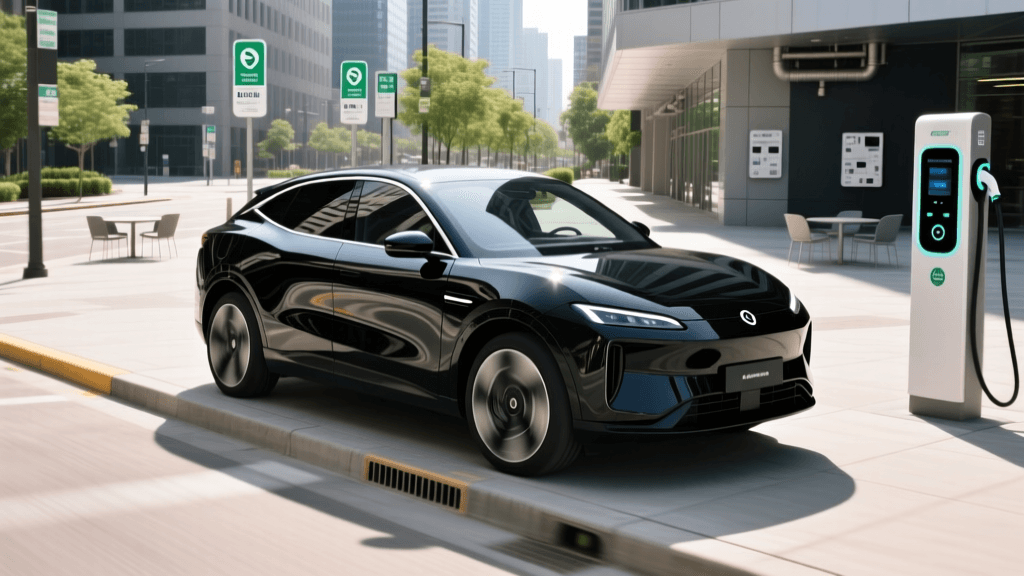
Municipalities are stepping in to solve the 'curbside charging dilemma.' If a city wants to meet its aggressive 2030 or 2035 climate action goals, it must ensure that residents living in multi-family dwellings and dense urban corridors have reliable access to charging. This has triggered a wave of municipal deployment plans that integrate chargers into existing street furniture, public parking garages, and transit hubs.
The Blueprint: How Municipalities Plan Deployments
Deploying a city-wide charging network is a complex logistical puzzle. City planners do not simply guess where chargers should go; they rely on data-driven deployment plans. Here is how municipalities strategize their rollouts:
1. Equity and Accessibility Mapping
A major focus of modern municipal plans is environmental justice. Historically, private charging companies favored wealthy neighborhoods where EV adoption was already high. Today, cities use Geographic Information Systems (GIS) and demographic data to identify 'charging deserts'—low-to-moderate income neighborhoods with high multi-family housing density but zero public charging. Deployment plans now mandate that a specific percentage of new chargers be placed in these underserved communities to ensure equitable access.
2. Utility Grid Capacity Analysis
Before a city can install a bank of DC Fast Chargers, it must consult with the local utility provider. Upgrading grid capacity to support high-power charging hubs can take months or even years. Planners map out substations and distribution lines to find locations where the grid already has excess capacity, minimizing the need for expensive and time-consuming utility upgrades.
3. Traffic Flow and Parking Integration
Urban space is at a premium. Planners must balance the need for EV charging with the need for delivery zones, bike lanes, and general parking. This has led to the rise of 'charging hubs' located on the peripheries of downtown areas, as well as the integration of low-profile chargers into existing parallel parking spots.
Types of Chargers in Municipal Deployment Plans
Not all public chargers are created equal. Municipalities deploy a mix of charging technologies to serve different use cases. Below is a comparison of the most common charger types found in city deployment plans:
| Charger Type | Typical Municipal Location | Power Output | Best Use Case | Estimated Install Cost |
|---|---|---|---|---|
| Curbside Level 2 (L2) | Residential street parking, retail districts | 7 kW - 19 kW | Overnight charging, multi-hour shopping | $3,000 - $8,000 per port |
| Smart Pole / Streetlight L2 | Sidewalks, dense urban corridors | 3 kW - 7 kW | Space-constrained overnight top-ups | $1,500 - $4,000 per port |
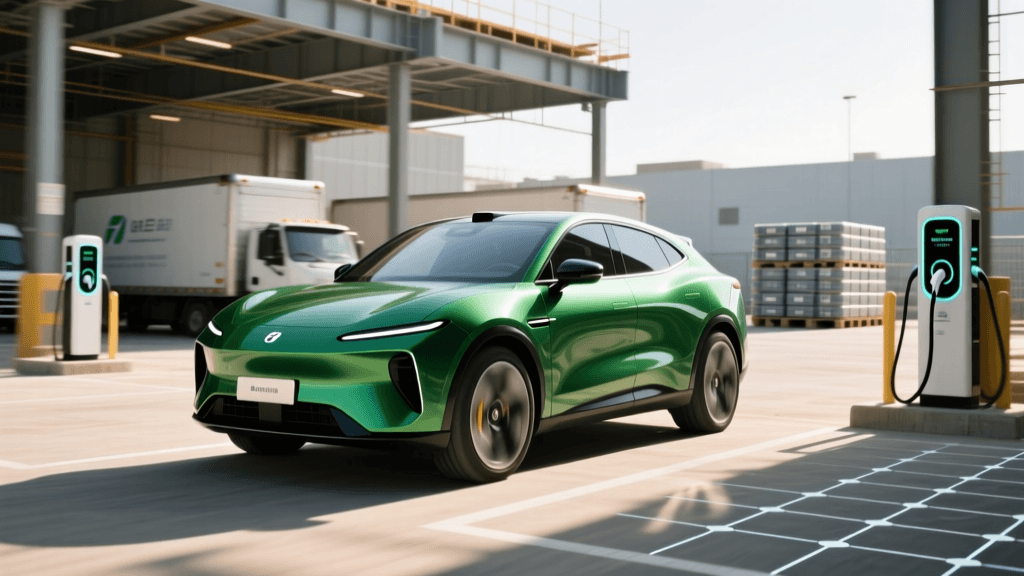
| DC Fast Charging (DCFC) Hub | Highway corridors, transit centers, stadiums | 50 kW - 350 kW | Rapid charging, ride-share fleets, road trips | $100,000 - $250,000+ per hub |
| Depot / Transit DCFC | Municipal bus depots, city fleet garages | 150 kW - 500 kW | Electrifying city bus and waste fleets | $200,000+ (Heavy utility upgrades) |
Note: Costs vary wildly based on local trenching requirements, utility transformer upgrades, and permitting fees.
Funding the Build-Out: NEVI and Local Grants
Building municipal infrastructure is incredibly expensive, but cities are not doing it alone. The backbone of current U.S. deployment plans is the Federal Highway Administration's National Electric Vehicle Infrastructure (NEVI) Formula Program. This landmark legislation provides billions in federal funding to states specifically to build out a national charging network.
While NEVI initially focused on highway corridors, subsequent funding rounds and state-level matching grants have increasingly targeted community-based and municipal charging projects. Cities are also leveraging local utility 'make-ready' programs, where the power company covers the cost of running the electrical conduit and upgrading the transformer, leaving the city or private operator to only pay for the charging hardware itself.
Practical Advice for Urban EV Owners
Understanding how your city deploys chargers is only half the battle. As a beginner navigating the municipal EV landscape, here is actionable advice on how to interact with your local infrastructure:
How to Request a Curbside Charger
Most modern cities have a public petition process for curbside chargers. If your street lacks public charging, visit your city's Department of Transportation or Sustainability Office website. Cities like New York, Los Angeles, and Seattle have dedicated portals where residents can submit their address and parking habits to request a charger. Pro tip: gather signatures from neighbors who also own or plan to buy EVs to boost your petition's priority score.
Navigating Parking Rules and 'ICEing'
Municipal chargers are often integrated into standard public parking spots. Always read the signage carefully. Many cities enforce strict 'EV Only' parking rules, and internal combustion engine vehicles blocking these spots (a practice known as 'ICEing') can be ticketed or towed. Conversely, some cities impose 'idle fees' or time limits (e.g., 4-hour maximums) on Level 2 curbside chargers to ensure turnover and prevent residents from treating public spots as private garages.
Understanding Municipal Charging Costs
Unlike private networks that charge aggressive peak-hour rates, municipal chargers often operate on utility-regulated tariffs. However, you still need to manage your charging sessions. Download your local utility's EV rate plan app. Many municipalities offer 'time-of-use' (TOU) rates where charging at a city-owned Level 2 hub between 11:00 PM and 6:00 AM can cost pennies on the dollar compared to daytime rates.
The Future of Urban EV Infrastructure
Municipal deployment plans are already looking toward the next decade of technology. We are seeing pilot programs for Vehicle-to-Grid (V2G) integration, where city-owned EV fleets and public chargers can actually push power back into the grid during peak summer heatwaves, stabilizing the local power supply.
Additionally, the integration of charging into existing street furniture—such as Voltpost's streetlight-mounted chargers or Char.gy's flush-mounted sidewalk units—means that future deployments will be virtually invisible, preserving the aesthetic of historic neighborhoods while delivering modern convenience. As the Joint Office of Energy and Transportation continues to streamline federal guidelines, expect municipal rollouts to become faster, cheaper, and more deeply integrated into the fabric of our daily urban lives.
By understanding the mechanics behind municipal EV charging plans, you can better advocate for your neighborhood, optimize your own charging habits, and confidently participate in the electric revolution happening right outside your front door.