The Great EV Infrastructure Divide: Plugs vs. Pods
As the global transition to electric vehicles accelerates, a multi-billion-dollar battle for the future of EV refueling is underway. For the past decade, the industry has largely coalesced around a single vision: plug-in DC Fast Charging (DCFC). However, as grid constraints tighten and commercial fleet demands evolve, Battery Swapping Technology is experiencing a massive renaissance. Investors, fleet operators, and policymakers are now forced to evaluate two fundamentally different infrastructure paradigms. Which model offers the best return on investment, and where is the smart money flowing as we approach 2025 and beyond?
Understanding the investment trends requires looking past the consumer bias of personal vehicle ownership and examining the total cost of ownership (TCO), grid impact, and operational realities of both DCFC networks and Battery as a Service (BaaS) swapping stations.
DC Fast Charging: The Western Standard and Grid Challenges
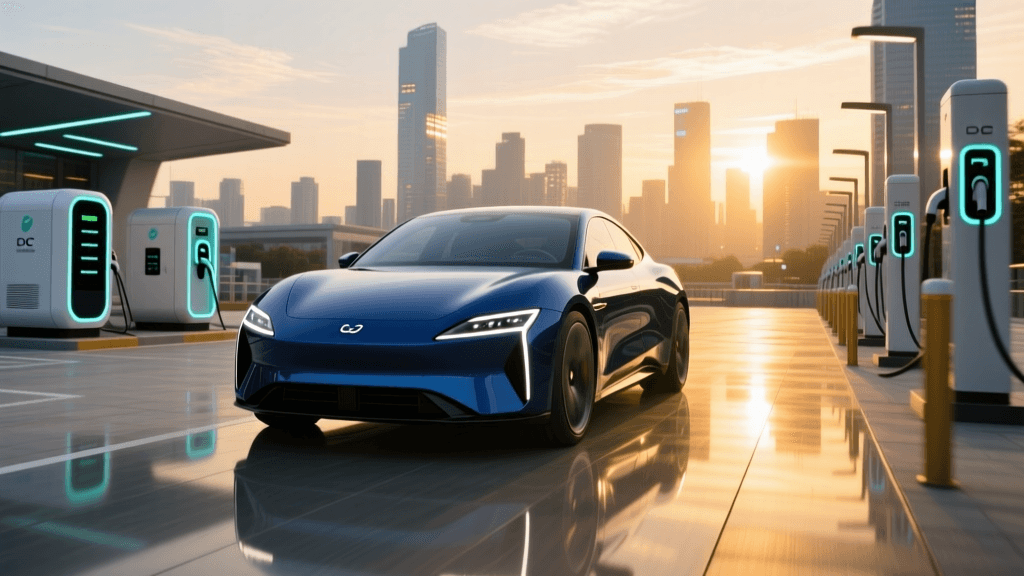
In North America and Europe, DC Fast Charging remains the undisputed king of EV infrastructure investment. The push toward 350kW and even 500kW liquid-cooled charging stalls is driven by the adoption of 800-volt vehicle architectures found in platforms like the Hyundai Ioniq 5, Porsche Taycan, and the Tesla Cybertruck. These systems promise 10% to 80% charges in under 15 minutes, closely mimicking the convenience of traditional gas stations.
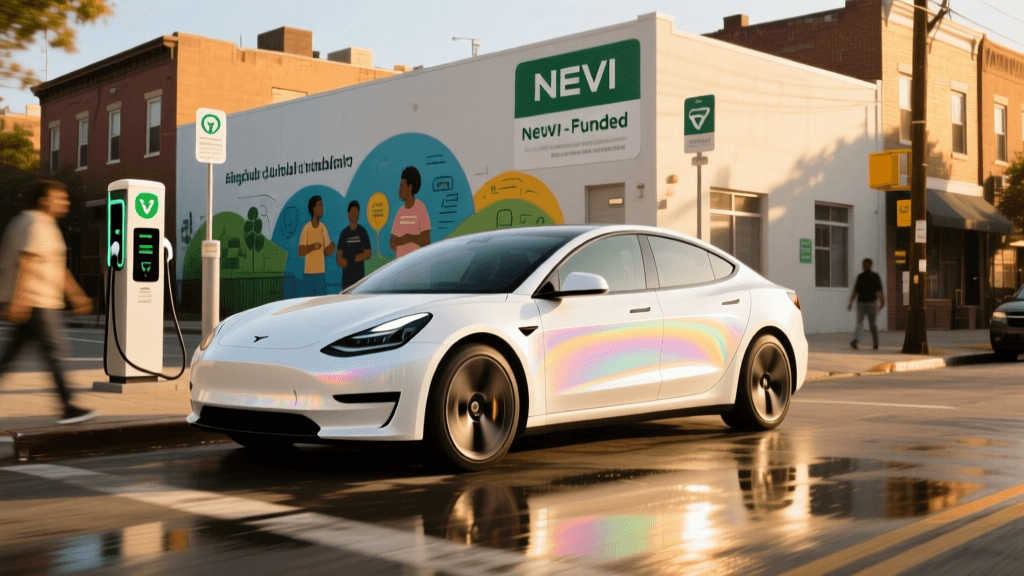
Government subsidies have heavily skewed investment toward plug-in infrastructure. In the United States, the National Electric Vehicle Infrastructure (NEVI) program has allocated $5 billion to build out a cohesive national charging network. This influx of public capital has de-risked private investments, prompting massive deployments by networks like Tesla Superchargers, Electrify America, and EVgo.
However, the hidden costs of DCFC are becoming a major hurdle for investors. While a single 350kW charging cabinet might cost between $50,000 and $80,000, the "make-ready" costs—upgrading local transformers, trenching, and laying heavy-gauge conduit—can easily exceed $150,000 per site. Furthermore, utility demand charges can devastate the profit margins of low-utilization charging plazas, making rural or suburban DCFC deployments a significant financial risk without heavy subsidization.
Battery Swapping: The Eastern Juggernaut and Fleet Savior
While Western markets focus on plugs, battery swapping has scaled to unprecedented heights in Asia and is finding highly lucrative niches in global commercial fleets. According to the International Energy Agency's Global EV Outlook 2024, China continues to dominate alternative EV infrastructure, with tens of thousands of battery swap stations supporting everything from electric scooters to heavy-duty transit buses.
Companies like NIO have proven the consumer viability of the model, operating over 2,300 battery swap stations globally that can replace a depleted pack with a fully charged one in under three minutes. But the real investment trend is shifting toward commercial applications and modular swapping. Startups like Ample are pioneering modular battery swapping, where only the depleted blocks of a battery are swapped out by robotic arms, eliminating the need for vehicle-specific chassis standardization.
Meanwhile, battery manufacturing giant CATL has launched its "Choco-Swap" network, aiming to create a universal, standardized battery block that can be swapped across multiple vehicle brands. This BaaS model separates the battery from the vehicle, drastically lowering the upfront purchase price of the EV and transferring battery degradation risks to the station operator.
Head-to-Head: CAPEX, OPEX, and Operational Realities
To understand where capital is being deployed, investors must compare the unit economics of both technologies. The table below outlines the core differences between a modern 350kW DCFC plaza and an automated Battery Swapping Station.
| Feature | DC Fast Charging (350kW Plaza) | Automated Battery Swapping Station |
|---|---|---|
| Hardware CAPEX | $150,000 - $250,000 (4 stalls) | $500,000 - $800,000 (Robotics & Racks) |
| Battery Inventory Cost | $0 (Batteries remain in vehicles) | $300,000+ (Requires 20-40 spare packs) |
| Vehicle Downtime | 15 - 30 Minutes | 3 - 5 Minutes |
| Land Footprint | Requires 4-8 dedicated parking spaces | Compact footprint (Drive-through or pull-in bay) |
| Grid Impact & Upgrades | High peak demand; requires massive grid upgrades | Low peak demand; charges batteries slowly off-peak |
| Standardization | High (CCS / NACS universal standards) | Low (Proprietary packs, though modular is improving) |
Grid Constraints and the Virtual Power Plant (VPP) Advantage
One of the most compelling investment arguments for battery swapping is its relationship with the electrical grid. A DCFC plaza drawing 1.2 Megawatts of power simultaneously when four vehicles plug in acts as a massive, localized grid shock. Utilities are increasingly pushing back on these deployments, citing transformer limitations and requiring costly infrastructure upgrades.
Conversely, a battery swapping station is essentially a distributed energy storage facility. Because the station holds 30 to 50 batteries, it can trickle-charge them overnight when electricity rates are negative or near-zero. During peak grid hours, the station can actually discharge power back into the grid, acting as a Virtual Power Plant (VPP). This allows swapping station operators to participate in grid ancillary services markets, creating a secondary revenue stream that DCFC operators simply cannot access. According to research on grid integration by the National Renewable Energy Laboratory (NREL), utilizing EV batteries as grid assets is a critical component of future energy resilience, a reality that heavily favors the swapping model's stationary storage capabilities.
2025 and Beyond: Where is the Smart Money Flowing?
As we look toward the future, investment trends are bifurcating based on the end-user:
- Consumer Retail & Highway Travel: Capital is overwhelmingly flowing into DCFC. The standardization of the North American Charging Standard (NACS) has unified the market, making plug-in charging the default for passenger vehicles. Investors are focusing on software optimization, plug-and-charge payment protocols, and integrating solar canopies to offset demand charges.
- Last-Mile Delivery & Taxis: Venture capital and fleet financing are pivoting rapidly to battery swapping. For a delivery van or a ride-hailing vehicle, a 30-minute charge represents lost revenue. Swapping eliminates downtime, and the BaaS model removes the burden of battery degradation from the fleet operator's balance sheet.
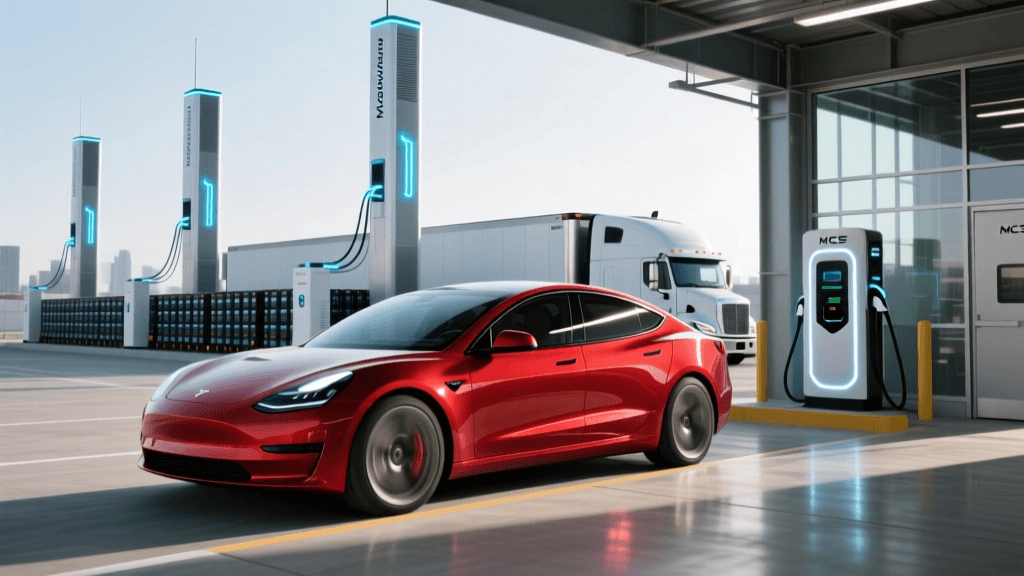
- Heavy-Duty & Mining: Megawatt Charging Systems (MCS) are still in their infancy and require immense grid capacity. Battery swapping for heavy-duty mining trucks and port tractors is attracting heavy institutional investment, as it allows 24/7 operations without the multi-hour downtime required for charging massive 500kWh+ battery packs.
Actionable Advice for Fleet Operators and Investors
If you are evaluating infrastructure investments or transitioning a fleet to electric, consider the following strategic guidelines:
1. Audit Your Dwell Time and Duty Cycles
If your vehicles have predictable, long dwell times (e.g., school buses, overnight delivery fleets), invest in Level 2 or low-power DCFC depot charging. If your vehicles operate on multi-shift, continuous-duty cycles (e.g., airport taxis, mining haulers), battery swapping is the only mathematically viable solution to maintain operational parity with diesel.
2. Leverage the BaaS Financial Model
When procuring vehicles for a swapping network, negotiate the purchase of the "glider" (the vehicle without the battery). This can reduce the upfront capital expenditure of an electric commercial van by up to 40%, shifting the battery cost into a predictable monthly operational expense based on miles driven or swaps executed.
3. Monetize the Battery Inventory
For investors funding swapping stations, do not view the spare battery inventory as a sunk cost. Partner with local energy aggregators to enroll your station's battery racks into demand-response programs. The revenue generated from grid stabilization can offset the hardware CAPEX within the first three years of operation.
Conclusion
The narrative that battery swapping is a "dead technology" is a Western-centric fallacy. While DC Fast Charging will undoubtedly remain the backbone of consumer EV road trips, battery swapping is quietly capturing the high-utilization, heavy-duty, and grid-constrained markets. For investors and fleet managers, the key to maximizing ROI in the coming decade lies not in choosing one over the other, but in deploying the right technology for the specific operational and electrical constraints of their environment.