The Hidden Hurdles of EV Charger Permits
Bringing home a new Level 2 EV charger, like the ChargePoint Home Flex or Tesla Wall Connector, is an exciting milestone for any electric vehicle owner. However, the journey from unboxing to charging is frequently derailed by a red tag from your local Authority Having Jurisdiction (AHJ). While the U.S. Department of Energy Home Charging Guide outlines the basics of residential charging, it rarely prepares homeowners or even seasoned electricians for the labyrinth of state-specific permit requirements, local municipal amendments, and stringent inspection criteria.
Troubleshooting an EV charger installation is not just about ensuring the wires are connected correctly; it is about navigating the intersection of the National Electrical Code (NEC), local building ordinances, and utility company mandates. When an inspection fails, it costs you time, money, and charging convenience. This guide breaks down the most common reasons EV charger inspections fail, how to troubleshoot state-specific regulatory bottlenecks, and the actionable steps you can take to ensure a first-pass approval.
Top 3 Reasons EV Charger Inspections Fail (And How to Fix Them)
Before diving into state-by-state variations, we must address the universal code violations that trigger failed inspections across the country. According to the National Fire Protection Association (NFPA) 70: National Electrical Code, Article 625 governs Electric Vehicle Charging System Equipment. Inspectors are laser-focused on three specific areas.
1. The GFCI Receptacle Nuisance Tripping Trap
Under NEC 2017 and 2020 updates, a NEMA 14-50 receptacle installed for EV charging must be protected by a Ground Fault Circuit Interrupter (GFCI). However, almost all modern UL-listed EVSEs (Electric Vehicle Supply Equipment) have built-in GFCI protection. Stacking a GFCI breaker on the main panel with the internal GFCI of the charger often results in "nuisance tripping." If the inspector plugs in a tester and the breaker trips prematurely, you fail the inspection.
Troubleshooting Solution: The most reliable fix is to hardwire your EV charger. Under NEC Article 625.41(B), hardwired EVSEs are generally exempt from the branch-circuit GFCI receptacle requirement because the equipment itself provides the necessary ground-fault protection. If you must use a plug, ensure your electrician uses a specialized EV-rated breaker designed to handle the specific leakage current profiles of EVSEs, or consult your local AHJ to see if they accept the manufacturer's built-in GFCI certification in lieu of a breaker-level GFCI.
2. Inadequate Panel Capacity and Load Calculations
Inspectors will demand an NEC Article 220 load calculation. If you are adding a 48-amp continuous load (requiring a 60-amp breaker) to an older home with a 100-amp or 150-amp main panel that is already running central air, an electric oven, and a dryer, your math will likely exceed the panel's capacity. An oversized breaker on an undersized service is an immediate fail and a severe fire hazard.
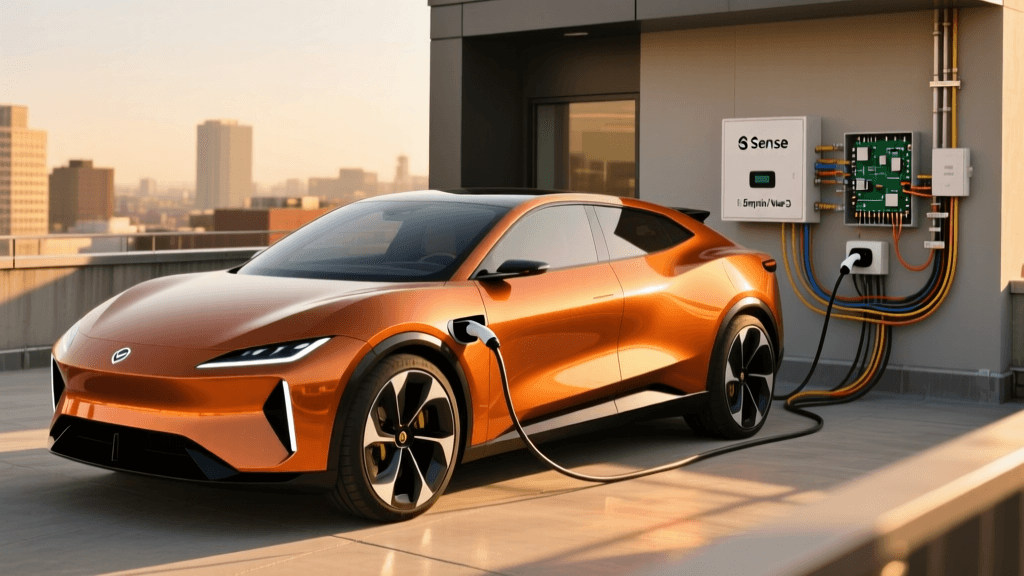
Troubleshooting Solution: Instead of paying $3,000+ for a main service panel upgrade, troubleshoot the load issue by installing an Energy Management System (EMS). Devices like the Emporia VUE or the Wallbox Power Boost use Current Transformers (CT clamps) to monitor your home's real-time energy usage. If the house approaches its maximum amperage, the EMS automatically throttles the power sent to the EV charger. Most progressive AHJs will approve an EMS-equipped installation without requiring a panel upgrade, provided the manufacturer's spec sheets are included in the permit packet.
3. Improper Grounding and Bonding
EVs draw massive, continuous current. Inspectors will physically check the grounding electrode conductor and the bonding of the panel. If your subpanel (like a detached garage) is missing a proper grounding rod, or if the neutral and ground bars are improperly bonded, the installation will be red-tagged.
Troubleshooting Solution: Ensure your electrician drives two 8-foot copper grounding rods spaced at least 6 feet apart for detached structures, and verify that subpanels maintain strict separation between the neutral and ground bus bars.
Navigating State-Specific AHJ Quirks
While the NEC provides a baseline, states and municipalities adopt, amend, and enforce these codes differently. The Alternative Fuels Data Center (AFDC) State Laws and Incentives database highlights how regional legislation impacts EV infrastructure. Here is how to troubleshoot the most notorious state-specific bottlenecks.
California: Title 24 and Solar Interconnection
California's Title 24 building code mandates that new homes be "EV-ready." However, for retrofits, the bottleneck often occurs when the home has existing solar panels. California AHJs frequently require utility interconnection approvals if adding an EV charger pushes the home's electrical profile into a tier that requires grid-export review. The Fix: Submit your PG&E, SCE, or SDG&E interconnection paperwork concurrently with your city permit application. Specify that the EVSE is a "non-exporting" load to bypass lengthy grid-study delays.
Florida: Wind-Load and Hurricane Pedestal Codes
In Florida, outdoor EV charger installations are subject to stringent hurricane and wind-load codes. If you are mounting a charger on a freestanding pedestal rather than a load-bearing structural wall, standard manufacturer mounting brackets are often deemed insufficient by local inspectors in Miami-Dade or Broward counties. The Fix: Purchase pedestals with explicit Miami-Dade Notice of Acceptance (NOA) wind-load ratings, or provide the inspector with a stamped engineering letter verifying the pedestal can withstand 150+ mph wind uplift.
New York: Multi-Unit Dwelling (MUD) Board Delays
In New York, the primary "inspection" hurdle isn't the city—it is the Condo or Co-Op board. New York Real Property Law § 235-ccc (the "Right to Charge" law) prevents boards from unreasonably denying EVSE installations, but boards frequently delay approvals by demanding excessive engineering studies. The Fix: Cite the specific statute in your application and provide a pre-drafted liability waiver and a standardized electrical scope-of-work from a licensed, insured NYC master electrician to neutralize the board's legal objections.
Texas: Deregulated Municipal Variances
Texas features a patchwork of municipal and rural regulations. In deregulated rural counties, you might not need a city permit, but your local utility co-op may still require notification to ensure the local distribution transformer can handle the continuous 10kW+ draw of a Level 2 charger. The Fix: Contact your local Rural Electric Cooperative (REC) before installation. If the transformer is undersized, the REC may need to upgrade it, or they may restrict you to a 32-amp (40-amp breaker) circuit to prevent neighborhood brownouts.
State Permit Bottlenecks and Troubleshooting Matrix
Use the table below to anticipate regional hurdles and prepare your permit documentation accordingly.
| State | Common Regulatory Bottleneck | Troubleshooting & Documentation Solution |
|---|---|---|
| California | Title 24 Solar Interconnection Delays | Submit utility non-exporting load forms with initial permit packet. |
| Florida | Outdoor Pedestal Wind-Load Fails | Provide Miami-Dade NOA rated pedestal specs to the AHJ. |
| New York | Condo/Co-Op Board Legal Delays | Cite NY Real Property Law § 235-ccc; submit standardized liability waivers. |
| Texas | Rural Transformer Capacity Limits | Pre-notify local REC; throttle EVSE to 32A via DIP switches if required. |
| Illinois | Utility Make-Ready Program Paperwork | Apply for ComEd/ Ameren rebates *before* pulling city permits to align timelines. |
Expert Tips for a First-Pass Inspection Approval
To avoid the dreaded red tag, treat the inspection not as a test, but as a collaborative review. Inspectors are overworked and appreciate thoroughness. Follow this pre-inspection troubleshooting checklist:
- Label Everything: Use a Brady or Brother label maker to clearly mark the breaker in the main panel (e.g., "EV CHARGER - 60A MAX"). Ensure the disconnect switch (if required for outdoor hardwired units over 60A) is visibly labeled.
- Leave the Manufacturer Specs On-Site: Print the installation manual, the UL listing certificate, and the torque specification sheet for your specific EVSE model. Leave these in a plastic sleeve zip-tied to the charger or taped inside the panel door. Inspectors frequently fail installations simply because they cannot verify the torque ratings of the lugs used.
- Verify Torque Settings: Many EVSE manufacturers require specific inch-pound torque settings for the wiring lugs. Use a calibrated torque screwdriver and document the setting. Loose connections cause thermal runaway, and savvy inspectors will check for proper lug compression.
- Photograph the Rough-In: If your trench or conduit run is going to be buried or sealed behind drywall, take high-resolution photos of the open trench, the grounding rod connections, and the wire gauge before closing it up. If the inspector questions the depth of the PVC conduit (which must be 18 inches for standard PVC or 24 inches for direct burial cable under NEC Table 300.5), your photos will save you from having to dig it back up.
Final Thoughts on Troubleshooting the Process
Troubleshooting an EV charger permit and inspection is largely an exercise in bureaucratic foresight and code literacy. By understanding the nuances of NEC Article 625, anticipating the GFCI receptacle trap, and preparing for your specific state's environmental or multi-dwelling quirks, you can transform a potentially weeks-long delay into a seamless approval process. Always partner with an electrician who specializes in EVSE installations and stays current on the latest local AHJ amendments. When in doubt, lean on hardwiring, Energy Management Systems, and meticulous documentation to ensure your home charging setup is safe, legal, and ready to power your daily commute.