The Comprehensive Guide to Shared EV Charger Installation in Multi-Unit Dwellings
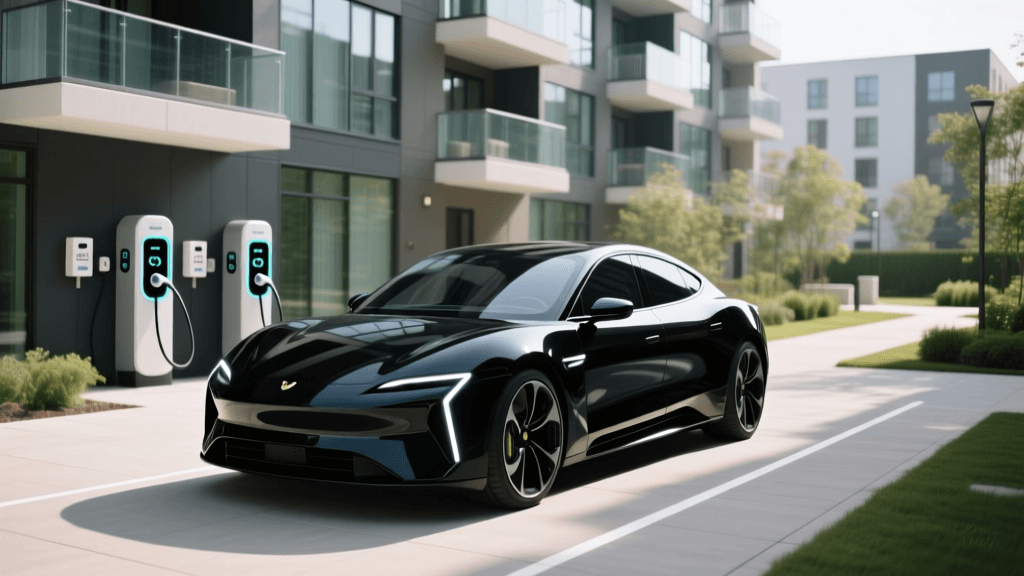
As electric vehicle (EV) adoption accelerates, Multi-Unit Dwellings (MUDs)—such as condominiums, apartment complexes, and townhome communities—face a unique infrastructure challenge. Unlike single-family homeowners, MUD residents rarely have dedicated driveways or private garages. Installing individual, dedicated Level 2 chargers for every parking space is often electrically and financially unfeasible. The solution? A shared EV charging infrastructure equipped with Dynamic Load Management (DLM) and networked billing software.
This comprehensive how-to guide walks property managers, HOA board members, and electrical contractors through the exact standards, codes, and steps required to deploy a shared EV charging network in a multi-unit dwelling.
Step 1: Navigating HOA Approvals and 'Right to Charge' Laws
Before pulling any permits, you must secure approval from the HOA board or property management company. Historically, HOAs have pushed back on EV installations due to concerns over liability, aesthetic changes, and electrical capacity. However, the legal landscape is shifting rapidly.
Many states have enacted Right to Charge laws that prevent HOAs from unreasonably restricting EV charger installations. While these laws often protect an individual's right to install a charger in their assigned spot, shared communal chargers in guest or unassigned parking require a different approach.
How to Pitch the HOA Board:
- Address Liability: Propose using networked commercial chargers that include built-in payment processing and automated insurance compliance. The HOA assumes zero financial risk if the system is set to 'user-pays'.
- Aesthetics and Vandalism: Recommend pedestal-mounted, heavy-duty steel enclosures with retractable cable management systems to keep parking lots clean and prevent trip hazards.
- Property Value: Cite studies showing that MUDs with shared EV amenities command higher lease rates and experience lower tenant turnover.
Step 2: Electrical Capacity and Dynamic Load Management (DLM)
The most significant hurdle in MUD EV installation is the building's existing electrical capacity. A standard 100-unit apartment complex might have a 1,200-amp main service. Adding ten 48-amp Level 2 chargers would theoretically demand 480 amps of continuous load, which could easily trip the main breaker during peak summer months when HVAC systems are running at maximum capacity.
Upgrading the main utility transformer and service panel can cost upwards of $50,000 to $100,000. The modern, cost-effective standard for MUDs is Dynamic Load Management (DLM), sometimes referred to as Automatic Load Management (ALM).
How DLM Works:
An electrician installs Current Transformer (CT) clamps on the main service feeders of the building. These clamps monitor the building's real-time electrical consumption. The CT clamps communicate with the EV chargers via a local gateway or cloud network. If the building's electrical demand spikes (e.g., everyone turns on their ovens at 6:00 PM), the DLM software automatically throttles the amperage delivered to the shared EV chargers, preventing a main breaker trip. When the building's load drops, the chargers resume maximum output.
Step 3: Choosing the Right Networked Hardware
For shared MUD environments, residential chargers (like the standard Tesla Wall Connector or ChargePoint Home Flex) are insufficient. You need commercial-grade, networked hardware capable of load sharing, RFID access control, and automated billing. Below is a comparison of the industry standards for shared MUD deployments.
| Feature | ChargePoint CT4000 Series | Blink Networked HQ Dual | Enel X Way JuiceNet Commercial |
|---|---|---|---|
| Ports per Pedestal | 2 (Dual Port) | 2 (Dual Port) | 1 or 2 (Configurable) |
| Dynamic Load Management | Yes (Power Share via Software) | Yes (Cloud-based ALM) | Yes (JuiceNet Pro ALM) |
| Access Control | RFID, Mobile App, Plug & Charge | RFID, Blink App, Credit Card | App, RFID, Web Portal |
| Billing & Revenue | Automated HOA/Owner split | Automated host dashboard | Customizable tariffs & idle fees |
| Best For | Large Condo Associations | Mixed-Use & Apartment Leasing | Townhome Clusters & Small MUDs |
Step 4: Wiring Standards and NEC Compliance
Shared EV chargers in multi-unit dwellings must adhere strictly to the National Electrical Code (NEC), specifically NFPA 70 (NEC) Article 625, which governs Electric Vehicle Charging System Equipment. Depending on the local Authority Having Jurisdiction (AHJ), shared outdoor parking structures may also invoke Article 511 or general commercial wiring standards.
Hardwired vs. Receptacle (NEMA 14-50)
While residential home chargers are often plugged into a NEMA 14-50 receptacle, shared MUD chargers must be hardwired. Recent NEC updates require Ground Fault Circuit Interrupter (GFCI) protection for all outdoor and garage receptacles. EVSEs (Electric Vehicle Supply Equipment) already have internal GFCI protection; stacking a GFCI breaker on a NEMA receptacle causes severe nuisance tripping, rendering the shared charger useless. Hardwiring bypasses the receptacle GFCI requirement and ensures a secure, weatherproof, and tamper-proof connection.
Conduit and Wiring Specifications:
- Conduit: Use rigid metal conduit (RMC) or intermediate metal conduit (IMC) for any exposed runs under 8 feet to prevent vandalism or impact damage from vehicles. PVC Schedule 80 is acceptable for underground trenching.
- Wire Type: THHN/THWN-2 copper wire pulled through conduit is the standard. Do not use direct-burial cables in shared parking structures where future excavation or concrete pouring might occur.
- Subpanels: Install a dedicated EV subpanel with a main disconnect. This allows property maintenance to isolate the charging network without affecting the building's main power.
Step 5: Billing, Access Control, and Software Setup
A shared charger is only effective if the HOA or property owner can recoup the electricity costs and manage access. According to the U.S. Department of Energy's Alternative Fuels Data Center, implementing a user-fee structure is critical for the long-term sustainability of shared charging infrastructure.
Configuring the Tariffs:
- Base kWh Rate: Set the per-kilowatt-hour rate slightly above the local utility's commercial rate to account for network connection fees and software subscriptions (e.g., if utility charges $0.14/kWh, bill residents $0.18/kWh).
- Idle Fees: This is the most crucial setting for shared MUD chargers. Implement an aggressive idle fee (e.g., $1.00 per hour) that triggers 30 minutes after a vehicle reaches a full charge. This prevents 'ICEing' and ensures residents don't use the charging spots as free overnight parking.
- Access Restrictions: Use the network's software to restrict access to verified residents via RFID fobs issued by the HOA, preventing the public from using the chargers and occupying resident parking spots.
Step 6: Cost Analysis and ROI for the HOA
Understanding the financial outlay is essential for securing board approval. A typical shared MUD installation featuring four dual-port pedestals (8 total charging ports) utilizing Dynamic Load Management will generally fall into the following cost brackets:
- Hardware (4 Commercial Pedestals): $16,000 - $24,000
- Electrical Labor & Materials (Trenching, Subpanel, Hardwiring): $12,000 - $20,000
- Permitting & Engineering (DLM Load Study): $2,500 - $5,000
- Total Estimated Capital Cost: $30,500 - $49,000
Recouping Costs: Many states and local utilities offer substantial rebates for MUD EV infrastructure. Programs like California's CALeVIP or local utility 'Make-Ready' programs can cover 50% to 100% of the installation and hardware costs. Furthermore, the software subscription fees (usually $15-$25 per port/month) and the slight markup on the kWh rate allow the HOA to achieve a break-even point on operational costs within 24 to 36 months, ultimately increasing the property's overall valuation.
Conclusion
Installing shared EV chargers in a multi-unit dwelling requires a delicate balance of electrical engineering, legal navigation, and community management. By prioritizing Dynamic Load Management to protect the building's grid, strictly adhering to NEC Article 625 hardwired standards, and deploying commercial-grade networked hardware with automated idle fees, property managers can future-proof their communities. The result is a seamless, equitable, and profitable EV charging amenity that serves the growing population of electric vehicle owners.