The Hidden Bottleneck: EV Charger Permit and Inspection Delays
Purchasing a high-quality Level 2 EV charger like the ChargePoint Home Flex or the Enel X JuiceBox is only the first step in your home electrification journey. For many EV owners, the true challenge begins when navigating local municipality permit requirements and passing the final electrical inspection. Troubleshooting EV charger permit delays and inspection failures requires a deep understanding of the National Electrical Code (NEC), local Authority Having Jurisdiction (AHJ) nuances, and state-specific right-to-charge laws.
When your installation is flagged or your permit application is stuck in bureaucratic purgatory, the troubleshooting process can feel overwhelming. This guide breaks down the most common permit and inspection roadblocks across different US states and provides actionable solutions to get your home charging station approved and energized.
Troubleshooting the 120% Busbar Rule and Panel Rejections
The most frequent reason for an EV charger permit rejection or inspection failure stems from electrical panel capacity limitations. According to the National Electrical Code (NEC) Article 220, the sum of the ampere ratings/supplying power to a busbar cannot exceed 120% of the busbar's rated current.
The Problem: You have a 200-amp main panel with a 200-amp busbar. You want to install a 60-amp circuit for a Tesla Wall Connector (which requires a 48-amp continuous load). Your existing breakers already total 380 amps. Adding a 60-amp breaker pushes the total to 440 amps, violating the 240-amp limit (120% of 200 amps).
The Troubleshooting Solution:
- Option 1: Perform a NEC Article 220 Load Calculation. Instead of relying on the physical breaker sum, have your electrician submit a formal load calculation to the AHJ. This calculation accounts for actual usage diversity (e.g., HVAC and EV charging rarely peak simultaneously). If the calculated load is under your panel's service rating, the permit office may approve the installation.
- Option 2: Downsize the Charger Circuit. Many smart chargers, like the ChargePoint Home Flex, feature dip-switches that allow you to dial down the amperage. Dropping from a 60-amp circuit to a 40-amp circuit (32-amp continuous) might bring your breaker sum into compliance, saving you the $2,000+ cost of a heavy-up panel upgrade.
- Option 3: Install an Energy Management System (EMS). Devices like the Emporia VUE or Tesla Gateway can automatically throttle your EV charger's power draw when your home's total electrical usage approaches the panel's limit. Many progressive AHJs now accept EMS integrations as a code-compliant workaround to the 120% rule.
Inspection Failures: NEC Article 625 and GFCI Traps
Once the permit is issued, the physical inspection presents its own set of hurdles. Inspectors strictly enforce NEC Article 625, which governs Electric Vehicle Charging System Equipment. A common point of failure involves Ground Fault Circuit Interrupter (GFCI) requirements.
The Problem: Under recent NEC updates, any EV charger plugged into a NEMA 14-50 receptacle must have GFCI protection. However, many older homes have existing NEMA 14-50 outlets originally installed for electric ranges or welders that lack GFCI breakers. If your electrician simply plugs a new portable EV charger into this legacy outlet, the inspector will fail the installation.
The Troubleshooting Solution: If you are hardwiring your charger (which is highly recommended for reliability and safety), GFCI protection is generally not required by the NEC, as the charger itself contains internal ground-fault protection. If your inspection fails due to GFCI tripping issues on a receptacle circuit, the most reliable fix is to remove the receptacle, hardwire the unit directly to the junction box, and update your permit scope to reflect a hardwired EVSE installation. Always verify this with your local AHJ, as municipalities in states like Massachusetts and New York occasionally enforce stricter local amendments requiring GFCI on all EV circuits.
State-Specific Permit and HOA Troubleshooting
Permit requirements and HOA regulations vary wildly by state. Troubleshooting a delay in California looks very different from resolving a dispute in Florida or Texas.
California: CALGreen and Title 24 Compliance
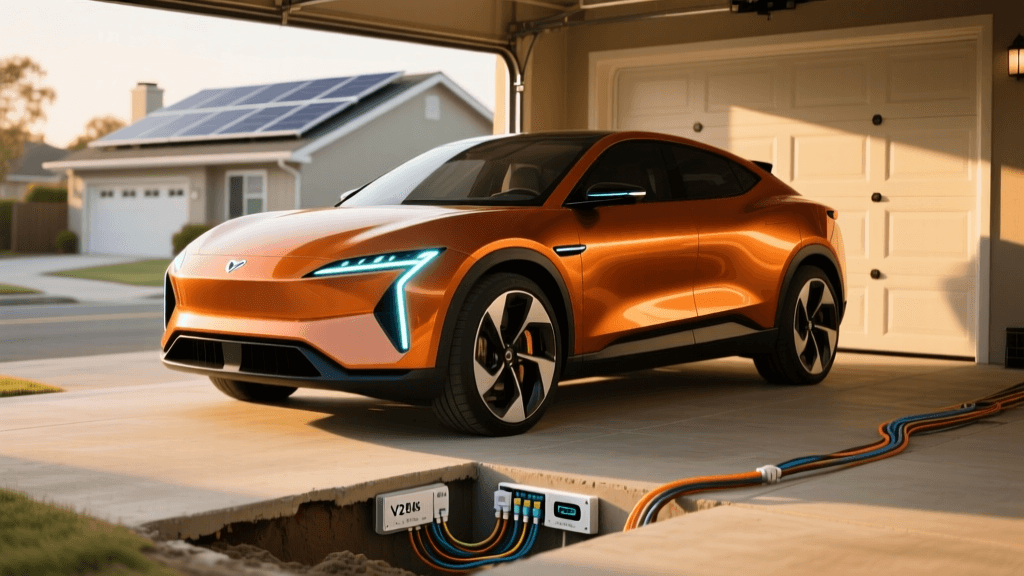
California has some of the most stringent building codes in the nation. Under CALgreen, new residential constructions must be EV-ready, meaning the conduit and panel capacity are already in place. However, for retrofitting older homes, local inspectors often scrutinize the trenching and conduit routing. If your permit is delayed in CA, ensure your electrician has explicitly detailed the conduit fill capacity on the permit application. Inspectors will fail installations where 3 AWG copper wire is forced into 3/4-inch PVC conduit, violating fill-ratio limits.
Florida and Texas: Navigating HOA Right-to-Charge Laws
In states with a high density of managed communities, the permit from the city might be approved, but the HOA can stall your project. Fortunately, both Florida (under SB 164) and Texas have enacted strong Right-to-Charge laws. These laws prohibit HOAs from outright banning EV charger installations. If your HOA is rejecting your permit application or demanding unreasonable aesthetic modifications, you can troubleshoot this by submitting a formal demand letter citing the specific state statute. HOAs can dictate where the charger is placed (e.g., requiring it to be hidden from the street or painted to match the house), but they cannot use aesthetic arguments to effectively deny the installation or make it prohibitively expensive.
Northeast States: Winterization and Outdoor Installations
In states like New York, Massachusetts, and Connecticut, inspectors pay close attention to outdoor installations due to harsh weather. A common inspection failure occurs when installers use indoor-rated NM-B (Romex) wire that exits the exterior wall without proper transition to wet-location rated conduit and THWN wire. To troubleshoot and prevent this failure, ensure your permit application explicitly states the use of UF-B cable or THWN-2 wires in rigid metal or PVC conduit for all exterior runs.
Data Table: State-by-State EV Permit and Inspection Troubleshooting Guide
| State | Common Permit/Inspection Hurdle | Troubleshooting Strategy | HOA Right-to-Charge Law? |
|---|---|---|---|
| California | Conduit fill ratios and CALgreen retrofit compliance | Upgrade to 1-inch PVC conduit; submit detailed wire-fill charts with permit. | Yes (Civil Code 4745) |
| Florida | HOA aesthetic disputes and outdoor load calculations | Cite FL SB 164; use flush-mounted outdoor-rated enclosures (e.g., NEMA 3R). | Yes (Statute 718.110) |
| Texas | Unregulated utility interconnection and local municipal variance | Verify local AHJ vs. county jurisdiction; ensure dedicated grounding rod if required. | Yes (Property Code 202) |
| New York | GFCI nuisance tripping and exterior wire rating | Hardwire the EVSE; use THWN-2 in rigid conduit for all exterior penetrations. | Yes (Real Property Law 235-e) |
| Massachusetts | Strict 120% busbar enforcement and historical district permits | Submit formal NEC 220 load calculation; use stealth conduit routing. | No (Statewide mandate pending) |
Actionable Steps to Resolve Permit Delays
If your permit application has been stuck in review for more than two weeks, take the following troubleshooting steps:
- Request a Pre-Inspection Consultation: Many AHJs allow you to schedule a 10-minute phone call with the electrical plans examiner. Ask them specifically which part of the load calculation or site plan is causing the hold-up.
- Verify Utility Approval: Some municipalities will not issue an electrical permit until the local utility company (e.g., PG&E, ConEdison) has approved the load addition. Check if your city requires a utility service upgrade letter before they will stamp your permit.
- Leverage the AFDC Database: Use the Alternative Fuels Data Center to research your specific state and local incentives or mandates. If your state has a mandate requiring cities to streamline EV permits (like California's AB 1236), you can cite this legislation in an email to your local building department to expedite the review process.
Conclusion
Troubleshooting EV charger permit and inspection delays requires patience, technical knowledge, and an understanding of local and state regulations. By proactively addressing the 120% busbar rule, ensuring strict adherence to NEC Article 625, and leveraging state-specific right-to-charge laws, you can overcome bureaucratic roadblocks. Always partner with a licensed electrician who is well-versed in local EVSE codes, and consult the Department of Energy's home charging guidelines to ensure your installation is safe, legal, and ready to power your daily drives.