Understanding the NEMA 14-50 Standard for EV Charging
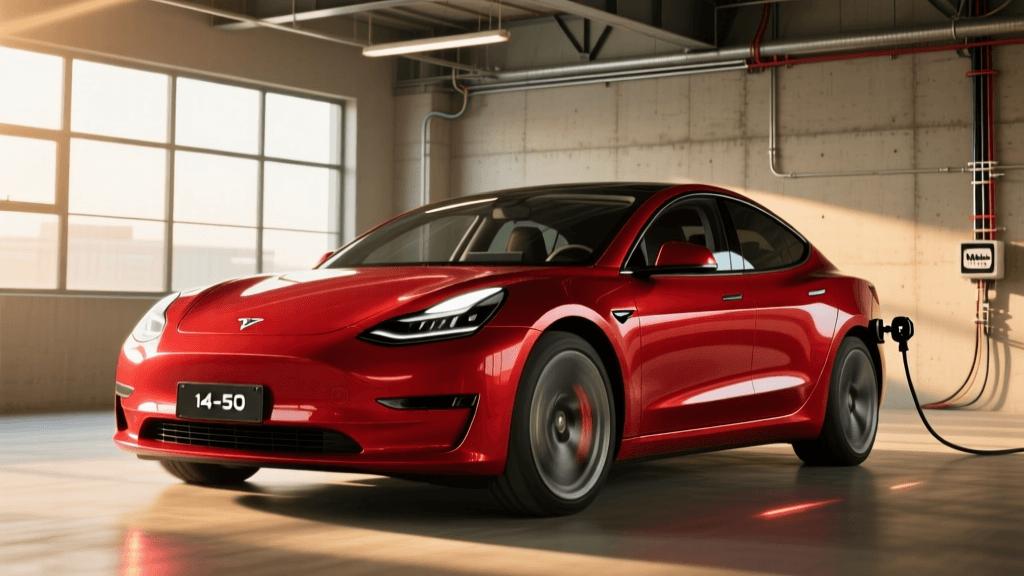
When transitioning to an electric vehicle (EV), establishing a reliable and fast home charging infrastructure is paramount. For the vast majority of EV owners, the NEMA 14-50 outlet represents the gold standard for Level 2 home charging. Originally designed for high-draw appliances like electric ranges and heavy-duty welding equipment, the NEMA 14-50 is a 240-volt, 50-amp receptacle that provides ample power to recharge most modern EV batteries overnight.
However, it is crucial to understand the electrical physics governing this setup. According to the National Electrical Code (NEC), EV charging is classified as a continuous load, meaning it operates for three hours or more. Therefore, the circuit must be derated by 80%. A 50-amp NEMA 14-50 circuit will safely deliver a maximum of 40 amps of continuous current to your vehicle. This translates to roughly 9.6 kilowatts (kW) of charging power, which can add between 25 to 35 miles of range per hour of charging, depending on your vehicle's efficiency. Understanding this baseline is the first step in evaluating the true cost and value of your home charging installation.
Comprehensive Cost Breakdown: What You Will Actually Pay
The cost of installing a NEMA 14-50 outlet varies wildly based on your home's existing electrical infrastructure and the physical distance between your electrical panel and your garage or driveway. According to the U.S. Department of Energy, home charging installations generally range from a few hundred dollars for simple setups to several thousand for complex retrofits. Below is a detailed breakdown of the material and labor costs you can expect for a standard, uncomplicated installation.
| Component / Service | Estimated Cost Range | Details & Specifications |
|---|---|---|
| NEMA 14-50 Receptacle | $50 - $130 | Industrial grade (e.g., Hubbell or Bryant) is highly recommended over residential grade to prevent melting under continuous high loads. |
| 50-Amp Double Pole Breaker | $40 - $90 | Standard thermal-magnetic breaker. (GFCI breakers cost significantly more; see code section below). |
| 6 AWG Copper Wiring | $3 - $6 per foot | 4-conductor copper wire (THHN/THWN-2). 4 AWG may be required for runs exceeding 50 feet to mitigate voltage drop. |
| Conduit & Fittings | $50 - $150 | PVC or EMT metal conduit required by code for exposed wiring in garages or exterior walls. |
| Electrician Labor | $75 - $150 per hour | A standard install takes 3 to 5 hours. Total labor typically ranges from $300 to $750. |
| Permits & Inspections | $50 - $250 | Required by most local municipalities to ensure the work meets local building and fire codes. |
| Total Average Cost | $600 - $1,500 | Assumes the main electrical panel has adequate capacity and the outlet is within 20 feet of the panel. |
Hidden Costs and Variables That Inflate Your Bill
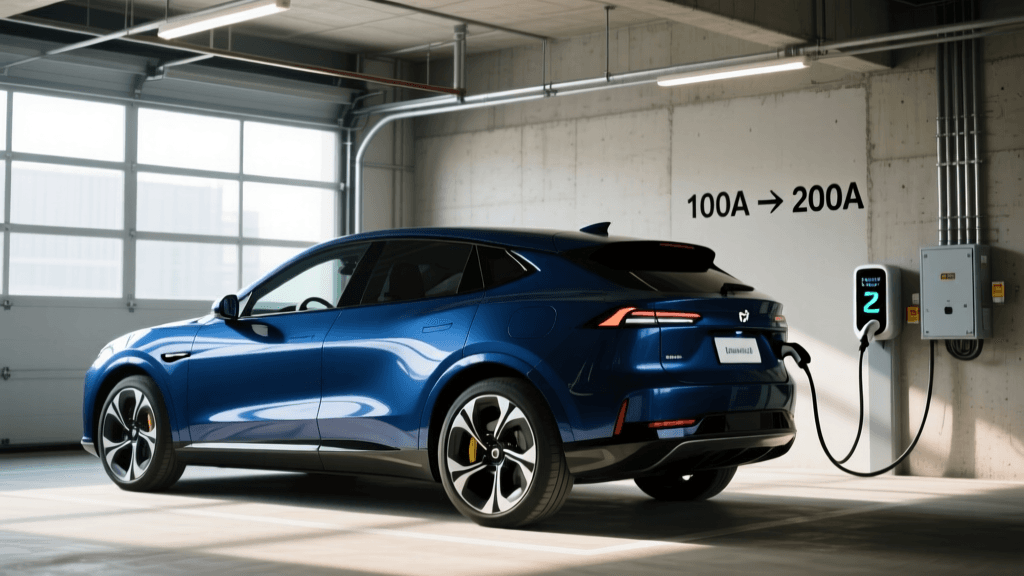
While the baseline costs above provide a solid estimate, many homeowners encounter hidden variables that can quickly escalate the final invoice. The most significant cost driver is the capacity of your existing electrical panel. Most modern homes are equipped with a 200-amp main service panel. If your panel is already near its maximum load capacity—common in homes with electric heating, central AC, and electric water heaters—adding a 50-amp EV circuit could overload the system.
If your electrician determines that a panel upgrade is necessary, you will need to upgrade to a 300-amp or 400-amp service, or install a secondary sub-panel. A main panel upgrade can cost anywhere from $1,500 to $3,500, depending on local utility requirements and the complexity of the service mast. Alternatively, installing a sub-panel closer to the garage might cost between $800 and $1,500.
Another major variable is the physical routing of the wiring. If your electrical panel is on the opposite side of the house from your garage, the electrician may need to trench through your yard, drill through multiple structural headers, or run conduit along the exterior of your home. Trenching typically costs between $10 and $20 per linear foot, while complex interior routing through finished walls requires drywall repair and repainting, adding hundreds of dollars in contractor fees to the project.
NEMA 14-50 Receptacle vs. Hardwired EVSE: A Value Comparison
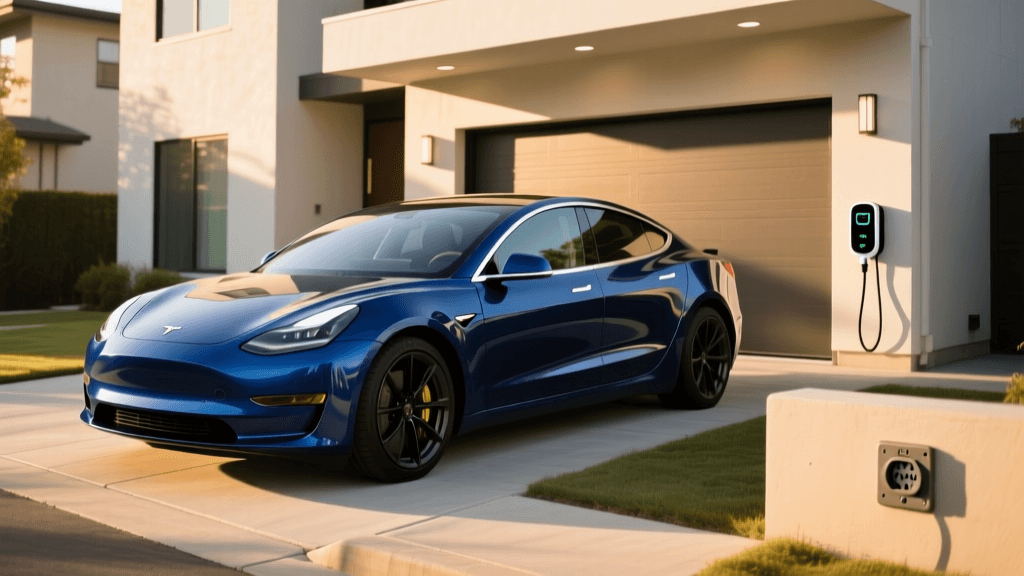
When planning your Level 2 charging setup, you must choose between installing a NEMA 14-50 receptacle (which allows you to plug in a portable EVSE) or hardwiring a dedicated wall-mounted EV charger directly into your electrical system. Both approaches offer distinct cost and value propositions.
- Portability and Flexibility (NEMA 14-50): The primary value of the 14-50 outlet is flexibility. If you move to a new home, you can easily unplug your EVSE and take it with you. Furthermore, if your EVSE malfunctions, you can simply unplug it and replace it without needing to call an electrician to disconnect hardwired cables. This makes it highly attractive for renters or those who plan to move within a few years.
- Material Cost and Reliability (Hardwired): Hardwiring eliminates the cost of the heavy-duty receptacle and the expensive GFCI breaker (more on this below). More importantly, hardwired connections are inherently more reliable. They eliminate the risk of loose plug connections, which can cause arcing, heat buildup, and melted receptacles over years of continuous high-draw use. For long-term homeowners, a hardwired Wallbox Pulsar Plus or ChargePoint Home Flex often provides superior peace of mind and slightly lower upfront material costs.
Navigating NEC 2020 Code Compliance and GFCI Requirements
A critical factor affecting the cost and value of a NEMA 14-50 installation is the National Electrical Code (NEC) 2020 update. According to the National Fire Protection Association (NFPA), NEC Article 625.54 mandates that all receptacles rated at 50 amps or less, installed for the purpose of EV charging, must be protected by a Ground Fault Circuit Interrupter (GFCI).
This code change has created significant headaches and unexpected costs for EV owners. A standard 50-amp double-pole breaker costs around $50. However, a 50-amp GFCI breaker can cost between $150 and $250. Worse, many modern EVSEs already feature built-in GFCI protection. Stacking a GFCI breaker on top of a GFCI-equipped EVSE frequently results in 'nuisance tripping,' where the breaker randomly shuts off power, leaving the owner with an uncharged car in the morning. To bypass this issue and avoid the GFCI breaker cost entirely, many electricians now recommend hardwiring the EVSE, as the NEC GFCI requirement for EV charging specifically applies to receptacles, not hardwired equipment. This technical nuance heavily influences the cost-to-value ratio of choosing an outlet versus a hardwired unit.
Maximizing ROI: Rebates, Incentives, and Home Resale Value
To offset the installation costs, EV owners should aggressively pursue local and federal incentives. The Database of State Incentives for Renewables & Efficiency (DSIRE) is an invaluable resource for finding localized rebates. Many utility companies offer rebates ranging from $250 to $1,000 for installing a Level 2 charging circuit, provided you use a certified electrician and install an approved smart charger. Some municipalities even offer free permits for EV charger installations to encourage green infrastructure.
Beyond immediate rebates, installing a NEMA 14-50 outlet or a hardwired Level 2 charger significantly boosts your home's resale value. Real estate data consistently shows that homes equipped with dedicated 240-volt EV charging infrastructure sell faster and at a premium compared to similar homes relying solely on standard 120-volt wall outlets. As EV adoption accelerates, a 240-volt garage receptacle is transitioning from a luxury niche feature to a standard expectation for homebuyers, much like a 240-volt dryer outlet.
Conclusion: Is the NEMA 14-50 Worth the Investment?
Ultimately, the NEMA 14-50 outlet remains one of the most cost-effective and versatile upgrades an EV owner can make. While the initial outlay of $600 to $1,500—or more if panel upgrades are required—may seem steep, the daily convenience of waking up to a full battery, combined with the elimination of public charging fees, yields a rapid return on investment. By carefully selecting an industrial-grade receptacle, hiring a licensed electrician who understands the nuances of NEC 2020 GFCI requirements, and leveraging local utility rebates, you can secure a safe, code-compliant, and highly valuable home charging ecosystem that will serve your electric vehicles for decades to come.