Introduction to the NEMA 14-50 Standard for EV Charging
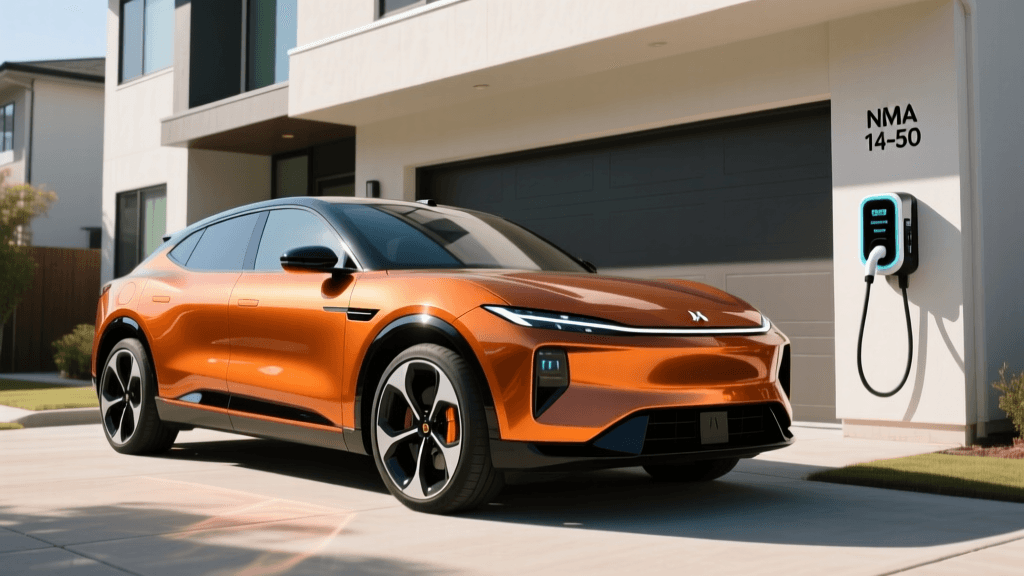
When transitioning to an electric vehicle (EV), establishing a reliable home charging infrastructure is the most critical step for long-term convenience and cost savings. While Level 1 charging (120V) is universally accessible, it is often too slow for modern EVs with large battery packs. Enter the NEMA 14-50 outlet: a 240-volt, 50-amp receptacle that has become the gold standard for residential Level 2 EV charging. Originally designed for heavy-duty electric ranges and RV hookups, the NEMA 14-50 provides up to 40 amps of continuous charging current, delivering roughly 9.6 kW of power. This translates to approximately 30 to 40 miles of range per hour of charging, easily replenishing most vehicles overnight.
However, installing a high-amperage circuit is not a simple DIY weekend project. It requires careful planning, adherence to strict electrical codes, and a clear understanding of the financial investment involved. According to the U.S. Department of Energy, home charging is the most cost-effective and convenient way to fuel an EV, but the upfront installation costs can vary wildly based on your home's existing electrical infrastructure. In this comprehensive cost and value breakdown, we will dissect the expenses associated with NEMA 14-50 installations, explore hidden fees, and evaluate the long-term return on investment compared to alternative charging methods.
Understanding the Material Costs
The physical components required for a NEMA 14-50 installation are relatively standardized, but the quality and type of materials can impact your final bill. A proper installation requires a dedicated 50-amp double-pole circuit breaker, appropriate gauge wiring, conduit, and the receptacle itself.
- Wiring: Electricians typically use 6 AWG copper wire or 4 AWG aluminum wire for a 50-amp circuit. Copper is more expensive but easier to route through tight conduit spaces. Aluminum is cheaper but requires a larger gauge and specialized anti-oxidant paste at the connections.
- The Receptacle: Not all NEMA 14-50 outlets are created equal. Cheap, residential-grade receptacles can overheat under the continuous, multi-hour load of EV charging. Experts strongly recommend industrial-grade receptacles (such as those from Hubbell or Bryant) which feature heavy-duty brass contacts designed to handle continuous high-amperage draws without melting or degrading. Expect to pay $80 to $120 for a high-quality, EV-rated receptacle.
- Conduit and Fittings: If the wiring is run along the surface of unfinished walls or outdoors, it must be protected by PVC or metal conduit, adding $50 to $150 in materials.
Labor, Permitting, and the True Cost Breakdown
Labor usually constitutes the largest portion of your installation bill. Electrician rates vary significantly by region, typically ranging from $75 to $150 per hour. A straightforward installation where the electrical panel is located on the same wall or directly behind the garage will take roughly 3 to 5 hours. However, if the wire needs to be routed through finished walls, attics, or crawl spaces, labor time can easily double.
Furthermore, legal compliance requires permits and inspections. According to the National Fire Protection Association, any new high-voltage circuit must adhere to the National Electrical Code (NEC) and local municipal amendments. Permit fees generally range from $50 to $250. Skipping permits to save money is a massive risk; it can void your home insurance in the event of an electrical fire and cause severe issues during a future home sale.
Estimated Cost Breakdown Table
| Cost Category | Basic Install (Panel Nearby) | Complex Install (Long Wire Run) |
|---|---|---|
| Materials (Wire, Breaker, Outlet) | $150 - $250 | $300 - $600 |
| Labor (Electrician Rates) | $300 - $600 | $800 - $1,500 |
| Permits & Inspection Fees | $50 - $150 | $100 - $250 |
| GFCI Breaker Upgrade (If Required) | $100 - $150 | $100 - $150 |
| Total Estimated Cost | $600 - $1,150 | $1,300 - $2,500 |
The NEC 2020 GFCI Factor: A Hidden Cost Driver
One of the most significant variables in modern NEMA 14-50 installations is the National Electrical Code (NEC) 2020 update. Article 625.40 of the NEC mandates that all receptacles installed for EV charging must have Ground Fault Circuit Interrupter (GFCI) protection. While this is intended to protect users from electrical shocks, it introduces two major complications: cost and nuisance tripping.
A standard 50-amp double-pole breaker costs around $15 to $25. A 50-amp GFCI breaker, however, costs between $100 and $150. This immediately adds a premium to your material costs. More frustratingly, many modern EV chargers (EVSEs) already have internal GFCI protection. Stacking a GFCI breaker on top of a GFCI-equipped charger can lead to "nuisance tripping," where harmless electrical fluctuations cause the breaker to shut off your charging session in the middle of the night. Because of this, many EV owners and electricians are pivoting toward hardwired installations, which currently do not require a GFCI breaker under the NEC, saving money and preventing tripping issues.
NEMA 14-50 vs. Hardwired: Where is the Value?
When evaluating the value of a NEMA 14-50 outlet, it must be compared to its primary alternative: a hardwired EV charger. Both deliver the same charging speeds, but their value propositions differ based on your lifestyle.
The Case for the NEMA 14-50 Receptacle
- Portability: If you rent your home, plan to move in the next few years, or want the ability to take your charger with you to a vacation property, a plug-in unit is invaluable. You simply unplug it and take it with you.
- Resale Value: A NEMA 14-50 outlet is a universal asset. Even if a future homebuyer does not drive an EV, they can use the outlet for a heavy-duty welder, an RV, or an electric range, making it a versatile home upgrade.
- Easy Replacement: If your EV charging unit fails, you can simply buy a new one and plug it in without calling an electrician to rewire the junction box.
The Case for Hardwired
- Lower Code Requirements: As mentioned, hardwired units often bypass the expensive GFCI breaker requirement, saving you up to $150 on materials and preventing nuisance tripping.
- Higher Amperage Potential: While NEMA 14-50 is capped at 50 amps (40 amps continuous), hardwired installations can easily support 60-amp or 80-amp circuits, allowing for faster 11.5 kW or 15.3 kW charging speeds if your EV and electrical panel can handle it.
Hidden Costs to Watch Out For
When budgeting for your NEMA 14-50 installation, beware of secondary costs that can derail your financial planning:
- Electrical Panel Upgrades: Most modern homes require a 200-amp electrical service to safely support a 50-amp EV circuit alongside central AC, electric heating, and appliances. If your home has an older 100-amp panel, you will need a heavy-up upgrade. This can cost anywhere from $1,500 to $3,500, depending on utility connection fees and local labor rates.
- Trenching and Concrete Cutting: If your electrical panel is in the basement and your garage is detached, the electrician will need to trench a line underground or cut through concrete foundations. Trenching can add $10 to $25 per linear foot to your bill.
- Drywall Repair and Painting: If wires must be fished through finished walls, expect to pay for drywall patching and repainting, either through your electrician's handyman services or a separate contractor.
Return on Investment (ROI) and Utility Rebates
Despite the upfront costs, the financial value of a home NEMA 14-50 installation becomes apparent when compared to public DC fast charging or Level 2 public networks. Public charging networks often charge between $0.30 and $0.60 per kWh, and sometimes impose idle fees. In contrast, the national average for residential electricity is roughly $0.16 per kWh. By charging at home, you effectively cut your "fuel" costs by 50% to 70% compared to public stations, and up to 80% compared to gasoline. For an average driver covering 12,000 miles a year, a home charging setup typically pays for itself in fuel savings within 18 to 24 months.
To accelerate this ROI, always check with your local utility provider before installation. Many utility companies offer substantial rebates—ranging from $250 to $1,000—for installing a Level 2 charging circuit, especially if you agree to enroll in a time-of-use (TOU) rate plan that shifts your charging to off-peak overnight hours when grid demand is low.
Actionable Steps for Your Installation
To ensure you get the best value and a safe installation, follow these steps when hiring a professional:
- Get Multiple Quotes: Always obtain at least three itemized quotes from licensed, bonded, and insured electricians.
- Verify Code Knowledge: Ask the electrician directly: "Are you familiar with NEC Article 625 regarding EV charging infrastructure and the specific GFCI requirements for receptacles in our municipality?" Their answer will quickly reveal their expertise.
- Demand Industrial Grade: Specify in your contract that an industrial-grade, EV-rated NEMA 14-50 receptacle (like Hubbell or Bryant) must be used, rather than a standard big-box store residential outlet.
- Check Torque Specifications: Ensure your electrician uses a calibrated torque screwdriver to tighten the terminal connections to the manufacturer's exact specifications. Loose connections on high-amperage circuits are the primary cause of outlet melting and fires.
Conclusion
Installing a NEMA 14-50 outlet is a premium home upgrade that bridges the gap between standard household power and commercial-grade EV charging. While the initial investment—ranging from $600 for a simple setup to over $2,500 for complex runs—can seem daunting, the long-term value is undeniable. The portability, universal utility, and massive ongoing fuel savings make it one of the smartest investments an EV owner can make. By understanding the material costs, navigating the NEC code requirements, and leveraging local utility rebates, you can optimize your installation for both safety and financial efficiency, ensuring your EV is always ready for the road ahead.