The Hidden Hurdle: Navigating EV Charger Permits and Inspections
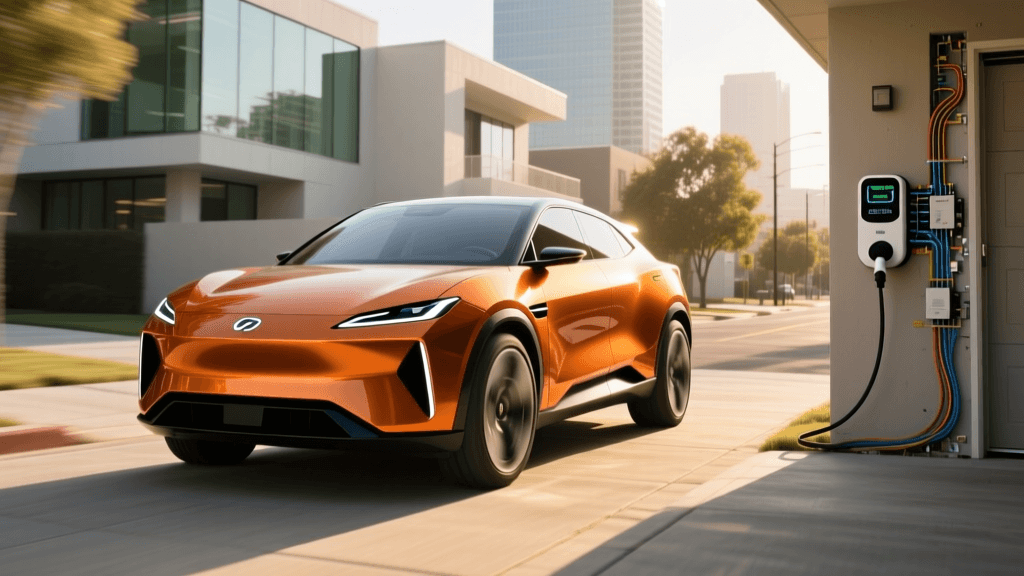
You have selected the perfect Level 2 EV charger, whether it is a ChargePoint Home Flex, a Tesla Wall Connector, or an Enel X Way JuiceBox. You have hired a licensed electrician, and the physical installation is complete. Yet, you cannot flip the breaker. Why? Because your local building department has stalled your permit, or the electrical inspector just red-tagged your setup. Troubleshooting EV charger permit and inspection failures is a frustrating reality for many EV owners, particularly because electrical codes and enforcement vary wildly by state, county, and even municipality.
According to the U.S. Department of Energy, home charging is the most convenient and cost-effective way to power your electric vehicle. However, the bureaucratic maze of the National Electrical Code (NEC), local amendments, and Homeowner Association (HOA) bylaws can turn a simple weekend project into a months-long ordeal. This guide will help you troubleshoot the most common inspection failures, navigate state-specific permit bottlenecks, and get your EV charger energized without unnecessary delays.
Common Inspection Failures and How to Troubleshoot Them
Before diving into state-specific quirks, it is crucial to understand why inspectors fail Level 2 EV charger installations. The National Fire Protection Association (NFPA 70), which publishes the NEC, outlines strict rules for EV charging under Article 625. Here is how to troubleshoot the most frequent red tags.
1. The 80% Continuous Load Rule Miscalculation
EV charging is classified as a 'continuous load' because it operates for three hours or more. Under NEC Article 625.42, the circuit must be rated at 125% of the charger's maximum output. If you install a 48-amp hardwired charger, you need a 60-amp breaker. If your electrician installed a 50-amp breaker, the inspector will fail the inspection. Troubleshooting: Have your electrician swap the breaker and ensure the wire gauge is appropriately sized (e.g., 6 AWG copper for 60 amps, though some jurisdictions require 4 AWG depending on temperature ratings and bundling).
2. GFCI Nuisance Tripping and Receptacle Rules
Under NEC 2017 and 2020 updates, all 125-volt to 250-volt receptacles rated 50 amps or less supplying EV chargers must have Ground-Fault Circuit Interrupter (GFCI) protection. If you installed a NEMA 14-50 outlet, you need a GFCI breaker. However, many EV chargers have internal GFCI sensors. Stacking a GFCI breaker with an internal GFCI charger causes nuisance tripping, leading homeowners to disable the breaker—a massive code violation. Troubleshooting: If nuisance tripping occurs, the best solution is to abandon the NEMA 14-50 receptacle and convert the installation to a hardwired setup, which currently does not require a GFCI breaker under NEC Article 625.54.
3. Missing Torque Screwdriver Verification
NEC 110.14(D) requires that all electrical connections be torqued to the manufacturer's specified inch-pounds using a calibrated torque screwdriver. Many older electricians tighten lugs 'by feel.' Modern inspectors frequently ask to see the torque settings on the breaker and the EVSE terminal block. Troubleshooting: If your electrician cannot provide torque verification, request that they return with a digital torque screwdriver to verify and document the lugs before the final inspection.
State-by-State Permit Troubleshooting Guide
Permitting processes are not uniform across the country. A streamlined online portal in one state might be a paper-based nightmare in another. Below is a troubleshooting matrix for common state-level bottlenecks.
| State | Common Permit Bottleneck | Code Quirk / Law | Troubleshooting Action |
|---|---|---|---|
| California | Title 24 CALGreen compliance and local city amendments delaying plan checks. | Requires EV-ready panels in new builds; strict local fire codes for garage mounting heights. | Ensure your charger is mounted at least 18 inches above the floor to satisfy fire marshals. Submit manufacturer spec sheets showing UL listing to bypass local plan check delays. |
| New York | Discrepancies between NYC DOB rules and upstate county electrical inspectors. | NYC requires specialized licensed master electricians; upstate counties may allow homeowners to pull permits for their own primary residence. | If in NYC, do not attempt DIY permitting. Hire an expediter. In upstate NY, provide a detailed single-line diagram to the county clerk to speed up the 4-week paper review. |
| Texas | Unincorporated counties lacking building departments vs. strict city codes (Austin/Houston). | Many rural counties have no permit requirements, but cities enforce strict 2020 NEC updates and utility interconnection notices. | If in an unincorporated area, verify if your HOA requires a permit regardless of county law. In cities, file a 'No Export' form with the local utility (e.g., Oncor or CenterPoint) before inspection. |
| Florida | HOA board rejections and multi-unit dwelling (condo) electrical capacity disputes. | Florida Statute 718.1105 protects the 'Right to Charge,' but HOAs can dictate aesthetic and safety standards. | If an HOA denies your permit application, cite FL Statute 718.1105 in writing. For condos, hire an engineer to perform a load study to prove the building's main busbar can handle the added amperage. |
Troubleshooting HOA and Multi-Unit Dwelling (MUD) Roadblocks
For millions of Americans, the local building department is not the primary obstacle—the Homeowner Association is. The Alternative Fuels Data Center maintains a comprehensive database of state laws regarding EV infrastructure, noting that over 30 states have enacted some form of 'Right to Charge' legislation. These laws generally prohibit HOAs from outright banning EV chargers, but they do allow HOAs to impose 'reasonable' restrictions regarding aesthetics, safety, and installation locations.
Problem: Your HOA architectural review committee (ARC) rejected your permit application because the charger is visible from the street or the conduit runs along the exterior brick.
Solution: Propose a compromise that satisfies both the NEC and the HOA. Use paintable PVC conduit (Schedule 80) that matches the exterior trim, or request that your electrician drill through the masonry to run the wiring behind the walls, emerging directly behind the EVSE backplate. Always submit a complete packet to the ARC, including the electrician's license, proof of insurance, the UL-listed spec sheet of the charger, and a site plan showing the exact conduit route. Citing your state's specific Right to Charge statute in the cover letter often accelerates the approval process.
What to Do When Your Permit is Stuck in Purgatory
Sometimes, you have done everything right, but the local building department is backlogged, and your permit is sitting in 'plan review' for weeks. Here is a step-by-step escalation path to troubleshoot administrative delays:
- Step 1: Verify the Portal Status. Many municipalities use software like Accela or EnerGov. Log in to ensure the city has not requested additional documents (like a load calculation sheet) that your electrician missed in the email spam folder.
- Step 2: Request a Walk-In Consultation. If the online portal is stalled, visit the building department in person during their public counter hours. Bring three printed copies of your electrical load calculation and the EVSE installation manual. Speaking directly to the plan examiner can resolve minor code questions on the spot.
- Step 3: Ask About 'Over-the-Counter' (OTC) Permits. Some jurisdictions allow simple, hardwired EV charger replacements or additions to be permitted OTC if the panel capacity is clearly documented. Ask the clerk if your project qualifies for an expedited OTC electrical permit.
- Step 4: Escalate to the Chief Electrical Inspector. If a junior plan examiner is misinterpreting NEC Article 625 (a common issue, as EV codes are relatively new to veteran inspectors), politely request a technical review with the Chief Electrical Inspector or the city's designated EV code expert.
Energy Management Systems: The Ultimate Troubleshooting Workaround
One of the most common reasons a permit is denied at the plan-check stage is an overloaded main electrical panel. If you have a 100-amp or 125-amp main panel, adding a 60-amp EV circuit will violate NEC Article 220 load calculations, forcing you to pay $3,000 to $5,000 for a heavy-up panel upgrade. This requires utility coordination, new trenching, and massive permit delays.
The Workaround: Troubleshoot the panel capacity issue by installing an Automated Load Management System (ALMS) or Energy Management System (EMS). Devices like the Span smart panel, the Enel X Way JuiceBox with CT clamps, or the Tesla Wall Connector with power sharing monitor the home's real-time energy usage. If the NEC allows it in your jurisdiction, the inspector will permit the EV charger installation without a panel upgrade, as the EMS guarantees the EV charger will throttle down or shut off if the home's total draw approaches the main breaker's limit. Always confirm with your local inspector that they accept ALMS in lieu of a static load calculation before purchasing the equipment.
Conclusion
Troubleshooting EV charger permit and inspection issues requires a mix of electrical knowledge, bureaucratic patience, and an understanding of local state laws. By ensuring your installation strictly adheres to NEC Article 625, anticipating state-specific quirks like California's mounting heights or Florida's HOA statutes, and utilizing smart load management to bypass panel upgrades, you can avoid the dreaded red tag. Do your homework, communicate clearly with your local building department, and you will be enjoying fast, reliable Level 2 home charging in no time.