Electric Mustang or Supercharged V8? The Real Numbers
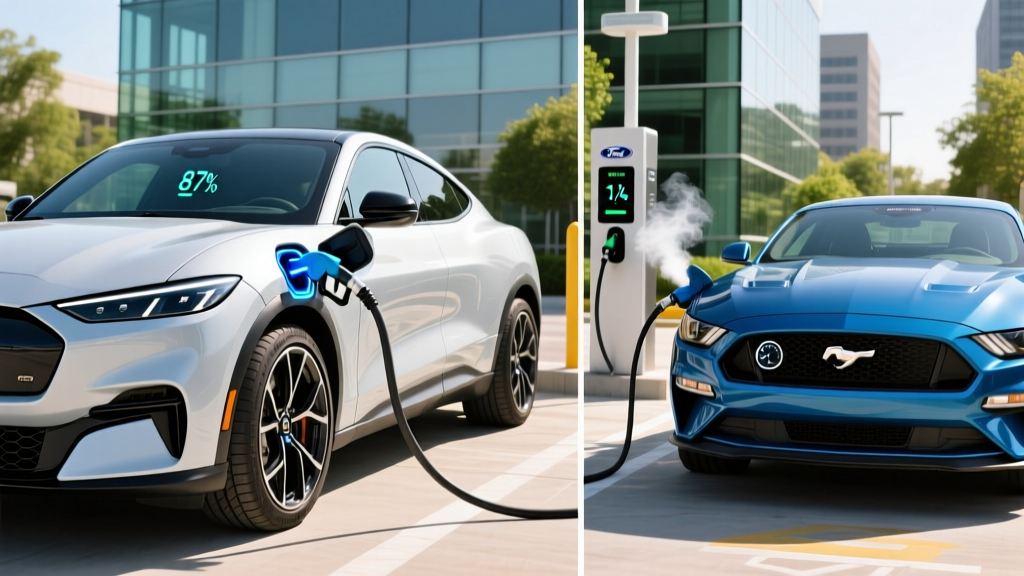
If you're cross-shopping Ford's electric crossover against a Mustang supercharged by a 5.0L Coyote V8 (or the factory supercharged Dark Horse variants), the decision hinges on more than exhaust note. It comes down to charging infrastructure, energy cost per mile, and what your garage's electrical panel can actually support. Below, we break down the Mustang Mach-E's charging profile and run the math against a supercharged gas Mustang's fuel bill, using 2026 EPA data and real-world charging curves.
EPA range: 312 miles (91 kWh usable, NMC battery)
Real-world highway (70 mph, 65°F): ~265–280 miles
Real-world highway (32°F, heater on): ~220–240 miles
Cold-weather loss: 20–25% without preconditioning
Charging Levels Explained: kW, Miles Per Hour, and Real Timelines
The most common EV confusion is between kW (power — how fast energy flows) and kWh (energy — how much the battery stores). A 91 kWh battery charged at 11.5 kW takes roughly 8 hours from empty; at 150 kW DC fast charging, the same battery can go 10–80% in about 35 minutes, though the charge curve tapers significantly above 80%.
| Level | Voltage / Amps | Power (kW) | Miles Added per Hour | 10–80% Time (91 kWh) |
|---|---|---|---|---|
| Level 1 | 120V / 12A | 1.4 kW | 3–5 mi/hr | ~45 hours |
| Level 2 (Home) | 240V / 48A | 11.5 kW | 30–38 mi/hr | ~7 hours |
| Level 2 (Max) | 240V / 80A | 19.2 kW | 50–60 mi/hr | ~4.5 hours |
| DC Fast (Peak) | 400V architecture | 150 kW peak | ~250 mi/hr (first 20 min) | ~35 min (10–80%) |
The Mach-E's onboard charger accepts up to 11.5 kW on Level 2 (48A), which is the practical home ceiling. For DC fast charging, Ford quotes a 150 kW peak, but sustained rates drop to 90–110 kW between 30–60% SoC, then taper to 40 kW near 80%. This is why 10–80% takes ~35 minutes, not the 22 minutes a flat 150 kW rate would suggest. On a road trip, plan for 30–40 minute stops every 200–230 miles in moderate weather.
Home Charger Installation: Electrical Requirements and Real Costs
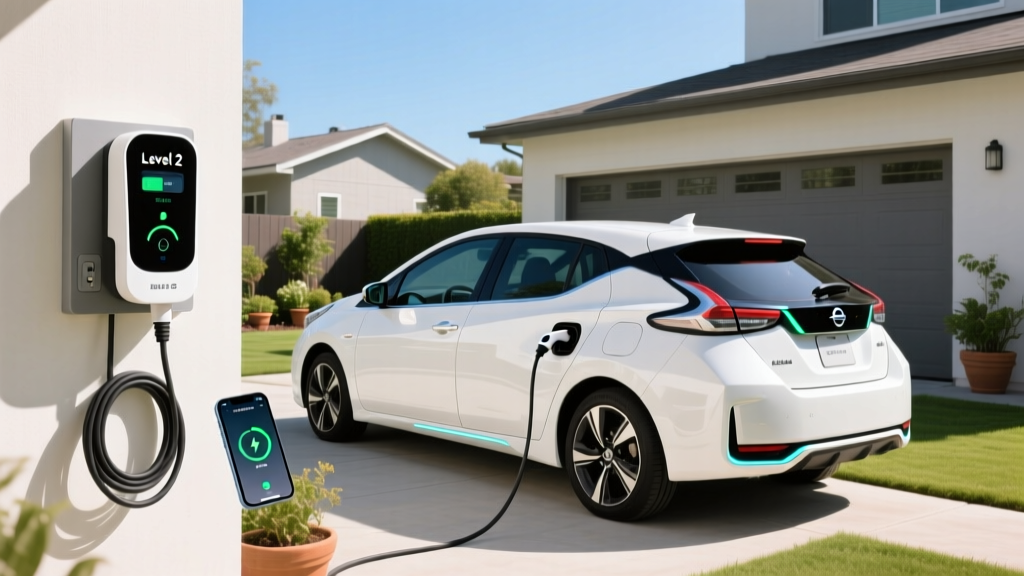
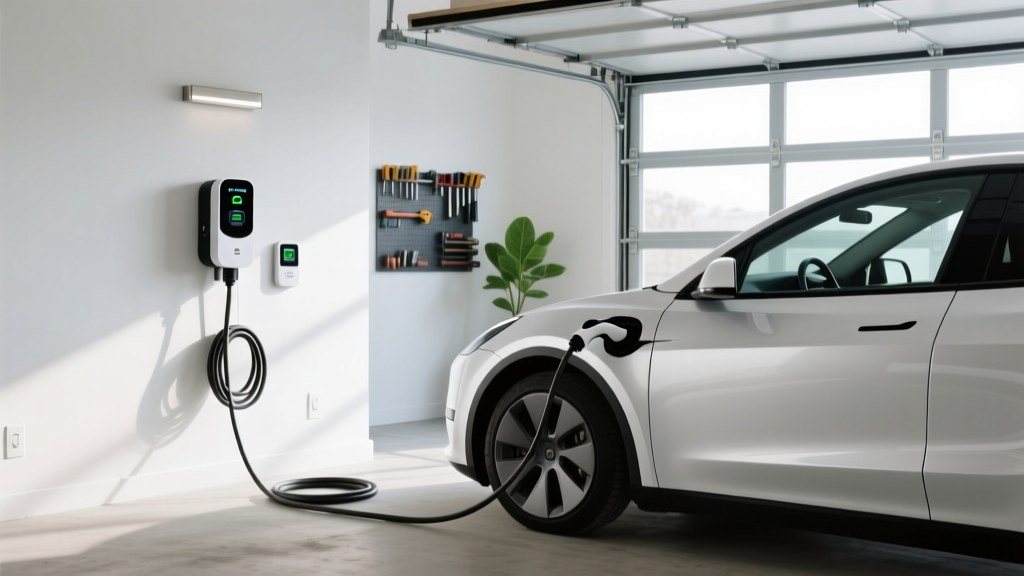
Installing a Level 2 charger for your Mach-E isn't plug-and-play for most homes. Here's what a proper installation requires:
- Dedicated circuit: 60A breaker for a 48A continuous-load charger (NEC requires 125% overhead — 48A × 1.25 = 60A)
- Wire gauge: 6 AWG copper (THHN in conduit) for runs up to 100 feet; 4 AWG for longer runs
- Panel capacity: Most modern 200A panels can handle a 60A EV circuit, but older 100A or 150A panels may need an upgrade ($1,500–$3,500)
- GFCI protection: NEC 2020+ requires GFCI breakers for EV receptacles in garages; hardwired chargers avoid this requirement and are generally preferred
- Permit: Required in nearly all US jurisdictions; typically $50–$200, with an inspection after install
| Component | Low End | High End | Notes |
|---|---|---|---|
| Level 2 Charger (hardware) | $400 | $750 | 48A smart charger (ChargePoint, Emporia, Wallbox) |
| Electrician labor | $500 | $2,000 | Depends on panel proximity, conduit run length |
| Permit & inspection | $50 | $200 | Varies by municipality |
| Panel upgrade (if needed) | $1,500 | $3,500 | 100A → 200A service upgrade |
| Total (no panel upgrade) | $950 | $2,950 | Most homes with 200A service |
| Total (with panel upgrade) | $2,450 | $6,450 | Older homes with 100A/150A panels |
The federal Alternative Fuel Vehicle Refueling Property Credit (IRS Form 8911) covers 30% of home charger hardware and installation costs, up to $1,000, but only if you live in an eligible census tract (typically non-urban or low-income areas). Check your eligibility before budgeting for this credit.
Connector Compatibility: NACS, CCS1, and Adapter Realities
The 2026 Mustang Mach-E ships with the NACS (North American Charging Standard) connector, also known as the Tesla plug. Ford transitioned to NACS starting with the 2025 model year, giving Mach-E owners native access to Tesla Supercharger stalls (now open to non-Tesla vehicles) without an adapter.
| Connector | Used By | Mach-E 2026 Status | Adapter Needed? |
|---|---|---|---|
| NACS (Tesla) | Tesla, Ford, Rivian, GM, Hyundai (2025+) | Native port | No |
| CCS1 | Legacy Electrify America, older EVs | Via adapter (included by Ford for 2024–2025 models) | Yes — NACS-to-CCS adapter (~$200) |
| CHAdeMO | Nissan Leaf (legacy) | Not compatible | No adapter available |
If you own a 2022–2024 Mach-E with the original CCS1 port, Ford provided a NACS adapter for Supercharger access. For 2026 models, the situation reverses: you'll need a CCS adapter only if you frequent older Electrify America or EVgo stations that haven't retrofitted NACS cables. Most major networks are adding NACS cables through 2026, but coverage varies regionally.
Cost Per Mile: Mach-E Electricity vs Supercharged Mustang Gasoline
A supercharged 5.0L Mustang (whether aftermarket Whipple/Roush or the factory-equipped Dark Horse with intake upgrades) typically returns 14–17 MPG combined under mixed driving. Let's compare real energy costs:
| Scenario | Rate | Cost per Mile | Annual (12,000 mi) |
|---|---|---|---|
| Mach-E — Home off-peak (0.12 $/kWh) | $0.037/mi (3.0 mi/kWh) | $0.037 | $444 |
| Mach-E — Home peak (0.22 $/kWh) | $0.073/mi | $0.068 | $816 |
| Mach-E — Public L2 (0.35 $/kWh) | $0.117/mi | $0.117 | $1,404 |
| Mach-E — DC Fast (0.48 $/kWh) | $0.160/mi | $0.160 | $1,920 |
| Supercharged Mustang (15 MPG, $3.40/gal) | $0.227/mi | $0.227 | $2,724 |
| Supercharged Mustang (15 MPG, $4.20/gal) | $0.280/mi | $0.280 | $3,360 |
Even at the worst-case DC fast charging rate, the Mach-E costs 30–43% less per mile than a supercharged gas Mustang. At home off-peak rates, the savings are dramatic: $2,280/year compared to $3.40/gal gasoline. Over a 5-year ownership cycle, that's $11,000+ in fuel savings — enough to offset the Mach-E's higher base MSRP.
The Mach-E Extended Range AWD achieves approximately 3.0 miles per kWh (99 MPGe combined per fueleconomy.gov). Efficiency drops to 2.5–2.7 mi/kWh at sustained 75+ mph highway speeds and further to 2.2–2.4 mi/kWh in freezing temperatures without a heat pump precondition cycle.
Equipment Picks: Level 2 Chargers for the Mach-E
Emporia Vue Level 2 (Best Value)
- Power: 48A / 11.5 kW (hardwired) or 40A / 9.6 kW (NEMA 14-50 plug)
- Connector: NACS native (2025+ models)
- Cable: 24 feet
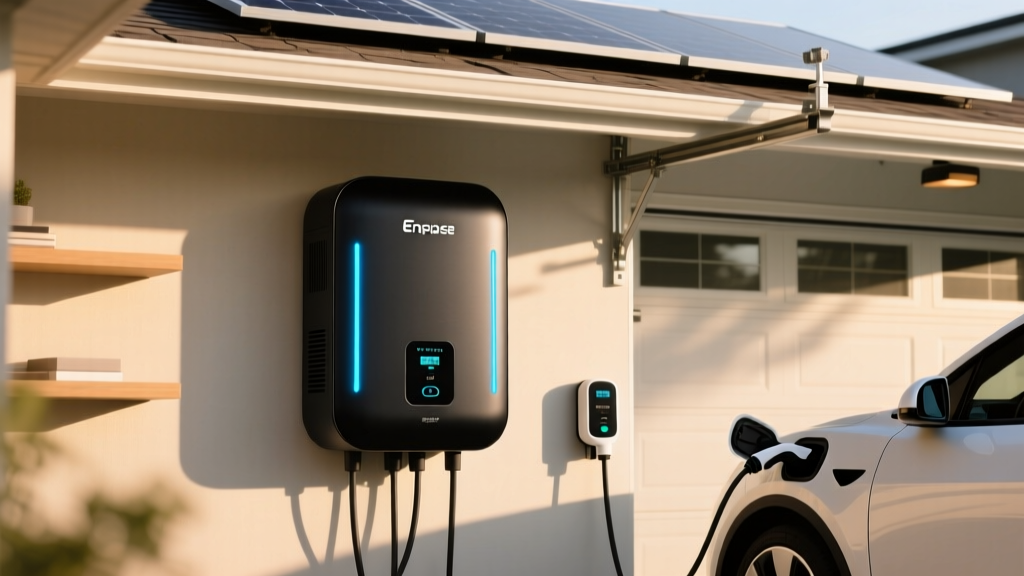
- Smart features: Wi-Fi, energy monitoring, solar integration, scheduling
- Price: $399 (hardwired), $449 (plug-in)
- UL listed, outdoor-rated (NEMA 4)
ChargePoint Home Flex (Best Smart Features)
- Power: Up to 50A / 12 kW (adjustable 16A–50A via DIP switches)
- Connector: NACS (2025+ revision); CCS available for older models
- Cable: 23 feet
- Smart features: Alexa, app scheduling, utility demand-response programs
- Price: $599
- UL listed, indoor/outdoor rated
Ford Charge Station Pro (OEM Pick)
- Power: 48A / 11.5 kW
- Connector: NACS native
- Cable: 25 feet
- Smart features: FordPass integration, departure scheduling, battery preconditioning trigger
- Price: $699 (often discounted with vehicle purchase)
- UL listed, NEMA 4 outdoor rating
For most Mach-E owners, a hardwired 48A charger on a 60A dedicated circuit is the optimal setup. Hardwired installations avoid the NEC GFCI breaker requirement (which can nuisance-trip on some EVSE models) and eliminate the $100–$150 cost of a 14-50 receptacle. If you rent or may move, a plug-in 14-50 unit offers portability at the cost of ~1.5 kW lower throughput (40A vs 48A).
Safety, Code, and the Panel Upgrade Reality
Before calling an electrician, locate your main panel and check two things: the main breaker amperage (100A, 150A, or 200A) and the number of open breaker slots. A Level 2 charger requires a double-pole 60A breaker (2 slots). If your panel is full, you may need a sub-panel or tandem breakers — both add cost.
Key code requirements for 2026 installations:
- NEC Article 625: EVSE must be on a dedicated circuit with no other loads
- Continuous load rule: Circuit breaker must be rated at 125% of continuous load (48A charger = 60A breaker)
- GFCI: Required for receptacle-based (plug-in) installations in garages; hardwired units exempt
- Outdoor installations: Charger must carry a NEMA 4 or NEMA 4X rating; conduit must be rain-tight
- Cable management: NEC requires the charging cable not create a trip hazard — wall-mounted cable organizers are recommended
Homes built before 1990 often have 100A or 150A service. Adding a 60A EV circuit to a 100A panel that's already running electric range, dryer, and HVAC is a code violation and a fire risk. Budget for a panel upgrade if your electrician flags capacity concerns — it's a one-time cost that also increases your home's resale value.
Frequently Asked Questions
How much does it cost to install a home EV charger for the Mustang Mach-E?
A typical Level 2 installation (48A hardwired charger, 60A dedicated circuit, 200A panel) runs $950–$2,950 including hardware, electrician labor, and permit. If your home needs a panel upgrade from 100A to 200A, add $1,500–$3,500. The federal IRS Form 8911 credit may cover 30% up to $1,000 if you're in an eligible census tract.
How fast will each charging level add range to the Mach-E?
Level 1 (120V standard outlet): 3–5 miles per hour. Level 2 (240V, 48A): 30–38 miles per hour. DC fast charging (150 kW peak): roughly 250 miles per hour for the first 15–20 minutes, tapering significantly after 80% SoC. A full overnight charge on Level 2 replenishes the 91 kWh battery in about 8 hours.
Which connector is compatible with the 2026 Mustang Mach-E?
The 2026 Mach-E uses the NACS (Tesla-style) connector natively, giving direct access to Tesla Superchargers and new NACS-equipped public stations. For older CCS1-only public chargers, you'll need a NACS-to-CCS adapter (~$200). The 2022–2024 Mach-E models shipped with CCS1 and received a Ford-provided NACS adapter for Supercharger access.
How much does charging the Mach-E cost per mile compared to a supercharged Mustang?
At home off-peak rates ($0.12/kWh), the Mach-E costs approximately $0.037 per mile. A supercharged 5.0L Mustang averaging 15 MPG at $3.40/gal costs $0.227 per mile — over 6× more. Even at DC fast charging rates ($0.48/kWh), the Mach-E at $0.16/mile still undercuts the gas Mustang by 30%.
What electrical upgrades might I need before installing a Level 2 charger?
The most common upgrade is a panel capacity increase from 100A or 150A to 200A service ($1,500–$3,500). You'll also need 2 open breaker slots for a double-pole 60A breaker, and your electrician will run 6 AWG copper wire in conduit from the panel to the charger location. Homes with aluminum wiring or outdated Federal Pacific/Zinsco panels may require full panel replacement regardless of EV charging needs.
Does the Mustang Mach-E qualify for the federal EV tax credit?
For 2026, the IRS §30D Clean Vehicle Credit offers up to $7,500 for qualifying new EVs, subject to buyer income caps ($150K single / $300K joint), vehicle MSRP caps ($55K sedans / $80K SUVs and trucks), and battery critical-mineral sourcing requirements. The Mach-E's credit eligibility varies by trim and battery pack sourcing — Ford has shifted some supply chains to qualify, but always verify current eligibility on fueleconomy.gov before purchasing, as qualifying models change periodically.