Introduction to Shared EV Charging in Multi-Unit Dwellings
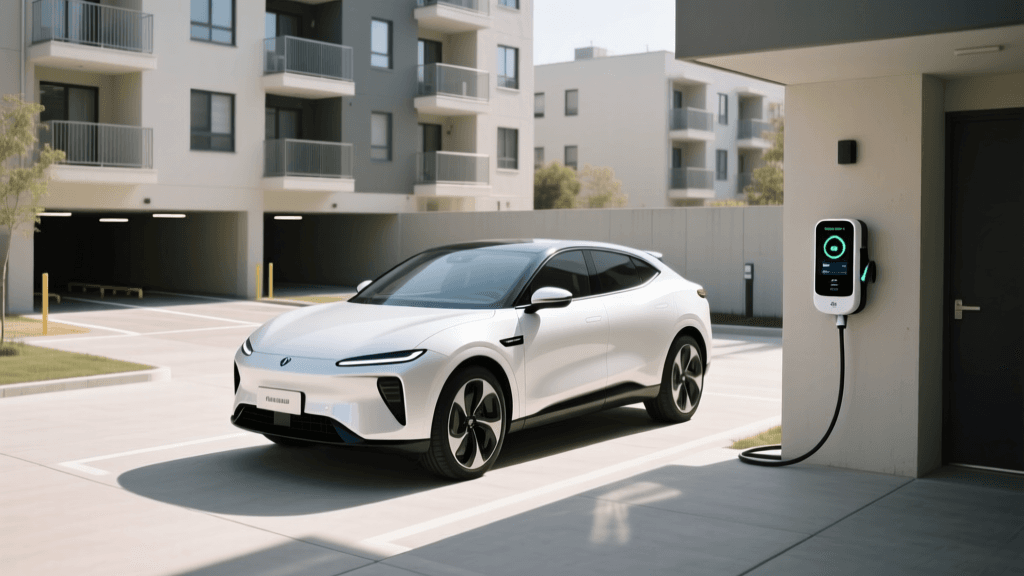
As electric vehicle (EV) adoption accelerates globally, Multi-Unit Dwellings (MUDs)—such as apartment complexes, condominiums, and townhome communities—face a unique infrastructure challenge. Unlike single-family homeowners who can easily install a dedicated Level 2 charger in a private garage, MUD residents must navigate shared parking spaces, limited electrical capacity, and complex property management approvals. Installing shared EV charging stations in these environments requires a strategic approach that balances electrical safety, equitable access, and financial sustainability.
This comprehensive how-to guide walks property managers, HOA board members, and electrical contractors through the exact standards and steps required to deploy shared EV charging infrastructure in multi-unit dwellings. From navigating local 'Right to Charge' laws to implementing Automated Load Management Systems (ALMS) and ensuring ADA compliance, this guide provides the actionable blueprints needed for a successful deployment.
Step 1: Navigating HOA Approvals and Right to Charge Laws
Before any physical installation begins, you must secure approval from the Homeowners Association (HOA) or property management board. Historically, HOAs have pushed back on EV installations due to concerns over aesthetic changes, shared electricity costs, and liability. However, the legal landscape is shifting rapidly.
Understanding Right to Charge Legislation
Several states, including California (Civil Code 4745), Colorado, New York, and Florida, have enacted 'Right to Charge' laws. These statutes generally prohibit HOAs from unreasonably denying a resident's request to install an EV charger, provided the resident agrees to cover the costs of installation, maintenance, and electricity. For shared, multi-port installations funded by the HOA or property management, the process shifts from individual compliance to a community-wide infrastructure vote.
- Draft a Comprehensive Proposal: Present the board with a detailed plan covering hardware costs, electrical upgrades, software billing mechanisms, and liability insurance.
- Establish an EV Committee: Form a sub-committee of residents and board members to evaluate vendor bids and manage the rollout timeline, which typically spans 3 to 6 months from proposal to energization.
Step 2: Electrical Capacity and Automated Load Management
The most significant hurdle in MUD installations is the existing electrical capacity. Most older apartment complexes were built with electrical panels sized strictly for lighting, HVAC, and standard appliances, leaving zero headroom for high-draw EV charging.
The Traditional Route: Panel and Transformer Upgrades
If your facility has the capacity, adding a dedicated subpanel or upgrading the main utility transformer is the most straightforward method. However, utility transformer upgrades can cost between $15,000 and $50,000 and take 6 to 12 months for the utility company to complete. Trenching for new conduit from the main switchgear to distant parking lots must be dug to a depth of 18 to 24 inches, adhering to local municipal codes.
The Modern Solution: Automated Load Management Systems (ALMS)
To avoid catastrophic utility upgrade costs, modern MUD installations rely on ALMS. According to the U.S. Department of Energy's Alternative Fuels Data Center, ALMS allows multiple chargers to share a single electrical circuit safely. The system's software monitors the building's real-time energy consumption. When the building's overall power draw spikes (e.g., during peak evening HVAC usage), the ALMS automatically throttles the amperage to the EV chargers. When the building's load drops, the chargers ramp back up to their maximum output. This allows a property to install ten 40-amp chargers on a circuit that might only safely support three without ALMS.
Step 3: Selecting Networked, OCPP-Compliant Hardware
For shared environments, 'dumb' (non-networked) chargers are entirely unsuitable. You cannot track usage, bill individual residents, or monitor hardware health without network connectivity. When selecting hardware like the ChargePoint CT4000 dual-port pedestal or the Blink HQ 100, ensure the equipment is OCPP-compliant.
Why OCPP Matters
The Open Charge Point Protocol (OCPP) is the universal language that allows EV charging hardware to communicate with backend management software. If you purchase OCPP-compliant hardware, you are not locked into the manufacturer's proprietary software network. If the hardware vendor raises their software subscription fees, you can seamlessly migrate your chargers to a third-party backend provider like Noodoe, EV Connect, or AmpUp, saving thousands of dollars over the lifespan of the equipment.
Furthermore, ensure the selected pedestals feature integrated cable management systems and 24-foot to 25-foot retractable cables. In shared parking lots, long cables are necessary to reach charging ports located on different sides of various vehicle models, while retraction mechanisms prevent cables from dragging on the ground, reducing tripping hazards and wear-and-tear.
Step 4: NEC Article 625 and ADA Compliance Standards
Installation must strictly adhere to the National Electrical Code (NEC) and the Americans with Disabilities Act (ADA). The National Fire Protection Association (NFPA 70) outlines the definitive safety standards for EV infrastructure under NEC Article 625.
Key NEC Article 625 Requirements
- GFCI Protection: All Level 2 receptacles and hardwired EVSE (Electric Vehicle Supply Equipment) must have Class A Ground-Fault Circuit-Interrupter (GFCI) protection to prevent shock hazards in outdoor, potentially wet environments.
- Ventilation and Indoor Installations: If installing shared chargers in an underground parking garage, NEC Article 625.48 requires specific ventilation standards if the chargers are not explicitly certified for zero-emission indoor use. Most modern, sealed Level 2 units bypass this requirement, but local fire marshals will verify.
- Disconnect Switches: A readily accessible, lockable disconnect switch must be installed within sight of the EVSE for emergency responder safety.
ADA Compliance for Shared Charging
MUDs must ensure that a percentage of their shared charging spaces are ADA-compliant. This goes beyond simply painting a blue symbol on the pavement. ADA standards dictate that the EVSE touchscreen and controls must be mounted within a 48-inch maximum forward or side reach range. Furthermore, the pathway from the accessible parking space to the charger must be completely level (slope no greater than 1:48) and free of curbs or wheel stops that could impede wheelchair access.
Step 5: Implementing Billing and Access Control Software
In a shared environment, the cost of electricity must be recovered from the users, not absorbed by the HOA's general fund. Networked chargers paired with robust backend software (such as ChargePoint's Multi-Family Solutions) allow property managers to set custom billing rules.
- Tiered Pricing: Charge residents a lower rate (e.g., $0.15/kWh) while applying a higher public rate (e.g., $0.35/kWh) for non-residents or guests.
- Idle Fees: To prevent 'ICEing' or fully charged EVs hogging shared spots, configure the software to impose idle fees (e.g., $1.00 per minute) if a vehicle remains plugged in for more than 15 minutes after reaching a full charge.
- Access Control: Use RFID cards or license plate recognition (LPR) cameras to restrict access to the chargers exclusively to residents during peak overnight hours.
Cost Breakdown and Funding Incentives
Understanding the financial scope is critical for HOA approval. Below is a structured cost analysis for a standard 4-port shared parking lot installation.
| Installation Component | Estimated Cost Range | Timeline / Notes |
|---|---|---|
| Commercial Dual-Port Pedestals (x2) | $8,000 - $14,000 | Networked, OCPP-compliant, cable management |
| Electrical Panel / Subpanel Upgrade | $4,000 - $12,000 | Depends on existing capacity and ALMS usage |
| Trenching, Conduit, and Wiring | $5,000 - $15,000 | $50-$150 per linear foot; 18-24 inch depth |
| Permitting and Engineering Plans | $2,000 - $5,000 | Required for commercial/multi-family loads |
| ADA Concrete Pad and Signage | $1,500 - $3,500 | Ensures compliance with reach and slope rules |
| Total Estimated Project Cost | $20,500 - $49,500 | Typical physical install time: 3-5 days |
Leveraging Incentives and Rebates
Property managers should aggressively pursue local and federal incentives to offset these capital expenditures. The federal Alternative Fuel Vehicle Refueling Property Tax Credit (30C) can cover up to 30% of hardware and installation costs (up to $100,000 per item) for properties located in eligible low-income or non-urban census tracts. Additionally, local utility companies frequently offer 'Make-Ready' programs, where the utility covers 100% of the infrastructure costs (trenching, conduit, and panel upgrades) up to the charger pedestal, drastically reducing the HOA's financial burden.
Conclusion
Installing shared EV chargers in multi-unit dwellings is a complex but highly rewarding infrastructure upgrade. By leveraging Automated Load Management Systems to bypass costly utility upgrades, insisting on OCPP-compliant hardware to prevent vendor lock-in, and strictly adhering to NEC and ADA codes, property managers can create a resilient, equitable, and profitable charging network. As EV adoption continues to dominate the automotive market, MUDs that proactively install shared charging infrastructure will see increased property values, higher tenant retention, and a future-proofed community.