Why Upgrade to a 240V Level 2 Home Charger?
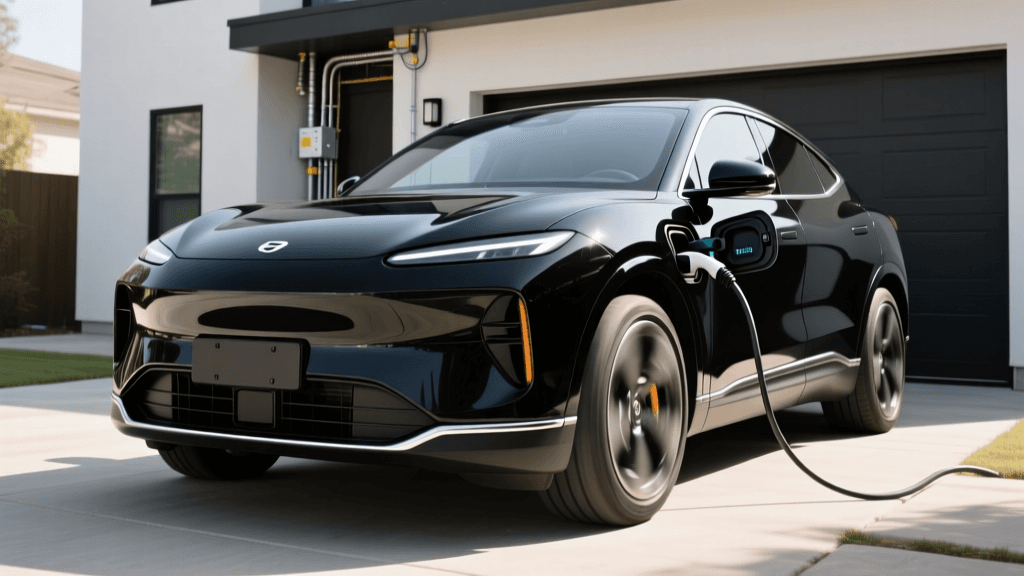
For electric vehicle (EV) owners, relying on a standard 120V Level 1 outlet is often a test of patience. While Level 1 charging is sufficient for plug-in hybrids or low-mileage commuters, a 240V Level 2 home charger is the gold standard for daily EV convenience. A Level 2 charger typically delivers between 32 amps and 48 amps, translating to roughly 25 to 44 miles of range per hour of charging. According to the U.S. Department of Energy, the vast majority of residential EV charging occurs at Level 2, simply because it aligns perfectly with overnight charging windows, ensuring your vehicle is always topped up by morning.
This comprehensive, step-by-step guide walks you through the technical, logistical, and safety requirements of installing a hardwired 240V Level 2 EV charger at home. Whether you are an advanced DIYer looking to understand the process or a homeowner preparing to hire a licensed electrician, understanding these steps is critical for a safe and code-compliant installation.
Phase 1: Pre-Installation Assessment and Permitting
Before purchasing a charger or pulling any wire, you must evaluate your home's electrical infrastructure. The most critical factor is your electrical panel's capacity.
1. Electrical Load Calculation
Most modern homes are equipped with a 200-amp main service panel, which is generally sufficient to support a 40-amp to 50-amp EV charging circuit. However, if you have an older home with a 100-amp panel, or if your panel is already heavily loaded with high-draw appliances (like electric tankless water heaters, dual electric ovens, or central AC), you may need a panel upgrade or a service upgrade. A licensed electrician will perform a National Electrical Code (NEC) Article 220 load calculation to determine if your panel can safely handle the continuous 80% load rule required for EV chargers.
2. Securing Local Permits
Almost all municipalities require an electrical permit for installing a new 240V circuit. This ensures the work is inspected and meets local building codes. Skipping permits can void your home insurance in the event of an electrical fire and may cause issues when selling your home. Your electrician will typically pull this permit on your behalf before work begins.
Phase 2: Hardwired vs. NEMA 14-50 Receptacle
When installing a 240V Level 2 charger, you have two primary connection methods: hardwiring directly into the electrical panel or installing a NEMA 14-50 receptacle (a heavy-duty 50-amp outlet). For this guide, we focus heavily on the hardwired approach, as it is increasingly recommended by manufacturers and electricians for high-amperage setups.
| Feature | Hardwired Connection | NEMA 14-50 Receptacle |
|---|---|---|
| Max Amperage | Up to 60A (48A continuous) | 50A (40A continuous) |
| Portability | Fixed to the wall | Charger can be unplugged and moved |
| GFCI Breaker Requirement | Standard breaker (GFCI built into charger) | Requires expensive GFCI breaker (NEC 2017+) |
| Reliability | Higher (no loose plug connections) | Lower (prone to heat buildup at plug) |
Phase 3: Step-by-Step 240V Hardwired Installation Process
Disclaimer: Working inside an electrical panel is extremely dangerous and can be fatal. This guide is for educational purposes. Always hire a licensed, insured electrician to perform or supervise the final connections.
Step 1: Main Power Shutoff and Safety Prep
The first step is to shut off the main breaker to your electrical panel. Even with the main breaker off, the service entrance wires coming from the utility meter remain live. Electricians use a non-contact voltage tester and a multimeter to verify that the bus bars are completely de-energized before proceeding. Proper lockout/tagout procedures should be applied to the main breaker to prevent accidental re-energization.
Step 2: Mounting the Charger Backplate
The charger's mounting bracket or backplate is secured to the wall, ideally positioned so the charging cable can comfortably reach the vehicle's charge port without stretching across a walkway. For drywall installations, the bracket must be anchored directly into wooden or metal wall studs using heavy-duty lag bolts, as the combined weight of the charger and the stiff EV cable can easily pull out standard drywall anchors.
Step 3: Running Conduit and Pulling Wire
Next, the physical pathway for the wiring is established. Depending on local codes and whether the run is exposed or concealed, the electrician will install PVC, EMT (metal), or flexible metallic conduit from the panel to the charger location.
For a standard 48-amp continuous charger, the NEC requires the circuit to be rated for 60 amps. This typically requires 6 AWG copper wire (THHN/THWN-2) for runs up to 50 feet. For longer runs, 4 AWG copper wire is necessary to prevent voltage drop. The electrician will pull three wires through the conduit: two hot wires (black and red), one neutral (white, though often not required for modern hardwired EVSEs, it is pulled if local codes dictate), and a bare copper or green equipment grounding wire sized appropriately (usually 8 AWG or 10 AWG for a 60A circuit).
Step 4: Breaker Panel Termination
At the electrical panel, a new double-pole 60-amp breaker is installed onto the bus bars. The two hot wires are terminated into the breaker lugs, and the ground wire is connected to the panel's grounding bar. The torque on these connections must be precisely adjusted using a calibrated torque screwdriver to the manufacturer's specifications. Loose connections cause arcing and heat, which are leading causes of electrical fires.
Step 5: Charger Termination and Final Assembly
The wires are then routed into the EV charger's internal junction box. Following the manufacturer's wiring diagram, the hot wires are connected to the L1 and L2 terminals, and the ground wire is secured to the chassis ground lug. Because hardwired units do not rely on an external outlet, the internal Ground Fault Circuit Interrupter (GFCI) logic board handles all fault protection, eliminating the need for a specialized (and often nuisance-tripping) GFCI breaker at the panel. Once wired, the faceplate is secured, and the unit is sealed.
Cost Breakdown: What to Expect
The cost of installing a 240V Level 2 charger varies wildly based on the distance from the panel, the need for trenching, and the condition of your existing electrical service. Below is an estimated cost breakdown for a standard residential installation.
| Installation Component | Estimated Cost Range |
|---|---|
| Level 2 EV Charger (Hardware) | $400 - $750 |
| Electrical Permit Fees | $50 - $200 |
| Standard Installation (Panel to Garage) | $600 - $1,200 |
| Electrical Panel Upgrade (100A to 200A) | $1,500 - $3,500 |
| Trenching / Concrete Cutting (if applicable) | $500 - $2,000 |
NEC Code Compliance and Safety Standards
EV charging installations are governed by Article 625 of the National Electrical Code (NEC), published by the National Fire Protection Association (NFPA). Article 625 specifically addresses Electric Vehicle Charging System Equipment.
One of the most critical rules in Article 625 is the continuous load requirement. Because EV charging is considered a continuous load (operating for three hours or more), the circuit must be rated at 125% of the charger's maximum amperage. Therefore, a 40-amp charger requires a 50-amp circuit, and a 48-amp charger requires a 60-amp circuit. Additionally, the 2017 and 2020 NEC updates introduced strict GFCI protection requirements for EV receptacles, which is why many professionals now prefer hardwired installations to avoid the high cost and frequent false-tripping associated with 50-amp GFCI breakers.
Final Inspection and Testing
Once the physical installation is complete, the work must be inspected by the local Authority Having Jurisdiction (AHJ), typically a city or county electrical inspector. The inspector will verify wire gauge, breaker sizing, torque marks, conduit fill ratios, and proper grounding.
After passing inspection, the electrician will energize the circuit. The charger will boot up, run an internal self-diagnostic, and illuminate its readiness LEDs. Finally, you will plug the connector into your EV to verify that the communication protocol (Control Pilot signal) successfully initiates the charging session. With the installation complete and inspected, you can now enjoy the fastest, safest, and most convenient home charging experience available.