The Reality of Free Supercharging for Model 3 Owners
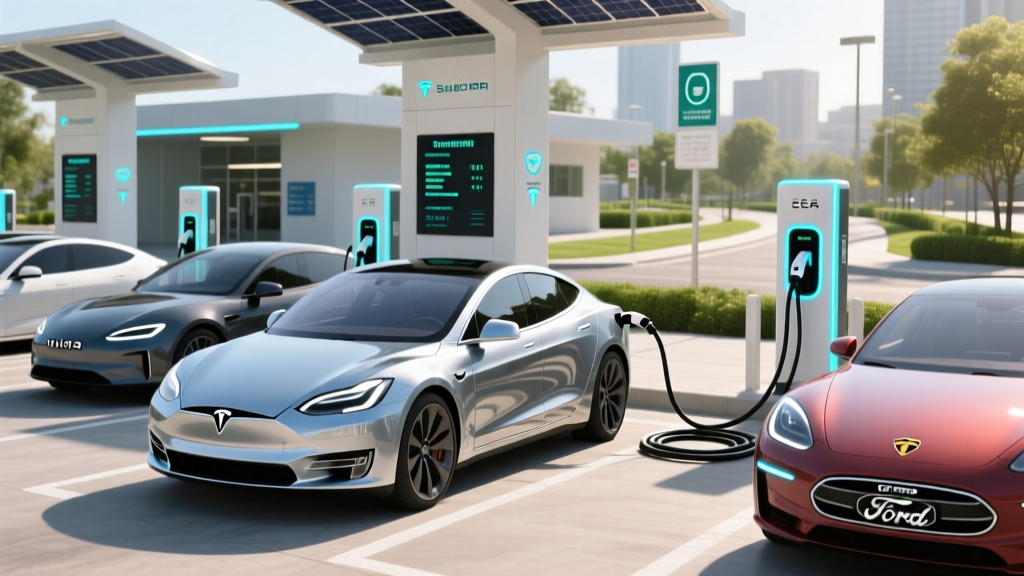
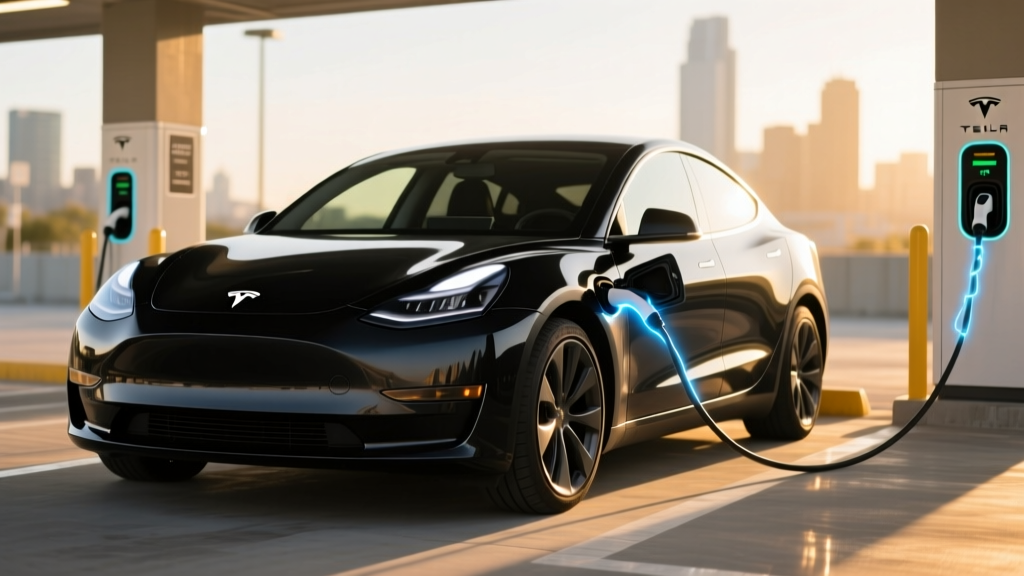
If you've searched for "free supercharging model 3" hoping to score unlimited complimentary miles on Tesla's network, the short answer for 2026 is: free Supercharging is no longer a standard perk on new Model 3 purchases. Tesla phased out transferable free Supercharging credits years ago, and the current Model 3 (including the refreshed "Highland" variant) ships without any bundled free kWh on the Supercharger network.
That said, there are narrow exceptions. Tesla occasionally runs limited-time promotional credits — such as 10,000 free Supercharger miles on select inventory vehicles during end-of-quarter pushes — and some pre-2017 Model S/X vehicles retain legacy unlimited free Supercharging, but that benefit was never extended to Model 3 as a permanent program. If you're buying a used Model 3 that originally had promotional credits, those credits are typically tied to the original owner's Tesla account and do not transfer at resale.
With free Supercharging essentially off the table, the smart move for Model 3 buyers in 2026 is optimizing your charging setup to minimize cost per mile. That means a well-configured home Level 2 charger, strategic use of public DC fast charging, and understanding exactly what you'll pay per kWh.
Charging Levels Explained: Speeds, kW, and Miles Per Hour
Before sizing up equipment, you need to understand the three charging tiers. Note that kW (kilowatts) measures power — the rate of energy delivery, while kWh (kilowatt-hours) measures energy capacity, like gallons in a tank. Confusing these is the most common EV literacy mistake.
| Level | Voltage | Power (kW) | Miles of Range Added Per Hour | Typical Use Case |
|---|---|---|---|---|
| Level 1 | 120V AC | 1.0–1.4 kW | 3–5 mi/hr | Overnight trickle; emergency top-ups |
| Level 2 | 240V AC | 7.2–19.2 kW | 25–65 mi/hr | Daily home/workplace charging |
| DC Fast Charging | 400–800V DC | 50–350 kW | 150–1,000+ mi/hr (peak) | Road trips; rapid top-ups |
For a 2026 Tesla Model 3 Long Range AWD (75 kWh usable battery, EPA-estimated 341 miles), here's what real charging times look like:
- Level 1 (120V, ~1.2 kW): 10–80% takes roughly 44 hours. Only viable as a backup.
- Level 2 (240V, 11.5 kW — Tesla Wall Connector on a 60A circuit): 10–80% in approximately 4.5 hours. Ideal for overnight charging.
- DC Fast Charging (Tesla Supercharger V4, peak 250 kW): 10–80% in about 25–28 minutes. Note: peak rate of 250 kW is sustained only up to roughly 40–50% State of Charge (SoC), after which the charge curve tapers significantly to protect battery health. Expect an average of ~150 kW across the full 10–80% session.
How Much Does a Home EV Charger Installation Cost?
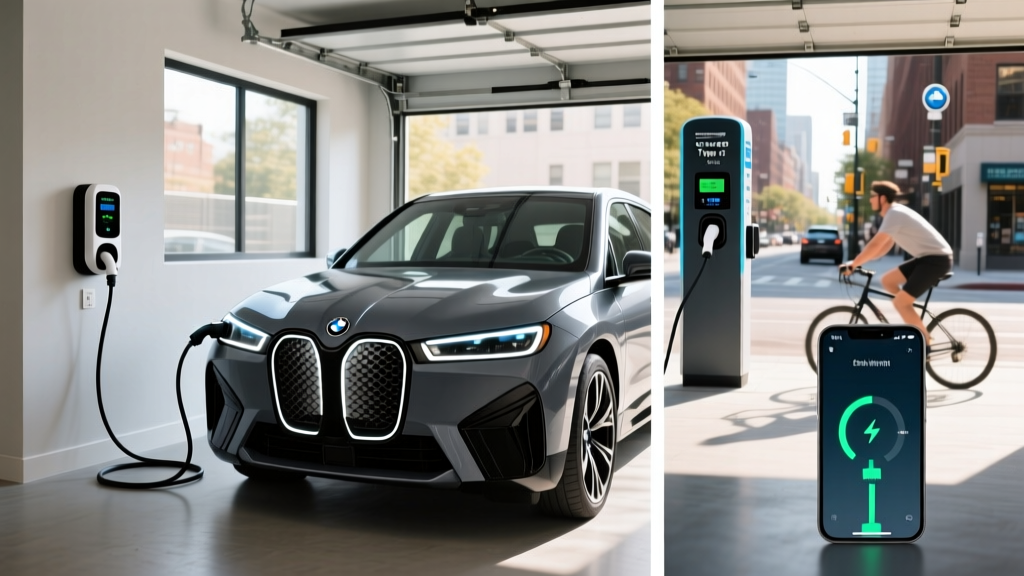
Home Level 2 installation costs vary enormously depending on your electrical panel's capacity, the distance from panel to charger location, and local permit fees. Here's a realistic breakdown for a 240V/48A hardwired charger (the most common residential setup for Tesla owners):
| Item | Low Estimate | High Estimate | Notes |
|---|---|---|---|
| Level 2 Charger Equipment | $400 | $650 | Tesla Wall Connector, ChargePoint Home Flex, Emporia Level 2 |
| Electrician Labor | $500 | $2,000 | Depends on run length, conduit, drywall work |
| Permit & Inspection | $50 | $300 | Varies by municipality |
| Electrical Panel Upgrade (if needed) | $1,500 | $4,000 | Required if existing panel lacks capacity for a 60A circuit |
| Total (No Panel Upgrade) | $950 | $2,950 | Most homes with 200A service |
| Total (With Panel Upgrade) | $2,450 | $6,950 | Older homes with 100A or maxed-out panels |
Connector Compatibility: NACS, CCS, and Adapters
The 2026 Tesla Model 3 uses the North American Charging Standard (NACS) connector natively — Tesla's proprietary plug that has now been adopted as the industry standard by Ford, GM, Rivian, Volvo, Hyundai, and most other major automakers. This means:
- Tesla Superchargers: Plug in directly — no adapter needed.
- Non-Tesla DC fast chargers (Electrify America, EVgo, Ionity): Most have added NACS cables by 2026, but some legacy CCS1 stations still require a CCS-to-NACS adapter.
- Public Level 2 chargers (J1772): You'll need a J1772-to-NACS adapter (Tesla includes one with every new Model 3).
| Connector Type | Used By | Tesla Model 3 (2026) Compatibility |
|---|---|---|
| NACS | Tesla, Ford, GM, Rivian, Hyundai, Volvo (2025+) | Native — no adapter |
| CCS1 | Legacy non-Tesla chargers; being phased out | Adapter required (aftermarket CCS-to-NACS, ~$150–$250) |
| CHAdeMO | Nissan Leaf (legacy); nearly discontinued | No practical adapter available |
| J1772 (Level 2) | All non-Tesla public Level 2 stations | J1772-to-NACS adapter (included with vehicle) |
Cost to Charge: Per kWh and Per Mile vs Gas
Without free Supercharging, your per-mile cost depends heavily on where and when you charge. Here's a realistic comparison using the 2026 Model 3 Long Range AWD, which achieves approximately 25 kWh/100 miles (or 4 miles per kWh) in mixed driving, per EPA data on fueleconomy.gov:
| Scenario | Cost per kWh | Cost per 100 Miles | Cost per Mile |
|---|---|---|---|
| Home (off-peak utility rate) | $0.08–$0.12 | $2.00–$3.00 | $0.02–$0.03 |
| Home (standard rate, no TOU plan) | $0.14–$0.18 | $3.50–$4.50 | $0.035–$0.045 |
| Tesla Supercharger (average 2026) | $0.28–$0.36 | $7.00–$9.00 | $0.07–$0.09 |
| Non-Tesla DC Fast (Electrify America, EVgo) | $0.35–$0.48 | $8.75–$12.00 | $0.088–$0.12 |
| Gas car (30 MPG combined, $3.50/gal) | N/A | $11.67 | $0.117 |
The takeaway: Home charging on an off-peak time-of-use (TOU) plan is 4–6x cheaper per mile than gasoline. Even Tesla Supercharging at $0.32/kWh averages about $0.08/mile — still 30% cheaper than a 30-MPG gas car at $3.50/gallon. Exclusive reliance on non-Tesla DC fast chargers, however, can approach or exceed gas-car fueling costs. Install a home Level 2 charger and enroll in your utility's EV TOU rate plan to maximize savings.
Recommended Home Chargers for Tesla Model 3
Here are three Level 2 chargers we recommend for Model 3 owners, all NACS-native or NACS-compatible as of 2026:
Tesla Wall Connector (Gen 4)
- Power Output: Up to 11.5 kW (48A on a 60A circuit)
- Connector: NACS native
- Cable Length: 24 feet
- Smart Features: Wi-Fi OTA updates, Tesla app integration, load sharing with other Wall Connectors, Power-Share with Tesla Powerwall
- Price: ~$475
- Verdict: Best ecosystem integration for Tesla-only households.
ChargePoint Home Flex (NACS)
- Power Output: Up to 12 kW (50A on a 60A circuit; adjustable down to 16A)
- Connector: NACS (2025+ model); older versions ship J1772 with adapter
- Cable Length: 23 feet
- Smart Features: ChargePoint app scheduling, Alexa integration, amperage dip-switch configurable
- Price: ~$550–$600
- Verdict: Best for multi-EV households with non-Tesla vehicles.
Emporia Vue Level 2 Smart Charger
- Power Output: Up to 11.5 kW (48A)
- Connector: NACS (2025+ version); J1772 with adapter available
- Cable Length: 24 feet
- Smart Features: Energy monitoring via Emporia Vue panel integration, solar-aware charging, TOU scheduling
- Price: ~$400–$450
- Verdict: Best value; ideal if you have solar panels or Emporia energy monitoring.
Safety, Electrical Code, and Installation Requirements
EV charging places a sustained high-amperage load on your home's electrical system — far more continuous than an oven or dryer. Proper installation is not optional. Key requirements per the National Electrical Code (NEC) Article 625:
- Dedicated Circuit: Your Level 2 charger must be on its own dedicated circuit — no sharing with other appliances. A 48A charger requires a 60A breaker (NEC requires circuits be rated at 125% of continuous load).
- GFCI Protection: NEC 2020 and later require GFCI (Ground Fault Circuit Interrupter) protection for all EV charging outlets. Hardwired units typically have GFCI built into the charger itself.
- Outdoor Rating: If installing outdoors, the charger must carry a NEMA 3R or NEMA 4 rating. All three chargers recommended above meet outdoor-rating standards.
- Wire Gauge: A 60A circuit typically requires 4 AWG copper wire (or 3 AWG aluminum) in conduit. Your electrician will size this based on run length and local code amendments.
- Permit & Inspection: Virtually all jurisdictions require an electrical permit and post-installation inspection. Skipping this can void your homeowner's insurance coverage for electrical fires.
Frequently Asked Questions
Can I still get free Supercharging on a Model 3 in 2026?
No — Tesla does not include free Supercharging with new Model 3 purchases. Occasional promotional credits (e.g., 10,000 free miles on select inventory) may appear during sales pushes, but these are temporary, non-transferable, and not guaranteed. Budget for Supercharging at $0.28–$0.36/kWh depending on your region.
How fast will each charging level add range to my Model 3?
Level 1 (120V) adds 3–5 miles per hour. Level 2 (240V, 11.5 kW) adds roughly 44 miles per hour — enough to fully replenish overnight. DC fast charging at a V4 Supercharger (peak 250 kW) can add up to 200+ miles in 15 minutes during the peak portion of the charge curve, but expect the rate to taper significantly above 60% SoC.
Which connector does my 2026 Model 3 use?
The 2026 Model 3 uses the NACS connector natively. This plugs directly into all Tesla Superchargers and the growing number of non-Tesla stations that have added NACS cables. For legacy J1772 Level 2 stations, use the J1772-to-NACS adapter Tesla includes with the car.
How much does charging cost per mile compared to gas?
Home charging at $0.10/kWh costs about $0.025/mile — roughly 4–5x cheaper than a 30-MPG gas car at $3.50/gallon ($0.117/mile). Even Tesla Supercharging at $0.32/kWh comes in at ~$0.08/mile. Only exclusive reliance on expensive non-Tesla DC fast chargers ($0.40+/kWh) approaches gas-car costs.
What electrical upgrades might I need for a home charger?
If your home has a 200A electrical panel with available capacity, you likely only need a new 60A breaker and wiring run ($950–$2,950 total). If your panel is 100A, already near capacity, or you live in an older home, a panel upgrade to 200A may be required ($1,500–$4,000 additional). A licensed electrician will perform a NEC Article 220 load calculation to determine this. See IRS.gov for whether any home energy upgrades qualify for federal credits under current §25C rules.
Is it worth installing a home charger if I can use Superchargers?
Absolutely. Home Level 2 charging at off-peak rates costs $2–$3 per 100 miles vs $7–$9 at Superchargers. Over 12,000 annual miles, that's a savings of $480–$720 per year — the charger pays for itself within 1–3 years. Plus, you start every morning with a full battery without detouring to a station.