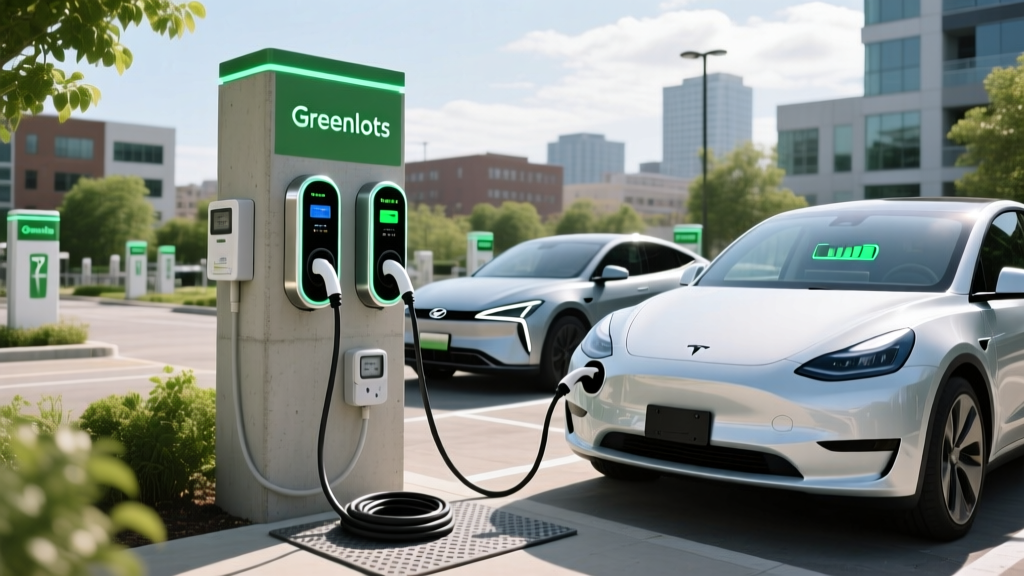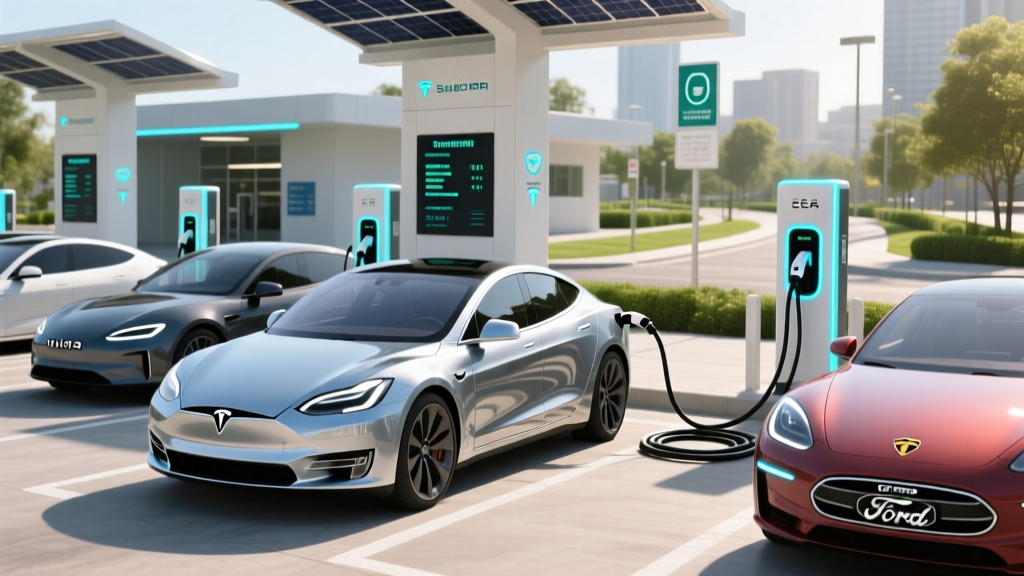
If you've watched a row of sleek sedans and SUVs pull into a Tesla Supercharger plaza and wondered which cars stop at Supercharger stations beyond the Tesla badge, you're not alone. As of the 2026 model year, the Supercharger network is no longer a Tesla-only club. Thanks to Ford, Rivian, General Motors, Hyundai, and others adopting the North American Charging Standard (NACS), dozens of non-Tesla EVs now access over 25,000 Supercharger stalls across North America — some natively, some with an adapter, and a growing number with NACS ports built right into the factory.
But access is only part of the equation. To actually own an EV confidently, you need to understand what happens when you're not at a Supercharger: how home charging works, what electrical upgrades your garage might need, and what you'll actually pay per mile. This guide covers the full charging picture for 2026 EV buyers, from the Supercharger stall to your 240V wall outlet.
Understanding EV Charging Levels: kW, kWh, and Miles Per Hour
Before mapping out which vehicles use which networks, let's nail down the single most important distinction in EV ownership: kW (kilowatts) measures power — how fast energy flows into your car. kWh (kilowatt-hours) measures energy — the total capacity of your battery, like gallons in a gas tank. A 75 kWh battery charged at 7 kW takes roughly 10+ hours; that same battery at 150 kW DC fast charging can go from 10–80% in under 30 minutes.
| Charging Level | Voltage | Power (kW) | Miles of Range Added Per Hour | Best For |
|---|---|---|---|---|
| Level 1 (Standard Outlet) | 120V AC | 1.0–1.4 kW | 3–5 miles | Overnight top-ups, PHEVs, emergencies |
| Level 2 (Home/Public AC) | 208–240V AC | 3.3–19.2 kW | 12–75 miles | Daily home charging, workplace, shopping centers |
| DC Fast Charging | 400–800V DC | 50–350 kW | 150–1,000+ miles (peak rate) | Road trips, highway corridors, Supercharger stations |
One critical nuance: peak kW is not sustained kW. A vehicle advertising "250 kW peak" may only hold that rate from roughly 10–30% State of Charge (SoC) before tapering. Most EVs charge fastest between 10–80%, then slow dramatically to protect battery health. When we quote 10–80% charge times below, that's the realistic window road-trippers actually use.
Which Cars Stop at Supercharger Stations in 2026?
Tesla opened its Supercharger network to non-Tesla vehicles in phases, starting with Ford and Rivian in early 2024 and expanding rapidly through 2025–2026. Here's the compatibility landscape as of the 2026 model year:
| EV Brand / Model | Native Port | Supercharger Access | Adapter Needed? |
|---|---|---|---|
| Tesla (Model 3, Y, S, X, Cybertruck) | NACS | Full access, all stalls | No |
| Ford F-150 Lightning, Mustang Mach-E (2025+) | NACS | Full access, all stalls | No (native NACS) |
| Rivian R1T, R1S (2025+) | NACS | Full access, all stalls | No (native NACS) |
| GM (Cadillac Lyriq, Chevy Silverado EV, Blazer EV, Equinox EV 2025+) | NACS | Full access, all stalls | No (native NACS) |
| Hyundai Ioniq 5, Ioniq 6 (2026 MY) | NACS | Full access, all stalls | No (native NACS for 2026) |
| Kia EV6, EV9 (2026 MY) | NACS | Full access, all stalls | No (native NACS for 2026) |
| Ford F-150 Lightning, Mach-E (2024 MY CCS) | CCS1 | V2 Superchargers with magic dock | Tesla-provided adapter (included) |
| Rivian R1T, R1S (2024 CCS) | CCS1 | V2/V3 Superchargers | Ford/Rivian-supplied NACS adapter |
| VW ID.4, ID.Buzz, BMW iX, Mercedes EQE/EQS | CCS1 | Limited — V3 stalls with magic dock or NACS Open connectors | Third-party NACS-to-CCS adapter or CCS-to-NACS adapter |
| Nissan Ariya, Leaf (2025+) | NACS (Ariya) / CHAdeMO (Leaf) | Ariya: Full; Leaf: limited to CHAdeMO-equipped stalls | Leaf: No compatible adapter currently |
Key takeaway: If you're shopping for a 2026 EV and want guaranteed, hassle-free Supercharger access without carrying adapters, prioritize vehicles with a native NACS port — which now includes most major brands. CCS1-equipped EVs from prior model years can still access many Supercharger locations via adapters, but stall compatibility varies.
Home Charging Installation: What It Really Costs
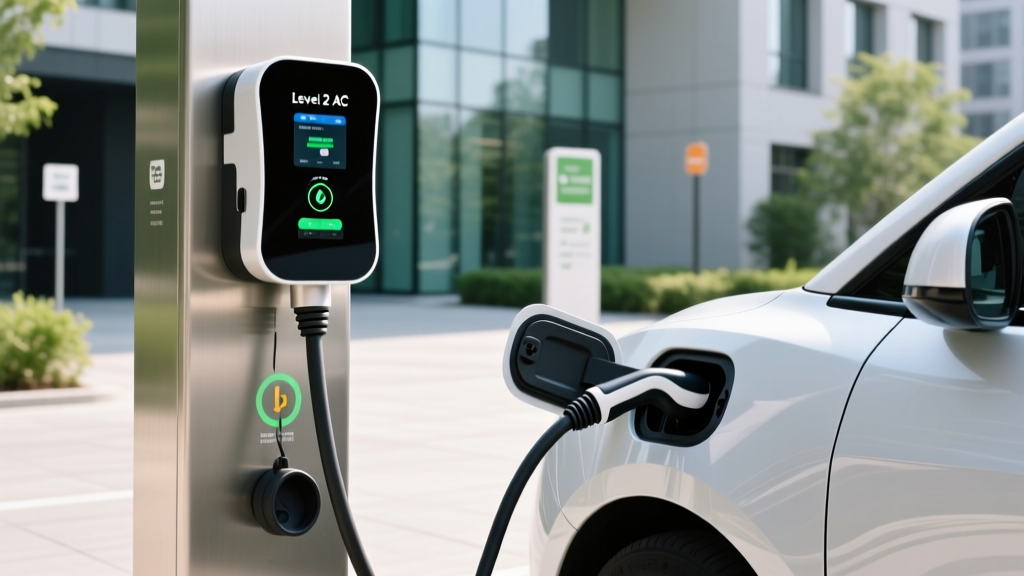
Public DC fast charging — Supercharger or otherwise — is for road trips. For daily driving, 80%+ of EV charging happens at home on a Level 2 circuit. Here's what a real installation looks like in 2026.
Electrical Requirements for Level 2 Home Charging
A typical Level 2 home charger requires a dedicated 240V circuit, most commonly rated at 40A, 48A, or 60A. The charger itself will draw up to 80% of the circuit's rated amperage (a National Electrical Code requirement for continuous loads). So a 48A charger needs a 60A circuit; a 40A charger needs a 50A circuit.
Your home's electrical panel must have enough spare capacity to add this circuit. Most modern 200A panels can accommodate a 60A EV circuit without issue. Older homes with 100A service or panels already near capacity may require a panel upgrade — typically from 100A to 200A — which is one of the largest hidden costs in EV adoption.
Installation Cost Breakdown
| Component | Typical Cost Range | Notes |
|---|---|---|
| Level 2 Charger (Equipment) | $300–$700 | Hardwired or NEMA 14-50 plug; Wi-Fi enabled models at higher end |
| Electrician Labor (standard install) | $500–$1,500 | Assumes panel is nearby, conduit run <30 ft, no drywall repair |
| Electrical Permit | $50–$200 | Varies by municipality; required in most jurisdictions |
| Panel Upgrade (if needed) | $1,500–$3,500 | 100A → 200A service upgrade; not needed in most newer homes |
| Total (no panel upgrade) | $850–$2,400 | Most common scenario for homes built after 2000 |
| Total (with panel upgrade) | $2,350–$5,900 | Older homes or homes with heavy existing loads |
The IRS §30D tax credit covers the vehicle, not the charger. However, the Residential Clean Energy Credit (IRC §25D) was available for some home energy equipment — check current-year IRS guidance, as EV charger-specific credits (formerly §30C Alternative Fuel Vehicle Refueling Property Credit) have specific census-tract eligibility requirements and cap at $1,000. Consult a tax professional for your situation.
Charging Cost Per Mile: EV vs. Gas in 2026
The economics of EV ownership hinge on your charging mix. Here's a realistic cost comparison using a mid-size electric SUV (3.0 miles/kWh efficiency) versus a comparable gas SUV (25 MPG combined), with gas at $3.40/gallon national average:
| Charging Scenario | Cost per kWh | Cost per Mile (EV) | Cost per Mile (Gas, 25 MPG) |
|---|---|---|---|
| Home — Off-Peak TOU Rate | $0.08–$0.12 | $0.027–$0.040 | $0.136 |
| Home — Standard Flat Rate | $0.13–$0.18 | $0.043–$0.060 | $0.136 |
| Public Level 2 (Workplace, Mall) | $0.20–$0.35 | $0.067–$0.117 | $0.136 |
| DC Fast Charging (Electrify America, EVgo) | $0.35–$0.55 | $0.117–$0.183 | $0.136 |
| Tesla Supercharger (V3/V4, 2026 pricing) | $0.25–$0.40 | $0.083–$0.133 | $0.136 |
The verdict: Home charging on any rate plan beats gas per mile. Exclusive reliance on DC fast charging can equal or exceed gas costs, which is why home Level 2 access remains the single biggest factor in EV satisfaction. If you can't charge at home, a PHEV or HEV may be a more economical choice.
Real-World Charging Times: 10–80% for Popular 2026 EVs
Charging time depends on battery size (kWh), the vehicle's maximum accepted charge rate (kW), and the charger's output. Here are 10–80% times at a DC fast charger for some of the most popular EVs whose drivers stop at Supercharger stations and other networks:
| Vehicle | Battery (kWh usable) | Peak DC Charge Rate | 10–80% Time (at capable charger) | Level 2 (48A / 11.5 kW) 0–100% |
|---|---|---|---|---|
| Tesla Model Y Long Range (2026) | 75 kWh (NMC) | 250 kW | ~25 min | ~7.5 hours |
| Ford F-150 Lightning Extended Range | 131 kWh (NMC) | 150 kW (via adapter on CCS models); 170+ kW native NACS | ~40 min | ~12 hours |
| Hyundai Ioniq 5 (2026, NACS) | 77.4 kWh (NMC) | 240 kW (800V architecture) | ~18 min | ~7.5 hours |
| Chevrolet Equinox EV (2026) | 85 kWh (NMC) | 190 kW | ~30 min | ~8 hours |
| Rivian R1S Dual-Motor Max Pack | 141 kWh (NMC) | 200+ kW (native NACS) | ~42 min | ~13 hours |
| Kia EV6 GT-Line (2026, NACS) | 77.4 kWh (NMC) | 240 kW (800V architecture) | ~18 min | ~7.5 hours |
Charge curve reality check: Those 10–80% times assume you're at a charger that can deliver the vehicle's peak rate and that the battery is preconditioned (warmed to optimal temperature). In cold weather (below 40°F), expect 10–80% times to increase by 20–40% unless the vehicle actively preconditioned the battery during navigation to the charger. Tesla's onboard preconditioning is among the best; Hyundai/Kia's 800V system also excels here. Always navigate to your charger using the car's built-in nav when possible to trigger preconditioning.
Equipment Picks: Best Level 2 Home Chargers for 2026
Not all Level 2 chargers are created equal. Here are three proven units we recommend, each suited to different needs:
Tesla Wall Connector (Gen 4)
- Power: Up to 48A (11.5 kW on 240V/60A circuit)
- Connector: NACS native; includes J1772 adapter for non-Tesla EVs
- Cable Length: 24 ft
- Smart Features: Wi-Fi, OTA updates, load sharing with multiple units, access control via app
- Price: ~$475
- Best For: Tesla owners and mixed-Tesla/non-Tesla households; the most reliable NACS-native home unit
ChargePoint Home Flex (NACS version, 2025 refresh)
- Power: Adjustable 16A–50A (up to 12 kW on 240V/60A circuit)
- Connector: NACS (also available in J1772 for older CCS EVs)
- Cable Length: 23 ft
- Smart Features: Wi-Fi, Alexa integration, scheduling, energy tracking, flexible amperage to match your circuit
- Price: ~$550–$650
- Best For: Homes with limited panel capacity (dial down the amperage); excellent app and scheduling
Emporia Vue Level 2 Charger
- Power: Up to 48A (11.5 kW on 240V/60A circuit)
- Connector: J1772 (CCS-compatible); NACS adapter available separately
- Cable Length: 24 ft
- Smart Features: Wi-Fi, integrates with Emporia whole-home energy monitor, solar-aware charging, TOU scheduling
- Price: ~$400
- Best For: Budget-conscious buyers, solar-panel owners who want to charge only on excess solar production
All three units are UL-listed (or ETL-listed to UL standards), which is essential for insurance and code compliance. Avoid uncertified chargers from online marketplaces — they may lack proper safety protections.
Safety, Code, and Installation Best Practices
EV charging is a high-draw, continuous electrical load. Cutting corners here risks fire, failed inspections, or voided insurance. Here's what to insist on:
- Dedicated circuit: Your Level 2 charger must have its own dedicated breaker — never share a circuit with other appliances.
- GFCI protection: The 2023 NEC (and most 2026-adopted local codes) requires GFCI protection for outdoor EV outlets. Hardwired installations may have different requirements — your electrician will know local code.
- Outdoor rating: If your charger is installed outside or in an unconditioned garage, it must carry a NEMA 3R or NEMA 4 (weatherproof) rating.
- NEMA 14-50 vs. hardwired: A NEMA 14-50 outlet gives you portability (take the charger when you move) but requires GFCI in many jurisdictions. Hardwired installations eliminate the outlet, reduce GFCI requirements, and are often preferred for permanent installations.
- Permit and inspection: Always pull a permit. An unpermitted EV charger install can cause problems at home sale and may void insurance coverage for electrical fires.
- Wire gauge: A 60A circuit requires 6 AWG copper wire (or 4 AWG aluminum). Your electrician will size this correctly — just verify it on the permit.
Frequently Asked Questions
How much does it cost to install a home EV charger?
For most homes with a modern 200A electrical panel and a short conduit run, expect $850–$2,400 total (charger + electrician + permit). If your home needs a panel upgrade from 100A to 200A, add $1,500–$3,500, bringing the total to $2,350–$5,900. Always get 2–3 quotes from licensed electricians.
How fast will each charging level add range?
Level 1 (120V) adds 3–5 miles per hour — fine for PHEVs with small batteries, painfully slow for full-size EVs. Level 2 (240V, 48A) adds 30–45 miles per hour, easily refilling most EVs overnight. DC fast charging (150–350 kW) can add 150–300+ miles in 20–30 minutes, depending on the vehicle's accepted charge rate and battery preconditioning.
Which connector/charger is compatible with my EV?
For 2026 model-year vehicles: Tesla, Ford, Rivian, GM, Hyundai, and Kia now ship with native NACS ports. Older CCS1-equipped EVs (2023–2024 Ford, Rivian, VW, BMW) can use NACS-to-CCS adapters for Supercharger access. CHAdeMO vehicles (older Nissan Leaf) have increasingly limited public charging options. Check your vehicle's charge port or owner's manual to confirm.
How much does charging cost per mile vs. gas?
Home charging at average residential rates ($0.13–$0.18/kWh) costs roughly $0.04–$0.06 per mile for a typical EV — about one-third to one-half the cost of gas at $3.40/gallon in a 25 MPG vehicle ($0.136/mile). Exclusive DC fast charging ($0.35–$0.55/kWh) can cost $0.12–$0.18 per mile, rivaling gas. Home Level 2 is where the savings live.
What electrical upgrades might I need?
The most common upgrade is a panel capacity increase from 100A to 200A service, needed in older homes or those with heavy existing loads (electric heat, hot tub, multiple large appliances). Some homes may also need a new conduit run from the panel to the garage (adds $200–$800 if the run is long or through finished walls). A licensed electrician's load calculation will determine your exact needs before any work begins.
Can non-Tesla EVs use all Supercharger stalls?
Not all. Some older V2 Supercharger stalls have Tesla-proprietary connectors without the "Magic Dock" CCS/NACS adapter built in. Non-Tesla EVs with native NACS ports (2025+ Ford, Rivian, GM, Hyundai, Kia) can use V3 and V4 Superchargers and any V2 stall equipped with Magic Dock. Tesla's app shows compatible stalls when you filter for your vehicle. The network continues expanding NACS-compatible stalls through 2026.
Whether you're pulling into a Supercharger with a 2026 Hyundai Ioniq 5 or plugging in your Rivian R1T at home, understanding the full charging ecosystem — from connector type to circuit amperage to cost per mile — is what separates confident EV owners from frustrated ones. Start with home Level 2 installation, choose a vehicle with the right native connector for your road-trip needs, and let DC fast charging handle the long haul.