The Unique Challenge of Multi-Unit Dwellings
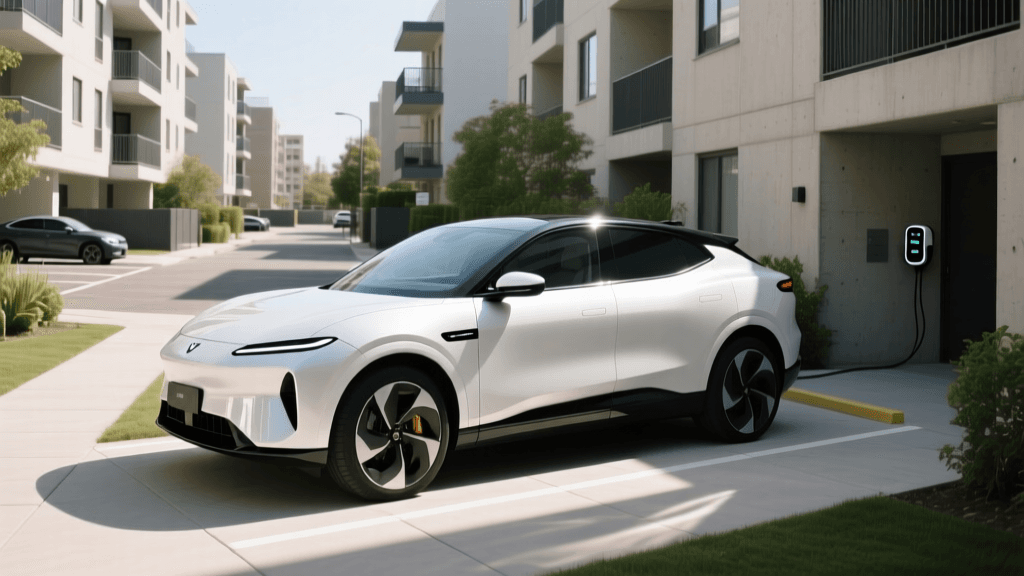
Transitioning to an electric vehicle (EV) is an exciting step toward sustainable transportation and long-term fuel savings. However, for the millions of Americans living in apartments, condominiums, and multi-unit dwellings (MUDs), the prospect of home charging can feel like an insurmountable hurdle. Unlike single-family homeowners who can simply mount a Level 2 charger to their garage wall and plug into a dedicated 240-volt outlet, condo and apartment residents must navigate a complex web of shared electrical infrastructure, property management rules, and homeowners association (HOA) regulations.
This beginner's complete guide will walk you through every step of the apartment and condo EV charger installation process. From understanding your legal rights to selecting smart chargers with advanced load management capabilities, we will provide the actionable advice you need to successfully bring EV charging to your assigned parking space.
Understanding Your Right to Charge
Before approaching your landlord or HOA board, it is crucial to understand the legal landscape governing EV infrastructure in shared housing. Over the past decade, numerous states have enacted Right to Charge laws. These statutes generally prohibit HOAs and condo boards from unreasonably denying a resident's request to install an EV charging station in their designated parking spot, provided the resident agrees to cover all installation, maintenance, and electricity costs.
According to the Alternative Fuels Data Center, states like California, Colorado, Florida, New York, and Texas have specific legislation protecting EV owners in multi-unit dwellings. These laws often stipulate that while an HOA can impose reasonable safety and aesthetic guidelines, they cannot outright ban chargers or impose exorbitant feasibility study fees. Organizations like Plug In America maintain comprehensive, up-to-date databases of state-level legislation, which you should review before submitting your formal installation request.
Step 1: Securing HOA or Landlord Approval
If you live in a condo or a managed apartment complex, your first formal step is submitting an architectural modification request or an EV charging proposal to the property management team or HOA board. To maximize your chances of swift approval, your proposal should be thorough and address the board's primary concerns: safety, liability, and cost.
Your proposal packet should include:
- A Licensed Electrician's Preliminary Assessment: A letter from a certified electrician confirming that the building's current electrical panel can support the additional load, or outlining a safe load-management plan.
- Certificate of Insurance (COI): Documentation from your electrician proving they carry adequate liability and workers' compensation insurance.
- Indemnification Agreement: A signed document stating that you (the unit owner) assume all financial and legal responsibility for the installation, maintenance, and any potential damage caused by the charging equipment.
- Equipment Specifications: Data sheets for the proposed EV charger, highlighting its UL (Underwriters Laboratories) safety certification and smart-grid features.
Step 2: Electrical Capacity and Load Management
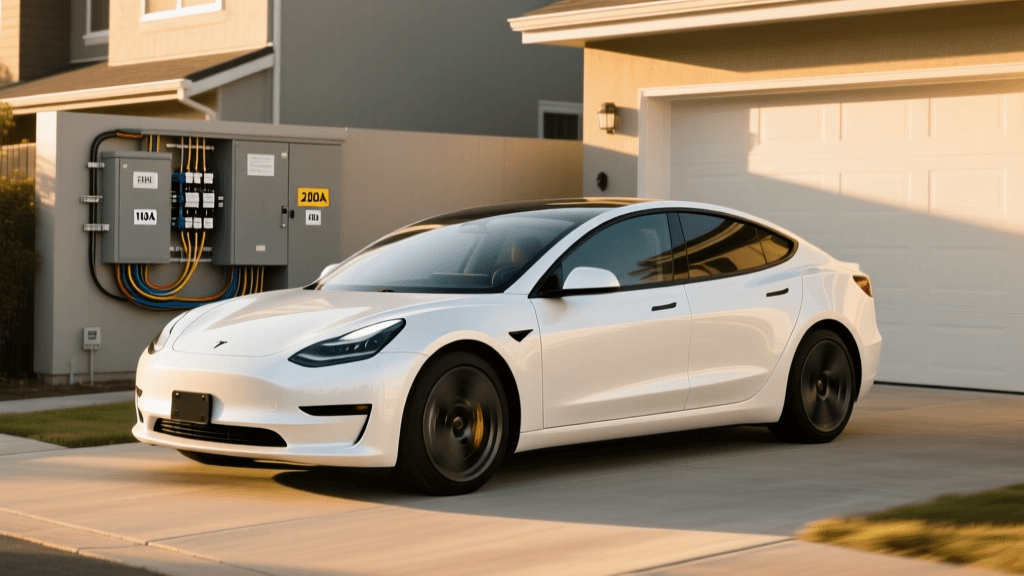
The most significant technical barrier in MUDs is electrical capacity. A standard Level 2 EV charger draws between 32 and 48 amps at 240 volts. If multiple residents in a condo building simultaneously plug in their EVs, the sudden spike in demand could trip the building's main breaker, plunging the entire property into darkness.
To solve this, modern condo EV installations rely heavily on Automated Load Management Systems (ALMS). Load management software monitors the building's real-time energy consumption. If the building's overall power usage approaches its maximum capacity, the system automatically throttles down the power delivered to the EV chargers, preventing a breaker trip. When the building's power demand drops (such as in the middle of the night), the chargers resume their maximum charging speed.
Step 3: Choosing the Right Smart Charger for Shared Power
Not all home chargers are equipped to handle the complexities of shared electrical panels and sub-metering. When selecting a unit for an apartment or condo, prioritize Wi-Fi connectivity, load-sharing capabilities, and precise energy tracking. The U.S. Department of Energy notes that smart charging features are essential for optimizing grid demand and ensuring fair billing in shared spaces.
Top Smart Chargers for Condo and Apartment Load Management
| Charger Model | Max Amperage | Load Sharing Feature | Sub-Metering / Energy Tracking | Best Use Case |
|---|---|---|---|---|
| ChargePoint Home Flex | 50A | Yes (via app grouping) | Basic session tracking | Dedicated condo parking spots with ample panel capacity |
| Emporia V2 | 48A | Yes (with Vue panel integration) | Advanced, real-time circuit-level monitoring | Buildings requiring strict sub-metering and energy audits |
| Enel X JuiceBox Pro | 40A / 48A | Yes (EV Share feature) | Wi-Fi session logging | Shared parking spaces where two EVs alternate charging |
Step 4: Sub-Metering and Billing
In a single-family home, the EV charger simply adds to your personal utility bill. In a condo or apartment, the charger is often wired to the building's common-area electrical panel, meaning the HOA or landlord would technically be paying for your electricity. To resolve this, you must install a sub-meter.
A sub-meter is a small device (often utilizing Current Transformer or CT clamps) that attaches to the specific breaker powering your EV charger. It measures exactly how many kilowatt-hours (kWh) your vehicle consumes. Many modern smart chargers, like the Emporia V2, have highly accurate internal meters that utilities and HOAs accept for billing purposes. Alternatively, a physical sub-meter can be installed in the electrical room, allowing the property manager to bill your unit directly for your EV charging usage each month.
Step 5: Hardwired vs. NEMA 14-50 Outlets in Shared Spaces
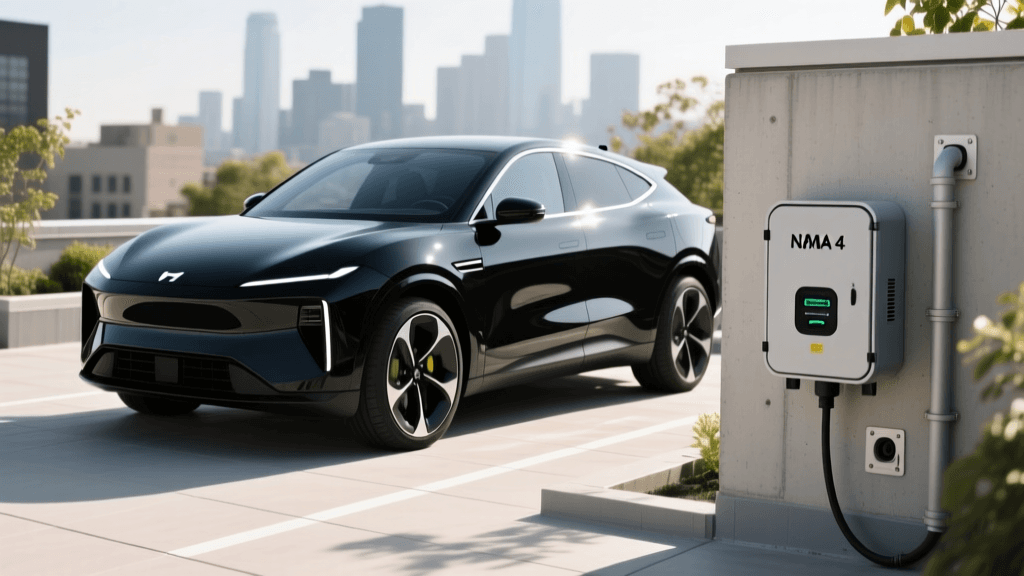
For residential garages, a NEMA 14-50 receptacle (a heavy-duty 240V outlet) is a popular choice because it allows you to take the charger with you when you move. However, in apartments and condos, HOAs and local fire codes frequently mandate hardwired installations.
Hardwiring means the charger is connected directly to the electrical panel via conduit, with no exposed plug or outlet. Property managers prefer hardwired setups for two reasons: first, it eliminates the risk of unauthorized residents plugging high-draw equipment into an open 240V outlet; second, it reduces the risk of electrical fires caused by worn-out receptacle contacts over years of heavy use. Always check your local municipal codes and HOA bylaws regarding outlet vs. hardwired requirements before purchasing your equipment.
Cost Breakdown: What to Expect
Installing an EV charger in a multi-unit dwelling is generally more expensive than in a single-family home due to the need for engineering assessments, longer conduit runs through shared parking garages, and sub-metering. Here is a realistic cost breakdown for a typical condo installation:
- Electrical Load Study & Engineering Stamp: $300 - $800
- Level 2 Smart Charger Unit: $450 - $750
- Wiring, Conduit, and Labor (per foot): $15 - $30 (Garages often require long runs from distant electrical rooms)
- Sub-Meter Installation & Setup: $250 - $600
- City Permits and HOA Application Fees: $150 - $400
- Total Estimated Cost: $1,500 - $3,500+
Be sure to check for local and federal tax credits, as well as utility rebates, which can significantly offset the cost of the charger unit and installation labor.
What If Installation is Denied or Impossible?
If your building's electrical panel is completely maxed out, or if the HOA remains uncooperative despite Right to Charge laws, you still have alternatives. Look into workplace charging programs, which many employers now offer as a perk. Additionally, utilize apps like PlugShare to map out reliable public fast-charging corridors near your apartment for weekly top-ups. Finally, consider organizing a petition with other EV-driving neighbors to propose a building-wide, professionally managed shared charging solution, which is often more palatable to HOA boards than individual, piecemeal installations.