The High Stakes of EV Battery Fire Safety and Thermal Management
As the electric vehicle (EV) market matures, the conversation among consumers and manufacturers is shifting from pure range anxiety to long-term safety, durability, and total cost of ownership. At the heart of this shift is the EV battery pack, specifically the thermal management systems designed to prevent catastrophic failures. When a lithium-ion cell experiences a short circuit, mechanical damage, or manufacturing defect, it can enter a state known as thermal runaway—a chain reaction that generates intense heat and flammable gases. If this heat propagates to adjacent cells, it can result in a severe, difficult-to-extinguish battery fire.
According to the National Transportation Safety Board (NTSB), high-voltage lithium-ion battery fires present unique challenges for first responders and can reignite days or even weeks after the initial incident. Because of these inherent risks, automakers are investing billions into next-generation fire safety improvements. However, these advanced safety features come at a premium. For the cost-conscious EV buyer or fleet manager, understanding the cost and value breakdown of these thermal management upgrades is critical to making an informed purchasing decision.
Traditional vs. Advanced Thermal Management Technologies
Historically, EV battery packs have relied on traditional liquid cold plates—networks of aluminum tubes carrying a water-glycol mixture beneath or between battery modules. While effective at maintaining optimal operating temperatures during normal driving and fast charging, cold plates struggle to contain thermal runaway once it begins. They are designed for heat rejection, not necessarily fire containment.
To address this, the industry is pivoting toward two advanced technologies: Aerogel Thermal Barriers and Dielectric Immersion Cooling.
Aerogel Thermal Barriers
Aerogels are highly porous, ultra-lightweight synthetic materials that act as exceptional thermal insulators. By placing thin sheets of aerogel between individual cells or modules, engineers can effectively isolate a failing cell. If one cell enters thermal runaway, the aerogel barrier prevents the intense heat from transferring to neighboring cells, stopping the chain reaction in its tracks and giving vehicle occupants crucial time to exit the vehicle safely.
Dielectric Immersion Cooling
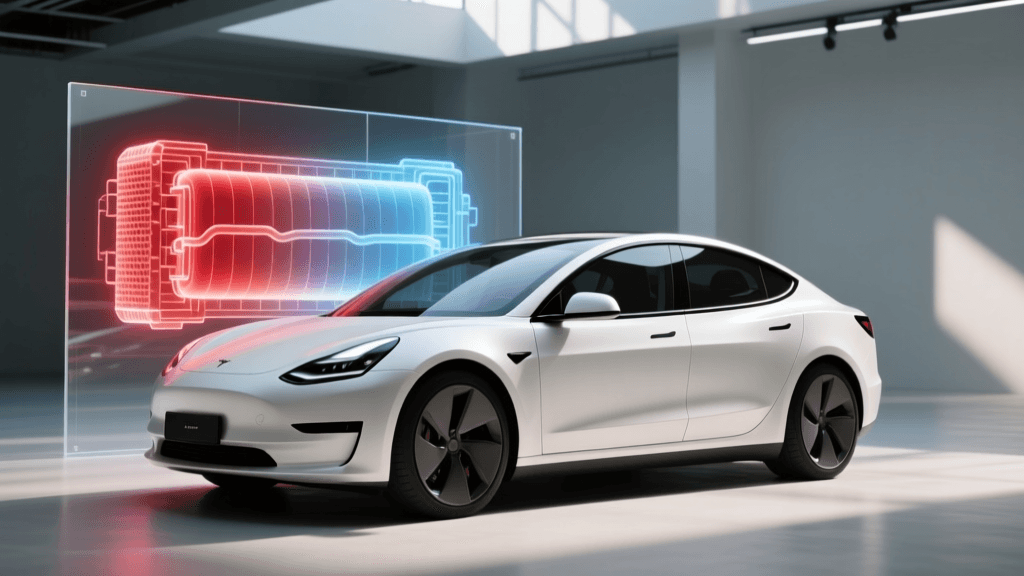
Immersion cooling takes thermal management a step further by submerging the battery cells entirely in a dielectric (non-conductive) fluid. This fluid absorbs heat directly from the surface of the cells, offering vastly superior cooling efficiency compared to cold plates. In the event of a cell venting or short circuit, the surrounding fluid instantly absorbs the thermal spike and suppresses oxygen, effectively suffocating a potential fire before it can propagate.
Cost Breakdown: What Are You Actually Paying For?
Integrating advanced fire safety and thermal management systems inevitably increases the Bill of Materials (BOM) and manufacturing complexity of the battery pack. The National Renewable Energy Laboratory (NREL) emphasizes that while advanced thermal management systems improve safety and longevity, they require careful engineering to balance cost, weight, and volume constraints.
Below is a detailed cost and performance comparison of the primary thermal management technologies currently utilized in the EV market. These estimates reflect the added cost per kilowatt-hour (kWh) of battery capacity at the pack level.
| Thermal Management Technology | Estimated Added Cost (per kWh) | Manufacturing Complexity | Fire Propagation Prevention | Steady-State Cooling Efficiency |
|---|---|---|---|---|
| Traditional Liquid Cold Plates | $12 - $18 | Low | Low (Heat extraction only) | Moderate |
| Phase Change Materials (PCM) | $20 - $28 | Moderate | Moderate (Delays propagation) | Low (Passive absorption) |
| Aerogel Thermal Barriers | $25 - $35 | Moderate to High | High (Cell-to-cell isolation) | N/A (Insulator, requires secondary cooling) |
| Dielectric Immersion Cooling | $40 - $55 | Very High | Extreme (Oxygen displacement & cooling) | Extreme |
Analyzing the Numbers: A standard 80 kWh EV battery pack utilizing traditional cold plates might spend roughly $1,200 on the thermal management system. Upgrading that same pack to include aerogel barriers could add $1,600 to $2,400 to the pack's cost. If a manufacturer opts for full dielectric immersion cooling, the thermal system cost could exceed $3,600. While these numbers seem significant on a component level, they represent a fraction of the total pack cost (which averages $130-$150 per kWh for the cells alone) and are increasingly viewed as a necessary investment rather than a luxury.
The Value Proposition: Where the ROI Hides
From a strict upfront purchasing perspective, advanced thermal management increases the sticker price of the vehicle. However, evaluating the true value requires a holistic look at total cost of ownership (TCO), insurance premiums, and asset depreciation.
1. Insurance Premium Reductions
Insurance underwriters are acutely aware of the risks associated with EV battery fires. Vehicles equipped with basic cold plates that lack cell-to-cell thermal barriers are statistically more likely to experience total-loss catastrophic fires in the event of a severe collision. Conversely, vehicles utilizing aerogel barriers or immersion cooling are far more likely to contain the damage to a single module. As telematics and vehicle safety data become more granular, insurers are beginning to offer lower premiums for EVs with proven, advanced thermal containment systems, potentially saving owners hundreds of dollars annually.
2. Battery Longevity and Degradation
Thermal management is not just about fire safety; it is the primary driver of battery lifespan. Lithium-ion cells degrade rapidly if subjected to high temperatures or extreme thermal variance across the pack. Immersion cooling maintains a highly uniform temperature across every single cell, drastically reducing thermal cycling stress. An EV with immersion cooling may retain 90% of its original capacity after 150,000 miles, whereas a poorly cooled pack might drop to 75%. This extended lifespan delays the need for costly out-of-warranty battery replacements, which can cost between $10,000 and $20,000.
3. Resale Value and Market Desirability
As the used EV market grows, buyers are becoming more educated about battery health and safety architecture. Vehicles known for robust thermal management and zero fire-propagation incidents command a premium on the secondary market. The peace of mind associated with advanced safety features translates directly to stronger residual values.
Real-World Implementations: Industry Leaders
The transition toward these advanced systems is already underway among top-tier manufacturers. The International Energy Agency (IEA) notes that battery pack innovation is heavily focused on improving energy density while simultaneously integrating structural and thermal safety features.
- CATL Qilin Battery: CATL has integrated advanced liquid cooling plates that double as structural members, but they also utilize specialized thermal insulation materials between cells to ensure no thermal propagation occurs, even in high-nickel NMC chemistries.
- Tesla 4680 Structural Pack: Tesla's newer 4680 cells utilize a specialized thermally conductive gap filler that acts as both an adhesive and a thermal barrier, helping to manage heat and prevent cell-to-cell propagation in their structural battery packs.
- Immersive Cooling Startups: Companies like Immersion Cooling specialists are partnering with commercial fleet operators and heavy-duty EV manufacturers where fast-charging generates immense heat, making dielectric fluids the only viable option for maintaining battery health and safety.
Actionable Advice for EV Buyers
When shopping for a new or used electric vehicle, thermal management specifications are rarely highlighted on the dealer's brochure. Here is how you can evaluate the cost and value of an EV's safety architecture:
- Research the Cell Chemistry and Form Factor: Prismatic cells (like those in the BYD Blade battery) often have built-in structural spacing that aids in heat dissipation, reducing the reliance on expensive aerogels. Cylindrical cells (like Tesla's 4680) require more complex gap fillers and barriers.
- Look for 'No Thermal Propagation' Certifications: Many modern EVs are tested to stringent safety standards (such as China's GB 38031 or UN GTR 20) which require the battery pack to provide a warning at least 5 minutes before a thermal runaway event spreads to the passenger cabin. Vehicles that exceed this 5-minute rule by utilizing aerogels offer superior safety value.
- Ask About the Cooling System Architecture: While dealerships may not know the exact BOM cost, asking whether the vehicle uses a 'bottom cold plate' versus 'module-level cooling' or 'thermally conductive structural adhesives' can give you insight into how seriously the manufacturer takes thermal variance and fire containment.
- Factor in the Climate: If you live in a region with extreme summer heat or frequently utilize DC fast charging, the value of advanced thermal management (like immersion or advanced PCM) increases exponentially. The upfront cost is easily offset by the prevention of accelerated battery degradation in harsh conditions.
Conclusion
The evolution of EV battery fire safety is no longer an afterthought; it is a core pillar of battery pack engineering. While advanced thermal management systems like aerogel barriers and dielectric immersion cooling add to the initial manufacturing cost of the vehicle, they provide immense long-term value. By preventing catastrophic fires, extending battery lifespan through precise temperature control, and potentially lowering insurance premiums, these technologies represent a sound investment. As consumers become more savvy, the true cost of an EV battery must be measured not just in dollars per kilowatt-hour, but in the safety, longevity, and resilience engineered into every cell.