Toyota Hybrid Batteries: What Every Owner and Buyer Needs to Know
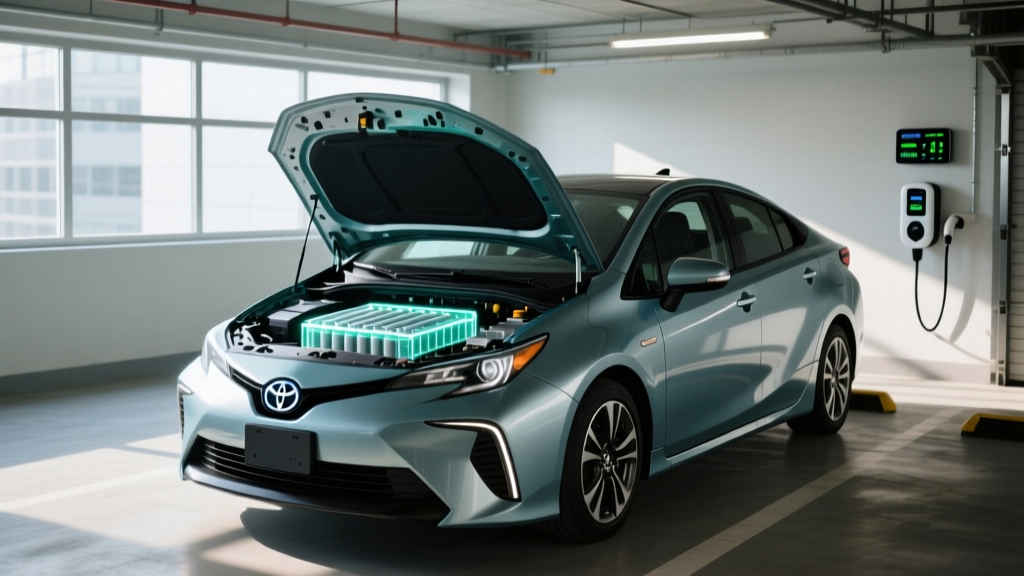
If you own or are considering a Toyota hybrid — from the Prius to the RAV4 Hybrid or the Highlander Hybrid — the high-voltage traction battery is the single component that generates the most long-term ownership questions. Will it last? What happens when it degrades? And how much does a Toyota hybrid battery replacement actually cost?
These are fair questions, and the answers are more reassuring than the internet rumor mill suggests. Toyota has been building hybrid powertrains since the original Prius launched in Japan in 1997. That nearly 30-year track record gives us genuine, long-term data on how these batteries age in real-world conditions. This guide breaks down the chemistry, degradation curves, warranty coverage, replacement costs, and daily habits that affect how long your Toyota hybrid battery will last — with exact numbers, not marketing fluff.
Important distinction: This article covers the high-voltage hybrid traction battery (typically 1.0–21.6 kWh depending on whether the model is a conventional hybrid or a plug-in hybrid). It does not cover the standard 12V auxiliary battery that powers electronics and starts the vehicle's computers — a separate, conventional component found in all vehicles.
What Chemistry Is Inside a Toyota Hybrid Battery?
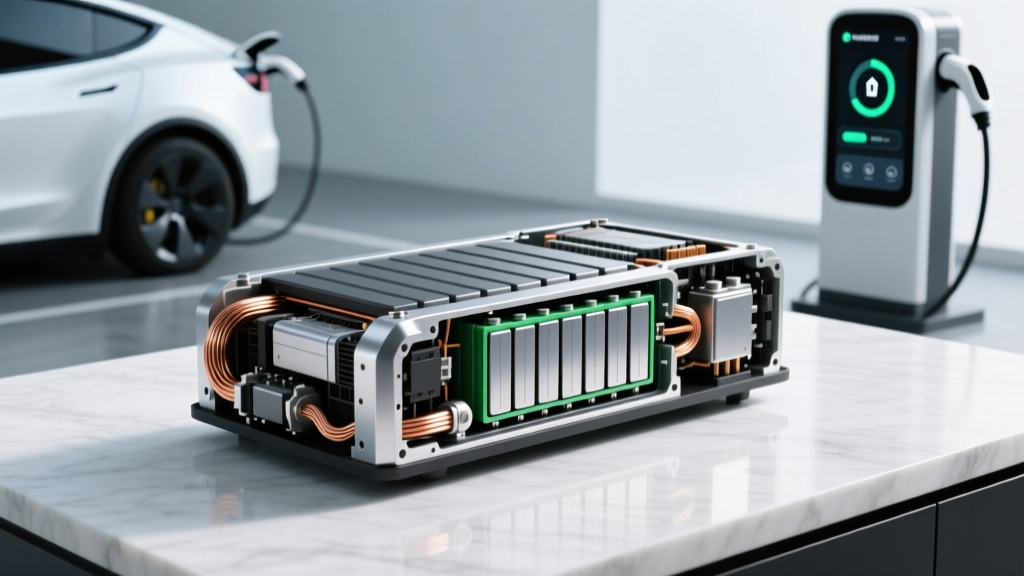
Toyota has used two primary battery chemistries across its hybrid lineup, and the choice has significant implications for longevity, performance, and cost:
- Nickel-Metal Hydride (NiMH): The original Toyota hybrid chemistry, used in the Prius from 1997 through the 2022 model year (4th generation), and still used in certain current hybrid models like the base RAV4 Hybrid and some Highlander Hybrid trims. NiMH is heavier and less energy-dense than lithium-ion, but it is remarkably durable and tolerant of temperature extremes.
- Lithium-Ion (Li-ion, specifically bipolar NiMH and lithium-ion variants): The 5th-generation Prius (2023+) switched to a lithium-ion battery pack, as did the Prius Prime PHEV and newer Camry Hybrid models. Li-ion offers higher energy density (more kWh in a lighter, smaller package) and faster charge/discharge response, but historically carries slightly different degradation characteristics.
For Toyota's plug-in hybrids (the Prius Prime and RAV4 Prime), the traction battery is lithium-ion and significantly larger — 13.6 kWh usable in the 2024+ Prius Prime, and 18.1 kWh usable in the RAV4 Prime — because it must support meaningful electric-only driving range (44 miles EPA for the Prius Prime, 42 miles for the RAV4 Prime per fueleconomy.gov).
LFP vs. NMC/NCA: Where Toyota Stands
Within the broader EV and hybrid battery landscape, lithium-ion packs come in several sub-chemistries. The two most relevant are:
| Attribute | LFP (Lithium Iron Phosphate) | NMC/NCA (Nickel Manganese Cobalt / Nickel Cobalt Aluminum) |
|---|---|---|
| Energy Density | Lower (~160 Wh/kg cell-level) | Higher (~250-300 Wh/kg cell-level) |
| Cycle Life | 3,000-5,000+ cycles to 80% SoH | 1,000-2,000 cycles to 80% SoH |
| Cold-Weather Performance | Weaker below 32°F; slower charge acceptance | Better low-temp discharge capability |
| Thermal Stability | Excellent — less prone to thermal runaway | Good but requires more active thermal management |
| Cost (per kWh) | Lower — no cobalt or nickel | Higher — commodity-sensitive materials |
| Typical Use | Standard-range EVs, stationary storage | Long-range EVs, PHEVs, performance applications |
Toyota's hybrid and PHEV batteries predominantly use NMC-type lithium-ion cells or bipolar NiMH (a Toyota innovation that improves NiMH energy density by ~14% in a compact form factor). Toyota has been cautious with LFP in its consumer vehicles, though its bZ-series EVs in certain markets have adopted LFP packs for cost-sensitive trims. For hybrid applications, where the battery is relatively small (1–18 kWh) and cycles are shallow, both NiMH and NMC-type Li-ion have proven highly durable.
Toyota Hybrid Battery Degradation: What the Data Shows
Unlike full battery-electric vehicles (BEVs), where the traction battery is the sole energy source and degradation directly reduces range, Toyota's conventional hybrids (HEVs) use a relatively small battery that operates within a narrow state-of-charge window — typically between 40% and 80% SoC. The vehicle's hybrid control system never fully charges or fully depletes the pack. This "shallow cycling" is one of the primary reasons Toyota hybrid batteries last so long.
Typical Degradation Data Points
Based on fleet data, owner reports, and Toyota's own long-term testing:
- Conventional Toyota hybrids (Prius HEV, Camry Hybrid, RAV4 Hybrid): NiMH packs in 3rd- and 4th-generation Prius models show approximately 10-15% capacity loss over 150,000 miles / 10 years. Many packs continue functioning adequately past 200,000 miles. The hybrid system compensates for mild degradation by adjusting engine/motor split, so the driver rarely notices reduced battery capacity directly — fuel economy may drop 1-3 MPG over the pack's life.
- 5th-gen Prius (2023+, lithium-ion): Early data suggests similar or slightly better longevity, aided by the narrower SoC operating window and improved thermal management. Projected 10-12% loss over 150,000 miles.
- Toyota PHEVs (Prius Prime, RAV4 Prime): Larger lithium-ion packs in PHEVs experience deeper cycles (0-100% of usable capacity during EV-mode driving). Expected degradation: 8-15% capacity loss over 100,000 miles / 8 years. The 44-mile EV range on a new Prius Prime may reduce to ~37-40 miles after 8 years of typical use. This is consistent with EPA hybrid technology documentation on PHEV battery aging.
Real-world degradation trajectory (conventional Toyota HEV, NiMH):
- Year 1-3 / 0-45,000 mi: ~2-5% capacity loss (initial settling)
- Year 4-7 / 45,000-105,000 mi: ~3-5% additional loss (linear, gradual)
- Year 8-12 / 105,000-180,000 mi: ~3-5% additional loss (slow taper)
- Total at ~180,000 mi / 12 years: ~10-15% loss, pack still functional
The critical insight: for most Toyota HEV owners, the hybrid battery will outlast the vehicle's useful economic life. Full battery failure before 150,000 miles is uncommon and typically caused by a defective module or thermal event rather than normal wear.
Toyota Hybrid Battery Warranty: What's Covered and for How Long
Toyota's hybrid battery warranty is among the strongest in the industry and has been extended in recent model years. Here are the current terms:
| Model Type | Warranty Period | Mileage Limit | Capacity Retention Threshold |
|---|---|---|---|
| Toyota HEV (2020+ model years) | 10 years | 150,000 miles | Failure or significant capacity loss impairing hybrid function |
| Toyota HEV (2010-2019 model years) | 8 years | 100,000 miles | Same — functional failure threshold |
| Toyota PHEV (Prius Prime, RAV4 Prime) | 10 years | 150,000 miles | Below ~60-70% of original capacity (varies by model year) |
| California/PZEV states (certain models) | 10 years | 150,000 miles | Extended emissions-related coverage including hybrid battery |
What the warranty covers: Defects in materials or workmanship, and capacity loss that causes the hybrid system to malfunction or fall below the specified retention threshold. Toyota will repair or replace the battery pack at no cost.
What it does not cover: Damage from accidents, flooding, improper modifications, or use outside normal operating parameters. Normal, gradual capacity loss that does not trigger a system fault is generally not covered — Toyota's warranty is structured around functional failure rather than a guaranteed percentage of original capacity, unlike some BEV manufacturers that warrant 70% retention over 8 years.
For current, model-specific warranty details, always check Toyota's official warranty guide or your dealer's service department.
Toyota Hybrid Battery Replacement Cost: What to Budget
If your Toyota hybrid battery fails outside of warranty — or if you're buying a used hybrid and want to plan ahead — here's what replacement actually costs in the current market:
| Model | Battery Type / Size | New OEM Battery Cost | Refurbished / Aftermarket Cost | Labor (Typical) |
|---|---|---|---|---|
| Prius (3rd gen, 2010-2015) | NiMH, ~1.3 kWh | $2,500 - $3,500 | $1,000 - $1,800 | $300 - $600 |
| Prius (4th gen, 2016-2022) | NiMH (Li-ion for Eco trim), ~1.3 kWh | $2,800 - $4,000 | $1,200 - $2,000 | $300 - $600 |
| Prius (5th gen, 2023+) | Li-ion, ~1.5 kWh | $3,000 - $4,500 | Limited availability (newer model) | $300 - $600 |
| Prius Prime (PHEV) | Li-ion, 13.6 kWh usable | $6,000 - $9,000 | $3,500 - $5,500 | $500 - $900 |
| Camry Hybrid | NiMH / Li-ion, ~1.0-1.6 kWh | $2,500 - $4,000 | $1,200 - $2,000 | $300 - $500 |
| RAV4 Hybrid | NiMH, ~1.6 kWh | $3,000 - $4,500 | $1,500 - $2,500 | $400 - $700 |
| RAV4 Prime (PHEV) | Li-ion, 18.1 kWh usable | $8,000 - $12,000 | $5,000 - $7,500 | $600 - $1,000 |
| Highlander Hybrid | NiMH, ~1.9 kWh | $3,000 - $5,000 | $1,500 - $2,500 | $400 - $700 |
Key cost context:
- Conventional Toyota hybrids (HEVs) have small, relatively affordable battery packs. A full OEM replacement typically runs $2,500-$5,000 installed — a significant repair, but not the $15,000-$20,000+ figure associated with full EV battery replacements.
- PHEV batteries are substantially larger and more expensive. A RAV4 Prime battery replacement can exceed $12,000 with labor at a dealership.
- Refurbished and reconditioned batteries (individual module replacement or full-pack refurbishment) are a viable option for older vehicles, often cutting costs by 40-60%. Independent hybrid specialists offer these services in most metro areas.
- Most Toyota hybrid batteries never need replacement during typical ownership. The 10-year/150,000-mile warranty covers the vast majority of premature failures.
Factors That Affect Toyota Hybrid Battery Life
While Toyota's hybrid control system does an excellent job protecting the battery through software-managed charge limits, several owner-controllable factors influence long-term health:
Driving and Charging Habits
- Shallow vs. deep cycling: Conventional HEVs already benefit from shallow cycling (40-80% SoC). For PHEV owners, avoid routinely draining the battery to 0% EV range before the engine kicks in — partial discharges are gentler on lithium-ion cells.
- Regenerative braking settings: Toyota's hybrid system manages regen automatically. There is no user-adjustable regen intensity that would stress the battery beyond design limits.
- Frequent short trips vs. highway driving: Short trips with lots of stop-and-go actually exercise the hybrid battery more, which is generally beneficial. Extended highway driving keeps the battery at a steady, moderate SoC — also fine.
Temperature and Environment
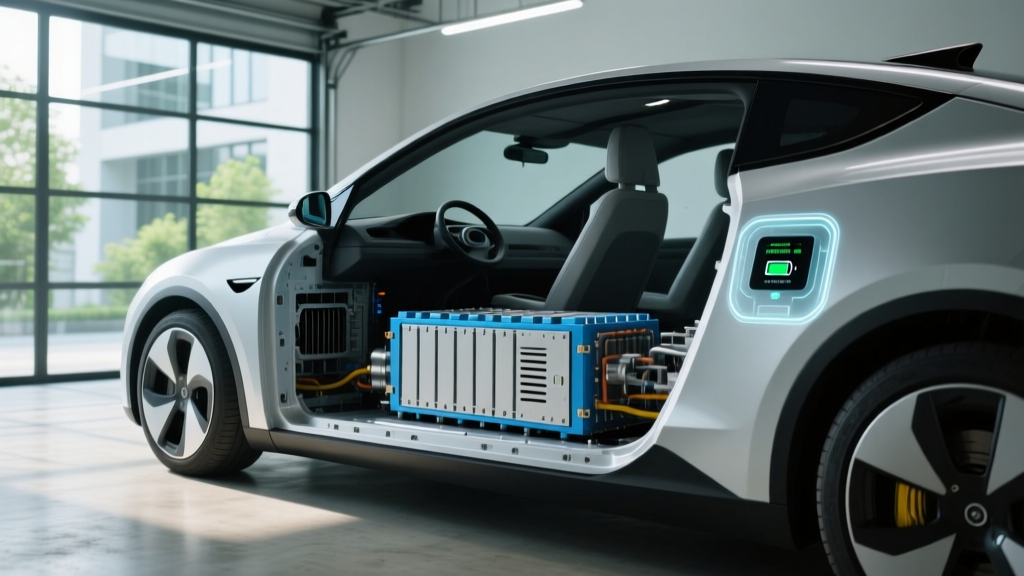
- Extreme heat: Sustained ambient temperatures above 100°F accelerate lithium-ion and NiMH degradation. Toyota's hybrid battery is located in the cabin (under the rear seat or in the cargo area), where it benefits from cabin HVAC airflow. Keep the battery cooling vents (visible near the rear seat in most models) unobstructed.
- Extreme cold: Cold temperatures temporarily reduce battery performance (slower charge acceptance, reduced EV range in PHEVs) but do not cause permanent damage. The hybrid system compensates by running the engine more until the pack warms up.
- Parking in a garage: If you live in a climate with extreme heat, garage parking meaningfully reduces thermal stress on the battery over years of ownership.
Storage and Inactivity
- Long-term storage: If your Toyota hybrid will sit unused for more than 2 weeks, Toyota recommends starting the vehicle and letting the hybrid system run for at least 15 minutes every 2 weeks to maintain the hybrid battery and 12V auxiliary battery. Extended inactivity with a deeply depleted hybrid battery can cause cell damage that the warranty may not cover.
Toyota Hybrid Battery Care Checklist:
- ☐ Keep battery cooling vents unobstructed (check rear seat area periodically)
- ☐ Avoid leaving the vehicle unused for more than 2 weeks without starting it
- ☐ In extreme heat, park in shade or a garage when possible
- ☐ For PHEVs: don't routinely run EV range to absolute zero — charge when convenient
- ☐ Follow Toyota's scheduled maintenance intervals (hybrid system checks at 30k/60k/90k miles)
- ☐ Address hybrid system warning lights immediately — don't ignore a check-hybrid-system alert
- ☐ Use a qualified hybrid technician for any battery-related service (not a general mechanic)
How to Check Your Toyota Hybrid Battery Health (State of Health)
Toyota does not provide a built-in State of Health (SoH) percentage display in the vehicle's infotainment or instrument cluster, unlike some full EVs. However, there are several ways to assess your hybrid battery's condition:
Dealer Diagnostic Scan
Any Toyota dealer can perform a hybrid battery health check using Toyota's Techstream diagnostic software. This reads individual module voltages, internal resistance, and temperature sensor data. The scan typically takes 15-30 minutes and may be included in a scheduled maintenance visit or charged as a diagnostic fee ($100-$150). Ask specifically for a "hybrid battery health report."
OBD-II Scanner with Hybrid App
Several third-party OBD-II apps can read Toyota hybrid battery data in real time:
- Dr. Prius (iOS/Android): Designed specifically for Toyota hybrids. Reads individual battery block voltages, calculates an estimated SoH percentage, and runs a "Life Expectancy Test" that stresses the battery and reports condition. Requires a compatible OBD-II Bluetooth dongle (~$15-$30).
- Hybrid Assistant (Android): Similar functionality to Dr. Prius, with detailed real-time data on battery current, voltage, temperature, and module balance. Popular among Prius enthusiast communities.
Performance Indicators
Without diagnostic tools, you can monitor these signs of battery health:
- Fuel economy trend: A drop of 3+ MPG below your historical average (not explained by weather or driving pattern changes) may indicate battery degradation.
- Engine running more frequently: If the gasoline engine starts and runs more often than it used to, especially at low speeds or when stopped, the hybrid battery may not be holding charge effectively.
- EV-mode range reduction (PHEVs only): A Prius Prime that previously delivered 40+ miles of EV range but now delivers only 30 may have 20-25% degradation.
- State-of-charge display behavior: If the battery charge indicator drops rapidly under load or jumps erratically, individual modules may be imbalanced — a common precursor to a hybrid system warning light.
Emerging Battery Technology: What's Next for Toyota Hybrids
Toyota has been heavily investing in next-generation battery technology. While these developments are forward-looking and not yet in production vehicles, they signal where Toyota hybrid batteries are headed:
Bipolar NiMH (Current Production)
Already deployed in the 5th-generation Prius (2023+), Toyota's bipolar NiMH design restructures the cell architecture to reduce internal resistance and improve energy density by approximately 14% compared to conventional NiMH. This allows a smaller, lighter pack to deliver the same or better hybrid performance. It's a meaningful evolution of a proven chemistry.
Bipolar Lithium-Ion (Near-Term)
Toyota has announced plans to extend its bipolar cell design to lithium-ion chemistry, targeting higher output and faster charge/discharge rates for future hybrid and PHEV applications. Expected in production vehicles within the 2025-2027 timeframe, based on Toyota's published battery roadmap.
Solid-State Batteries (Longer-Term)
Toyota holds the most solid-state battery patents of any automaker and has announced a commercialization target of 2027-2028 for initial production vehicles. Solid-state batteries replace the liquid electrolyte with a solid material, promising higher energy density, faster charging, and improved safety. However, Toyota has indicated that initial solid-state deployment will likely target BEVs rather than hybrids, where the energy-density advantage has the greatest impact. Realistic timeline for solid-state in a Toyota hybrid: 2029 or later, and likely in premium models first.
Bottom line on future tech: If you're buying a Toyota hybrid today, the current NiMH and lithium-ion packs are mature, well-proven technologies with extensive real-world longevity data. Waiting for solid-state is not a practical purchase strategy for a hybrid buyer.
Frequently Asked Questions
How long do Toyota hybrid batteries last?
Based on fleet data and Toyota's own engineering targets, conventional Toyota hybrid batteries (NiMH and lithium-ion) typically last 150,000-200,000 miles or 10-15 years before significant degradation. Many exceed this. Toyota's 10-year/150,000-mile hybrid battery warranty (for 2020+ models) reflects this expectation. Full battery failure before 100,000 miles is uncommon and usually warranty-covered.
How much does it cost to replace a Toyota hybrid battery?
For conventional Toyota hybrids (Prius, Camry Hybrid, RAV4 Hybrid), a new OEM battery replacement costs $2,500-$5,000 including labor. Refurbished packs are available for $1,000-$2,500. PHEV batteries (Prius Prime, RAV4 Prime) are larger and more expensive: $6,000-$12,000 new. Most Toyota hybrid batteries never require replacement during normal ownership.
What does the Toyota hybrid battery warranty cover?
For 2020 and newer models, Toyota warrants the hybrid battery for 10 years or 150,000 miles (whichever comes first). The warranty covers defects and capacity loss that impairs hybrid system function. For 2010-2019 models, coverage was 8 years/100,000 miles. California and states that adopted PZEV standards may have extended coverage terms.
Can I replace a Toyota hybrid battery myself?
Technically possible for experienced DIYers with high-voltage safety training, but strongly discouraged. The hybrid battery operates at 200-650V DC, which is lethal without proper precautions. Toyota recommends dealer or certified hybrid technician installation. Improper handling can also void remaining warranty coverage.
LFP vs NMC — which battery chemistry is better for a Toyota hybrid?
For Toyota's hybrid application (small battery, shallow cycles, long life), NMC-type lithium-ion and NiMH are the proven choices. LFP offers superior cycle life and thermal stability but lower energy density — a trade-off that matters less in a large BEV battery than in a compact hybrid pack where space and weight are at a premium. Toyota has not widely adopted LFP for its hybrids. Neither chemistry is "better" universally; the right choice depends on the application, and Toyota has engineered its current chemistries specifically for hybrid durability.
Will a Toyota hybrid battery degrade if I don't drive the car often?
Yes — extended inactivity is one of the few things that can genuinely harm a hybrid battery. Toyota recommends starting the vehicle and letting the hybrid system run for at least 15 minutes every 2 weeks if the car is not driven regularly. A deeply depleted hybrid battery that sits for months can suffer irreversible cell damage.
Do I need to worry about the 12V battery too?
The 12V auxiliary battery is a separate, conventional component that powers electronics, lights, and the vehicle's computers. It typically lasts 3-5 years and is inexpensive to replace ($150-$300). A dead 12V battery can prevent the hybrid system from starting, which is sometimes mistaken for a hybrid battery failure. If your Toyota hybrid won't start, check the 12V battery first.