The Short Answer: 300,000 to 500,000 Miles Before Major Replacement
If you're researching how long a Tesla battery lasts, the data points to a straightforward answer: the high-voltage traction battery in a Tesla Model 3, Model Y, Model S, or Model X is engineered to outlast the rest of the vehicle. Tesla's own 2024 Impact Report stated that Model 3 and Model Y batteries retain roughly 85% of their original capacity after 200,000 miles. Independent fleet data from sources like Recurrent Auto and Teslemetry show similar patterns — most Tesla owners will sell, total, or trade the car before the battery reaches end-of-life.
That said, "how long" depends heavily on which battery chemistry your Tesla uses, how you charge it, and the climate you drive in. This guide breaks down the real numbers — degradation curves, warranty thresholds, replacement costs, and the daily habits that extend or shorten battery life.
Tesla Battery Chemistry: LFP vs NMC/NCA Explained
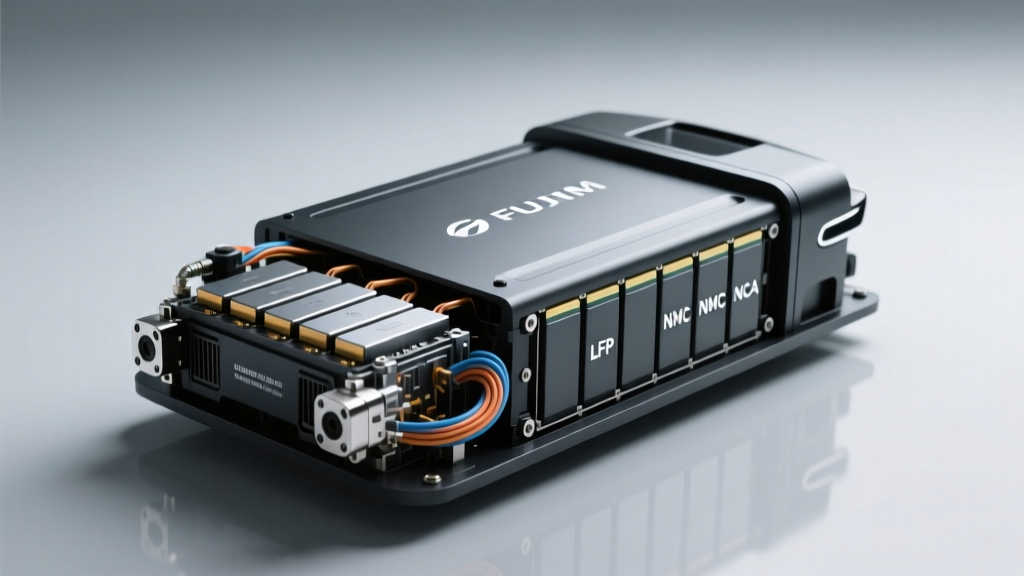
Tesla uses two primary battery chemistries across its 2025–2026 lineup, and the difference matters for longevity, range, and how you should charge:
| Factor | LFP (Lithium Iron Phosphate) | NMC/NCA (Nickel Manganese Cobalt / Nickel Cobalt Aluminum) |
|---|---|---|
| Models (2026) | Model 3 RWD, Model Y RWD (Standard Range) | Model 3 Long Range/Performance, Model Y LR/Perf, Model S, Model X |
| Energy Density | Lower (~160 Wh/kg cell-level) | Higher (~250–300 Wh/kg cell-level) |
| Cycle Life | 3,000–5,000+ full cycles | 1,000–2,000 full cycles |
| Calendar Life | Excellent — slower calendar degradation | Good — slightly faster calendar aging at high SoC |
| Cold Performance | Weaker — more range loss below 32°F | Better cold-weather discharge performance |
| Recommended Daily Charge | 100% (Tesla recommends weekly full charges) | 80% daily, 100% only for trips |
| Cost | Lower — no cobalt or nickel | Higher — commodity-sensitive materials |
| Typical Usable Capacity | ~57–60 kWh (Model 3 RWD) | ~75–100 kWh depending on model |
The trade-off is clear: LFP batteries sacrifice some energy density and cold-weather performance for dramatically longer cycle life and the convenience of daily 100% charging. If you're buying a Model 3 RWD for commuting and plan to keep it 10+ years, the LFP pack is arguably the longest-lasting battery Tesla offers. If you need maximum range and don't mind managing charge limits, NMC/NCA is the better fit.
Real-World Tesla Battery Degradation Data
Degradation is not linear. Most Tesla batteries experience a steeper capacity drop in the first 20,000–30,000 miles (roughly 2–5% loss), then the curve flattens significantly. Here's what aggregated fleet data shows for NMC/NCA packs in Model 3 Long Range and Model Y Long Range vehicles:
| Mileage | Average Capacity Retained (NMC/NCA) | Average Capacity Retained (LFP) |
|---|---|---|
| 0 miles (new) | 100% | 100% |
| 25,000 miles | ~95–97% | ~97–99% |
| 50,000 miles | ~93–95% | ~95–98% |
| 100,000 miles | ~90–93% | ~93–96% |
| 150,000 miles | ~88–91% | ~91–94% |
| 200,000 miles | ~85–89% | ~89–93% |
These figures align with Tesla's published fleet data and third-party tracking from Recurrent Auto, which monitors over 15,000 Tesla vehicles. The key takeaway: a Model 3 Long Range with a 75 kWh usable battery losing 12% over 200,000 miles still retains roughly 66 kWh — enough for approximately 265 miles of real-world range (down from ~300 miles when new). That's still more than adequate for most daily driving.
LFP packs show measurably slower degradation, particularly when routinely charged to 100%. Tesla's recommendation to charge LFP vehicles to full at least once weekly helps the battery management system (BMS) recalibrate and actually promotes longevity for this chemistry.
Tesla Battery Warranty: What's Covered and for How Long
Tesla's battery and drive unit warranty is one of the most comprehensive in the EV industry, but the specifics vary by model and trim. Here's the breakdown for 2026 models:
| Model / Trim | Warranty Period | Mileage Limit | Minimum Capacity Retention |
|---|---|---|---|
| Model 3 RWD (LFP) | 8 years | 100,000 miles | 70% |
| Model 3 Long Range / Performance | 8 years | 120,000 miles | 70% |
| Model Y RWD (LFP) | 8 years | 100,000 miles | 70% |
| Model Y Long Range / Performance | 8 years | 120,000 miles | 70% |
| Model S (all trims) | 8 years | 150,000 miles | 70% |
| Model X (all trims) | 8 years | 150,000 miles | 70% |
The 70% threshold is critical. If your battery degrades below 70% of its original capacity within the warranty period, Tesla will replace or refurbish it at no cost. In practice, based on the degradation data above, hitting 70% within 120,000 miles under normal use is extremely unlikely. The warranty also covers manufacturing defects — including individual module failures and BMS faults — not just gradual capacity loss.
For detailed terms, always reference Tesla's official warranty documentation for your specific model year, as terms can shift.
Tesla Battery Replacement Cost: What You'd Actually Pay
This is the question that generates the most anxiety, so let's put numbers to it. Out-of-warranty battery replacement is expensive, but it's also increasingly rare. Most Tesla vehicles reach end-of-life (accident, rust, owner upgrade) before the battery needs replacement. When it is needed, here's the current cost landscape:
| Model | Battery Pack Size | Estimated Replacement Cost (Parts + Labor) | Typical Trigger |
|---|---|---|---|
| Model 3 RWD (LFP) | ~60 kWh | $8,000–$12,000 | Physical damage, rare cell failure post-warranty |
| Model 3 LR / Performance | ~75 kWh | $12,000–$16,000 | Same as above |
| Model Y RWD (LFP) | ~60 kWh | $8,000–$12,000 | Same as above |
| Model Y LR / Performance | ~75 kWh | $12,000–$16,000 | Same as above |
| Model S | ~100 kWh | $15,000–$22,000 | Same as above |
| Model X | ~100 kWh | $15,000–$22,000 | Same as above |
Several important caveats: Tesla increasingly offers refurbished packs at lower cost than new units. Third-party EV repair shops are also emerging as an option, with some quoting 20–30% less than Tesla Service Centers. And as battery production scales, per-kWh costs continue to decline — the $12,000 figure for a Model 3 LR pack today is roughly half what it would have been in 2020.
The context that matters: according to fueleconomy.gov, the average American drives about 14,000 miles per year. At that rate, reaching 200,000 miles takes over 14 years. Most first and second owners will never face an out-of-warranty battery bill.
What Kills a Tesla Battery Faster: 5 Degradation Factors
Not all miles are equal when it comes to battery health. These five factors have the most measurable impact on how long your Tesla battery lasts:
1. Frequent DC Fast Charging
Supercharging is convenient and Tesla's thermal management system is excellent, but repeated high-power DC charging (250 kW peak at V3 Superchargers) accelerates degradation slightly. Data from fleet studies suggests that vehicles that Supercharge more than 80% of the time show 2–3% additional capacity loss over 100,000 miles compared to predominantly Level 2 home charging. The recommendation: Supercharge when you need to for road trips or when home charging isn't available, but default to Level 2 for daily use.
2. Sustained High State of Charge (NMC/NCA Only)
Leaving an NMC or NCA battery sitting at 100% SoC for days or weeks — especially in hot weather — accelerates calendar degradation. Tesla's built-in charge limit settings exist for this reason. Set your daily limit to 80% and only charge to 100% when you're about to drive a long trip. LFP owners can ignore this — charge to 100% freely.
3. Extreme Heat Exposure
Batteries degrade faster at sustained high temperatures. Tesla's active thermal management (liquid cooling) mitigates this significantly, but vehicles regularly parked outdoors in Phoenix or Las Vegas summers will see slightly faster calendar aging than garage-kept cars in temperate climates. If you live in a hot climate, a garage or shade structure is one of the best investments for battery longevity.
4. Deep Discharges to Near 0%
Regularly driving the battery down to 5% or below and then letting it sit at that low state stresses the cells. Tesla's BMS reserves a buffer (typically ~2–3 kWh below the displayed 0%), but habitually running the pack very low isn't ideal. Plug in when you can — even a partial charge is better than overnight storage at near-zero.
5. Cold-Weather Charging Without Preconditioning
Charging a cold battery at high power causes lithium plating, which permanently reduces capacity. Tesla's navigation system automatically preconditions the battery when you route to a Supercharger, but if you manually plug into a fast charger without preconditioning (for example, at a non-Tesla DC station), you risk accelerated wear. Always use the car's navigation routing to Superchargers in cold weather, or precondition manually via the Tesla app before charging.
How to Check Your Tesla's Battery Health (State of Health)
Tesla doesn't display a direct "State of Health" percentage in the vehicle UI the way some competitors do, but there are several reliable methods to monitor your battery's condition:
- Tesla App Energy Graph: Track your rated range over time. Compare your current 100% projected range to the EPA-rated range when new. A Model 3 LR that originally showed 341 miles at 100% and now shows 310 miles has experienced roughly 9% degradation.
- Third-Party Apps: Tools like Teslemetry, Tessie, and Stats for Tesla pull data from Tesla's API and can estimate SoH by analyzing charge sessions, energy consumed, and range trends over time.
- Service Mode (DIY): Some Tesla owners access Service Mode (tap the "Model" text on the Software screen repeatedly) to view detailed battery data including nominal full pack capacity vs. original. This isn't officially supported by Tesla and may change with software updates.
- Tesla Service Center: Request a battery health report during a scheduled service visit. Tesla technicians can pull a comprehensive diagnostic showing individual module balance and total capacity.
The most practical approach for most owners: once a month, charge to 100% (or your LFP-equivalent full charge) and note the displayed range. Track it in a spreadsheet or app. Small month-to-month fluctuations are normal (temperature, BMS recalibration), but the long-term trend tells you what you need to know.
Future Battery Tech: What's Coming Beyond Current Cells
Tesla is actively developing next-generation battery technology, but it's important to separate what's shipping from what's still in the lab:
4680 Cells (Shipping Now): Tesla's larger-format 4680 cylindrical cells are already in production at Gigafactory Texas and are used in some Model Y vehicles. These cells use a tabless electrode design for improved thermal management and faster charging. Energy density is modestly higher than the previous 2170 cells, and manufacturing cost per kWh is lower. For longevity, early data suggests 4680 cells perform similarly to 2170s in terms of cycle life.
Silicon Anode Enhancements (Gradual Rollout): Tesla and its cell suppliers are incrementally increasing silicon content in anodes to boost energy density. This is an evolution, not a revolution — expect 2–5% energy density gains per generation rather than a step-change. Timeline: ongoing through 2026–2028.
Solid-State Batteries (Not Yet Available): Solid-state technology promises higher energy density, faster charging, and improved safety by replacing the liquid electrolyte with a solid material. Multiple companies (Toyota, QuantumScape, Samsung SDI) have announced prototypes, but mass production for consumer vehicles remains estimated for 2028–2030 at the earliest. Tesla has not announced a solid-state timeline. Any claims that solid-state batteries are available in a production Tesla today are incorrect.
The practical takeaway: current Tesla battery technology is mature and reliable. Waiting for next-generation cells is not a compelling reason to delay a purchase, especially given that today's packs are already designed to last 300,000+ miles.
Frequently Asked Questions
How long do Tesla batteries last in years?
Based on degradation data, a Tesla battery should last 15–20+ years under typical driving (12,000–15,000 miles/year) before reaching 70% capacity. Many will outlast the vehicle itself. Calendar degradation — the slow capacity loss that happens even when the car is parked — is the limiting factor for low-mileage owners, and even that is slow with Tesla's thermal management.
How much does it cost to replace a Tesla battery?
Out-of-warranty replacement costs range from approximately $8,000 for a Model 3 RWD LFP pack to $22,000 for a Model S/X 100 kWh pack, including labor. Refurbished packs and third-party repair options can reduce this cost. However, the vast majority of Tesla owners will never need a battery replacement — the pack typically outlives the car.
Does Tesla's warranty cover battery degradation?
Yes. Tesla guarantees the battery will retain at least 70% of its original capacity for 8 years or 100,000–150,000 miles (depending on model). If capacity falls below that threshold within the warranty period, Tesla will repair or replace the battery at no cost. The warranty also covers manufacturing defects and component failures.
Is it bad to Supercharge my Tesla every day?
It's not catastrophic — Tesla's thermal management handles high-power charging well — but daily Supercharging does accelerate degradation by a small margin (estimated 2–3% additional loss over 100,000 miles). For daily use, a home Level 2 charger (7–11 kW) is gentler on the battery and significantly cheaper per mile. Use Supercharging for road trips and when home charging isn't available.
Which Tesla battery lasts longest: LFP or NMC?
LFP (lithium iron phosphate) batteries have a significantly longer cycle life — 3,000 to 5,000+ cycles versus 1,000 to 2,000 for NMC/NCA. In practical terms, an LFP pack in a Model 3 RWD could theoretically endure 1 million+ miles of charge-discharge cycling before reaching end-of-life. The trade-off is lower energy density (less range for the same weight) and weaker cold-weather performance. For pure longevity, LFP wins.
Should I be worried about Tesla battery replacement cost?
For most buyers, no. The combination of an 8-year warranty, typical battery lifespans exceeding 300,000 miles, and declining replacement costs means the battery is one of the least likely major expenses in Tesla ownership. Data consistently shows that EV batteries, particularly Tesla's, are far more durable than early EV skeptics predicted. The bigger ownership costs to budget for are tires (EVs wear tires faster due to weight and instant torque), insurance premiums, and out-of-warranty electronics or suspension work.