Searches for the 2017 Nissan Pathfinder battery are overwhelmingly driven by owners of Nissan's gasoline V6 SUV who are facing 12-volt auxiliary battery replacements or exploring whether an electrified Pathfinder exists. The 2017 Pathfinder was sold exclusively as a 3.5-liter V6 gasoline model — no EV or hybrid variant was offered that year. However, as Nissan's lineup shifts toward electrification and as used-EV buyers cross-shop older gasoline SUVs against modern electric alternatives, understanding high-voltage EV battery technology has become essential context for anyone in this market.
This guide uses the Pathfinder search as a springboard into the real questions EV shoppers and owners ask: How long do traction batteries last? What does replacement actually cost? Which chemistry should you choose? We'll cover degradation data, warranty structures, and the emerging solid-state horizon — all from a 2026 ownership perspective.
Why Pathfinder Shoppers End Up Researching EV Batteries
The 2017 Nissan Pathfinder used a conventional 12V lead-acid auxiliary battery (Group 35, typically an Interstate or Optima) to start its VQ35DE engine and run cabin electronics. That battery typically needs replacement every 3–5 years at a cost of $150–$250 installed. But the search intent behind "2017 Nissan Pathfinder battery" increasingly overlaps with a different question: Should my next SUV be electric?
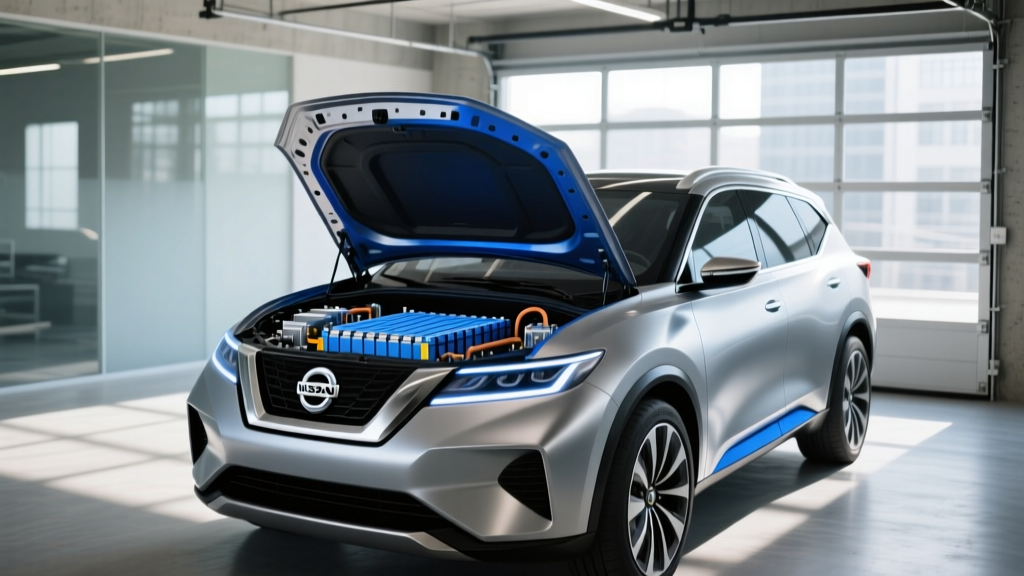
Nissan's current electrified lineup includes the Ariya (BEV, up to 304 miles EPA range) and the Rogue with e-POWER series-hybrid tech in select markets. As Pathfinder owners consider upgrading, the high-voltage traction battery — not the 12V starter battery — becomes the central concern. Let's break down what modern EV battery ownership actually looks like.
LFP vs NMC/NCA: Which Battery Chemistry Fits Your Driving?
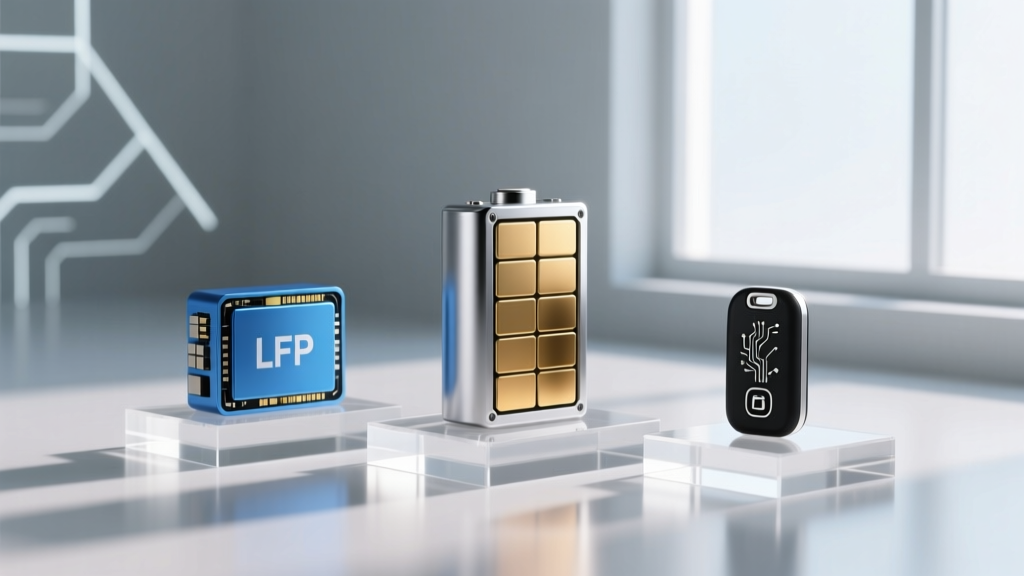
Every EV sold in 2026 uses one of two dominant lithium-ion chemistries: LFP (lithium iron phosphate) or NMC/NCA (nickel manganese cobalt / nickel cobalt aluminum). The choice affects your range, longevity, cold-weather performance, and price.
| Attribute | LFP (e.g., Tesla Model 3 RWD, Ford Mustang Mach-E Select) | NMC/NCA (e.g., Hyundai Ioniq 5, BMW iX, Rivian R1T) |
|---|---|---|
| Energy Density | ~160–180 Wh/kg (lower — heavier pack for same kWh) | ~230–280 Wh/kg (higher — more range per pound) |
| Cycle Life | 3,000–5,000+ full cycles before 80% capacity | 1,000–2,000 full cycles before 80% capacity |
| Cold Performance | Moderate — ~15–25% range loss below freezing | Better — ~10–20% range loss below freezing |
| Charging to 100% | Recommended regularly for cell balancing | Generally limited to 80–90% daily; 100% for trips only |
| Cost per kWh | ~$80–$100 (pack level, 2026) | ~$110–$140 (pack level, 2026) |
| Cobalt Content | None (ethical sourcing advantage) | Contains cobalt (supply-chain and cost risk) |
| Best For | Daily commuters, high-mileage drivers, budget buyers | Long-range road trippers, cold-climate drivers, performance seekers |
Verdict: LFP is the better choice if you want maximum cycle life and don't need 350+ miles of range. NMC/NCA wins for range-maximized and cold-climate applications. Most 2026 buyers are well-served by LFP in standard-range trims and NMC in extended-range trims.
EV Battery Degradation: Real Data Over Years and Miles
Contrary to early-EV fear-mongering, modern lithium-ion traction batteries degrade slowly. Most will outlast the vehicle's useful economic life. Here's what the data shows:
- Year 1: ~2–3% capacity loss (initial formation loss)
- Years 2–5: ~0.5–1.0% per year (steady-state)
- Years 6–10: ~0.3–0.7% per year (plateau phase)
- At 150,000 miles: Most packs retain 85–92% of original capacity
- At 200,000 miles: Most packs retain 80–88% of original capacity
Source: Recurrent Auto battery health data (2025 report), Geotab fleet analysis.
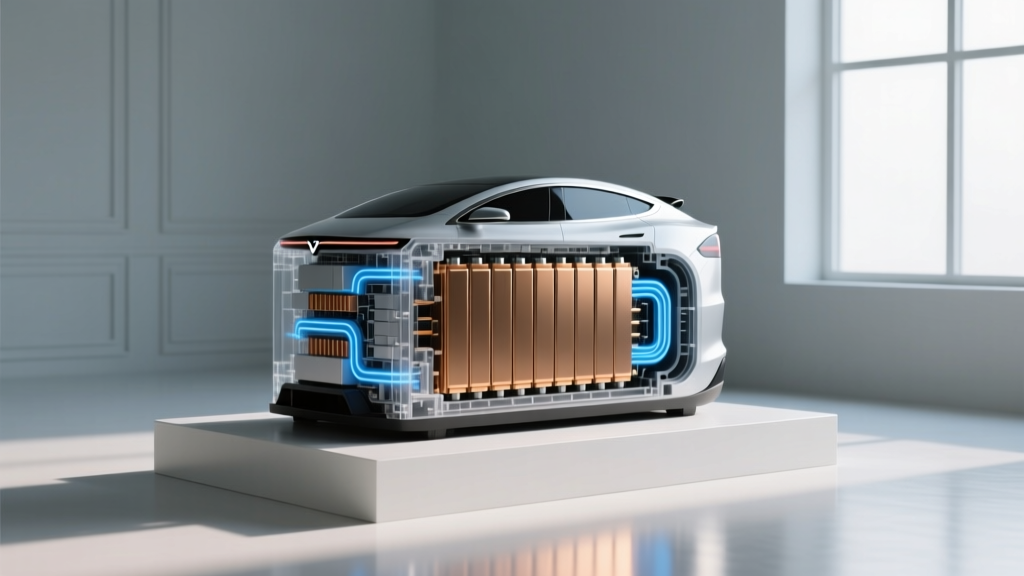
Nissan's early LEAF (2011–2017) became a cautionary tale because its 24–30 kWh packs lacked active liquid cooling, leading to accelerated degradation in hot climates — sometimes 20–30% loss over 5 years. Every major EV sold since 2019 uses liquid-cooled thermal management, which has largely eliminated this problem. The Ariya, Nissan's current BEV, uses a 91 kWh NMC pack with active thermal management and has shown degradation curves in line with industry averages.
Real-world range impact: A vehicle with 300 miles of EPA range when new might deliver 270–280 miles at year 5 and 255–270 miles at year 10. For most drivers, this remains functional and well above daily needs.
Battery Warranty Terms: What's Actually Covered
Federal law mandates a minimum 8-year / 100,000-mile warranty on EV battery capacity in the United States. California Air Resources Board (CARB) states extend this to 10 years / 150,000 miles. Most manufacturers exceed the federal floor:
| Manufacturer | Warranty Term | Capacity Retention Threshold | Notes |
|---|---|---|---|
| Tesla (Model 3/Y LFP) | 8 yr / 100,000 mi | 70% | LFP packs covered identically to NMC |
| Tesla (Model S/X) | 8 yr / 150,000 mi | 70% | Longer mileage due to higher-range use |
| Hyundai / Kia | 10 yr / 100,000 mi | 70% | Among the longest terms in the industry |
| Ford (Mustang Mach-E, F-150 Lightning) | 8 yr / 100,000 mi | 70% | Covers defects and excessive degradation |
| Nissan (Ariya) | 8 yr / 100,000 mi | 70% (9 capacity bars of 12) | Continues LEAF-era bar display system |
| GM (Ultium platform) | 8 yr / 100,000 mi | 70% | Covers Cadillac, Chevrolet, GMC EVs |
| Rivian | 8 yr / 175,000 mi | 70% | Highest mileage threshold among mainstream OEMs |
Key distinction: The warranty covers capacity degradation below the threshold and manufacturing defects. It does not cover damage from accidents, flooding, or aftermarket modifications. If your pack drops below 70% within the warranty period, the manufacturer will repair or replace modules (not always the entire pack) to restore capacity above the threshold.
For reference, fueleconomy.gov's EV technology page provides federal warranty requirements and efficiency data by model year.
EV Battery Replacement Costs: When and How Much
Battery replacement is rare — data from Recurrent Auto indicates fewer than 2.5% of EVs have required out-of-warranty battery replacements through 2025. When it does happen, typically after 12–15 years or 200,000+ miles, costs vary significantly:
| Vehicle Class | Battery Size | Replacement Cost (Parts + Labor) | Typical Replacement Timeline |
|---|---|---|---|
| Compact BEV (e.g., Chevy Bolt, Nissan LEAF) | 40–65 kWh | $6,000–$10,000 | Rarely needed before 15 yr / 180k mi |
| Mid-size sedan/crossover (e.g., Model 3, Ioniq 5) | 75–85 kWh | $10,000–$16,000 | Rarely needed before 15 yr / 200k mi |
| Large SUV/truck (e.g., F-150 Lightning, Rivian R1T) | 100–135 kWh | $15,000–$25,000 | Rarely needed before 12 yr / 180k mi |
| Luxury BEV (e.g., Mercedes EQS, BMW iX) | 90–120 kWh | $18,000–$30,000 | Rarely needed before 12 yr / 150k mi |
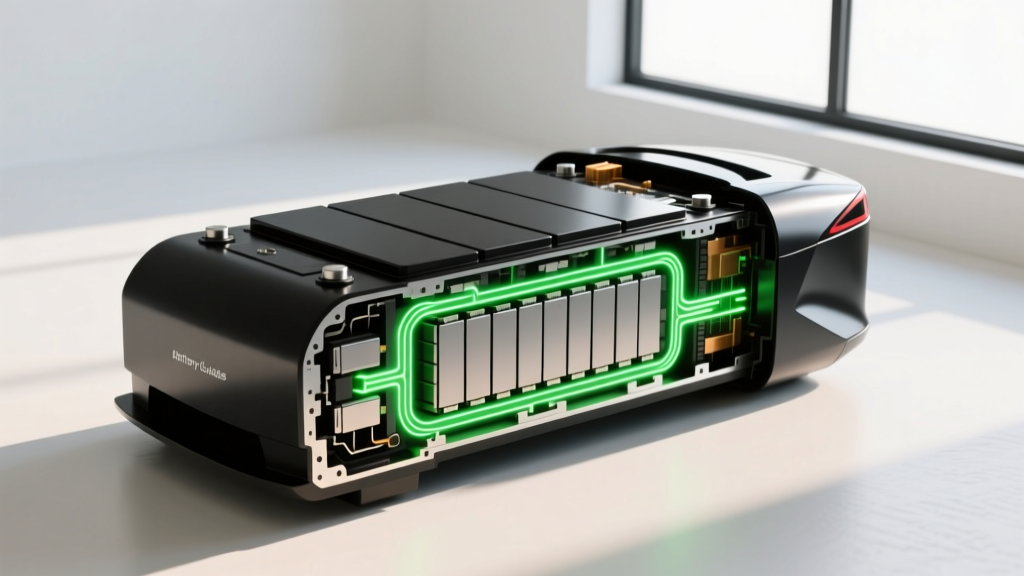
Cost trend: Pack-level pricing has fallen from ~$1,200/kWh in 2010 to roughly $90–$130/kWh in 2026 (BloombergNEF data). By the time most 2026 EVs need a replacement, costs will likely be 30–50% lower than today's figures. Additionally, module-level repair (replacing degraded cells within the pack rather than the entire unit) is increasingly common and costs $2,000–$6,000.
For context, a 2017 Pathfinder owner has likely spent $4,000–$8,000 on transmission fluid services, timing chain tensioners, and CVT repairs by this point — costs that EVs simply don't have.
Factors That Accelerate (or Preserve) Battery Health
Not all miles age a battery equally. Here's what the data shows about longevity factors:
- Avoid daily DC fast charging: Frequent 150+ kW charging adds thermal stress. Use DC fast charging for road trips; rely on Level 2 (7–11 kW) at home for daily needs.
- Keep SoC between 20–80% for NMC/NCA: Storing at 100% accelerates calendar degradation. LFP owners can (and should) charge to 100% weekly for cell balancing.
- Precondition before fast charging: Most EVs do this automatically when a DC charger is navigated to. A cold pack charges slower and can cause lithium plating.
- Park in shade or a garage in hot climates: Sustained 100°F+ ambient temps accelerate degradation. A cooled garage adds years to pack life.
- Don't leave at 0% or 100% for weeks: Long-term storage at extreme SoC causes irreversible capacity loss. Store at ~50% if not driving for extended periods.
- Use regen braking moderately: Aggressive one-pedal driving with frequent high-current regen pulses adds cycle micro-stress; moderate regen is optimal.
Fast-charging frequency data: A 2025 study by the Idaho National Laboratory found that vehicles DC fast-charged more than 3 times per week showed an additional 2–4% degradation over 100,000 miles compared to vehicles primarily charged on Level 2. The effect is real but modest — not a reason to avoid DC charging, but a reason to prefer home Level 2 when available.
Monitoring State of Health (SoH): What Owners Can Check
State of Health (SoH) is the percentage of your battery's original capacity that remains usable. Here's how to track it:
- In-vehicle displays: Nissan uses a 12-bar capacity gauge (LEAF/Ariya). Tesla displays rated range, which indirectly reflects SoH. Hyundai/Kia shows SoH percentage in the EV settings menu.
- OBD-II dongles + apps: Tools like Leaf Spy (Nissan), Scan My Tesla, or ABRP with OBD integration can read pack voltage, cell variance, and calculated SoH directly from the BMS (Battery Management System).
- Dealer diagnostic reports: Request a battery health printout during service visits. Most OEMs can provide a SoH percentage and cell-balance report.
- Third-party services: Recurrent and Geotab offer fleet and individual SoH tracking via telematics data, with degradation trendlines compared to peer vehicles.
What's normal: A 3-year-old EV with 40,000 miles showing 94% SoH is typical. A 5-year-old EV at 75,000 miles with 89% SoH is also normal. Anything dropping below 85% before 100,000 miles warrants a dealer diagnostic check for potential warranty coverage.
What's Next: Solid-State and Silicon-Anode Batteries
Emerging battery technologies promise step-changes in energy density and charge speed — but realistic timelines matter.
- Silicon-anode batteries: Already in limited production (e.g., Mercedes EQG 2025, Porsche prototypes). Expect broader availability in 2027–2029 models. Offers 20–40% energy density improvement over graphite anodes.
- Semi-solid-state: NIO (China) has deployed 150 kWh semi-solid packs in the ET7 with ~580-mile range. US-market availability: 2028–2030 estimated.
- Full solid-state: Toyota, Samsung SDI, and QuantumScape target 2028–2032 for volume production. Promises 2x energy density, 10-minute fast charging, and no liquid electrolyte (reducing fire risk). These are announced targets, not shipping products.
- Sodium-ion: CATL and BYD are producing sodium-ion packs for budget EVs in China. Lower energy density but cheaper and cobalt-free. US-market entry: uncertain, likely 2029+ for fleet/budget applications.
Note: All timelines above are based on manufacturer announcements as of early 2026 and are subject to production delays. No solid-state EV is currently available for purchase in the US market.
For buyers deciding today, current lithium-ion technology (both LFP and NMC) is mature, well-warrantied, and cost-competitive. Waiting for solid-state means waiting at minimum 3–5 years for US-market vehicles at premium pricing.
Frequently Asked Questions
How long do EV batteries last in years and miles?
Modern liquid-cooled EV batteries (2020+) are lasting 15–20 years and 200,000+ miles before degradation drops below 80% of original capacity. Many will outlast the vehicle's economic life. Early passively-cooled packs (2011–2017 Nissan LEAF) degraded faster, particularly in hot climates, but this problem has been solved with active thermal management in all current models.
How much does an EV battery cost to replace?
Replacement costs range from $6,000 for a compact EV pack (40–65 kWh) to $25,000+ for a large truck or luxury SUV (100–135 kWh). However, fewer than 2.5% of EVs have needed out-of-warranty replacements as of 2025. Costs are declining ~8–12% annually, and module-level repair ($2,000–$6,000) is increasingly available as an alternative to full-pack replacement.
What does the EV battery warranty actually cover?
Federal law requires 8 years / 100,000 miles minimum (10 years / 150,000 miles in CARB states). The warranty covers capacity loss below a stated threshold (typically 70% retention) and manufacturing defects. It does not cover accident damage, flood damage, or degradation from aftermarket modifications. Warranty replacement usually involves module swaps rather than full-pack replacement.
How do I check and maximize my EV battery health?
Monitor SoH via your vehicle's built-in display (Nissan's capacity bars, Tesla's rated range, Hyundai's SoH percentage), OBD-II apps like Leaf Spy or Scan My Tesla, or dealer diagnostic reports. To maximize life: charge primarily on Level 2 at home, keep NMC packs between 20–80% daily, precondition before DC fast charging, avoid storing at extreme SoC, and park in climate-controlled spaces when possible.
LFP vs NMC — which chemistry is better for me?
Choose LFP if you want maximum cycle life (3,000–5,000 cycles), lower cost, and don't mind slightly less range. It's ideal for daily commuters and budget-conscious buyers. Choose NMC/NCA if you need 300+ miles of range, live in a cold climate (better low-temperature performance), or want maximum performance. Most 2026 EVs offer both chemistries across their trim lines.
Does the 2017 Nissan Pathfinder have an electric or hybrid version?
No. The 2017 Pathfinder was sold exclusively with a 3.5-liter V6 gasoline engine and CVT. Nissan did not offer a hybrid Pathfinder in 2017 (the hybrid variant was discontinued after 2014). Nissan's current electrified SUV options include the Ariya (fully electric, 289–304 miles EPA range) and the Rogue e-POWER (series hybrid, available in select markets). The Pathfinder itself has not received a hybrid or EV variant as of the 2026 model year.