The Brain of the EV: Understanding Modern BMS Architecture
While automotive enthusiasts often obsess over battery capacity (kWh), motor horsepower, and 0-60 mph times, the true unsung hero of any electric vehicle is the Battery Management System (BMS). The BMS is the sophisticated computational brain that sits between the high-voltage battery pack and the rest of the vehicle. It is responsible for ensuring safety, maximizing lifespan, and optimizing performance in real-time.
At its core, a traditional BMS performs three critical functions:
- Protection: It monitors individual cell voltages, temperatures, and current flow to prevent operation outside the Safe Operating Area (SOA). If a cell approaches thermal runaway conditions or over-voltage, the BMS instantly triggers contactors to isolate the pack.
- Balancing: Because no two battery cells are perfectly identical, they charge and discharge at slightly different rates. The BMS uses passive balancing (bleeding off excess energy as heat) or active balancing (shuttling energy from stronger cells to weaker ones) to keep the pack synchronized.
- Estimation: Using complex algorithms like Coulomb counting and Extended Kalman Filters, the BMS calculates the State of Charge (SoC) and State of Health (SoH), translating raw chemical data into the "miles remaining" and "battery health percentage" metrics displayed on your dashboard.
However, as the EV industry matures, the BMS is undergoing a radical transformation. We are moving from localized, reactive systems to predictive, cloud-connected, and wireless architectures.
Future Trend 1: AI-Driven Cloud BMS and Digital Twins
The most significant leap in battery management is the integration of artificial intelligence and cloud computing. While the local, on-board BMS must handle millisecond-level safety decisions (like cutting power during a short circuit), it lacks the computational power to analyze long-term degradation patterns across thousands of variables.
Enter the Cloud BMS and the concept of the "Digital Twin." Modern EVs continuously upload anonymized battery telemetry—such as charging curves, ambient temperatures, and regenerative braking frequency—to the cloud. Automakers use this fleet-wide data to create a virtual replica (digital twin) of your specific battery pack. By running machine learning models on this data, the cloud BMS can predict battery degradation and identify micro-anomalies that might indicate a failing cell module months before it causes a problem.
According to research from Argonne National Laboratory, advanced computational modeling and AI-driven diagnostics are critical to extending battery lifespans and enabling second-life applications. By understanding the exact electrochemical aging mechanisms through cloud data, automakers can deploy Over-The-Air (OTA) updates to adjust your local BMS parameters, subtly altering charging limits or thermal management thresholds to preserve your specific pack's health based on your unique driving habits.
Future Trend 2: The Shift to Wireless BMS (wBMS)
Physically, traditional battery packs are a labyrinth of heavy copper wiring harnesses. A standard 100 kWh battery pack can contain hundreds of individual cell groups, each requiring physical wires to connect to the battery monitoring ASICs (Application-Specific Integrated Circuits). This wiring adds significant weight, increases manufacturing complexity, and introduces hundreds of potential points of failure due to vibration or corrosion.
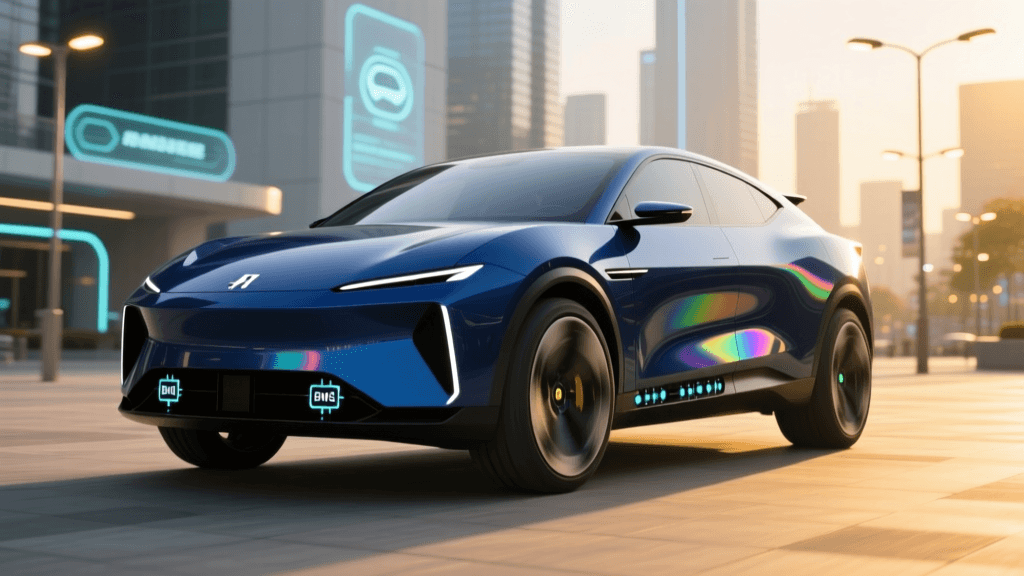
The industry's solution is the Wireless Battery Management System (wBMS). Pioneered in mass production by GM's Ultium battery platform, wBMS replaces the physical copper communication wires with a secure, proprietary radio frequency (RF) mesh network. According to silicon provider Analog Devices, who co-developed the technology, wBMS eliminates up to 90% of the BMS wiring harness weight and significantly reduces pack volume.
Benefits of wBMS include:
- Weight Reduction: Less copper means a lighter vehicle, which directly translates to increased range and better handling.
- Enhanced Reliability: Removing physical connectors eliminates the risk of loose pins, wire chafing, and connector corrosion over the vehicle's lifespan.
- Modularity and Recycling: Without a complex web of wires tying modules together, battery packs can be assembled faster, and end-of-life disassembly for recycling or second-life energy storage becomes vastly safer and more efficient.
Future Trend 3: Adapting to Solid-State and Sodium-Ion Chemistries
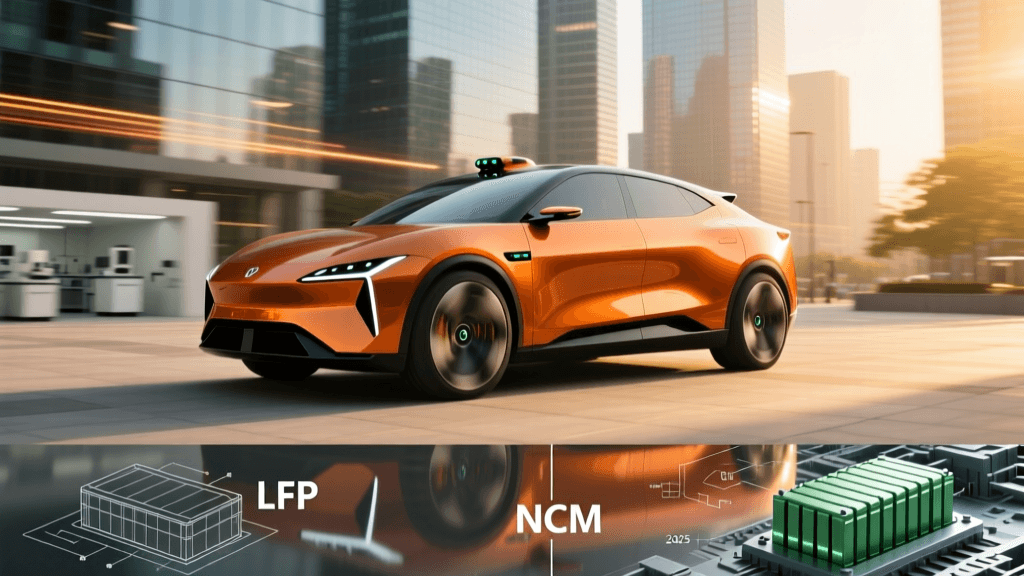
As battery chemistry evolves beyond traditional lithium-ion (NMC and LFP), the BMS must adapt. Solid-state batteries, which promise higher energy density and reduced fire risk, operate under different thermal windows and require precise pressure management within the pack. The BMS of the future will integrate physical pressure sensors alongside thermal sensors to manage the mechanical expansion and contraction of solid electrolytes during charging cycles.
Similarly, the rise of Sodium-ion batteries for entry-level and budget EVs presents a unique BMS challenge. Sodium-ion cells exhibit a very flat voltage discharge curve, making it notoriously difficult for traditional Coulomb counting to estimate the remaining State of Charge accurately. Next-generation BMS algorithms are currently being developed to utilize advanced impedance spectroscopy to read the chemical "resistance" of sodium cells, providing accurate range estimations despite the flat voltage curve.
Comparison: Traditional vs. Next-Gen BMS Architectures
| Architecture Type | Processing Location | Wiring Complexity | Predictive Capability | Best Use Case |
|---|---|---|---|---|
| Traditional Local BMS | On-board ECU only | High (Heavy copper harnesses) | Reactive (Threshold-based alerts) | Older EV models, budget micro-mobility |
| Cloud-Connected AI BMS | On-board + Cloud Digital Twin | High (Physical connections remain) | Highly Predictive (Fleet-wide ML models) | Premium EVs, autonomous robotaxis, fleet management |
| Wireless BMS (wBMS) | On-board via Secure RF Mesh | Low (Eliminates communication wires) | Moderate to High (Depends on cloud link) | Next-gen modular skateboards (e.g., GM Ultium) |
Actionable Advice: How to Leverage Your BMS Today
While you cannot physically upgrade your EV's BMS hardware, you can change how you interact with it to maximize your battery's lifespan and performance. Here is how to work in harmony with your vehicle's software:
- Embrace OTA Updates: Never ignore Over-The-Air software updates. Automakers frequently refine BMS algorithms based on fleet data. An OTA update might unlock better active cell balancing routines, optimize your thermal preconditioning, or slightly adjust your usable battery buffer to prevent long-term degradation.
- Use Automated Preconditioning: The BMS actively manages battery temperature. If you charge at home, set your EV's scheduled departure time. The BMS will use grid power (not battery power) to warm or cool the battery pack to the optimal chemical operating temperature before you even start driving, preserving range and allowing for immediate regenerative braking.
- Trust the Hidden Buffers: Modern BMS architectures utilize "top and bottom buffers"—hidden percentages of the battery that the BMS locks away to prevent true 100% or 0% states, which degrade lithium-ion chemistry. Do not attempt to use third-party software to "hack" or bypass these limits. Trust the BMS engineers who designed the degradation safeguards.
- Monitor Telemetry via OBD2: For the data-curious, purchase a high-quality OBD2 Bluetooth dongle and use apps like Tessie (for Tesla) or LeafSpy (for Nissan/Leaf). These apps read the raw data the BMS is broadcasting, allowing you to monitor individual cell group voltage deviations, exact pack temperatures, and true SoH percentages that the manufacturer's dashboard might hide.
Industry Outlook: What the Next Decade Holds
Looking ahead to 2030 and beyond, the BMS will become a central node in the broader energy grid. With the advent of Vehicle-to-Grid (V2G) and Vehicle-to-Home (V2H) bidirectional charging, the BMS will not only manage the battery for driving but will also negotiate energy sales back to the utility company during peak demand hours. To protect the battery from the extra cycling caused by V2G, AI-driven Cloud BMS systems will dynamically calculate the financial return versus the degradation cost, ensuring that your EV's battery is only used for grid services when the financial reward outweighs the chemical wear. As edge computing becomes cheaper and wireless architectures become the industry standard, the EV battery management system will transition from a simple protective watchdog into an intelligent, autonomous energy broker.