The DC Fast Charging Dilemma: LFP vs. NMC
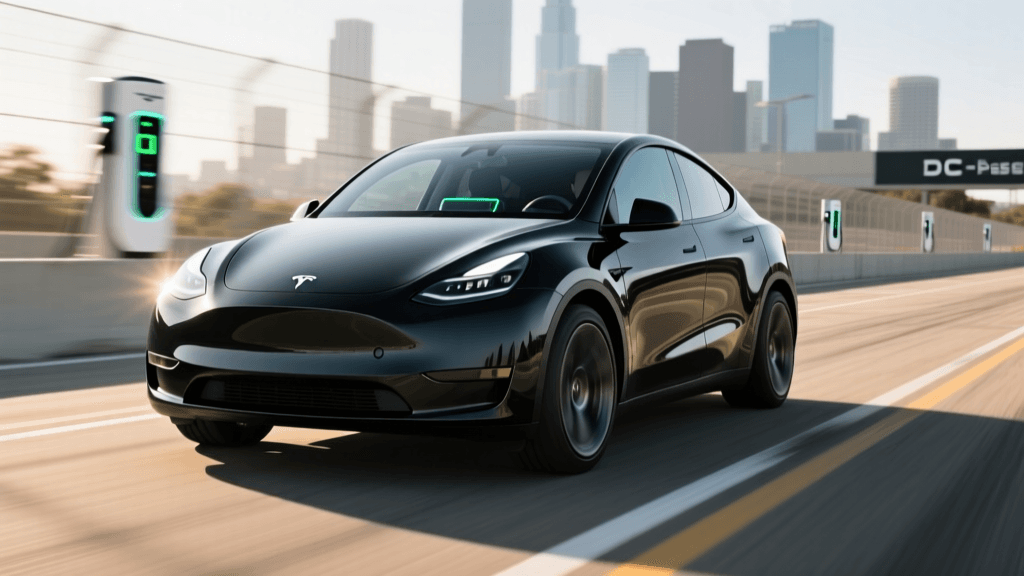
For modern electric vehicle owners, the convenience of DC Fast Charging (DCFC) is undeniable. Hitting 150 kW to 350 kW speeds on a road trip can replenish an empty battery in under 30 minutes. However, this massive influx of electrons generates significant heat and stress, leading to a common anxiety among EV buyers: how much long-term degradation does frequent fast charging actually cause? To answer this, we are putting two of the most popular EV battery architectures head-to-head in a product showdown. In the red corner, we have the Tesla Model 3 Rear-Wheel Drive, utilizing a Lithium Iron Phosphate (LFP) battery supplied by CATL. In the blue corner, the Hyundai Ioniq 5, featuring a Nickel Manganese Cobalt (NMC) battery built on an advanced 800-volt architecture by SK On. By analyzing how these distinct chemistries and thermal management systems handle the brutal gauntlet of DC fast charging, we can uncover the true long-term costs and battery health implications for daily drivers and road-trippers alike.
The Science of Fast Charging Degradation
Before diving into the specific vehicles, it is vital to understand the mechanical and chemical toll that DCFC takes on lithium-ion cells. When you push high amperage into a battery pack, internal resistance generates heat. If this heat is not effectively dissipated, it accelerates the breakdown of the electrolyte and the cathode material. Furthermore, pushing ions too quickly into the graphite anode can lead to 'lithium plating'—a phenomenon where lithium ions accumulate on the surface of the anode rather than intercalating into it. According to the comprehensive guides on cell longevity from Battery University, lithium plating not only results in permanent capacity loss but can also create dendrites that compromise the internal separator, potentially leading to short circuits. Therefore, a vehicle's ability to mitigate heat and manage charging curves is the primary determinant of DCFC survival.
Contender 1: Tesla Model 3 RWD (LFP Chemistry)
The base Tesla Model 3 RWD uses an LFP (Lithium Iron Phosphate) battery. LFP chemistry is renowned for its exceptional structural stability. The iron-phosphate olivine structure is incredibly robust, meaning it tolerates high states of charge (SOC) and deep discharges far better than nickel-based chemistries. Tesla explicitly recommends charging LFP vehicles to 100% at least once a week to allow the Battery Management System (BMS) to accurately calibrate cell voltages.
However, when it comes to DC fast charging, the Model 3 RWD faces a distinct hardware limitation. Unlike the Long Range and Performance variants, the RWD model lacks the more aggressive liquid cooling loops and the heat pump standard in higher trims (though recent iterations have improved thermal routing). When hitting a 150 kW Supercharger, the LFP pack can accept a robust charge, but the thermal ceiling is reached relatively quickly. To protect the cells, the BMS aggressively tapers the charging speed. While the LFP chemistry itself is highly resistant to the chemical degradation caused by high SOC, the localized heat generated during repeated DCFC sessions without optimal liquid cooling can still contribute to gradual, long-term capacity fade over hundreds of cycles.
Contender 2: Hyundai Ioniq 5 (NMC Chemistry with 800V Architecture)
The Hyundai Ioniq 5 utilizes an NMC (Nickel Manganese Cobalt) battery, a chemistry prized for its high energy density but historically more sensitive to high-SOC degradation and thermal stress than LFP. To counteract the vulnerabilities of NMC, Hyundai engineered the Ioniq 5 around an 800-volt electrical architecture. By doubling the voltage found in standard 400V EVs (like the Tesla Model 3), the Ioniq 5 can achieve the same charging power (kW) using half the current (Amps). Since resistive heat generation is proportional to the square of the current, this 800V system drastically reduces internal cell heating during a fast charge.
Furthermore, the Ioniq 5 is equipped with a highly sophisticated liquid thermal management system and a standard heat pump. When you navigate to a DCFC station using the built-in route planner, the vehicle actively pre-conditions the battery, bringing it to the optimal thermal window (around 30°C to 35°C) before you even plug in. This allows the Ioniq 5 to sustain peak charging speeds of up to 235 kW for a longer portion of the charging curve while keeping internal cell temperatures well within safe limits, thereby mitigating the thermal degradation that typically plagues NMC cells.
Head-to-Head Specification & Degradation Table
| Feature | Tesla Model 3 RWD (CATL) | Hyundai Ioniq 5 (SK On) |
|---|---|---|
| Battery Chemistry | LFP (Lithium Iron Phosphate) | NMC (Nickel Manganese Cobalt) |
| Voltage Architecture | 400V Nominal | 800V Nominal |
| Peak DCFC Speed | ~170 kW | ~235 kW (on 350kW charger) |
| Thermal Management | Liquid Cooled (Base routing) | Advanced Liquid Cooled + Heat Pump |
| Ideal Daily Charge Limit | 100% (Required for BMS calibration) | 80% (To preserve NMC longevity) |
| DCFC Heat Generation | Moderate to High (Tapers early) | Low (Due to 800V high-voltage/low-amp) |
Real-World Degradation Curves & Warranty Analysis
So, how do these engineering choices translate to real-world battery health? According to extensive fleet data analyzed by Recurrent Auto, modern EV batteries are proving far more resilient than early industry pessimists predicted. However, the data shows that vehicles with aggressive thermal preconditioning and advanced cooling (like the Ioniq 5) maintain slightly flatter degradation curves when subjected to frequent DCFC use compared to vehicles that rely heavily on charge-tapering to manage heat.
Both vehicles are backed by the federally mandated 8-year/100,000-mile battery warranty, which guarantees that the battery will retain at least 70% of its original capacity. If you are a rideshare driver or a frequent road-tripper relying on DCFC three to four times a week, the Ioniq 5's 800V system provides a distinct advantage in preserving that 70% threshold over the first 100,000 miles. Conversely, if you mostly charge at home but want the chemical peace of mind that comes with LFP's resistance to high-SOC calendar aging, the Tesla Model 3 RWD is a formidable, low-maintenance contender. Out-of-warranty replacement costs for both packs currently hover between $12,000 and $16,000, making proactive thermal management a vital financial safeguard.
Actionable Advice: How to DC Fast Charge Without Destroying Your Battery
Regardless of whether you drive an LFP Tesla or an NMC Hyundai, the U.S. Department of Energy's Alternative Fuels Data Center highlights several best practices to minimize degradation when relying on DC fast charging:
- Always Pre-Condition: Never DC fast charge a cold battery. Use the vehicle's native navigation system to route to the charger, which triggers the thermal management system to warm the battery. Charging a cold battery forces lithium plating.
- Avoid the 100% DCFC Top-Off: For the NMC Ioniq 5, unplug at 80% or 90%. The final 10% of charging generates immense heat and requires high voltage that stresses the cathode. For the LFP Tesla, while 100% is safe for calendar aging, doing it exclusively via DCFC still introduces unnecessary thermal stress; top off the last 10% on a Level 2 home charger when possible.
- Utilize the 800V Infrastructure: If you own the Ioniq 5, seek out 350 kW chargers. The vehicle will only draw the power it needs, but the higher voltage capability ensures the car operates at peak efficiency with lower amperage-induced heat.
- Let the Battery Rest: After a grueling high-speed DCFC session in hot weather, avoid immediately launching the vehicle with maximum acceleration. Give the cooling system a few minutes of moderate driving to shed the residual thermal load from the pack.
The Final Verdict
In this head-to-head showdown of battery longevity under DCFC stress, the Hyundai Ioniq 5 takes the crown for pure fast-charging endurance. Its 800-volt architecture and superior thermal preconditioning actively fight the primary enemy of fast charging: heat. It allows NMC cells to survive high-speed charging with minimal degradation. However, the Tesla Model 3 RWD wins on overall chemical robustness and daily convenience. Its LFP chemistry is practically immune to the high-state-of-charge degradation that forces NMC owners to baby their charge limits. If your lifestyle demands daily DC fast charging without access to home charging, the Ioniq 5's thermal engineering is your best defense. If you want a battery that you can charge to 100% every night and occasionally fast-charge on weekends without a second thought, the Tesla's LFP pack is the undisputed champion of low-stress ownership.