Diagnosing the Ride-Hailing Cost Problem
For daily commuters and frequent travelers, the unpredictable nature of ride-hailing pricing is a persistent problem. You open your app, request a ride, and watch the fare surge by 50% simply because it started raining or a local concert just ended. As autonomous vehicle (AV) technology matures, robotaxis like Waymo One have emerged not just as a novelty, but as a potential solution to the chaotic pricing algorithms of human-driven ride-hailing. But is Waymo actually cheaper than Uber? The answer is not a simple yes or no; it requires a detailed cost comparison analysis and an understanding of how robotaxi algorithms calculate fares.
In this troubleshooting guide, we will diagnose the core differences between Waymo and Uber pricing structures. We will break down the hidden fees, provide a direct fare matrix, and offer actionable problem-solving strategies to ensure you are never overpaying for your autonomous or traditional rides.
Is Waymo Actually Cheaper Than Uber? The Baseline Analysis
To solve the problem of high ride costs, we first need to establish a baseline. Waymo One, the commercial robotaxi service operated by Alphabet, prices its rides to be highly competitive with traditional ride-hailing. According to the service parameters outlined on the Waymo One official service page, the pricing model is designed to mirror standard UberX or Lyft rates in the same geographic zones, but with a few critical differences in how dynamic pricing is applied.
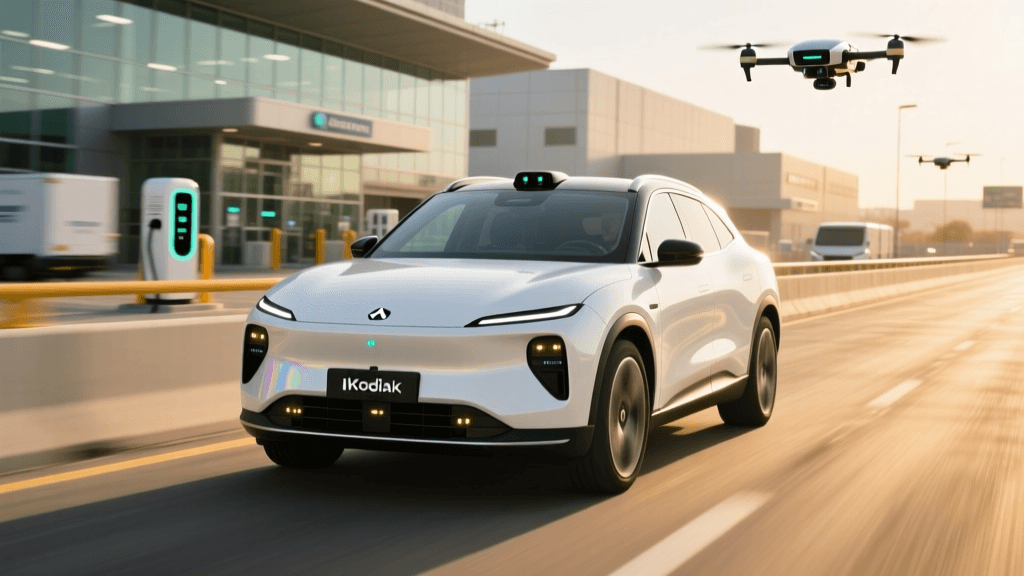
Unlike Uber, which relies on a massive, decentralized network of independent contractors whose willingness to drive fluctuates based on incentives and fatigue, Waymo operates a centralized fleet of heavily instrumented Jaguar I-PACEs and Chrysler Pacificas. Because Waymo does not have to pay a human driver a per-minute or per-mile wage, their baseline operational costs per ride are theoretically lower at scale. However, the immense capital expenditure required to maintain the AV hardware, mapping, and remote assistance teams means Waymo currently subsidizes many of its rides to gain market share. When comparing this to the UberX official service page, Uber's pricing is strictly tied to real-time driver supply and rider demand, leading to aggressive surge multipliers that Waymo currently avoids or caps.
The Fare Matrix: Waymo vs. Uber Cost Comparison
To troubleshoot your ride expenses, you must understand the variables at play. Below is a structured comparison chart detailing how Waymo One stacks up against UberX and Uber Comfort across key pricing metrics.
| Pricing Metric | Waymo One (Robotaxi) | UberX (Human Driver) | Uber Comfort (Human Driver) |
|---|---|---|---|
| Base Fare | Comparable to UberX | Standard Market Rate | +20% to +30% Premium |
| Per-Mile / Per-Minute Rate | Static or mildly dynamic | Highly dynamic (Surge) | Highly dynamic (Surge) |
| Surge Pricing Multiplier | Capped or non-existent | Can exceed 2.5x - 3.0x | Can exceed 2.0x |
| Tipping Expectation | Not expected / Optional | Expected (15-20%) | Expected (15-20%) |
| Wait Time Fees | Rare (AVs wait patiently) | Starts after 2 mins | Starts after 2 mins |
| Vehicle Quality | Premium (Jaguar I-PACE EV) | Variable (Standard sedans) | Guaranteed newer/wider |
Note: Exact rates vary by city (e.g., Phoenix, San Francisco, Los Angeles) and time of day.
Troubleshooting High Waymo Fares: 5 Actionable Solutions
Even though Waymo lacks the extreme surge pricing of Uber, riders can still encounter unexpectedly high fares if they do not understand the AV routing algorithms. Here is how to troubleshoot and optimize your Waymo costs.
1. Map the Geofence Boundaries and Avoid Edge Zones
The Problem: Your Waymo fare is significantly higher than an UberX fare for a short trip. The Diagnosis: You are requesting a ride near the edge of Waymo's approved operational design domain (ODD). As noted in the NHTSA Automated Vehicles Safety guidelines, AVs require specific, highly mapped operational domains to function safely. If your pickup or drop-off is on the fringe of this geofence, the Waymo routing algorithm may have to calculate a circuitous path to stay within approved, mapped corridors, artificially inflating your per-mile cost. The Solution: Before booking, check the Waymo app map. If your destination is near the greyed-out zone boundary, manually drag your drop-off pin two blocks inward toward the city center where the grid is fully optimized. This ensures the most direct routing and prevents edge-case mileage inflation.
2. Time-Shifting to Avoid AV Demand Multipliers
The Problem: Fares spike during morning and evening rush hours. The Diagnosis: While Waymo doesn't use traditional 'surge' pricing that punishes riders with 3x multipliers, they do utilize mild demand-based pricing to manage fleet availability. Because the fleet size is finite and fixed, high demand means fewer available cars, which can trigger a slight premium to throttle demand. The Solution:** If your schedule allows, time-shift your ride by 30 to 45 minutes. Unlike human drivers who can be incentivized to log on during a surge, Waymo's fleet is fixed. Waiting for the immediate rush-hour bottleneck to clear will often drop the base fare back to its standard off-peak rate.
3. The 'Walk to the Hub' Workaround for Complex Pickups
The Problem: You are being charged wait-time fees or the app is quoting a massive ETA, driving up the estimated cost. The Diagnosis: Robotaxis struggle with complex, unmarked pickup zones, narrow alleys, or crowded valet lanes. If the AV cannot safely execute the final 50 feet of the pickup, it will idle in a safe zone, triggering wait-time fees or forcing a cancellation/re-routing. The Solution:** Troubleshoot the pickup by using the 'Walk to the Hub' method. Always drag your pickup pin to a well-lit, clearly marked corner or a designated ride-share zone. Walking one block to a main arterial road ensures the AV can pull over immediately, eliminating idle time and keeping your per-minute costs at zero.
4. Compare Apples to Apples: Waymo vs. Uber Comfort
The Problem: You conclude Waymo is more expensive because you are comparing it to the cheapest possible Uber option. The Diagnosis:** A Waymo Jaguar I-PACE is a luxury, all-electric SUV with premium climate control and no driver to make small talk. Comparing it to a 2014 Toyota Corolla on UberX is a flawed analysis. The Solution:** When doing your cost comparison in the Uber app, always toggle to 'Uber Comfort' or 'Uber Green'. You will frequently find that Waymo is actually 10% to 15% cheaper than Uber Comfort, while providing a vastly superior, quiet, and private riding experience.
5. Stack Promos, Credits, and Membership Perks
The Problem: Paying full retail price for robotaxi rides. The Diagnosis:** Waymo is aggressively trying to build user habits and is known to distribute generous promotional credits to active users or through partnerships. The Solution:** Regularly check the 'Promotions' tab in the Waymo One app. Furthermore, if you use Uber One, factor in the 5% discount and $5 off delivery credits you get on Uber. If Waymo is offering a 'First 3 Rides for $5' promo, the cost analysis heavily skews in Waymo's favor for that specific week.
Hidden Variables That Skew Your Cost Analysis
When troubleshooting your monthly transportation budget, be aware of hidden fees that affect both platforms differently:
- Tolls and Airport Fees: Both Waymo and Uber pass these directly to the rider. However, Uber drivers may choose toll routes to save time, whereas Waymo's algorithm strictly optimizes for the most efficient mapped route, sometimes avoiding unnecessary tolls.
- Cleaning Fees: Waymo has zero tolerance for messes since there is no driver to inspect the car between rides. Interior cameras monitor the cabin. If you spill a coffee, Waymo's automated cleaning fee (often upwards of $150) is strictly enforced and much harder to dispute than an Uber driver's claim.
- Multiple Stops: Uber allows you to add stops easily. Waymo currently restricts rides to a single point A to point B. If you need to make a stop, you must book two separate Waymo rides, which will almost always cost more than a single multi-stop UberX ride.
Real-World Route Troubleshooting: SF, Phoenix, and LA
Phoenix (Suburban Sprawl): In Phoenix, distances are vast. Waymo is often cheaper here because the per-minute rate is low and traffic flows predictably, allowing the AV to maintain steady speeds without racking up idle-time charges. UberX is highly competitive here, but Waymo wins on vehicle comfort in the extreme heat.
San Francisco (Urban Density): In SF, UberX frequently triggers 2.0x surge pricing during tech-commuter rush hours or weekend nights. Waymo's capped pricing makes it the undisputed winner for cost-saving during peak hours, provided your destination is within the approved ODD and not on a steep, unmapped hill.
Los Angeles (Freeway Transit): As Waymo expands its freeway capabilities in LA, the cost comparison shifts. UberX remains cheaper for very short, cross-town hops, but for longer airport runs (e.g., Santa Monica to LAX), Waymo's lack of human-driver surge and premium EV comfort makes it the superior financial and experiential choice.
Conclusion: Which App Should You Open?
Troubleshooting the 'Waymo vs. Uber' cost debate comes down to understanding the environment and the time of day. If you are riding during peak demand hours, traveling in an Uber Comfort-equivalent vehicle, or heading to a major hub where human drivers apply heavy surge multipliers, Waymo One is frequently the cheaper and vastly superior option. However, for complex multi-stop errands, trips to the extreme edge of the city limits, or late-night rides outside the AV geofence, UberX remains the necessary fallback. By using the geofence mapping, time-shifting, and pickup optimization strategies outlined above, you can effectively game both algorithms and ensure you are always paying the lowest possible fare for your autonomous and traditional rides.