The Robotaxi Pricing Puzzle: Why Your Waymo Fare Spiked
As autonomous vehicle networks expand across cities like Phoenix, San Francisco, and Los Angeles, riders are increasingly facing a common troubleshooting dilemma: why does a Waymo One robotaxi sometimes cost significantly more than a standard UberX, while at other times it is drastically cheaper? Understanding the algorithmic differences between human-driven ride-hailing and Level 4 autonomous dispatching is the first step in solving the problem of unpredictable ride costs.
Unlike traditional gig-economy drivers who optimize for the shortest physical distance, Waymo’s autonomous routing software prioritizes sensor-friendly environments. This means your robotaxi might avoid unprotected left turns, complex multi-lane intersections, or active construction zones. While this adheres to strict NHTSA AV Safety Guidelines, it can artificially inflate your per-mile costs. In this guide, we will troubleshoot the most common pricing discrepancies between Waymo and Uber, providing actionable fixes to optimize your autonomous travel budget.
Base Fare Breakdown: Waymo One vs. UberX vs. Uber Comfort
To solve the cost issue, we must first establish a baseline. Below is a comparative troubleshooting matrix based on average metropolitan pricing structures (excluding dynamic surge multipliers). Note that Waymo positions itself between UberX and Uber Comfort, offering a premium, private experience without a human driver.
| Feature | Waymo One | UberX | Uber Comfort |
|---|---|---|---|
| Average Base Fare | $3.50 | $2.50 | $4.00 |
| Per Mile Rate | $1.25 | $1.10 | $1.45 |
| Per Minute Rate | $0.15 | $0.18 | $0.22 |
| Surge Sensitivity | Moderate (Fleet-bound) | High (Driver-bound) | High |
| Cancellation Fee | $5.00 (after 2 mins) | $5.00 - $10.00 | $10.00 |
Troubleshooting Surge Pricing Discrepancies
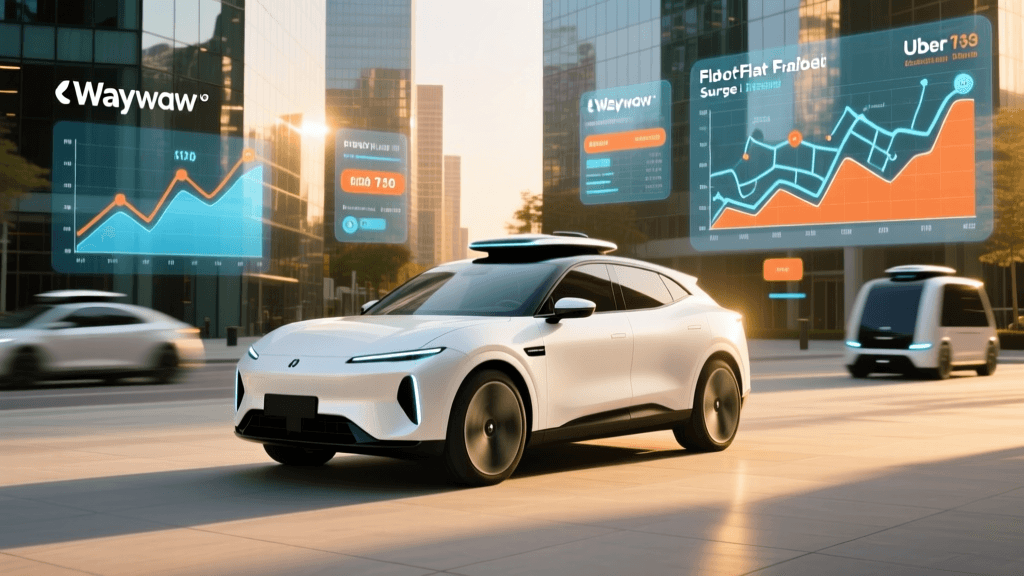
Problem: You open both apps during a Friday evening rush hour. UberX shows a 2.5x surge multiplier, while Waymo One shows a flat rate or a much lower 1.2x multiplier. Why does this happen, and how can you exploit it?
Diagnosis: Uber’s surge pricing is inextricably linked to human driver supply and localized demand. When human drivers log off or avoid congested downtown cores, Uber’s algorithm aggressively spikes prices to incentivize drivers to reposition. Waymo’s pricing algorithm, however, is constrained by its physical fleet size and geofenced operational design domain (ODD). According to data tracked by the Bureau of Transportation Statistics, passenger travel patterns heavily dictate traditional ride-hailing surges. Waymo, lacking the ability to magically summon more cars, instead uses a virtual queue system. Instead of charging you $60 for a $20 ride, Waymo will quote you $25 but extend the estimated pickup time from 4 minutes to 14 minutes.
Solution: If you are not in a rush, always check Waymo during peak human-surge hours. You will trade wait time for massive cost savings. Conversely, during off-peak hours (e.g., Tuesday at 10 AM) when human drivers are plentiful and UberX drops to baseline pricing, Waymo may actually be slightly more expensive due to its higher baseline per-mile rate to cover sensor depreciation and fleet maintenance.
Actionable Fixes: How to Lower Your Autonomous Ride Costs
1. Fix the 'Pickup Pin' Routing Penalty
Problem: Your Waymo quote is inexplicably $8 higher than an UberX quote for the exact same destination.
Diagnosis: You dropped your pickup pin on a busy arterial road or near a complex intersection. Waymo’s routing algorithm detects that executing a safe, legal pickup in that exact GPS coordinate requires a difficult unprotected left turn or crossing multiple lanes of traffic. The AV will instead route around the block to approach your pin from a safer, sensor-friendly angle, adding 0.8 miles to your trip before you even get in the car.
Solution: Drag your pickup pin to a quieter side street, a designated ride-share zone, or a right-side curb approach. Look for the 'Waymo Stop' indicators in the app. By making the pickup maneuver computationally and physically simple for the vehicle, you eliminate the hidden mileage penalty.
2. Exploit the Uber App Integration (Phoenix & Austin)
Problem: You want to compare prices, but toggling between the Waymo One app and the Uber app takes too long, and you miss the optimal pricing window.
Solution: In markets like Phoenix and Austin, Waymo has integrated directly into the Uber app as a ride option. When you request a ride, simply scroll down to the 'Waymo via Uber' tier. This allows you to instantly troubleshoot price disparities side-by-side. If the Waymo tier is cheaper, select it. The vehicle dispatched will be a Waymo Jaguar I-PACE, but the billing and routing are handled seamlessly through your existing Uber account, often applying your Uber Cash or Ride Pass discounts to the autonomous trip.
3. Avoid School Zones and Construction Geofences
Problem: Your afternoon Waymo ride takes a massive detour, inflating the per-minute and per-mile charges.
Diagnosis: Level 4 autonomous vehicles are highly cautious around unpredictable environments. As detailed in Waymo's official safety documentation, their vehicles are programmed to strictly adhere to reduced speed limits and may actively route around active school zones during dismissal hours or unmapped construction sites where lane markers are obscured.
Solution: If you are booking a ride between 2:30 PM and 3:30 PM on a weekday, manually adjust your destination pin slightly past the school zone boundary, or choose a parallel route that avoids residential school corridors. This prevents the AV's safety-first routing algorithm from taking the 'long way around,' saving you both time and money.
Hidden Costs: Wait Times, Cancellations, and Routing Errors
When troubleshooting robotaxi expenses, riders often forget to factor in the cost of time and cancellation fees. Because Waymo vehicles must adhere to strict safety protocols, they will not stop in active traffic lanes or bus stops. If you select a pickup location that is legally restricted, the app will force you to walk to a designated safe zone. If you fail to reach this zone within the 5-minute grace period, you may be hit with a cancellation or 'no-show' fee.
Furthermore, Uber drivers can text you to clarify a confusing pickup spot (e.g., 'I am by the blue awning'). A Waymo cannot. If the AV cannot safely verify your identity and location via its exterior cameras and app-based PIN verification, it will eventually time out and cancel the ride, triggering a penalty fee. Fix: Always use the app's camera feature to verify your exact stance relative to the vehicle's approach vector, and ensure you are standing precisely on the curb, not in the street.
Real-World Case Study: SFO to Downtown San Francisco
Let us look at a practical troubleshooting scenario. A rider needs to travel from San Francisco International Airport (SFO) to the Financial District on a Thursday at 5:00 PM.
- UberX: Base fare + 1.8x Surge = $68. ETA: 6 minutes. Route: Direct via US-101 N.
- Waymo One: Base fare + 1.1x Fleet Demand = $54. ETA: 18 minutes. Route: US-101 N, but exits early to avoid a known sensor-blinding sunset glare issue on a specific overpass, adding 1.2 miles.
- Uber Comfort: Base fare + 2.0x Surge = $85. ETA: 12 minutes.
In this scenario, the rider saves $14 by choosing Waymo, despite the AV taking a slightly longer, more cautious route to avoid sensor glare. The trade-off is a 12-minute longer wait and ride time. By understanding these algorithmic quirks, the rider successfully troubleshoots the high-cost environment of a Thursday evening airport run.
Final Verdict: When to Choose Waymo Over Uber
Solving the robotaxi cost equation requires shifting your mindset from 'shortest distance' to 'smartest routing.' Waymo is generally cheaper than Uber during high-demand surge periods, weekend nights, and major city events where human driver supply dries up. However, UberX remains the more cost-effective option during off-peak, low-demand hours when human drivers are competing for rides and baseline prices drop.
By optimizing your pickup pins, understanding geofenced routing penalties, and leveraging app integrations, you can consistently secure the lowest possible fare for your autonomous transit needs. As AV fleets scale and sensor costs depreciate, expect Waymo's baseline pricing to become increasingly competitive, eventually rendering traditional surge pricing a relic of the human-driven gig economy.