The Evolution of Stop-and-Go Adaptive Cruise Control
Navigating gridlock is one of the most fatiguing aspects of modern driving. Fortunately, Advanced Driver Assistance Systems (ADAS) have evolved to mitigate this stress. While early Adaptive Cruise Control (ACC) systems disengaged below 20 mph, modern "Stop-and-Go" ACC systems are specifically engineered for heavy, bumper-to-bumper traffic. These systems utilize a combination of radar and camera sensor fusion to bring the vehicle to a complete halt and resume acceleration automatically, effectively managing the micro-adjustments required in congested corridors.
However, relying on automation in unpredictable traffic environments requires a nuanced understanding of the technology's capabilities and limitations. According to the National Highway Traffic Safety Administration (NHTSA), ADAS features are designed to assist the driver, not replace them. Misunderstanding how these systems handle cut-ins, stationary objects, and sudden lane shifts can lead to dangerous situations. This expert guide outlines the best practices for utilizing Stop-and-Go ACC safely and effectively in heavy traffic scenarios.
Core Mechanics: Sensor Fusion in Gridlock
To use ACC effectively, you must understand how your vehicle perceives the traffic ahead. Stop-and-Go ACC primarily relies on two sensors:
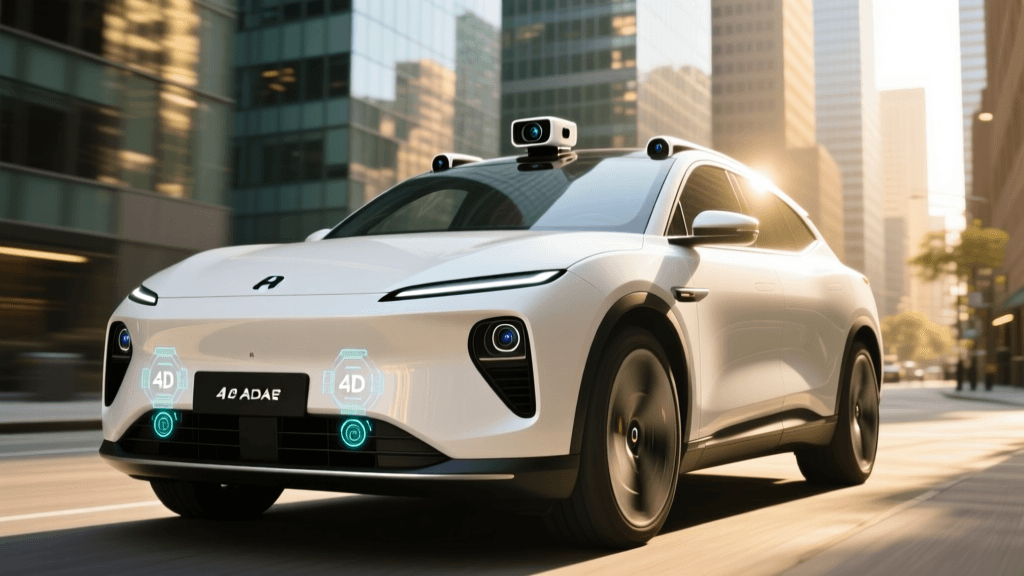
- Millimeter-Wave Radar (77 GHz): Mounted behind the front grille or emblem, this radar penetrates fog, rain, and snow to detect the distance and relative speed of the vehicle directly ahead. It is highly accurate for longitudinal control (braking and accelerating) but struggles to identify stationary objects or read lane lines.
- Forward-Facing Camera: Mounted near the rearview mirror, the camera identifies lane markings, reads traffic signs, and classifies objects (e.g., distinguishing a pedestrian from a motorcycle). It is crucial for lateral control (lane centering) and mitigating phantom braking events.
When traffic slows to a crawl, the radar tracks the lead vehicle's bumper, while the camera ensures your vehicle remains centered in the lane. If the lead vehicle stops, the radar signals the electronic stability control (ESC) module to apply the brakes. When the lead vehicle moves, the system calculates the gap and re-engages the throttle.
Expert Best Practices for Heavy Traffic
Using ACC in stop-and-go traffic is not a "set it and forget it" endeavor. Expert drivers configure their systems dynamically based on the behavior of surrounding traffic.
1. Calibrate Your Following Distance
Most vehicles allow you to adjust the ACC following distance, typically represented by bars on the dashboard (ranging from 1.0 to 2.5 seconds of gap). In heavy, aggressive traffic where frequent lane cut-ins occur, setting the gap to the maximum will invite other drivers to merge directly in front of you. This forces your ACC to slam on the brakes to re-establish the gap, leading to an uncomfortable, jerky ride for passengers.
Expert Tip: Set the following distance to the shortest or medium setting in dense, slow-moving traffic (under 30 mph). This minimizes the "gap" available for aggressive drivers to exploit and results in smoother, more human-like braking when a vehicle does cut in, as the relative speed differential is lower.
2. Master the "Stop Time" Threshold
A critical limitation of Stop-and-Go ACC is the "Stop Time" threshold. For safety reasons, if your vehicle is brought to a complete halt for longer than a specific duration (usually between 3 to 10 seconds, depending on the OEM), the system will disengage the automatic brake hold and require driver confirmation to resume.
Expert Tip: Familiarize yourself with your vehicle's resume protocol. In most cars, a simple tap of the accelerator pedal or a press of the "RES/+" button on the steering wheel will re-engage the system. Keep your right foot hovering near the brake pedal when stopped at red lights or extended standstills to prevent the vehicle from creeping forward if the system auto-resumes unexpectedly.
3. Anticipate Phantom Braking Events
Phantom braking occurs when the ACC erroneously detects an obstacle and applies the brakes aggressively. In heavy traffic, this is often triggered by shadows from overpasses, adjacent guardrails on sharp curves, or large metallic signs on the side of the road reflecting radar waves.
Expert Tip: Maintain situational awareness of the road geometry. If you are approaching a sharp curve or a tunnel entrance in heavy traffic, be prepared to override the system by tapping the accelerator to prevent a sudden, unnecessary deceleration that could cause a rear-end collision from the vehicle behind you. The Insurance Institute for Highway Safety (IIHS) notes that drivers must remain vigilant for these edge cases, as sensor fusion algorithms are not yet infallible.
Comparison: Top OEM Implementations for Traffic
Not all Stop-and-Go ACC systems are created equal. The integration of Lane Centering Assist (LCA) and Driver Monitoring Systems (DMS) drastically alters the heavy-traffic experience. Below is a comparison of how top automotive brands handle stop-and-go traffic.
| Brand / System | Stop & Go Capability | Lane Centering in Traffic | Driver Monitoring | Traffic Behavior Profile |
|---|---|---|---|---|
| Tesla (Autopilot) | Excellent (0 mph+) | Highly Aggressive | Steering Wheel Torque | Assertive; handles tight cut-ins well but can brake abruptly for shadows. |
| GM (Super Cruise) | Excellent (Mapped Roads) | Smooth & Precise | Infrared Eye Tracking | Conservative; highly stable in mapped gridlock, requires hands-off. |
| Ford (BlueCruise) | Very Good (Mapped Roads) | Smooth | Infrared Eye Tracking | Balanced; excellent lane keeping, slightly delayed resume in long stops. |
| Hyundai/Kia (HDA) | Very Good (0 mph+) | Moderate | Steering Wheel Touch | Aggressive acceleration; excellent radar tracking, frequent torque warnings. |
| Toyota (TSS 3.0) | Good (Full-Speed DRCC) | Conservative | Steering Wheel Torque | Very conservative; large gaps, prioritizes comfort over traffic pace. |
The Critical Role of Driver Monitoring Systems (DMS)
In heavy traffic, the monotony of stop-and-go driving leads to rapid cognitive fatigue and automation complacency. You may find yourself looking at your phone or zoning out because the car is handling the micro-adjustments. This is where Driver Monitoring Systems (DMS) become vital.
Systems utilizing infrared eye-tracking cameras (such as GM's Super Cruise or Ford's BlueCruise) are vastly superior in heavy traffic compared to torque-based steering wheel sensors. Eye-tracking DMS ensures your visual attention remains on the road ahead, even if your hands are off the wheel. According to extensive testing by Consumer Reports, vehicles equipped with robust DMS are rated significantly higher for safety and driver engagement. If your vehicle only uses steering wheel torque to monitor attention, you must maintain a light grip on the wheel at all times to prevent the system from issuing escalating warnings and ultimately disabling ACC.
Environmental Limitations to Watch For
Heavy traffic often coincides with adverse weather conditions. It is imperative to know when to manually disengage Stop-and-Go ACC:
- Heavy Rain and Snow: Millimeter-wave radar can penetrate moderate rain, but heavy downpours or snow accumulation on the front grille will blind the sensor, causing the system to throw an error and disengage without warning.
- Lane Line Obscuration: If traffic is heavy and the road is wet, the forward-facing camera may lose track of faded or obscured lane lines. Without lane lines, Lane Centering Assist will disengage, leaving you responsible for lateral control while the ACC manages longitudinal control.
- Stationary Emergency Vehicles: Stop-and-Go ACC is notoriously poor at identifying stationary emergency vehicles (police cars, fire trucks) parked in the travel lane. If traffic suddenly parts around a stationary object, do not trust the ACC to stop in time. Take manual control immediately.
Conclusion
Stop-and-Go Adaptive Cruise Control is a transformative tool for mitigating the physical and mental fatigue of heavy traffic. By understanding the sensor fusion mechanics, dynamically adjusting your following distance, and respecting the system's environmental limitations, you can leverage ADAS to make your daily commute significantly safer and more comfortable. Remember that as advanced as these systems are, you remain the ultimate failsafe. Maintain visual awareness, anticipate the actions of surrounding drivers, and be ready to take the wheel at a moment's notice.