Why Windshield Replacement Triggers ADAS Calibration
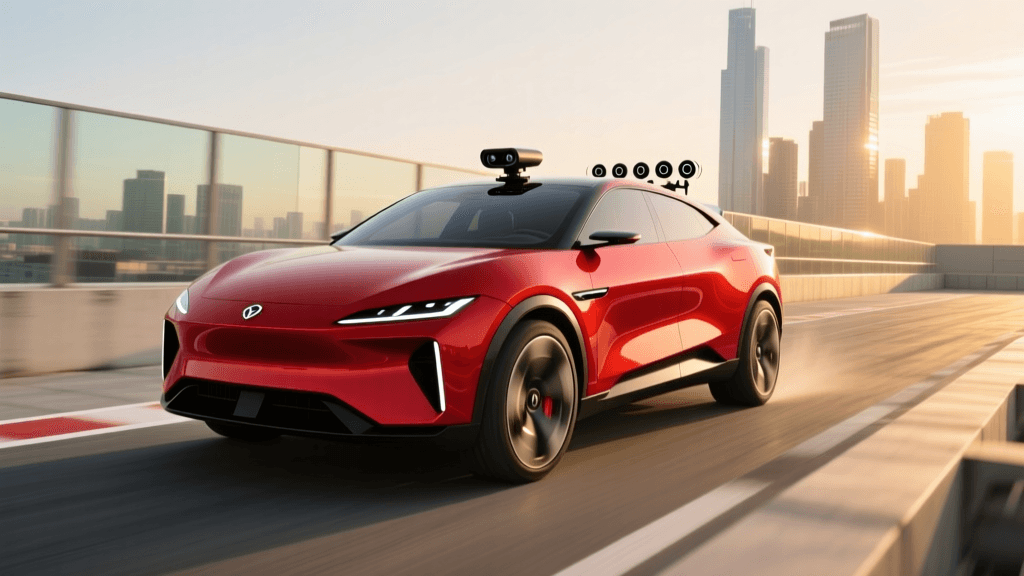
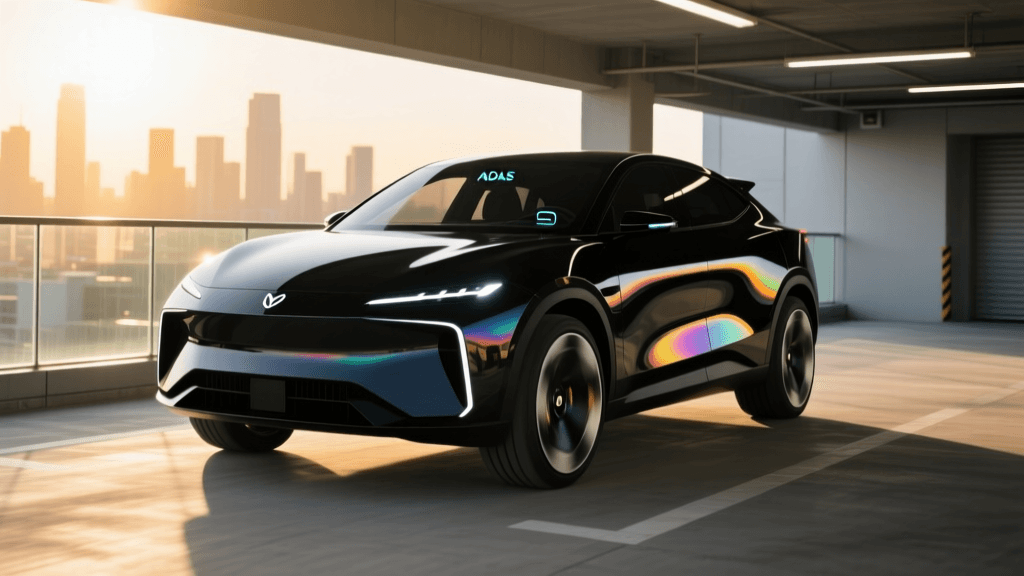
In modern vehicles, the windshield is no longer just a piece of glass that keeps the wind and rain out; it is a critical structural component and a primary mounting point for Advanced Driver Assistance Systems (ADAS). Forward-facing cameras, which power features like Automatic Emergency Braking (AEB), Lane Keep Assist, and Adaptive Cruise Control, are typically housed in a bracket attached directly to the glass behind the rearview mirror.
When a windshield is removed and replaced, the new glass and the reattached camera bracket will inevitably sit in a slightly different position. Even a deviation of a single millimeter or a fractional degree in the camera pitch can drastically alter the system's focal point. At a distance of 100 yards, a one-degree miscalibration means your vehicle's computer thinks the car in front of you is several feet to the left or right of its actual position. This can cause phantom braking, failure to detect pedestrians, or erratic lane centering. According to the National Highway Traffic Safety Administration (NHTSA), ADAS technologies are vital for reducing crash severity and frequency, making precise calibration an absolute necessity after any glass work.
Static vs. Dynamic ADAS Calibration: What is the Difference?
Depending on the automaker and the specific sensor suite (such as Subaru EyeSight, Toyota Safety Sense, or Honda Sensing), your vehicle will require either a static calibration, a dynamic calibration, or a combination of both. Understanding the difference is crucial for knowing what to expect at the repair shop.
| Feature | Static Calibration | Dynamic Calibration |
|---|---|---|
| Environment | Controlled indoor shop with specific lighting and level flooring. | Outdoor driving on well-marked roads at specific speeds. |
| Equipment Used | OEM-specific target boards, laser measuring tools, alignment racks, and OBD2 scan tools. | OBD2 diagnostic scan tool connected to the vehicle's data port. |
| Process | Targets are placed at exact millimeter distances and heights from the camera. | The technician drives the vehicle while the system learns lane lines and traffic patterns. |
| Time Required | 1 to 2 hours of shop time. | 30 to 60 minutes of active driving. |
| Common Brands | Subaru, Honda, Toyota, Nissan, Mercedes-Benz. | Ford, GM, Chrysler, Volvo (often used alongside static). |
Step-by-Step Guide: What to Expect During Calibration
If you are having your windshield replaced, you must ensure the shop follows a rigorous calibration protocol. Here is the comprehensive step-by-step process that certified technicians use to restore your ADAS functionality.
Step 1: Pre-Scan and Vehicle Preparation
Before the old windshield is even removed, the technician should perform a pre-scan using an OBD2 diagnostic tool to log any existing fault codes. Once the new glass is installed, the vehicle must be prepared for calibration. This involves:
- Setting all tire pressures to the exact OEM specifications.
- Ensuring the fuel tank is at a specified level (often full or half-full) to maintain correct ride height.
- Removing all heavy cargo from the trunk and cabin.
- Parking the vehicle on a perfectly level alignment rack.
Step 2: Environmental Setup (For Static Calibration)
Static calibration requires a highly controlled environment. The shop must eliminate direct sunlight or harsh glare that could blind the camera. The floor must be level within a fraction of a degree. Technicians will measure the vehicle's exact ride height and wheelbase to calculate the precise geometric center of the car.
Step 3: Target Placement and Alignment
Using laser measuring devices, the technician will position a specialized calibration target board in front of the vehicle. The distance, height, and lateral placement of this board must be accurate to within 1 to 2 millimeters. If the target is off by even a fraction of an inch, the calibration will fail or, worse, pass with incorrect data.
Step 4: Software Initialization
With the target perfectly aligned, the technician connects a factory-level scan tool to the vehicle's OBD2 port. They will initiate the calibration sequence, which commands the camera to take a 'snapshot' of the target. The software then calculates the deviation and adjusts the internal digital parameters to compensate for the new glass position.
Step 5: Dynamic Drive and Post-Scan Verification
Many modern vehicles require a dynamic drive to finalize the process. The technician will drive the vehicle at speeds typically between 40 and 60 mph on roads with clearly painted lane markings and abundant radar-reflective objects (like guardrails and other cars). Finally, a post-scan is performed to confirm all modules are communicating correctly and that no new fault codes have been triggered. The Insurance Institute for Highway Safety (IIHS) notes that properly calibrated systems are essential for maintaining the crash-avoidance ratings vehicles earn in safety tests.
OEM vs. Aftermarket Glass: How It Affects Calibration
One of the most common dilemmas car owners face is choosing between Original Equipment Manufacturer (OEM) glass and aftermarket glass. While aftermarket glass is often cheaper and may be covered more fully by insurance, it can introduce significant variables into the ADAS calibration process.
OEM glass is manufactured to the exact optical clarity, curvature, and thickness specifications of the automaker. Crucially, the camera bracket on OEM glass is often pre-installed at the factory using robotic precision. Aftermarket glass manufacturers sometimes use universal brackets that must be glued on by hand, or the optical quality of the glass in the camera's field of view may have slight distortions. These distortions can cause the camera to struggle during the static calibration phase, leading to repeated failures and the eventual need to replace the aftermarket glass with an OEM unit anyway.
Pro Tip: If your vehicle is equipped with a complex stereo-camera system (like Subaru EyeSight) or a head-up display (HUD) that projects onto the windshield, always insist on OEM glass. The optical wedge layer required for HUDs and the precise optical clarity needed for stereo depth perception are rarely replicated perfectly in the aftermarket.
Cost and Timing Breakdown
ADAS calibration adds both time and expense to a standard windshield replacement. While a basic glass swap might take an hour and cost a few hundred dollars, calibration extends this timeline and budget.
- Standard Windshield Replacement (No ADAS): $250 - $500 | 1 Hour
- ADAS Windshield Replacement (Aftermarket Glass + Dynamic Calibration): $400 - $700 | 1.5 to 2 Hours
- ADAS Windshield Replacement (OEM Glass + Static/Dynamic Calibration): $800 - $1,500+ | 2 to 4 Hours
The calibration fee itself typically ranges from $150 to $350, depending on whether static targets, dynamic drives, or both are required. Specialized calibration equipment and the technician's expertise command a premium, but it is a non-negotiable safety expense.
Crucial Questions to Ask Your Auto Glass Installer
Not all auto glass shops are equipped to handle ADAS calibration. Before booking your appointment, ask the installer these specific questions to ensure your vehicle is in safe hands:
- Do you perform calibrations in-house, or do you sublet them to a dealership? (In-house is generally faster and more convenient, but subletting to a dealer ensures OEM-level tools are used).
- What type of calibration does my specific make and model require? (A knowledgeable shop will already know if your car needs static, dynamic, or both).
- Do you use OEM or aftermarket glass for my vehicle? (Verify their policy on camera brackets and optical clarity).
- Will you provide a pre-scan and post-scan report? (Reputable shops will print or email you the diagnostic reports proving the system was tested before and after the repair).
- Is your calibration equipment updated with the latest OEM software? (ADAS software updates frequently; outdated scan tools cannot calibrate newer vehicles).
Final Thoughts on ADAS Safety
Treating a windshield replacement as a simple 'glass swap' is a dangerous misconception in the era of smart driving. Your vehicle's ability to automatically brake for a pedestrian or keep you centered in a lane relies entirely on the precise alignment of the sensors mounted to that glass. By understanding the calibration requirements, insisting on proper procedures, and verifying the work with diagnostic reports, you ensure that your vehicle's advanced safety systems remain as effective as the day it rolled off the assembly line.