The ADAS Divide: Understanding the Hardware Gap
Advanced Driver Assistance Systems (ADAS) have revolutionized vehicle safety, but the implementation varies wildly between budget-friendly commuter cars and high-end luxury vehicles. Mainstream vehicles like the Hyundai Elantra or Toyota Corolla typically rely on basic camera and single-radar setups (e.g., Toyota Safety Sense, Hyundai SmartSense). In contrast, luxury platforms like the Mercedes-Benz S-Class or BMW iX utilize complex sensor fusion, incorporating LiDAR, high-definition mapping, and multi-radar arrays.
When these systems malfunction, underperform, or fail to meet driver expectations, the troubleshooting process is entirely different depending on your vehicle class. According to the National Highway Traffic Safety Administration (NHTSA), understanding the limitations of your specific ADAS hardware is the first step in safe vehicle operation. This guide explores how to diagnose, troubleshoot, and solve the most common ADAS feature gaps and sensor errors across both budget and luxury segments.
Troubleshooting Budget ADAS: Camera and Single-Radar Limitations
Solving Phantom Braking in Basic AEB Systems
Phantom braking—when the Automatic Emergency Braking (AEB) system aggressively halts the car for no visible obstacle—is a frequent complaint in budget vehicles relying on windshield-mounted cameras and basic millimeter-wave radar. Shadows from overpasses, dark vehicle bumpers ahead, or even heavy rain can trick the system.
Troubleshooting Steps:
- Inspect the Camera Housing: Check the area behind the rearview mirror for condensation, dirt, or micro-pitting on the windshield. Even minor glass damage can refract light and blind the camera.
- Remove Aftermarket Window Tint: Many budget car owners apply aftermarket ceramic or dyed tint. If the tint overlaps the ADAS camera notch, it alters the light spectrum entering the lens, causing false positives. Carefully cut the tint away from the sensor housing.
- Check for Software Updates: Manufacturers frequently release ECU flashes to refine AEB algorithms. A dealer diagnostic scan can reveal if your vehicle is running outdated object-recognition firmware.
Fixing the Lane Keep Assist 'Ping-Pong' Effect
Budget vehicles rarely feature true Lane Centering Assist (LCA). Instead, they use Lane Keep Assist (LKA), which applies steering torque only when the vehicle crosses the painted line. This results in a frustrating 'ping-pong' effect, where the car bounces between lane markers.
The Workaround: Access your vehicle's infotainment or digital cluster settings and locate the LKA sensitivity slider. Lowering the sensitivity prevents premature steering interventions. Furthermore, recognize that systems like Subaru EyeSight or Honda Sensing are designed as safety nets, not autonomous steering solutions. The Insurance Institute for Highway Safety (IIHS) notes that drivers must maintain active steering input to prevent LKA systems from oscillating on curved highways.
Troubleshooting Luxury ADAS: Sensor Fusion and Calibration
LiDAR and Radar Misalignment After Minor Impacts
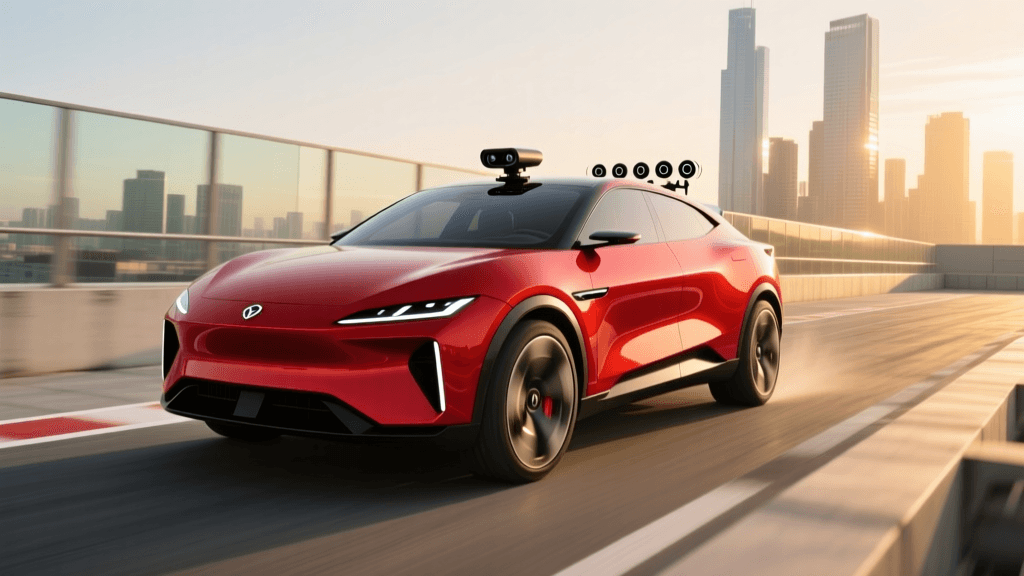
Luxury vehicles equipped with systems like GM Super Cruise, Ford BlueCruise, or Mercedes DRIVE PILOT utilize corner radars and roof-mounted LiDAR. Because these sensors operate on millimeter precision, even a minor parking lot bumper tap or a replaced windshield can throw the geometric alignment out of sync, triggering dashboard errors like 'ADAS Unavailable' or 'Sensor Blocked'.
Troubleshooting and Repair:
- Diagnostic Scan Tool: Use an OEM-level bi-directional scanner (like Autel MaxiSYS or Snap-on Zeus) to read the ADAS module. Look for 'Sensor Misalignment' or 'Calibration Required' DTCs (Diagnostic Trouble Codes).
- Static vs. Dynamic Calibration: Luxury radars often require static calibration using physical targets placed at exact distances (e.g., 1.5 meters at a specific height) in a level shop. This process takes 1 to 3 hours and typically costs between $300 and $1,500 depending on the brand.
- Bumper Cover Removal: If a corner radar is throwing a fault code after a minor scrape, the internal mounting bracket may be bent by just a few millimeters. The bumper cover must be removed to verify the bracket is perfectly flush.
Driver Monitoring System (DMS) False Rejections
Luxury hands-free systems rely on infrared (IR) Driver Monitoring Systems to ensure your eyes are on the road. A common troubleshooting scenario is the DMS failing to recognize the driver, repeatedly issuing 'Pay Attention' warnings and disabling hands-free mode.
The Fix: Polarized sunglasses and certain anti-reflective eyeglass coatings block the IR light used by DMS cameras mounted on the steering column or dashboard. Switch to non-polarized lenses while using Level 2+ hands-free systems. Additionally, ensure the IR camera lens (usually located near the instrument cluster) is free of dust and dashboard glare.
Bridging the Feature Gap: Aftermarket Workarounds
If you drive a budget vehicle lacking crucial safety features, you can troubleshoot the 'feature gap' with high-quality aftermarket solutions. While you cannot retrofit factory-level AEB, you can supplement blind spots and forward collision warnings.
- Blind Spot Monitoring (BSM) Retrofits: Kits from brands like Brandmotion or Rydeen ($300-$600) use aftermarket 24GHz radar sensors mounted behind the rear bumper. They integrate with your side mirrors to provide OEM-style LED warning indicators.
- ADAS Dashcams: Garmin and Nextbase offer dashcams equipped with basic Forward Collision Warning (FCW) and Lane Departure Warning (LDW). While they cannot apply the brakes, they provide crucial audio alerts for distracted driving scenarios.
Environmental Troubleshooting: Weather and Lighting
Both budget and luxury ADAS systems suffer in adverse weather. AAA Automotive Research has demonstrated that simulated rain can severely degrade camera-based AEB and lane-keeping performance, leading to missed targets and lane departures.
Mitigation Strategies:
- Hydrophobic Coatings: Apply a glass treatment like Rain-X or Aquapel to the windshield, specifically over the ADAS camera housing, to ensure water sheets away from the sensor's field of view.
- Radar Blockage Clearance: Luxury vehicles hide radars behind the front emblem or lower grille. In winter, slush and ice quickly block these sensors. Keep a soft-bristle brush in your cabin to gently clear the front emblem and lower bumper corners without scratching the radar-transparent plastic covers.
Summary Table: Budget vs. Luxury ADAS Troubleshooting
| Feature | Budget Implementation | Luxury Implementation | Common Fault & Troubleshooting Fix |
|---|---|---|---|
| Automatic Emergency Braking | Camera + Single Radar | LiDAR + Multi-Radar Fusion | Fault: Phantom braking in shadows. Fix: Clean camera housing; update dealer ECU firmware. |
| Lane Keeping | Torque-based LKA (Reactive) | True Lane Centering (Proactive) | Fault: Ping-pong steering. Fix: Lower LKA sensitivity in cluster settings; maintain manual steering input. |
| Sensor Alignment | Basic Windshield Camera | Corner Radars + LiDAR | Fault: 'Sensor Blocked' error after minor bumper tap. Fix: OEM static target recalibration ($300-$1500). |
| Driver Monitoring | Basic Steering Torque Sensor | IR Camera Eye-Tracking | Fault: System fails to recognize driver. Fix: Remove polarized sunglasses; wipe IR camera lens. |
Ultimately, troubleshooting ADAS requires understanding the hardware limitations of your specific vehicle class. Budget systems require meticulous windshield care and realistic expectations of their reactive nature, while luxury systems demand precise physical alignment and specialized recalibration tools when faults occur.