The Hidden Dangers of Weather on ADAS Sensors
Advanced Driver Assistance Systems (ADAS) have revolutionized automotive safety, offering a digital co-pilot that can brake, steer, and accelerate on your behalf. However, these systems are not infallible. While your vehicle's adaptive cruise control and lane centering might perform flawlessly on a clear, sunny highway, adverse weather conditions like heavy rain, dense fog, and blowing snow can severely degrade sensor performance. Understanding these limitations is not just a matter of convenience; it is a critical safety requirement.
According to the National Highway Traffic Safety Administration (NHTSA), ADAS technologies are designed to assist, not replace, an attentive human driver. Yet, many drivers overestimate the capabilities of their vehicle's sensors when environmental visibility drops. In this comprehensive guide, we will explore the physics behind sensor degradation, how specific ADAS features react to the elements, and the expert best practices you need to follow to stay safe when the weather turns hostile.
The Physics of Sensor Degradation in Bad Weather
To understand why your car's ADAS might suddenly disengage during a storm, you must understand the three primary sensor types used in modern vehicles and how they interact with water and ice:
- Cameras (Optical): Cameras rely on visible light and contrast to read lane lines, traffic signs, and obstacles. Raindrops on the lens, fog (which scatters light via Mie scattering), and snow covering lane markings effectively blind optical sensors.
- Millimeter-Wave Radar (Radio): Operating typically at 77 GHz, radar is excellent at determining the distance and speed of objects ahead. While radar penetrates fog and light rain easily, heavy downpours and wet, slushy snow can absorb or scatter radio waves, leading to false positives (ghost braking) or missed detections.
- LiDAR (Laser): Light Detection and Ranging uses laser pulses (often 905 nm or 1550 nm) to build a 3D map of the environment. LiDAR is highly susceptible to snowflakes and dense fog, which can reflect the laser pulses back to the sensor prematurely, creating a "wall" of phantom obstacles.
How Core ADAS Features React to the Elements
Adaptive Cruise Control (ACC) and Automatic Emergency Braking (AEB)
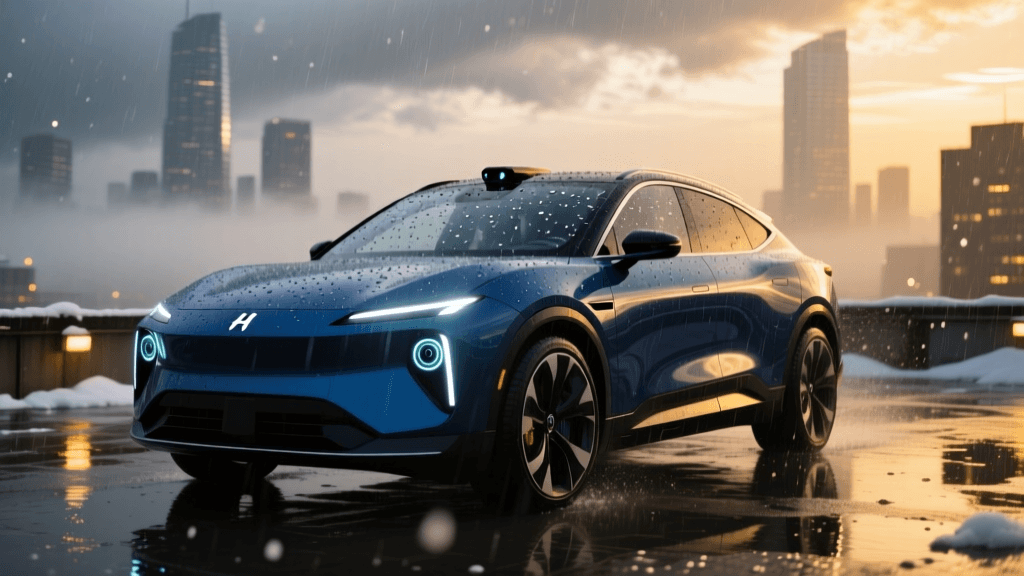
ACC and AEB primarily rely on forward-facing radar, often fused with camera data. In heavy rain, the radar can misinterpret the spray from semi-trucks as solid obstacles, triggering sudden, dangerous "phantom braking" events. Conversely, in freezing rain or heavy snow accumulation, the radar's field of view can be physically blocked by ice buildup on the front emblem or grille. The Insurance Institute for Highway Safety (IIHS) notes that while AEB is highly effective in reducing rear-end collisions, its efficacy drops significantly when sensor occlusion occurs due to weather or dirt.
Lane Keep Assist (LKA) and Lane Centering
These features are almost entirely dependent on forward-facing cameras mounted near the rearview mirror. If rain obscures the windshield, or if snow covers the painted lane lines, the system loses its reference points. Instead of gently failing, LKA systems often disengage abruptly, sometimes without a prominent audible warning, leaving the driver to catch the vehicle as it drifts out of the lane.
Sensor Vulnerability Matrix
Not all sensors fail in the same conditions. Refer to the matrix below to understand your vehicle's specific weaknesses based on its hardware suite.
| Sensor Type | Primary Weather Weakness | Best Weather Condition | Common ADAS Application |
|---|---|---|---|
| Optical Cameras | Fog, heavy rain, sun glare, snow-covered roads | Clear days, well-lit nights | Lane Keep Assist, Traffic Sign Recognition |
| Millimeter-Wave Radar | Heavy wet snow, ice buildup on grille, dense water spray | Fog, light rain, total darkness | Adaptive Cruise Control, Blind Spot Monitoring |
| LiDAR | Dense fog, heavy snowfall (laser scatter) | Rain, overcast days, night | High-Level Autonomy, 3D Mapping |
| Ultrasonic Sensors | Freezing rain (ice on bumpers), heavy mud/slush | Clear conditions, tight spaces | Parking Assist, Low-Speed AEB |
Brand-Specific Implementations and Quirks
Different automakers utilize different sensor fusion strategies, which dictates how their vehicles handle bad weather:
- Subaru (EyeSight): Subaru relies heavily on stereo cameras mounted at the top of the windshield. Because it lacks forward radar for primary vision, EyeSight is notorious for shutting down completely in heavy rain or fog when the wipers cannot clear the glass fast enough. A dashboard warning will alert you that the system is disabled.
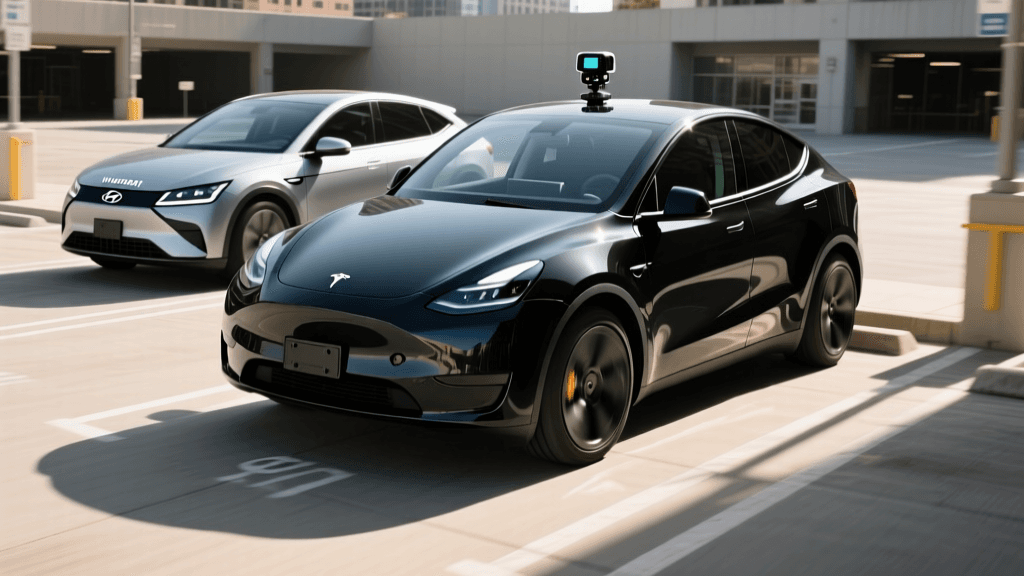
- Tesla (Autopilot / Vision): Having removed radar and ultrasonic sensors from newer models, Tesla relies entirely on its "Tesla Vision" camera suite. While their neural networks are incredibly advanced, heavy fog and sun glare combined with rain can still overwhelm the optical sensors, causing the system to reduce speed or disengage lane centering.
- Mercedes-Benz (Drive Pilot / Distronic): Mercedes utilizes a robust fusion of radar, cameras, and LiDAR (on select EQS/S-Class models). This redundancy allows the car to maintain ACC in fog where cameras fail, but the system will still mandate a manual takeover if snow begins to accumulate on the LiDAR housings in the grille.
Expert Best Practices: Maximizing Safety When Skies Turn Gray
As an expert in smart driving technologies, I recommend the following actionable protocols to ensure your ADAS functions optimally—and safely—during adverse weather.
1. The "Wipe and Clear" Protocol
Sensor occlusion is the number one cause of ADAS failure in winter. Before driving in snow or freezing rain, physically inspect and clean your sensor housings.
- Camera Housings: Use a microfiber cloth and a 50/50 mix of isopropyl alcohol and water to clean the windshield area directly in front of the rearview mirror. Avoid ammonia-based glass cleaners, which can strip hydrophobic factory coatings.
- Radar Emblems: The front grille emblem often hides the ACC radar. Brush away snow and ice gently. Never use a metal ice scraper on the emblem, as scratches will distort the radar waves.
- LiDAR/Ultrasonic Pods: Wipe down the bumper sensors and any roof-mounted or fender-mounted LiDAR units with a soft, damp cloth.
2. Adjust Following Distance and Sensitivity
In wet or icy conditions, your vehicle's stopping distance increases dramatically. If you must use Adaptive Cruise Control, manually adjust the following distance gap to the maximum setting (usually 4 or 5 bars). This gives the radar more time to process the brake lights of the vehicle ahead and compensates for the slight latency in the AEB system's reaction time on low-traction surfaces.
3. Pre-Condition the Cabin
Fogging on the inside of the windshield can blind interior-facing driver monitoring cameras and exterior-facing ADAS cameras. Use your vehicle's HVAC defrost setting and ensure the cabin is pre-conditioned. For EV owners, use the mobile app to turn on the climate control and defroster 10 minutes before departure to ensure all glass surfaces are optically clear before you engage the system.
The Ultimate Failsafe: Knowing When to Disengage
The National Safety Council emphasizes that driver complacency is a major risk factor when using ADAS. In severe weather, the safest practice is often proactive disengagement. You should manually turn off Lane Centering and Adaptive Cruise Control under the following conditions:
- Whiteout Conditions: When snow or fog reduces visibility to less than a quarter-mile, human intuition and defensive driving outperform confused algorithms.
- Slushy, Unmarked Highways: If the left and right lanes are covered in thick slush, and only tire tracks remain, camera-based lane centering will likely follow the erratic tracks of the truck ahead rather than the actual lane geometry.
- Heavy Spray from Commercial Trucks: When passing 18-wheelers in heavy rain, the wall of water can temporarily blind your forward cameras and scatter radar, causing unpredictable braking events.
Conclusion
ADAS features are marvels of modern engineering, but they are bound by the laws of physics. Rain, snow, and fog introduce environmental noise that can blind cameras, scatter lasers, and confuse radar. By understanding your specific vehicle's sensor suite, maintaining clean sensor housings, and knowing exactly when to take back the steering wheel, you can leverage these technologies safely. Remember: in adverse weather, you are not a passenger; you are the ultimate failsafe.