The Evolution of GM Super Cruise
General Motors’ Super Cruise has consistently ranked as one of the most capable and intuitive Level 2 advanced driver-assistance systems (ADAS) on the market. Unlike camera-only systems that rely heavily on painted lane lines, Super Cruise utilizes a combination of high-definition LiDAR-mapped data, real-time cameras, and precise GPS positioning to deliver a truly hands-free driving experience on compatible roads. As ADAS technology rapidly evolves, understanding the nuances of map coverage and the hands-free user experience is critical for buyers and current owners alike. In this expert review, we break down the current state of Super Cruise map coverage, evaluate the real-world hands-free performance, and share actionable best practices to help you maximize safety and comfort on the highway.
Deep Dive: Super Cruise Map Coverage and LiDAR Technology
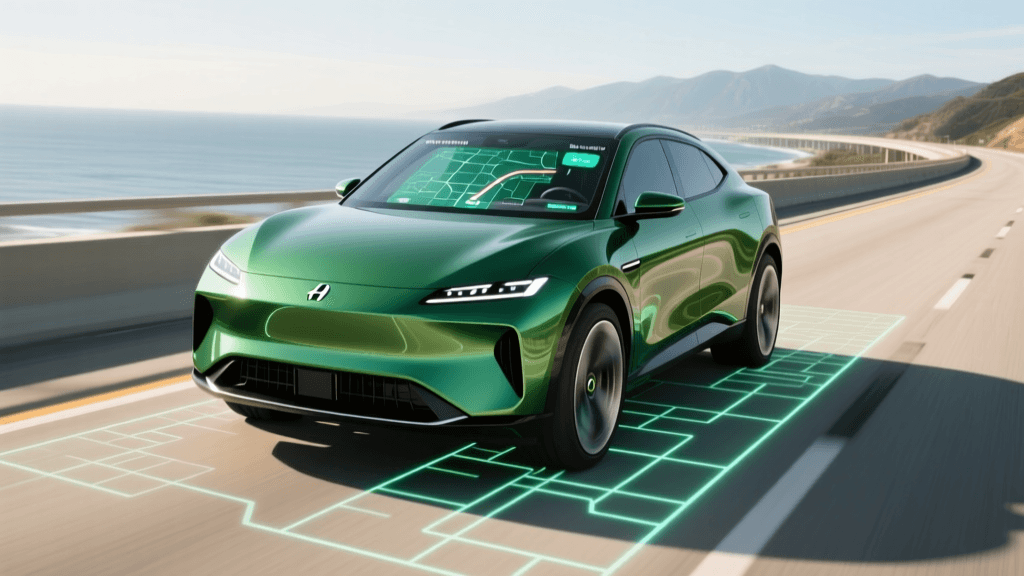
The defining characteristic of GM Super Cruise is its reliance on pre-mapped, geo-fenced highways. GM has invested heavily in scanning hundreds of thousands of miles of roads across the United States and Canada using specialized LiDAR-equipped mapping vehicles. This creates a highly accurate, centimeter-level 3D point cloud of the highway environment. As of the latest expansion, Super Cruise boasts coverage on over 750,000 miles of compatible roads, including virtually all major interstates and a growing number of divided state highways.
Why does map dependency matter? According to the National Highway Traffic Safety Administration (NHTSA), relying on HD maps allows the vehicle to anticipate sharp curves, elevation changes, and lane reductions well before the onboard cameras can visually detect them. This results in smoother deceleration and steering inputs compared to purely vision-based systems. However, the trade-off is strict geo-fencing: if you exit the mapped corridor or enter a construction zone that alters the road's physical layout, the system will promptly disengage and hand control back to the driver.
The Hands-Free Experience: Real-World Highway Performance
The hands-free experience is where Super Cruise truly differentiates itself from competitors. Once engaged on a compatible road (indicated by a green light bar on the steering wheel), the driver can legally and safely remove their hands from the wheel. The system handles lane centering, adaptive cruise control, and even automatic lane changes when the driver activates the turn signal.
To ensure safety, GM employs a sophisticated Driver Attention System. An infrared camera mounted on the top of the steering column tracks the driver's eye and head position. As highlighted by research from the Insurance Institute for Highway Safety (IIHS), robust driver monitoring is essential for preventing automation complacency. Super Cruise's IR camera works flawlessly even with polarized sunglasses or in low-light conditions, ensuring you remain engaged with the road ahead. If your eyes drift from the road for too long, the system initiates a multi-stage escalation protocol to regain your attention.
Expert Tips & Best Practices for Super Cruise Users
To get the most out of your GM Super Cruise experience, our automotive experts recommend the following best practices:
- Pre-Map Your Route: Before embarking on a long road trip, use the in-dash navigation or the GM mobile app to verify that your primary route is covered by Super Cruise. While the system will display a gray steering wheel icon when approaching compatible roads, knowing your coverage gaps helps you prepare for manual driving segments.
- Optimize Your Seating Position: The infrared driver-monitoring camera requires a clear line of sight to your face. Adjust your seat height and steering wheel tilt so that the camera has an unobstructed view. Avoid wearing wide-brimmed hats or resting your hand on your chin, as this can trigger false 'inattention' warnings.
- Use the Turn Signal for Lane Changes: On newer iterations of Super Cruise (including those in the Cadillac CT6, LYRIQ, and Chevrolet Silverado), the system can execute automatic lane changes. Do not attempt to manually steer the vehicle while the system is engaged; instead, tap the turn signal stalk. The vehicle will verify the adjacent lane is clear and smoothly execute the maneuver.
- Understand the Light Bar Escalation: Memorize the color codes of the steering wheel light bar. Green means the system is active and hands-free. Blue indicates the system is ready but requires your hands on the wheel (or is executing a lane change). Red means immediate manual takeover is required. If you see flashing red lights and hear audio chimes, grab the wheel immediately.
- Keep Your Windshield and Sensors Clean: While Super Cruise relies heavily on LiDAR maps, it uses forward-facing cameras and radar to track moving traffic and obstacles. A dirty windshield, obscured by road grime or heavy snow, will force the system to disengage. Always clean the camera housing behind the rearview mirror before highway driving.
Handling System Limitations and Escalation Protocols
Even the best ADAS suites have limitations. Super Cruise may disengage during heavy precipitation, when lane lines are completely obscured by snow, or when entering complex toll plazas. When the system demands your attention, it follows a strict escalation protocol: first, a visual warning on the light bar; second, an auditory chime; third, haptic feedback via the Safety Alert Seat (vibrating pulses in the seat cushion); and finally, if ignored, the vehicle will safely decelerate, activate hazard lights, and contact OnStar emergency services. Understanding and respecting this escalation protocol is vital for safe semi-autonomous operation.
ADAS Comparison: Super Cruise vs. BlueCruise vs. Autopilot
How does GM's flagship system stack up against its primary rivals? Below is a structured comparison of the top hands-free and semi-autonomous systems currently available in the North American market.
| Feature | GM Super Cruise | Ford BlueCruise | Tesla Autopilot / FSD |
|---|---|---|---|
| Map Dependency | Yes (LiDAR HD Maps) | Yes (Geo-fenced Zones) | No (Vision-based anywhere) |
| True Hands-Free | Yes (on mapped roads) | Yes (on pre-approved zones) | No (Requires torque on wheel) |
| Driver Monitoring | IR Eye-Tracking Camera | IR Eye-Tracking Camera | Steering Wheel Torque / Cabin Cam |
| Auto Lane Change | Yes (with turn signal) | Yes (select models/routes) | Yes (with FSD package) |
| Ride Smoothness | Excellent (Anticipates curves) | Very Good | Good (Can be aggressive) |
While Tesla's vision-based approach offers ubiquitous coverage, GM Super Cruise's LiDAR mapping provides a significantly smoother, more predictable, and confidence-inspiring ride on the highway. For drivers who spend the majority of their commute on major interstates, Super Cruise's mapped approach is often the superior choice for reducing fatigue.
Subscription Costs and Long-Term Value
Prospective buyers must factor in the long-term cost of ownership. Most new GM vehicles equipped with Super Cruise include a complimentary trial period, typically lasting three years. After the trial expires, owners must subscribe to the Chevrolet Super Cruise plan (or the equivalent Cadillac/Buick/GMC plan), which currently costs approximately $25 per month or $250 per year. While this is an ongoing expense, frequent highway commuters often find the reduction in driver fatigue and stress well worth the subscription fee.
Conclusion
GM Super Cruise remains a benchmark for Level 2 ADAS technology, blending the precision of LiDAR mapping with a highly attentive driver-monitoring system. By understanding the boundaries of its map coverage, optimizing your cabin setup for the IR camera, and respecting the system's operational limits, you can transform your daily highway commute into a remarkably relaxed and safe experience. As GM continues to expand its mapped road network and refine its software via over-the-air updates, Super Cruise will only become more indispensable for the modern driver.